
Planning Your Brick Paver Patio: A Complete Guide
Why choose a brick paver patio?
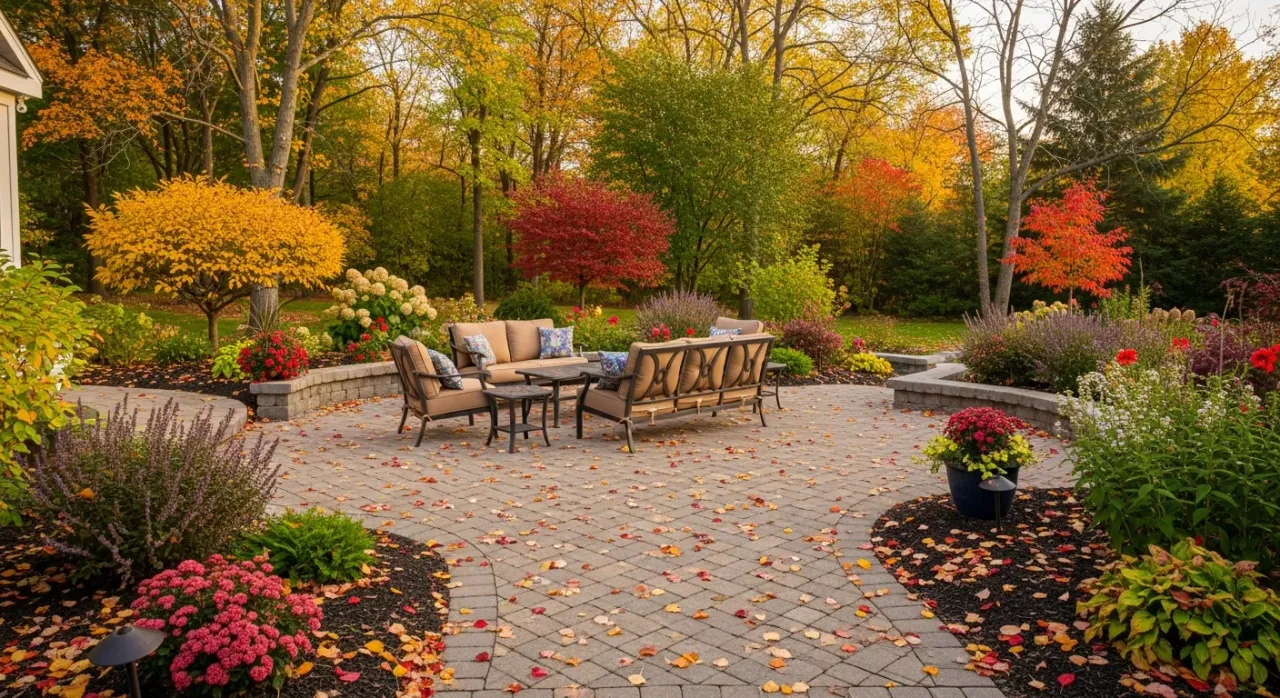
A brick paver patio is one of the best upgrades you can make for outdoor living. Unlike poured concrete, pavers offer design flexibility, easier repairs, and a classic look that never goes out of style.
What Materials Should I Consider?
Paver materials range from concrete pavers to natural stone. Concrete pavers offer excellent durability and come in dozens of colors, shapes, and finishes. Natural stone — flagstone walkways, bluestone, and limestone — delivers a distinctive, one-of-a-kind appearance.
What goes into a quality patio installation?
The scope of a patio project depends on size, material selection, site conditions, and base preparation requirements. A well-installed patio starts with proper groundwork that handles Michigan's freeze-thaw cycles — our luxury hardscape team builds paver patios and walkways on engineered base layers designed for long-term stability.
Why is base preparation so important?
Base preparation is the most important step for longevity. Proper installation requires excavation, compacted gravel base, sand bedding, and edge restraints. Shortcuts here cause settling and failures.
Why Does Base Preparation Matter?
Base preparation is the most important step for longevity. Proper installation requires excavation, compacted gravel base, sand bedding, and edge restraints. Shortcuts here cause settling and failures.
What Pattern Options Are There?
Pattern options are nearly endless. Running bond, herringbone, and basketweave are popular classics. More complex patterns take more labor but create distinctive looks that set your patio apart.
How do Michigan winters affect paver patios?
Michigan's freeze-thaw cycles require specific installation practices. Proper base depth, drainage, and joint sand type all matter for surviving our winters without damage.
Borders and accents add visual interest. Contrasting paver colors or materials for borders significantly enhance the finished appearance.
Should I seal my paver patio?
Sealing pavers is optional but offers benefits: enhanced color, easier cleaning, and reduced joint weed growth. Plan to reseal every 2-3 years if you choose this option.
Permeable pavers are an option for areas with drainage concerns. They allow water to filter through, reducing runoff and meeting some municipal requirements.
Planning for furniture, grilling, and traffic patterns helps create a functional layout. Our patio builder team can help design a patio that works for how you actually use your outdoor space.
Frequently Asked Questions
What are the most popular paver materials?
Concrete pavers offer excellent durability and come in dozens of colors, shapes, and finishes. Natural stone — flagstone, bluestone, and limestone — delivers a distinctive, one-of-a-kind appearance.
Why is base preparation so important for pavers?
Base preparation is the most important step for longevity. Proper installation requires excavation, compacted gravel base, sand bedding, and edge restraints. Shortcuts here cause settling and failures.
Should I seal my paver patio?
Sealing is optional but offers benefits like enhanced color, easier cleaning, and reduced joint weed growth. Plan to reseal every 2 to 3 years if you choose this option.
Need Professional Help?
If you've identified masonry issues or need a professional inspection, we're here to help. Adam Baker Masonry serves Grand Rapids and the surrounding 50-mile area.
Related Articles
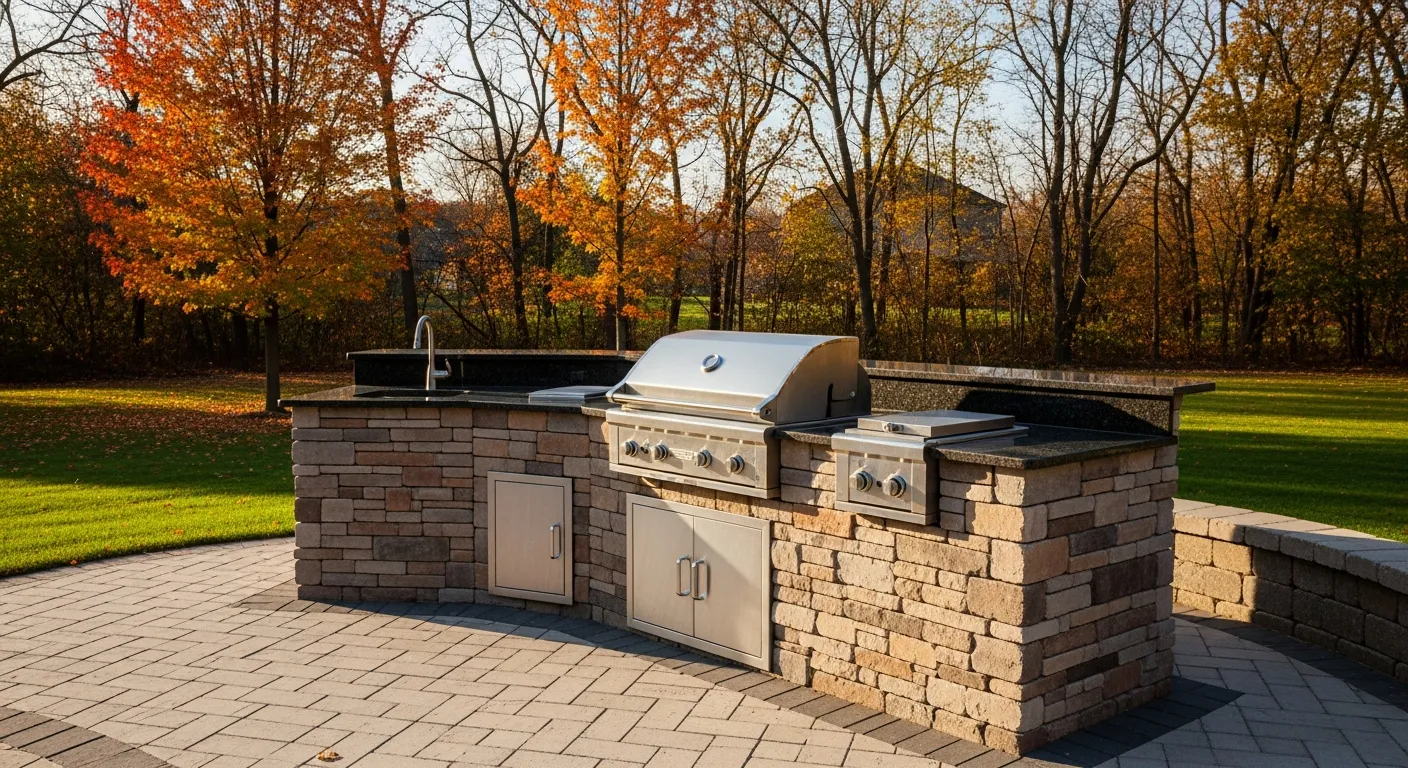
What Goes Into Building an Outdoor Kitchen in Michigan?
Outdoor kitchens range from simple grill surrounds to fully-equipped cooking stations. Here is what drives the scope of a project and what to consider in West Michigan.
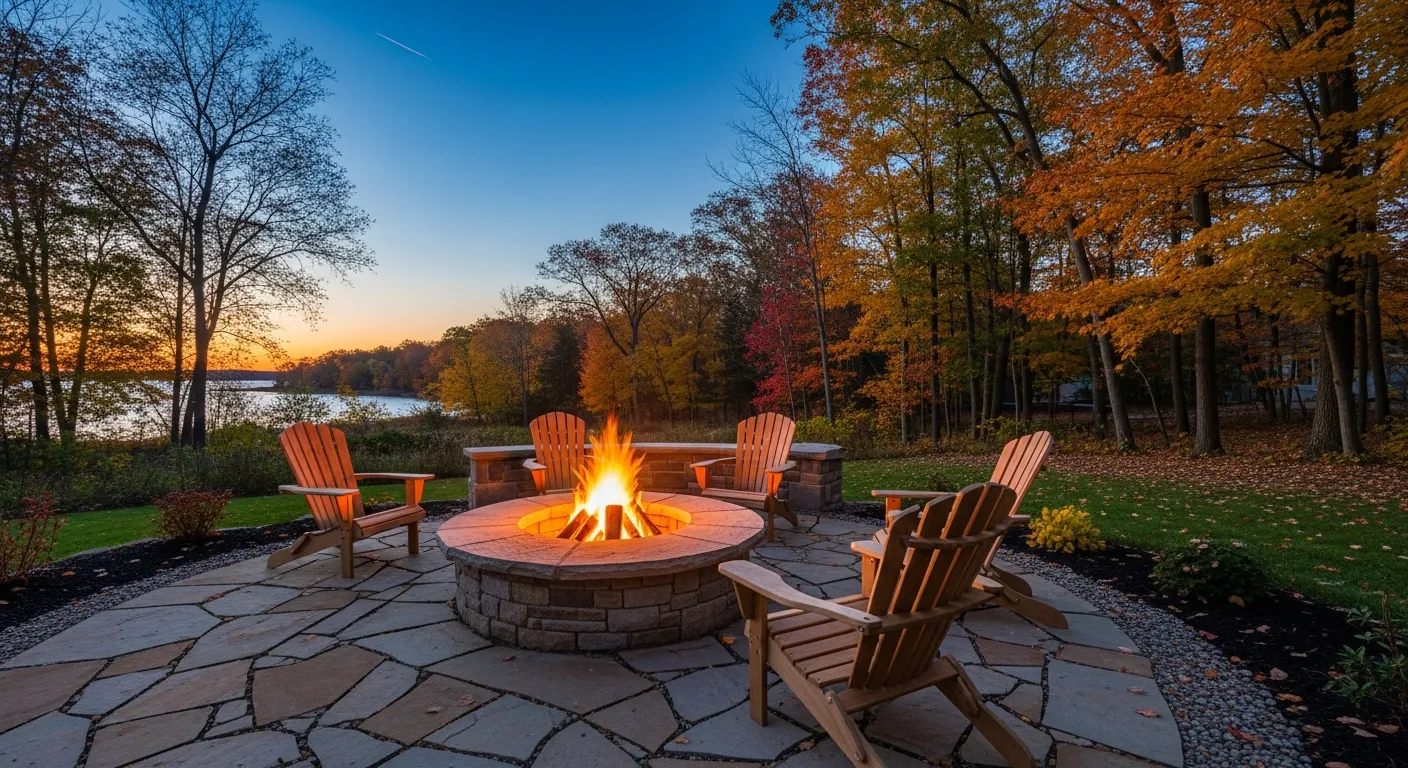
What to Consider When Building a Stone Fire Pit
A stone fire pit creates the perfect gathering spot in your Michigan backyard. Here is what goes into the project and the decisions you will need to make.
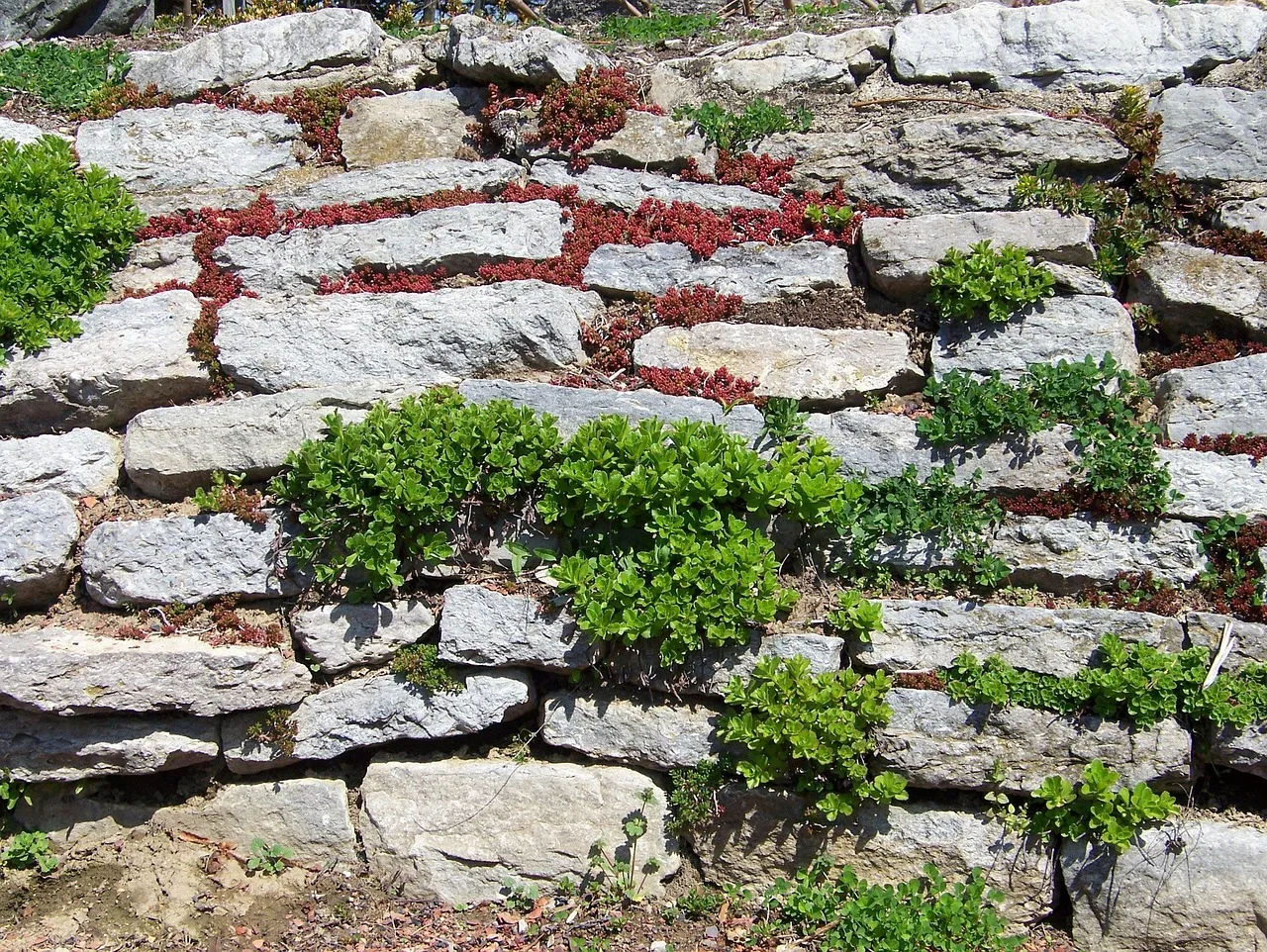
Retaining Wall Options: Which Type Is Right for Your Michigan Yard?
From decorative garden walls to engineered structural solutions, learn about the different types of retaining walls and which works best for your property.