What is tuckpointing and why does brick need it?
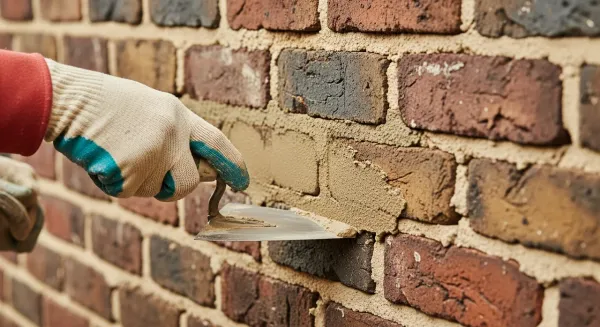
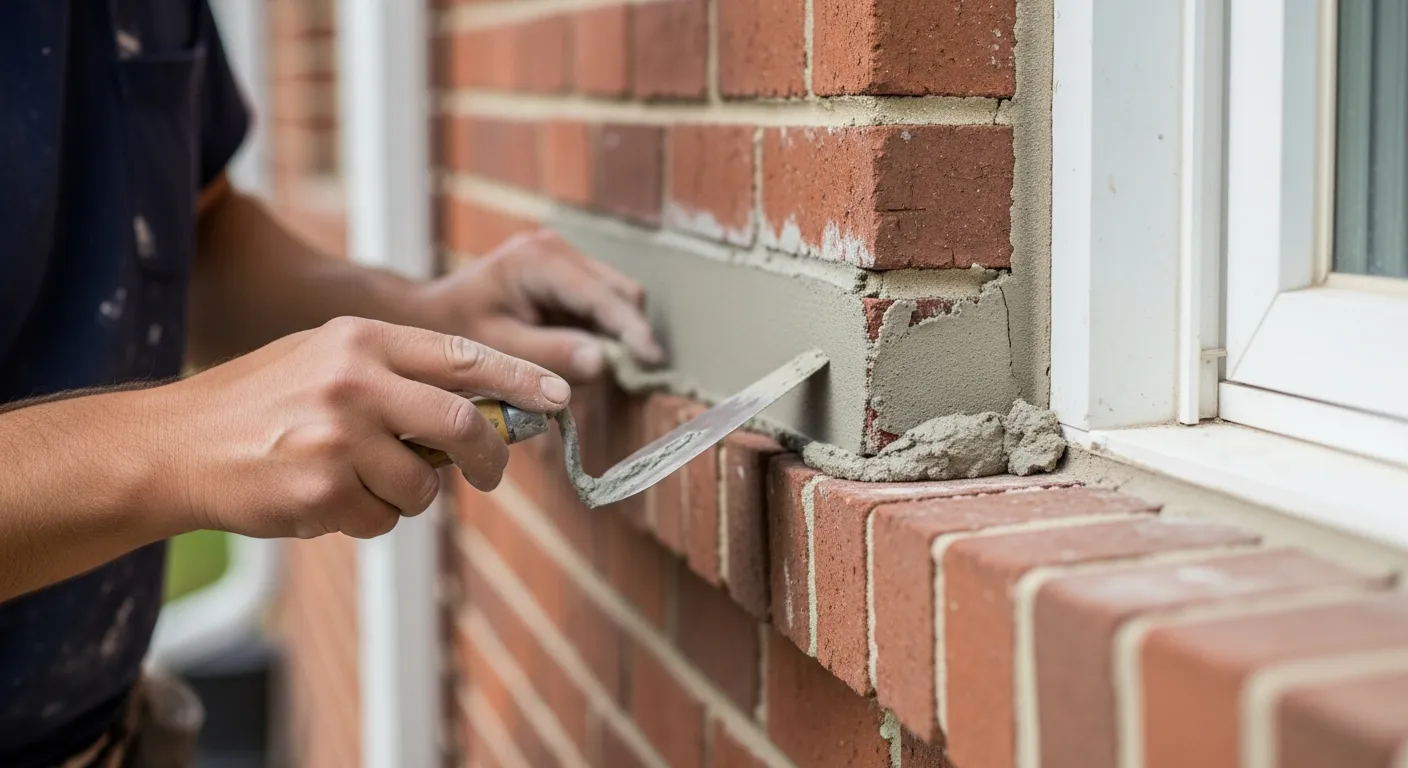
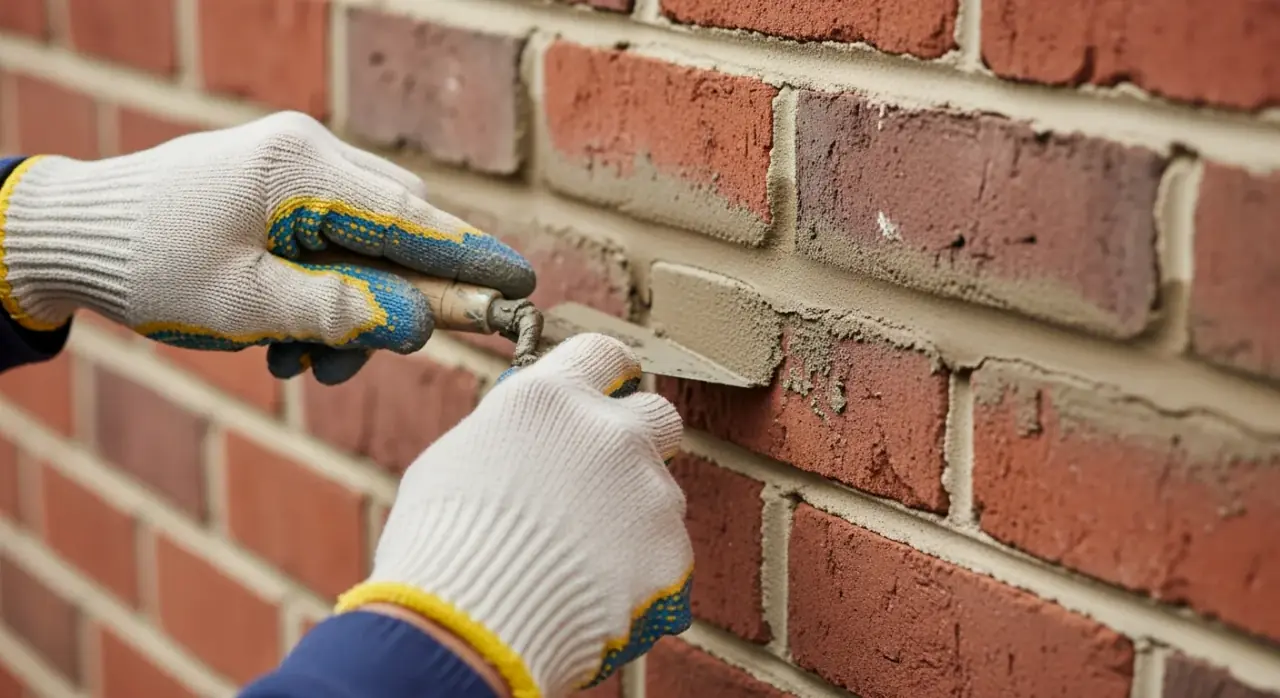
Tuckpointing is the trade name for grinding out failing mortar between bricks and packing in fresh mortar to match. The brick on most West Michigan homes can last well over a hundred years. The mortar holding those bricks together usually doesn't make it that long. Once the joints start breaking down, water finds its way behind the brick — and that's when small problems start turning into expensive ones.
Why does mortar between bricks crumble in Michigan winters?
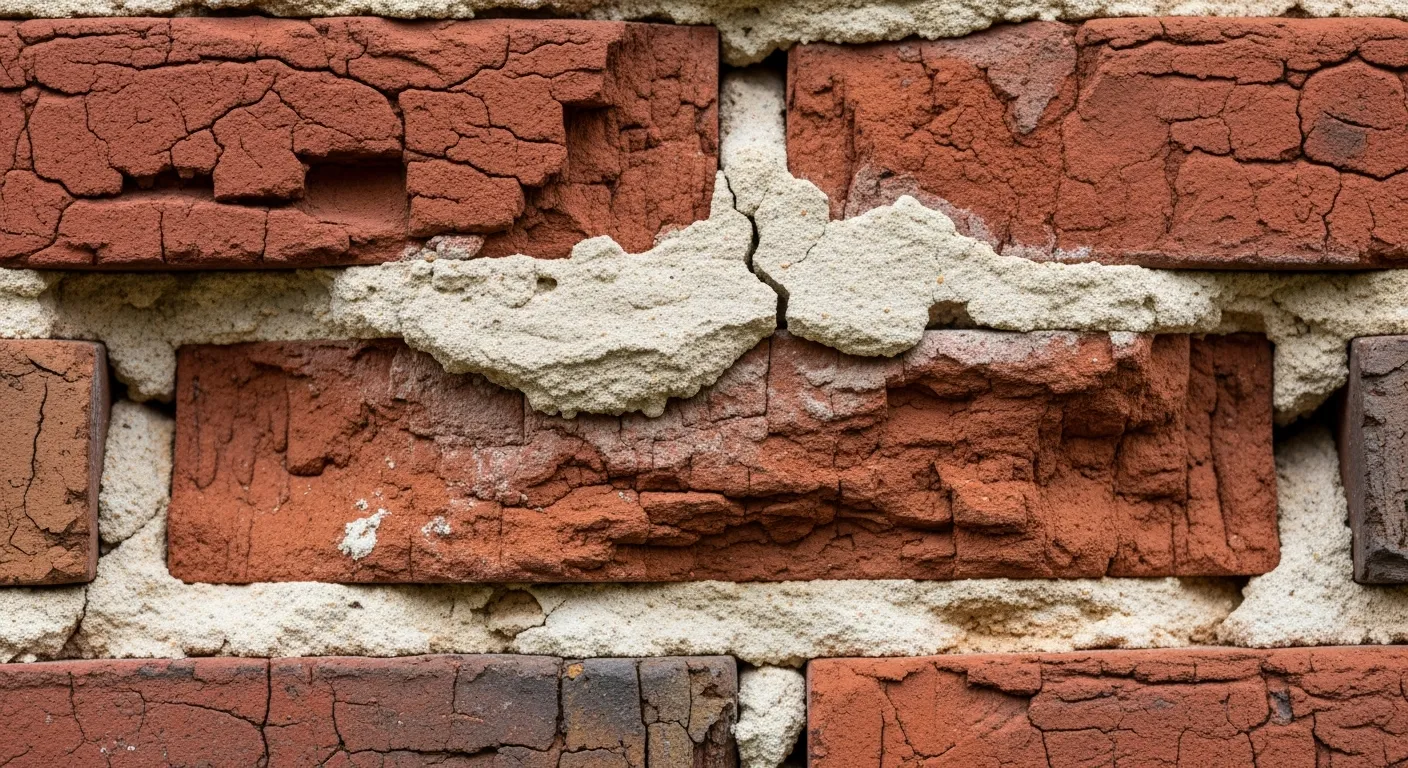
Mortar in Michigan takes a beating most of the country never sees. Water soaks into the joint during a fall rain, freezes overnight, expands, and pries the joint apart a little at a time. Run that cycle through a long winter and you end up with crumbling joints, white efflorescence stains running down the brick, and gaps you can fit a fingernail into. Chimneys and south-facing walls usually show it first because they take the most weather.
What kind of mortar is used for tuckpointing?
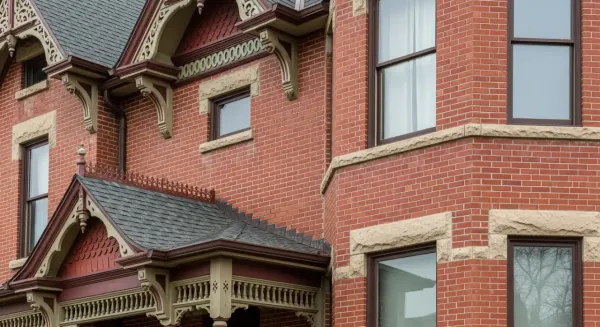
We pick the mortar to match what's already on the wall. Older soft brick — common on a lot of historic Grand Rapids homes — needs a softer lime-based blend so the joint flexes instead of cracking the brick face. Newer brick can take a harder Portland-cement blend. We color-match every batch so the new joints don't jump out from the original work. Done well, you can't tell where the new tuckpointing ends and the original mortar begins.
How do you know if your brick needs tuckpointing?
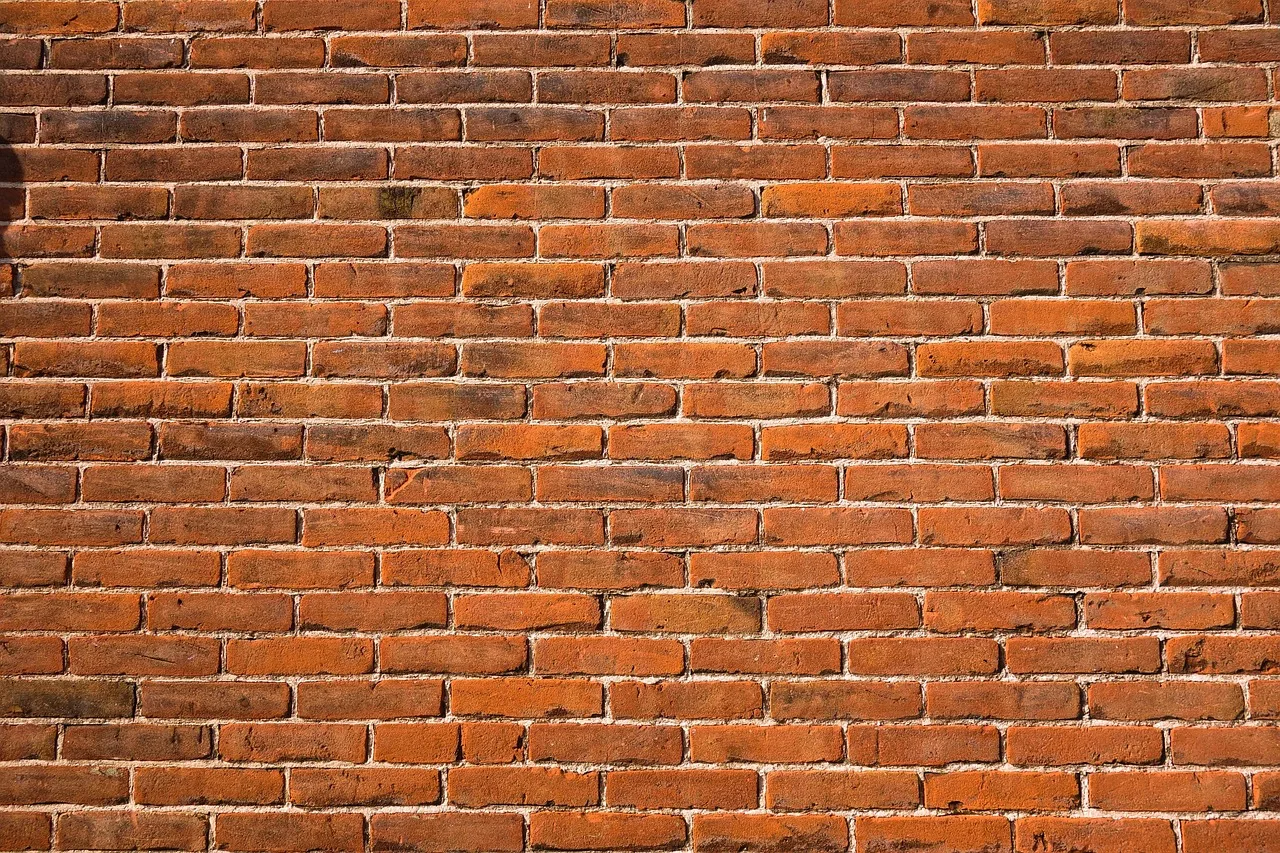
Walk around your house in spring and look at the joints up close. If you can scratch them with a key, see crumbly sand at the base of the wall, notice white powdery stains, or spot gaps where mortar should be, it's time to call. Catching it early means we can repoint before water gets in deep enough to start moving bricks or rotting whatever's behind them. After repointing, many homeowners pair the work with professional masonry cleaning to remove years of efflorescence and surface staining.
Call Adam Baker Masonry at (616) 612-1284 to get a real look at your brick. We'll walk the wall with you, point out what genuinely needs work and what's still fine, and put together a straightforward written estimate.