Historic Masonry Restoration

Historic Masonry Restoration

Preserve the character and craftsmanship of Grand Rapids' architectural heritage. We restore historic masonry using traditional techniques and period-appropriate materials.

Licensed & Insured
Satisfaction Guaranteed
Free Estimates

Why Do Historic Buildings Need Specialized Masonry?

What makes historic masonry restoration different from regular brick repair?

Historic masonry is a different trade from modern brick repair. The brick is softer, the mortar is softer, the building moves differently, and the standard for what counts as a good repair is higher because you're trying to match work that was done by hand a century ago. We do this work the way it needs to be done — with period-appropriate materials, salvaged brick when matching is critical, and techniques that respect what the original mason built.

Why is modern mortar harmful to historic brick?

Modern Portland cement mortars are stronger than the brick they end up holding together — and on a historic home, that's a real problem. The mortar joint is supposed to be the soft part of the wall, the part that absorbs movement and freeze-thaw stress. When the joint is harder than the brick, the brick takes the stress instead. The result is faces popping off, edges crumbling, and damage that gets worse every winter. The fix is using a lime-based mortar formulated to match what the original builders used.

What experience does a mason need to work on historic homes?

This kind of work depends on knowing how historic brick wants to be treated. We've worked on Heritage Hill Victorians, downtown commercial buildings, century farmhouses out in the rural townships, and church masonry that hadn't been touched since the building went up. Each project teaches you something new about how the originals were built and how to bring them back without making them look new. We also know our way around the Secretary of the Interior's Standards for preservation when documentation matters for tax credits or historic registers.

Can any mason work on a historic home?

For a historic home, the answer is no — not any mason can do this work, even ones who are good at modern brick repair. Using the wrong mortar on soft historic brick causes the kind of damage that's expensive to undo, and using a generic match instead of finding the right brick leaves a wall that always reads patched. If your home is on a historic register or you care about preserving it correctly, the mason matters as much as the materials.

Preserve your historic property with a mason who understands what it actually needs. Call Adam Baker Masonry at (616) 612-1284 to talk through a restoration project, walk the building, and discuss the right approach for the work.
Our Historic Building Restoration Work

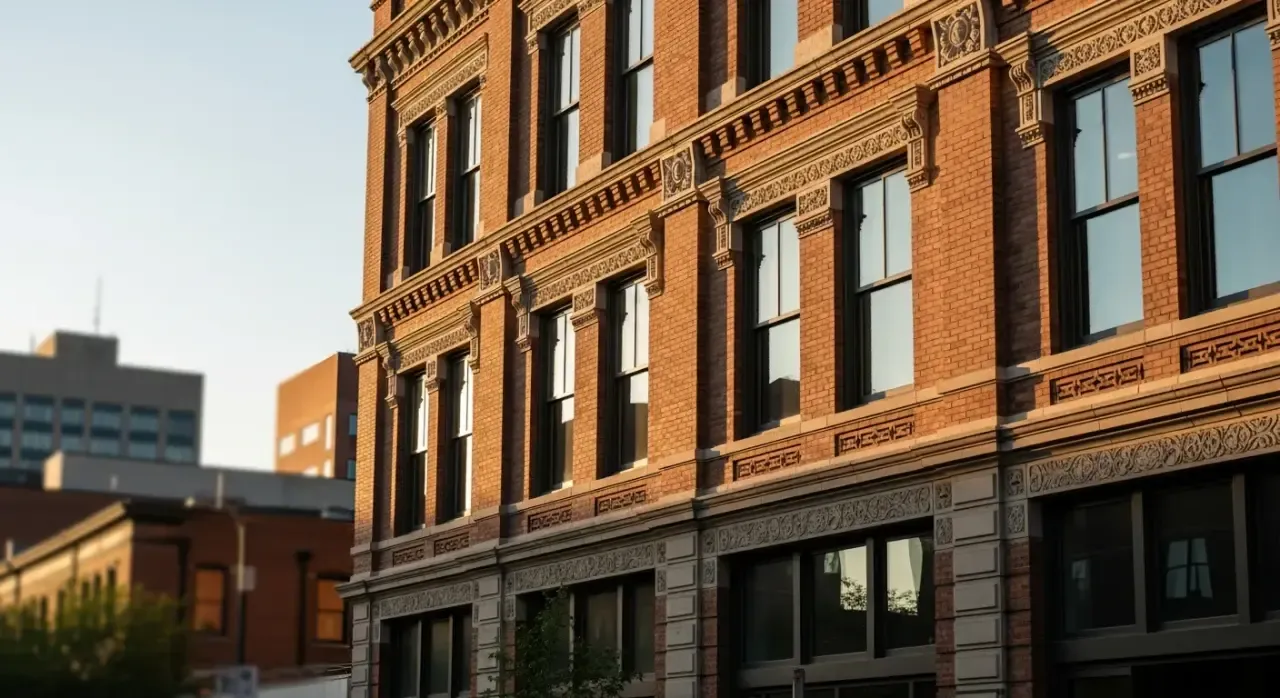
Historic building restoration Grand Rapids MI - restored ornate brick facade downtown
Historic Building Restoration - Downtown Grand Rapids
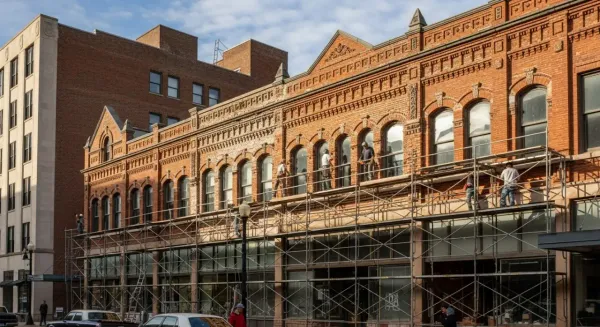
Historic masonry restoration Grand Rapids Michigan - commercial brick building with scaffolding during restoration downtown
Commercial Historic Restoration - Downtown Grand Rapids
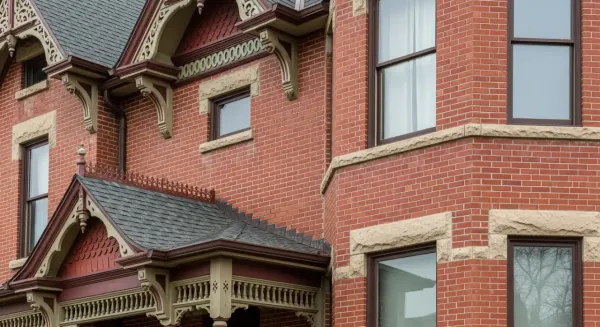
Historic home restoration Grand Rapids MI - Victorian brick mansion with restored facade Heritage Hill
Victorian Home Restoration - Heritage Hill, Grand Rapids

Historic Restoration Services

  • Heritage-compliant tuckpointing with lime mortars
  • Period-appropriate brick matching and replacement
  • Decorative masonry detail restoration
  • Arch and lintel repair and reconstruction
  • Historic chimney restoration
  • Stone carving repair and replacement
  • Foundation stabilization for historic structures
  • Ornamental terra cotta restoration
  • Documentation for historic tax credits

Our Restoration Approach

1

Research

We study your building's history, original materials, and construction methods.

2

Assessment

We document all damage and develop a preservation-focused repair plan.

3

Restoration

Using period techniques and materials, we carefully restore the masonry.

4

Documentation

We provide records of work completed for your archives and any required agencies.

Benefits of Professional Historic Building Restoration

Expertise in soft lime-based mortars matched to historic brick
Access to salvage sources for matching historic brick
Knowledge of local architectural history and styles
Understanding of Secretary of the Interior's Standards
Support for historic tax credit documentation
Satisfaction guaranteed warranty on all restoration work
Licensed, bonded, and fully insured

Need Professional Help?

If you've identified masonry issues or need a professional inspection, we're here to help. Adam Baker Masonry serves Grand Rapids and the surrounding 50-mile area.

Frequently Asked Questions

Why can't modern mortar be used on historic buildings?

Modern Portland cement mortars are much harder than historic lime mortars and the soft bricks they bonded. Using hard modern mortar causes moisture to migrate through the softer brick, leading to spalling and accelerated deterioration. We use appropriate lime-based mortars that allow the masonry system to function as originally designed.

How do you match historic brick?

We source matching brick through salvage suppliers, architectural salvage yards, and specialty manufacturers. For some projects, we can extract bricks from less visible areas of the building for use in prominent locations. We also work with manufacturers who can custom-produce matching brick when necessary.

Is my building historic?

Buildings may be individually listed on historic registers, located within historic districts, or simply old enough to qualify as historic. In Grand Rapids, Heritage Hill and parts of the East Hills, Midtown, and downtown are designated historic districts. We can help you determine your building's status and any applicable requirements.

Will historic restoration qualify for tax credits?

Certified rehabilitations of income-producing historic properties may qualify for federal and state tax credits. Requirements include following the Secretary of the Interior's Standards for Rehabilitation. We can provide documentation of our work and work with your preservation consultant to support tax credit applications.

How does historic restoration differ from regular masonry repair?

Historic restoration uses specialized materials, techniques, and documentation that standard repair does not require. The work takes more time and expertise because original craftsmanship must be preserved. However, the investment is often supported by tax incentives, increased property value, and a much longer lifespan. We provide detailed estimates after assessing your project.

Do you work with historic preservation consultants?

Yes, we frequently collaborate with preservation architects, consultants, and the State Historic Preservation Office on significant projects. For major restorations or tax credit work, we welcome coordination with your preservation team so all work meets required standards.

Historic Building Restoration Service Areas

Serving West Michigan communities with expert historic building restoration services