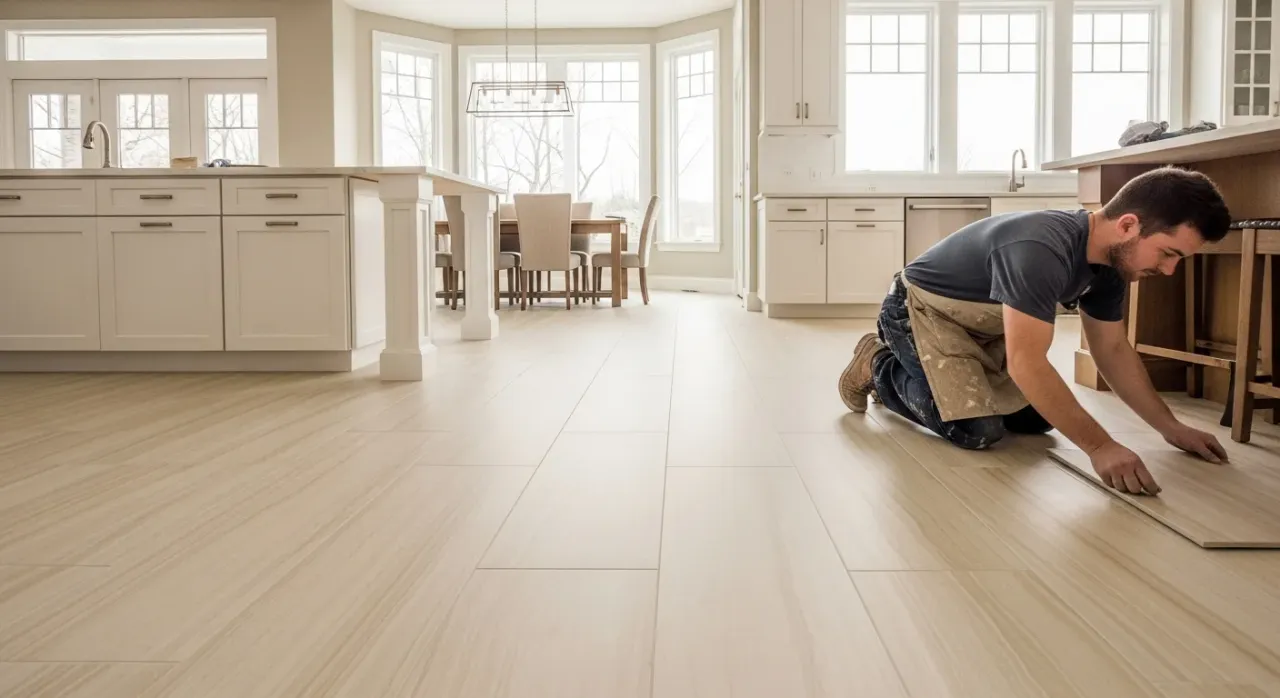
Tile Floor Installation in Grand Rapids

Durable, beautiful tile floors installed with precision. From large-format porcelain in open-concept kitchens to slip-resistant entryway tile — we handle every detail so your floors look stunning and last for decades.

Licensed & Insured
Satisfaction Guaranteed
Free Estimates

Expert Tile Floor Installation for West Michigan Homes

Why Do West Michigan Homeowners Choose Tile Floors?

A tile floor changes the entire feel of a room. It is cooler in summer, warmer with radiant heat in winter, and stands up to foot traffic and pets in ways that hardwood and carpet simply cannot. Across Grand Rapids and West Michigan, tile floors are one of the smartest upgrades a homeowner can make — and one of the few projects you can schedule any time of year.

Where Do You Install Tile Floors in Grand Rapids Homes?

We install porcelain, ceramic, and natural stone floor tile in kitchens, entryways, mudrooms, laundry rooms, living rooms, and basements. Large-format tiles are our specialty. They create a seamless, modern look with fewer grout lines, but they demand a perfectly flat substrate. That prep work is where experience matters most.

Why Does Subfloor Preparation Matter So Much?

Michigan basements and older homes often have uneven concrete subfloors. We use self-leveling compounds and proper underlayment systems to create a dead-flat surface before a single tile goes down. Skipping that step is the number one reason tile floors crack or develop lippage within a year. We do not skip it.

Can Tile Floors Be Installed Year-Round?

Tile floor installation is entirely indoor work, so it can be scheduled any time of year. Mortar cures well at normal indoor temperatures. For homeowners considering other indoor upgrades, tile pairs well with a tile fireplace refacing or a tile accent wall — all of which can be done during the same visit.

What Makes Tile a Smart Choice for Kitchens?

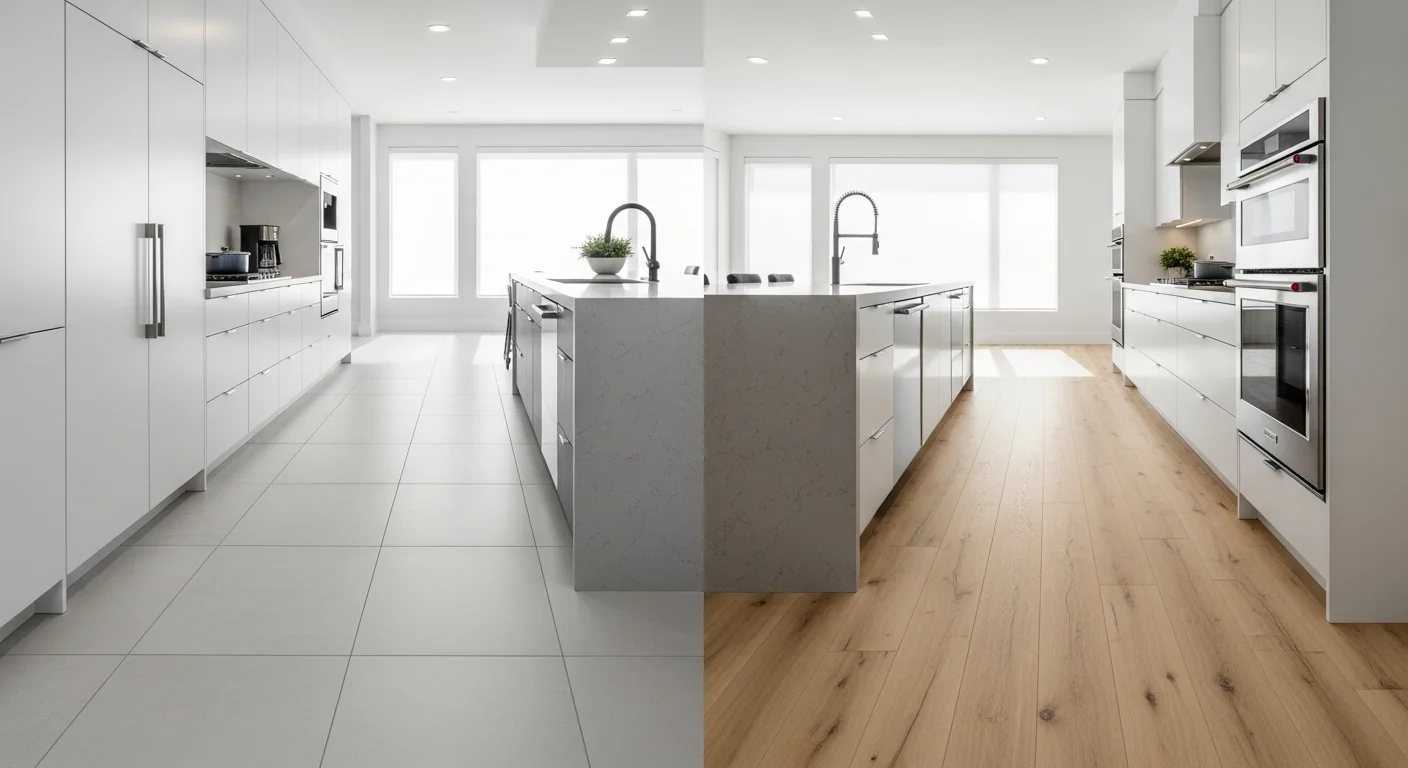
Kitchens are where tile flooring really shines. A porcelain tile kitchen floor handles spills, dropped cookware, and years of daily foot traffic without scratching, denting, or warping. Combined with a matching tile backsplash, the result is a kitchen that looks cohesive and cleans up easily. We work with homeowners throughout Ada, East Grand Rapids, Forest Hills, and Cascade to design tile layouts that tie the whole kitchen together.

Does New Tile Flooring Add Resale Value?

New tile flooring is widely viewed as one of the strongest home improvements for long-term value. In high-traffic areas like kitchens and entryways, tile tends to outperform hardwood in the long run because it does not scratch, dent, or warp. A well-executed tile floor in a kitchen adds real perceived home value — and avoids the wear and replacement cycles that come with hardwood or laminate.

Why Is Tile the Top Choice for Entryways and Mudrooms?

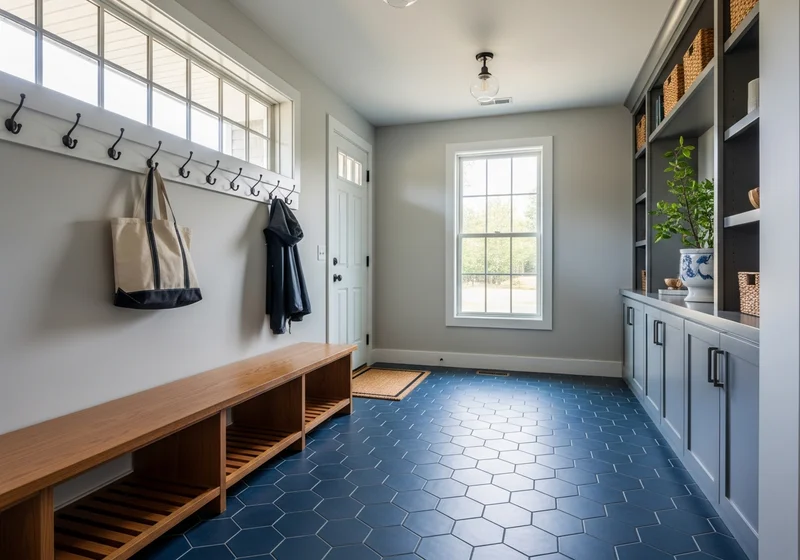
Entryways and mudrooms are the first impression of your home, and tile is the most practical material for these hardworking spaces. We install slip-resistant textured porcelain and natural stone tiles that stand up to muddy boots, rock salt, snow melt, and heavy daily use. A tile entryway sets the tone for the rest of the house and eliminates the constant upkeep that comes with hardwood or carpet in these areas.

Ready to upgrade your floors? Call Adam Baker Masonry at (616) 612-1284 for a free tile floor estimate. We will assess your subfloor conditions, help you select the right tile for your space, and provide a detailed quote.
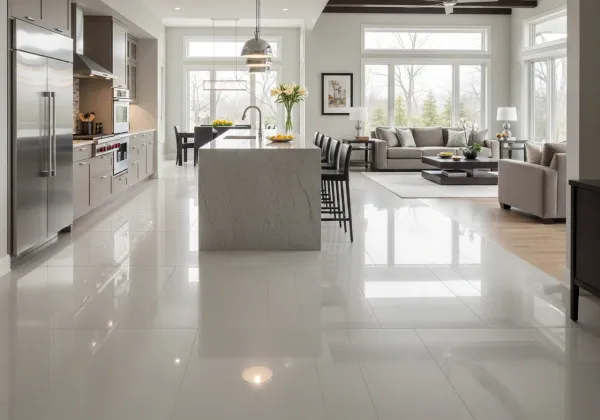
Our Tile Floor Installation Work

Large format gray porcelain tile floor in a luxury open-concept kitchen - Grand Rapids MI
Kitchen Floor Tile - East Grand Rapids, MI
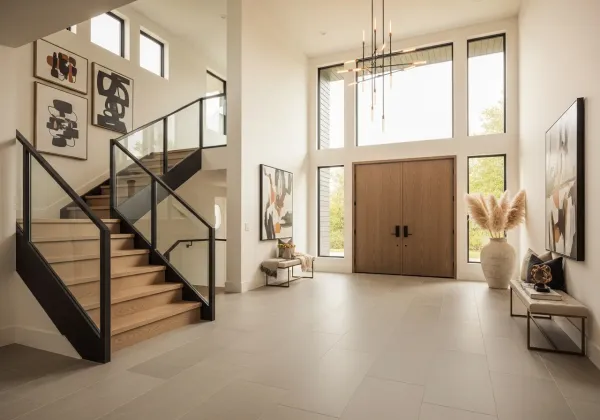
Modern foyer with large format light gray porcelain tile floor, black metal glass staircase, and double-height windows - Ada MI
Modern Foyer Floor Tile - Ada, MI
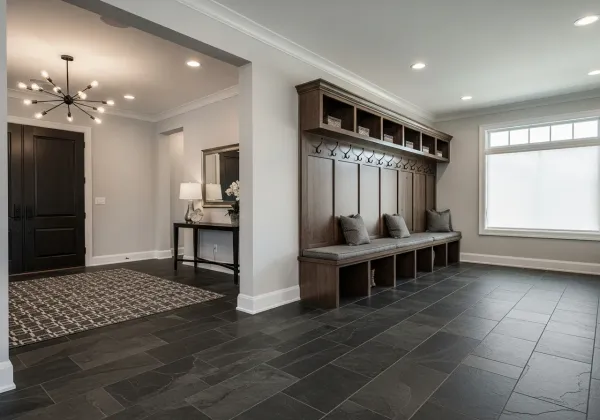
Slate-look porcelain tile entryway and mudroom floor in a luxury West Michigan home
Entryway Floor Tile - Forest Hills, MI

Tile Floor Services We Offer

  • Large-format porcelain floor tile installation
  • Ceramic and porcelain floor tile for kitchens and laundry rooms
  • Natural stone floor tile — slate, travertine, marble, and limestone
  • Heated floor tile with radiant heat systems
  • Entryway and mudroom tile that handles heavy traffic and Michigan weather
  • Basement floor tile over concrete slabs
  • Kitchen floor and backsplash tile coordination
  • Tile-to-hardwood transition strips and thresholds
  • Subfloor leveling and preparation for flawless results
  • Grout color matching and custom grout joints

Our Tile Floor Installation Process

1

Consultation & Measurement

We assess your subfloor conditions, measure the space, and discuss tile styles, sizes, and layout patterns that fit your home and lifestyle.

2

Subfloor Preparation

We level uneven surfaces with self-leveling compound, install cement backer board or uncoupling membrane where needed, and prepare a perfectly flat substrate for your tile.

3

Tile Layout & Installation

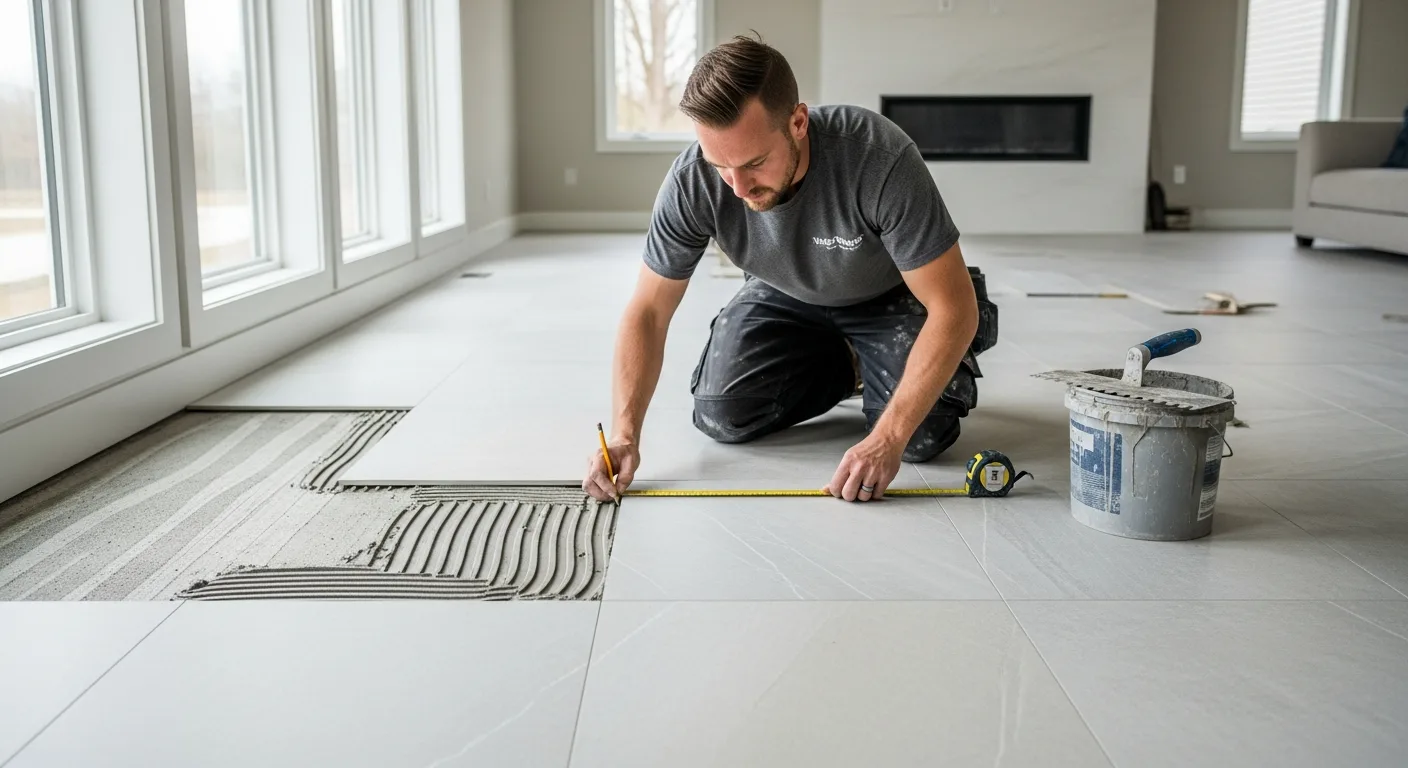
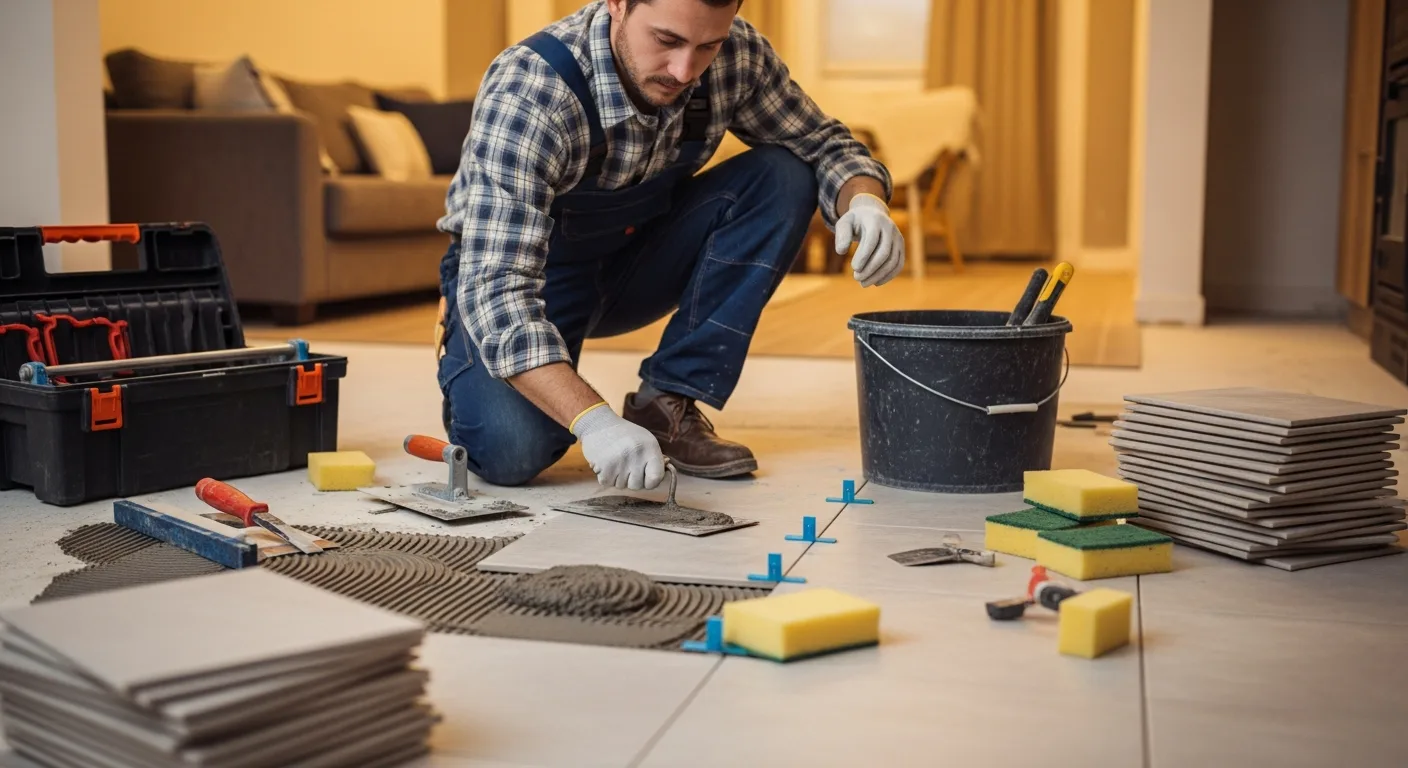
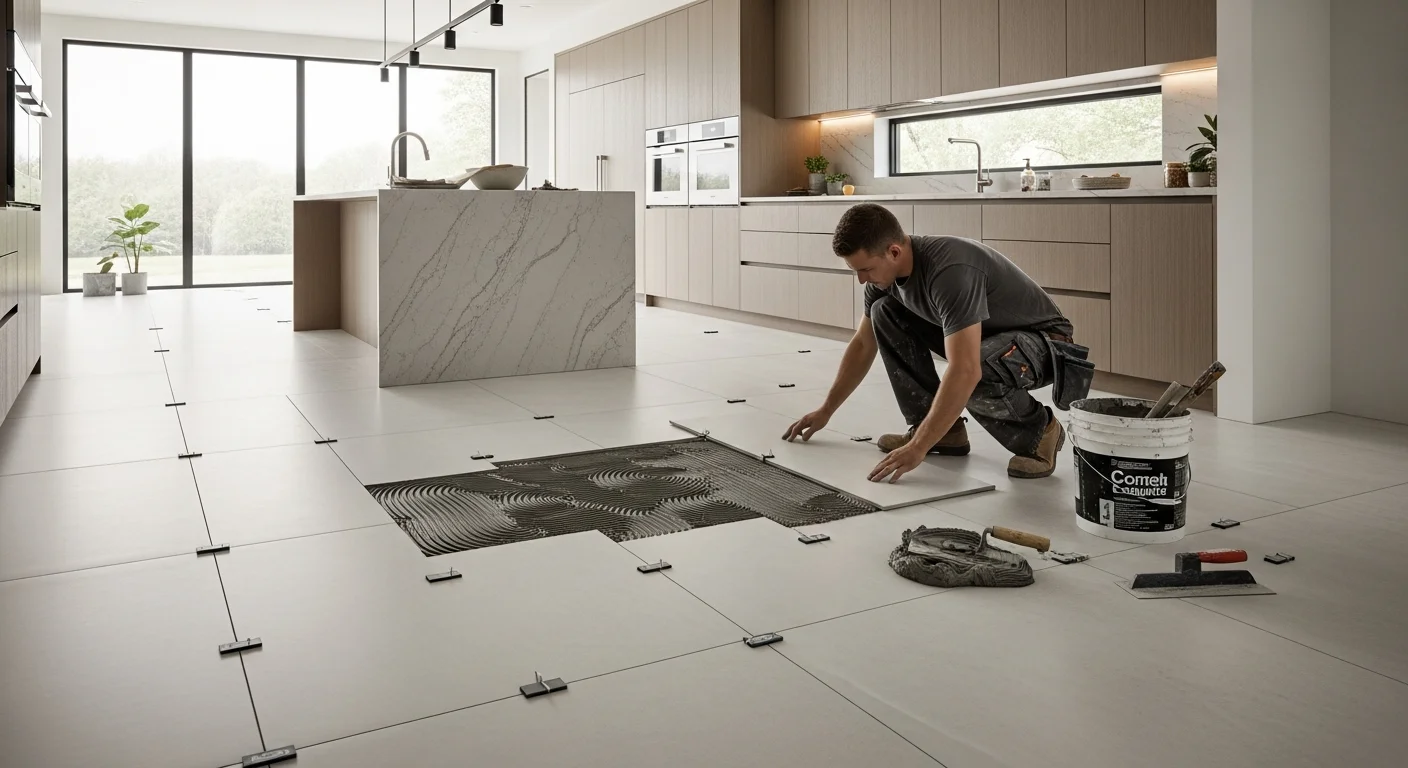
We dry-lay the pattern first to verify alignment and minimize cuts. Then we set each tile with the proper thinset, maintaining consistent spacing with precision spacers.

4

Grouting & Sealing

We apply grout in your chosen color, clean the tile surface, and seal grout lines to protect against staining.

Benefits of Professional Tile Floor Installation

Ranked among the strongest home improvements for resale appeal
Outlasts hardwood, laminate, and vinyl by decades in high-traffic areas
Year-round installation — indoor work unaffected by weather
Compatible with radiant floor heating for warm, comfortable floors
Scratch-resistant and easy to clean — ideal for kitchens and entryways
Large-format tile options for a modern, seamless look
Proper subfloor leveling for crack-free, long-lasting results
Zero maintenance compared to annual hardwood refinishing
Coordinates with backsplash and accent wall tile for a cohesive design
Licensed, bonded, and fully insured

Need Professional Help?

If you've identified masonry issues or need a professional inspection, we're here to help. Adam Baker Masonry serves Grand Rapids and the surrounding 50-mile area.

Frequently Asked Questions

What factors affect a tile floor installation?

Tile size, pattern complexity, and subfloor conditions all shape the project. Large-format tiles require a flatter substrate and more precise installation, but the result is a cleaner, modern look with fewer grout lines. We assess your subfloor and provide a detailed estimate during a free consultation.

Is tile flooring a good investment for resale value?

Yes. Quality tile flooring is widely seen as one of the strongest interior upgrades for resale appeal. In kitchens and entryways — the first rooms buyers notice — tile is one of the strongest selling points. It also outlasts less durable materials by years, avoiding repeated replacement.

Can tile floors be installed year-round?

Yes. Tile floor installation is entirely an indoor project. Thinset mortar and grout cure best at normal indoor room temperatures, so weather is never a factor.

What is the best type of tile for kitchen floors?

Porcelain tile is the best choice for kitchen floors. It absorbs almost no water, resists scratches from dropped utensils, and handles heavy foot traffic without showing wear. We recommend matte or textured finishes for slip resistance. Combined with a matching backsplash, porcelain gives your kitchen a clean, unified look.

How long do tile floors last?

A properly installed tile floor lasts for decades with minimal maintenance, often outlasting hardwood, laminate, and luxury vinyl plank by a wide margin. The key to longevity is proper substrate preparation and correct thinset application — both areas where professional installation makes a major difference.

Do you install radiant heat under tile floors?

Yes. Tile is the best flooring material for radiant heat systems because it conducts warmth efficiently. We install electric radiant heat mats under tile in kitchens, entryways, and living areas. The warm tile underfoot is especially appreciated during Michigan winters.

What tile works best for entryways and mudrooms?

Textured porcelain tile with a matte or grip finish is the best choice for entryways and mudrooms. It handles wet boots, rock salt, and daily traffic without scratching or becoming slippery. We install slip-resistant tile in these high-traffic areas throughout Grand Rapids and West Michigan.

Can tile floors be installed over existing concrete?

Yes — concrete is actually an ideal substrate for tile. We check the slab for levelness, cracks, and moisture issues first. If the concrete is uneven, we apply self-leveling compound before setting tile. This is especially common in basement floor tile projects throughout the Grand Rapids area.

Tile Floor Installation Service Areas

Serving West Michigan communities with expert tile floor installation services