What does mortar do between bricks anyway?
Mortar is the part of a brick or stone wall that does most of the actual work. It bonds the units into one continuous structure, distributes load from the top of the wall down through the bottom, and keeps water out of the assembly. As long as the mortar is sound, the wall is sound. The moment mortar starts breaking down, every other problem in the wall — water infiltration, loose units, structural movement — gets a head start.
How do you know your mortar is starting to fail?
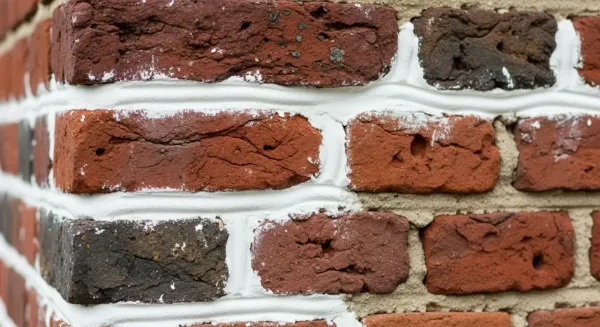
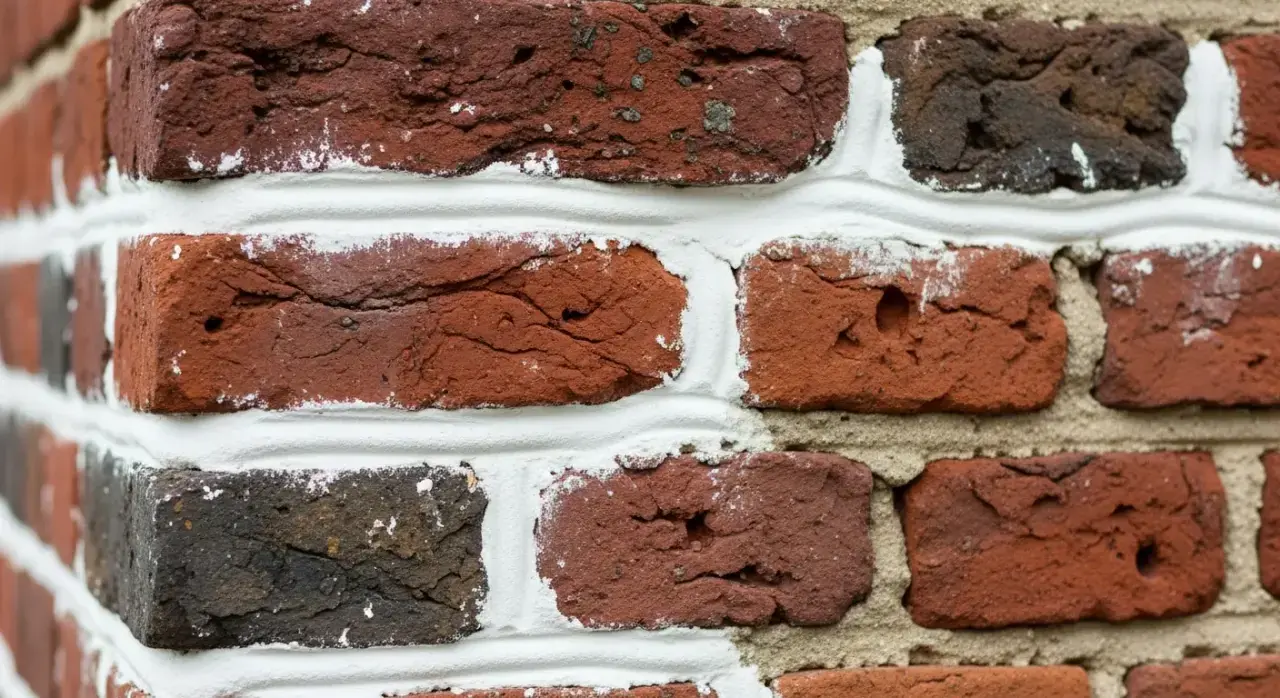
Most homeowners notice failing mortar one of three ways. They see sandy or gritty residue at the base of an exterior wall after a rain. They notice white powdery efflorescence streaking down the face of the brick. Or they spot visible gaps between the bricks where the joint should be solid. Any of those means water has started getting into the wall and the joint is no longer doing its job.
How do masons remove and replace bad mortar?
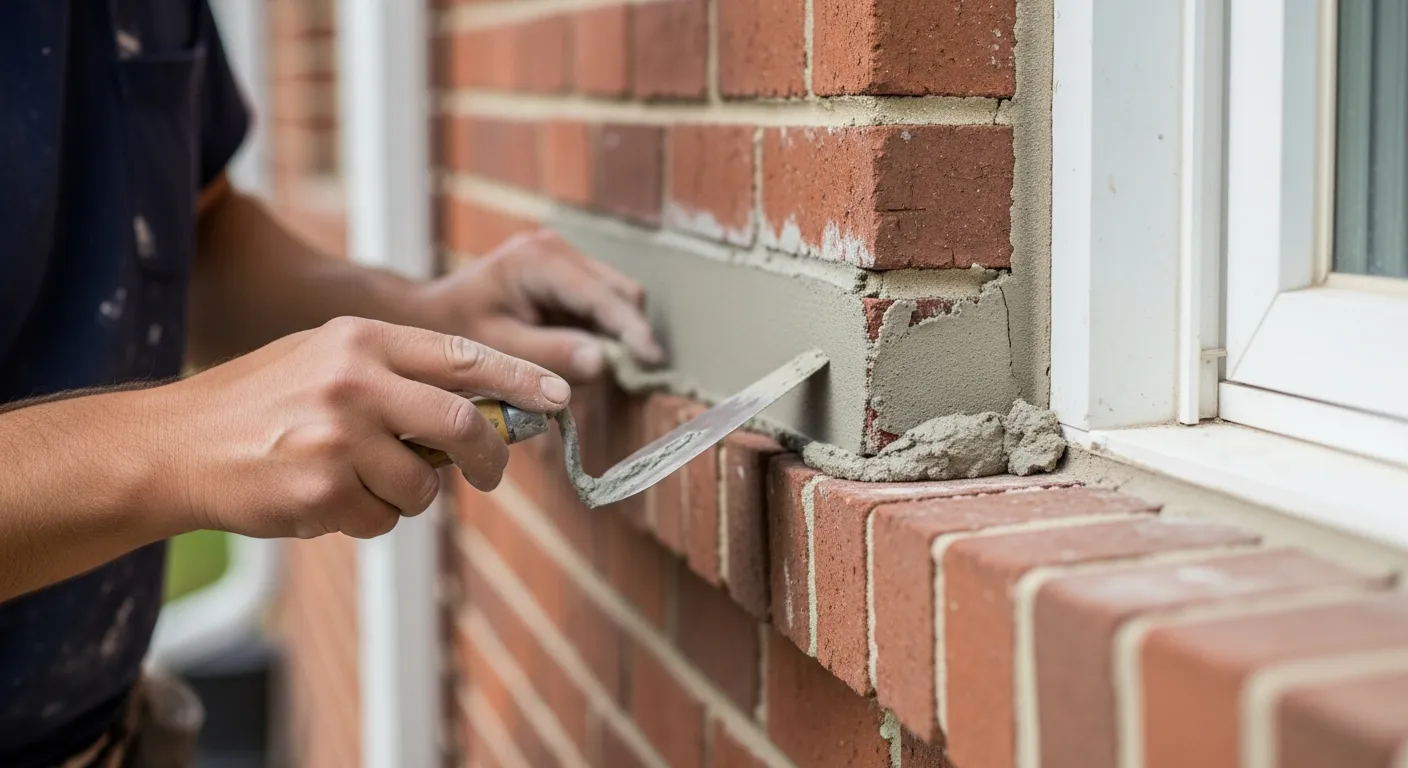
Repairing mortar — also called repointing or tuckpointing — starts with grinding out the failed joint to the right depth, brushing the cavity clean, and dampening the surface so the new mortar bonds correctly. Then we pack in fresh mortar matched to the original in both color and strength, tool the joint to the right profile, and let it cure properly. Done right, the new joint blends in with the existing wall and lasts for decades.
How often does mortar need to be repaired in Michigan?
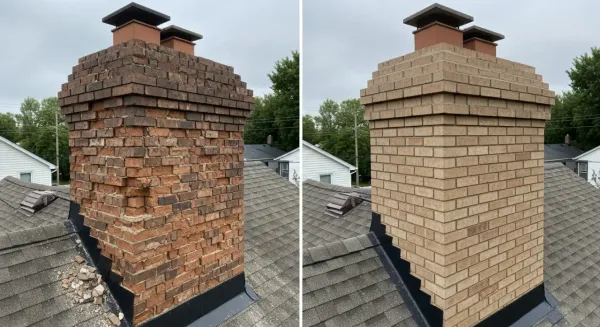
Well-installed mortar in a sheltered spot can run for many decades before it needs work. The exposed parts of a building — chimneys, parapets, south-facing walls, anything near a downspout or splash zone — usually need attention much sooner because they cycle through more freeze-thaw and direct weather. Most West Michigan homes end up needing some mortar work decades into their life, with chimneys typically running ahead of the rest of the house.
Don't wait until small mortar problems turn into structural ones. Call Adam Baker Masonry at (616) 612-1284 for a free mortar inspection. We'll walk the building with you, point out what really needs work, and give you an honest assessment.