
Built-In Grill Stations: Upgrading from a Standalone Grill
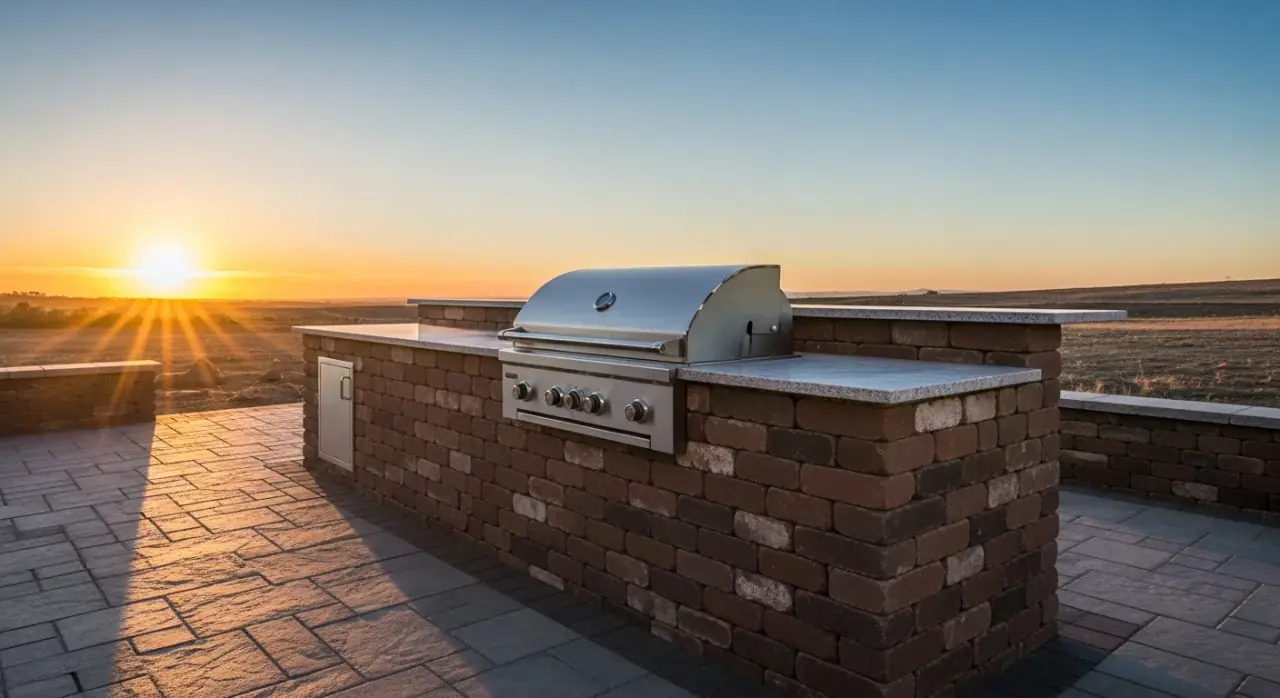
Why upgrade to a built-in grill station?
Upgrading from a standalone grill to a built-in grill station is one of the most popular outdoor living improvements in West Michigan. A built-in station provides more counter space, better storage, and a polished look that transforms your patio into an outdoor kitchen. Explore all our outdoor kitchen options to find the right fit for your space.
What are the advantages over a standalone grill?
The advantages over a standalone grill are significant. Built-in stations offer permanent, weatherproof storage for tools and accessories. Counter space on both sides of the grill makes food prep and plating effortless. The masonry structure protects the grill from wind, improving heat control and cooking performance.
Why Upgrade From a Standalone Grill?
The advantages over a standalone grill are significant. Built-in stations offer permanent, weatherproof storage for tools and accessories. Counter space on both sides of the grill makes food prep and plating effortless. The masonry structure protects the grill from wind, improving heat control and cooking performance.
What Finish Options Should I Consider?
Finish options set your grill station apart. Stone veneer is the most popular choice, offering dozens of colors and textures that complement your home. Stucco, brick, and tile are also excellent alternatives depending on your home's style and your personal taste.
What countertop should I choose?
Countertop materials for grill stations include granite, concrete, and porcelain. Granite is the most popular because it handles heat from the grill without scorching. Plan for at least 18 inches of counter space on each side of the grill cutout for comfortable food preparation.
How Big Should My Grill Station Be?
Size planning is important. A basic grill station runs 6-8 feet wide and provides space for the grill, counter, and a small storage cabinet. Larger stations at 10-14 feet can include side burners, warming drawers, and additional storage. For a complete planning guide, read our article on outdoor kitchen planning.
What utility connections do I need?
Utility connections make the biggest difference in usability. A gas line eliminates the hassle of propane tanks. An electrical connection powers lighting and accessories. These should be planned during the design phase and installed by licensed professionals.
Choosing the right materials for Michigan's climate is essential. Read our stone material comparison to understand which options perform best through our freeze-thaw cycles. Proper material selection and installation mean your grill station will last for decades.
Browse our portfolio for completed grill station projects across Grand Rapids and West Michigan, then contact us to schedule a free design consultation for your backyard.
Frequently Asked Questions
Why upgrade to a built-in grill station?
Built-in stations offer permanent, weatherproof storage for tools and accessories. Counter space on both sides of the grill makes food prep effortless. The masonry structure also protects the grill from wind, improving heat control and cooking performance.
What size grill station should I plan for?
A basic grill station runs 6 to 8 feet wide with space for the grill, counter, and a small storage cabinet. Larger stations at 10 to 14 feet can include side burners, warming drawers, and additional storage.
Which countertop holds up best at a grill station?
Granite is the most popular choice because it handles heat from the grill without scorching. Concrete and porcelain are also durable options. Plan for at least 18 inches of counter space on each side of the grill.
Need Professional Help?
If you've identified masonry issues or need a professional inspection, we're here to help. Adam Baker Masonry serves Grand Rapids and the surrounding 50-mile area.
Related Articles
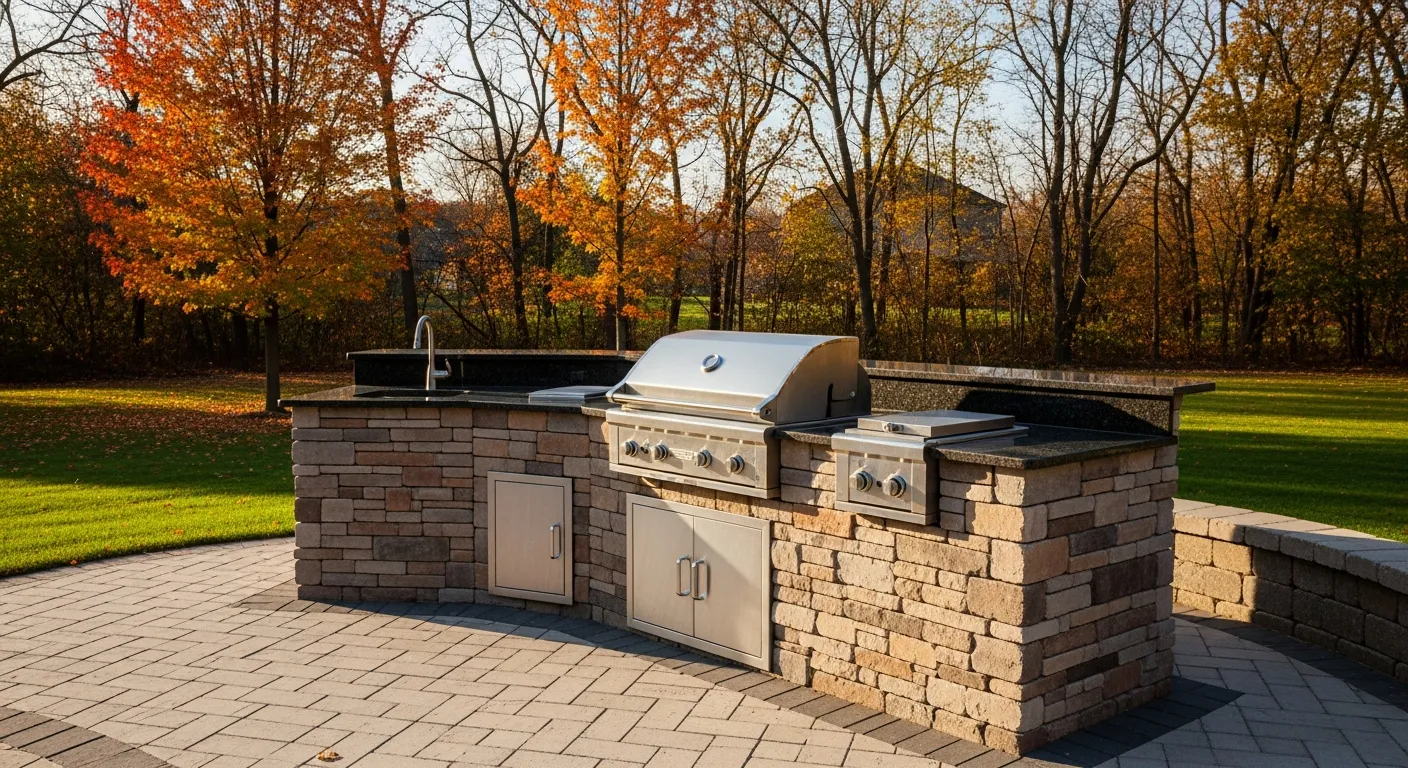
What Goes Into Building an Outdoor Kitchen in Michigan?
Outdoor kitchens range from simple grill surrounds to fully-equipped cooking stations. Here is what drives the scope of a project and what to consider in West Michigan.
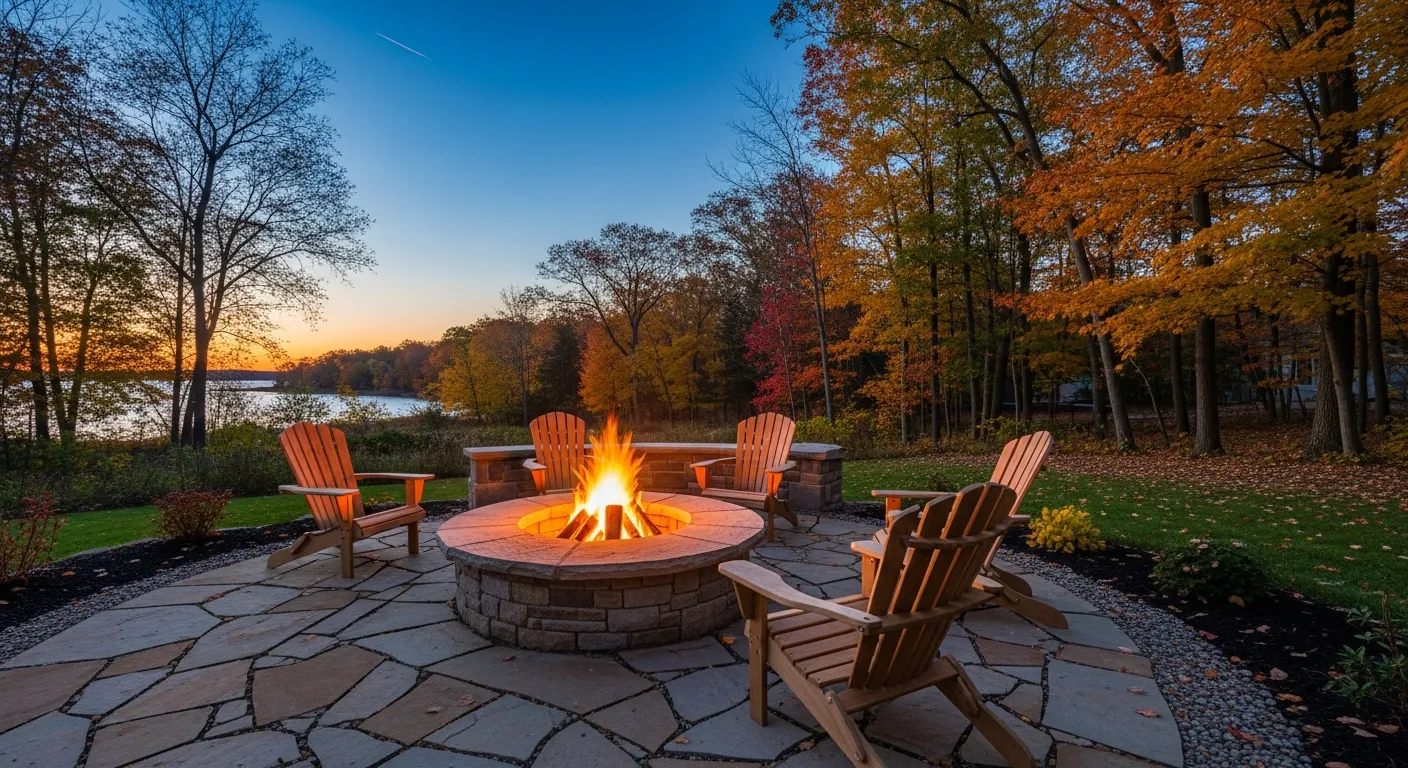
What to Consider When Building a Stone Fire Pit
A stone fire pit creates the perfect gathering spot in your Michigan backyard. Here is what goes into the project and the decisions you will need to make.
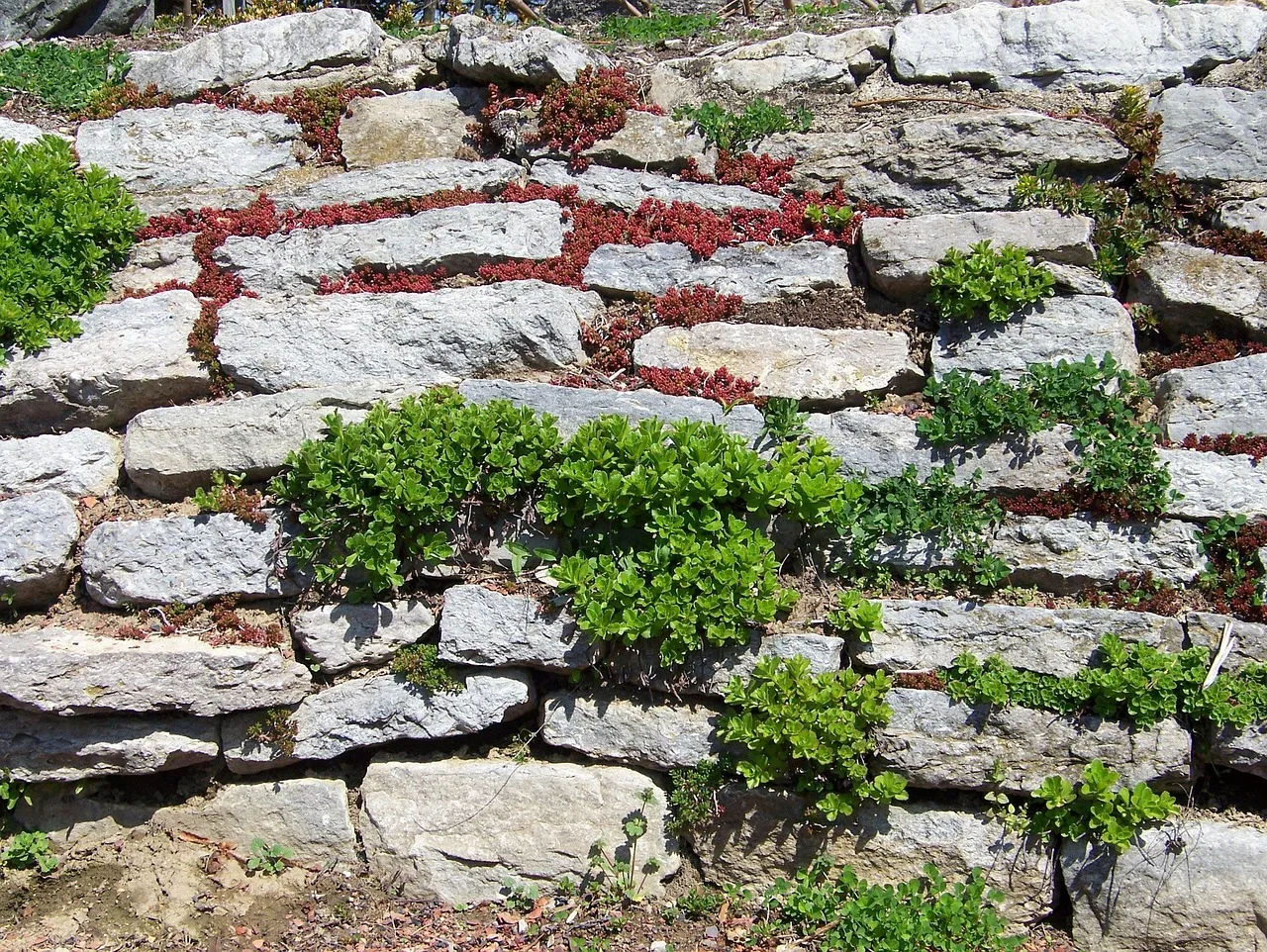
Retaining Wall Options: Which Type Is Right for Your Michigan Yard?
From decorative garden walls to engineered structural solutions, learn about the different types of retaining walls and which works best for your property.