
Fireplace Resurfacing: Materials, Process, and What to Expect
What does fireplace resurfacing involve?
Fireplace resurfacing depends on the material you pick and the size of your surround. The options range from tile for a clean modern look to natural stone for a one-of-a-kind statement. Below is a breakdown of the material options so you know what to consider before calling for a consultation.
Is ceramic or porcelain tile a good option?
Ceramic or porcelain tile is a popular resurfacing option. Subway tile, marble-look porcelain, and large-format tiles are all popular picks in our area. Tile works well for homeowners who want a clean, modern look. Installation usually takes one to two days.
Which Materials Can I Use to Resurface?
Ceramic or porcelain tile is a popular resurfacing option. Subway tile, marble-look porcelain, and large-format tiles are all popular picks in our area. Tile works well for homeowners who want a clean, modern look. Installation usually takes one to two days.
Why Is Manufactured Stone Veneer the Top Choice?
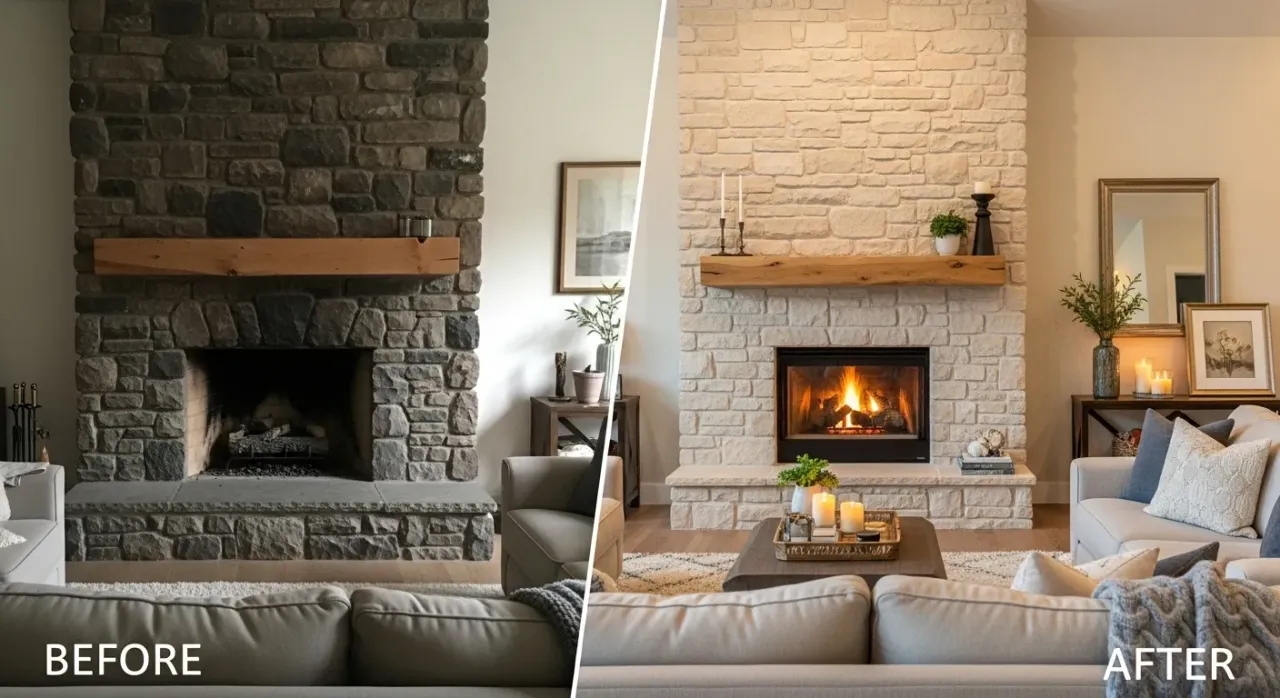
Manufactured stone veneer is the most common choice we install. Brands like Eldorado, Coronado, and Boral offer dozens of colors and textures that mimic real fieldstone, ledgestone, and river rock. The material is lighter than natural stone, so it bonds well to existing brick without extra structural support. Most veneer projects take two to three days. Our fireplace refacing services handle the entire process from material selection to final sealing.
How does natural stone compare?
Natural stone resurfacing uses materials like stacked ledgestone, quartzite, and travertine. Natural stone has a look and feel that manufactured products cannot fully replicate. Each piece is unique, so the finished product has real character. The tradeoff is heavier material and slightly longer installation time.
What is thin brick veneer?
Thin brick veneer gives you a classic brick look. If your existing brick surround is dated or damaged but you still want a brick finish, thin brick veneer is a smart option. It goes right over the old surface. You get a fresh, uniform brick face without demolition. Colors range from traditional red to whitewashed and gray tones that work with modern interiors.
Are marble or granite slabs a good fit?
Marble or granite slab resurfacing gives your fireplace an upscale, sleek appearance. This option works especially well in kitchens, master bedrooms, and formal living rooms. Slabs are cut to fit your exact dimensions, so seams are minimal.
What's Floor-to-Ceiling Resurfacing?
Floor-to-ceiling resurfacing extends the stone or tile from the hearth all the way to the ceiling, creating a dramatic wall feature. It turns a basic fireplace into the centerpiece of the room. This upgrade is especially popular in homes with tall ceilings where a small surround looks out of proportion.
Should I resurface the hearth too?
Hearth resurfacing is a common addition. Many homeowners choose to resurface the hearth to match the new surround. We can install matching stone, tile, or a contrasting material like a natural wood shelf. Replacing a raised hearth with a flush hearth is also possible.
What factors affect project scope?
Several factors affect the scope of a resurfacing project. Larger surrounds require more material and labor. Unusual layouts, arched openings, or built-in shelving add complexity. Surface prep matters too. If the existing brick is damaged or uneven, we may need to apply a scratch coat before the new material can bond properly.
Is resurfacing really worth it?
Is resurfacing worth it? A dated fireplace drags down the feel of the entire room. Updated fireplaces are one of the features buyers look for most in West Michigan. And if you are staying in your home, you get to enjoy the result every single day. Winter is a great time to reface because it is indoor work that does not depend on weather. Many homeowners combine a fireplace reface with indoor stone veneer accents or basement stone features to make the most of the season. For a look at broader remodel options, check out our fireplace remodel guide.
Want to know exactly what your fireplace project involves? Call Adam Baker Masonry at (616) 612-1284 or request a free estimate. We visit your home, measure your surround, show you material samples in your actual lighting, and leave you with a written estimate the same day. No surprises.
Frequently Asked Questions
Which materials work best for fireplace resurfacing?
Ceramic or porcelain tile, manufactured stone veneer, natural stone, thin brick veneer, and marble or granite slab are all popular choices. Manufactured stone veneer is the most common because it bonds well to existing brick without extra structural support.
How long does fireplace resurfacing take?
Tile installation usually takes one to two days. Manufactured stone veneer projects take two to three days. Natural stone takes slightly longer due to heavier material handling.
Can I resurface over my existing brick?
Yes. Most resurfacing materials including thin brick veneer, manufactured stone veneer, and tile can be installed right over existing brick after appropriate surface preparation. If the existing brick is damaged or uneven, a scratch coat may be needed first.
Need Professional Help?
If you've identified masonry issues or need a professional inspection, we're here to help. Adam Baker Masonry serves Grand Rapids and the surrounding 50-mile area.
Related Articles
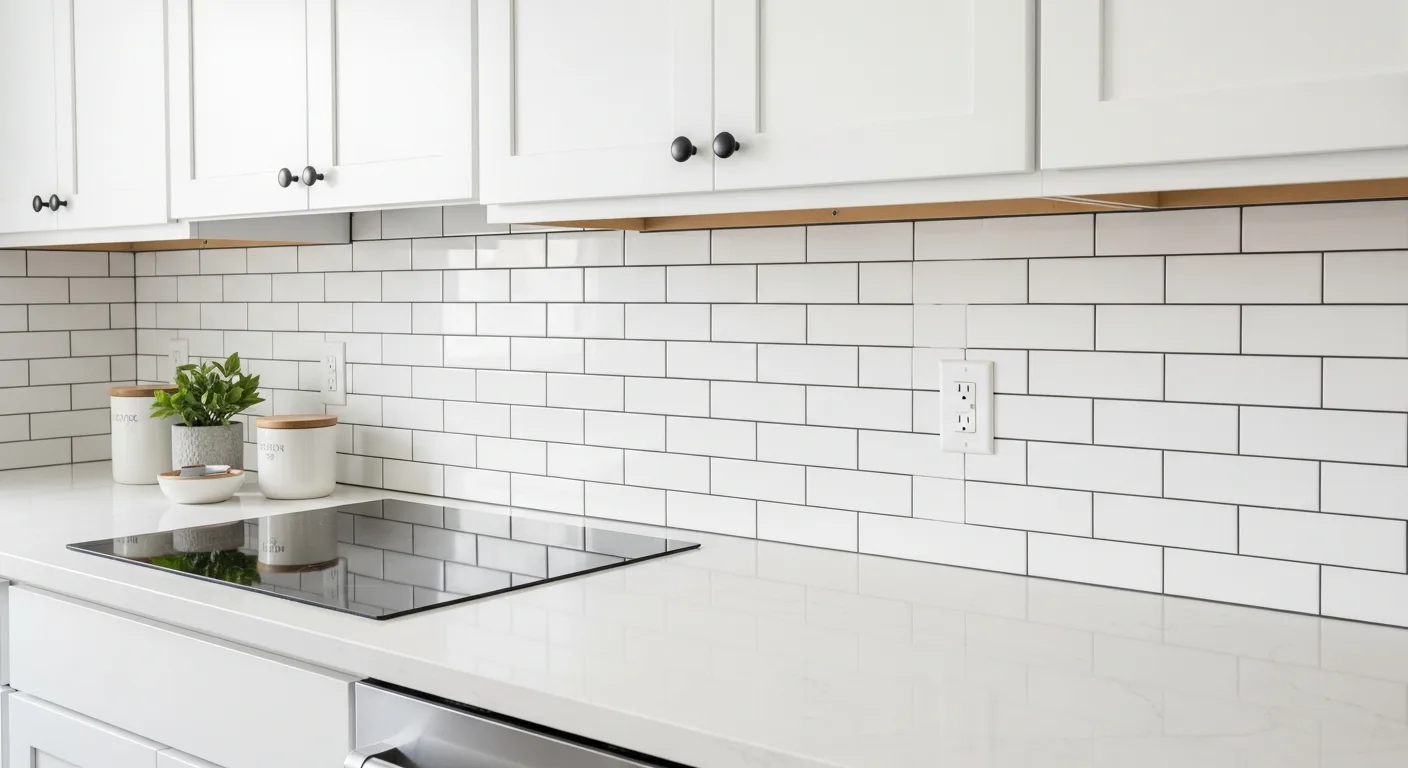
Can You Install a Backsplash Directly on Drywall?
In most kitchens, yes — standard tile goes right over sound drywall. The answer changes when the wall is painted glossy, damaged, or you have picked a heavy natural stone. Here is how to tell which situation you are in.
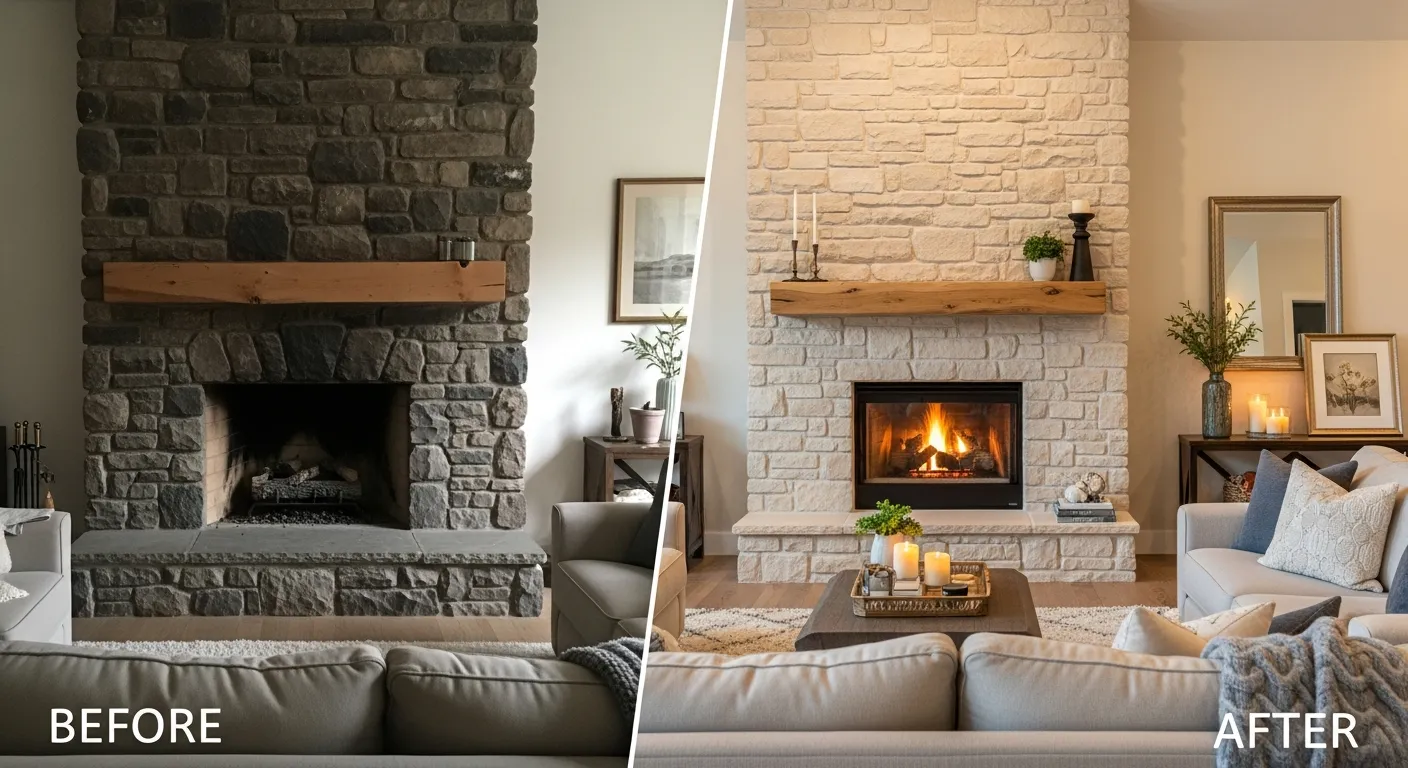
Fireplace Remodel in Michigan: Options and What to Expect
From a simple mantel update to a full stone surround transformation, here is what goes into a fireplace remodel in West Michigan.
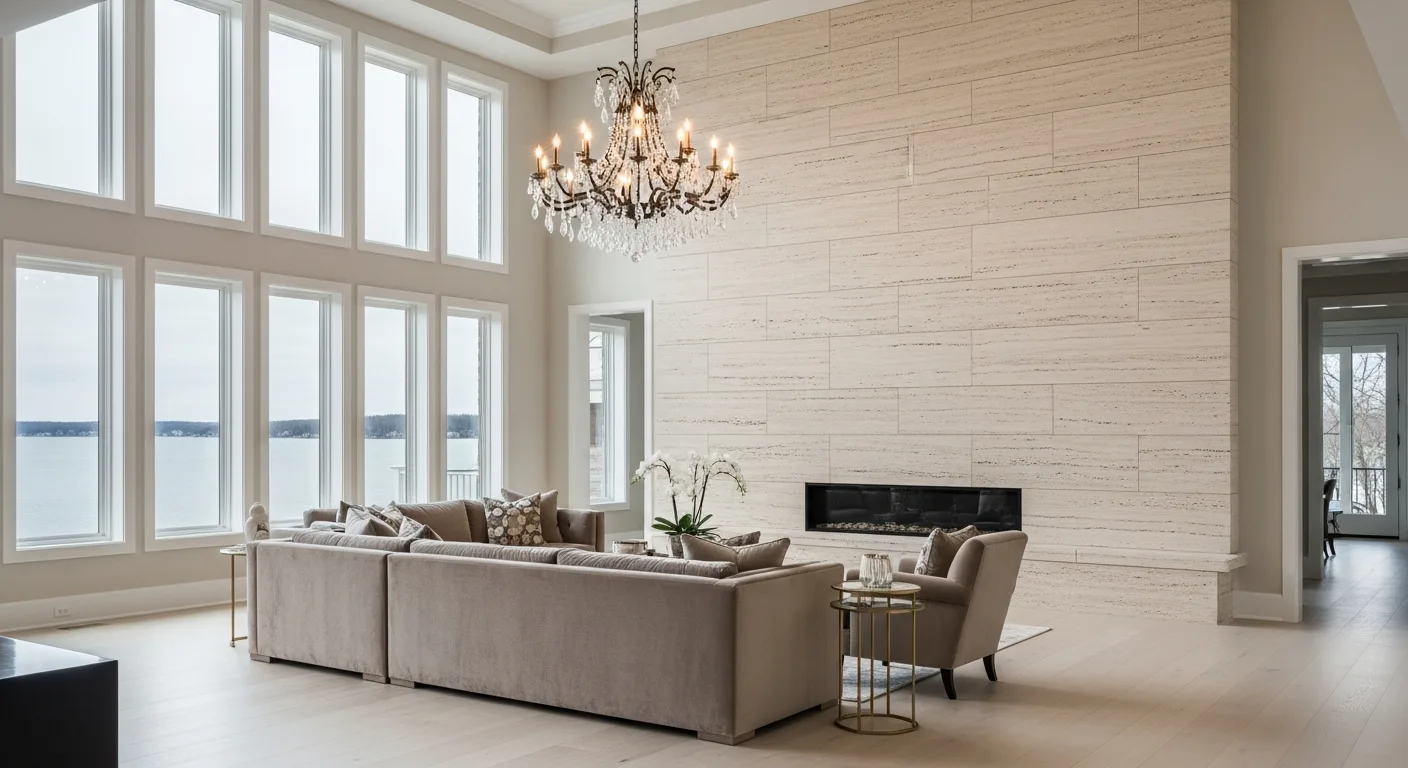
Indoor Stone Veneer Accent Wall Ideas for Michigan Homes
Looking for stone accent wall inspiration? Explore design ideas for every room in your home, from rustic farmhouse to sleek modern styles popular across West Michigan.