
Outdoor Kitchen Countertop Options: Which Materials Last and Add Value?
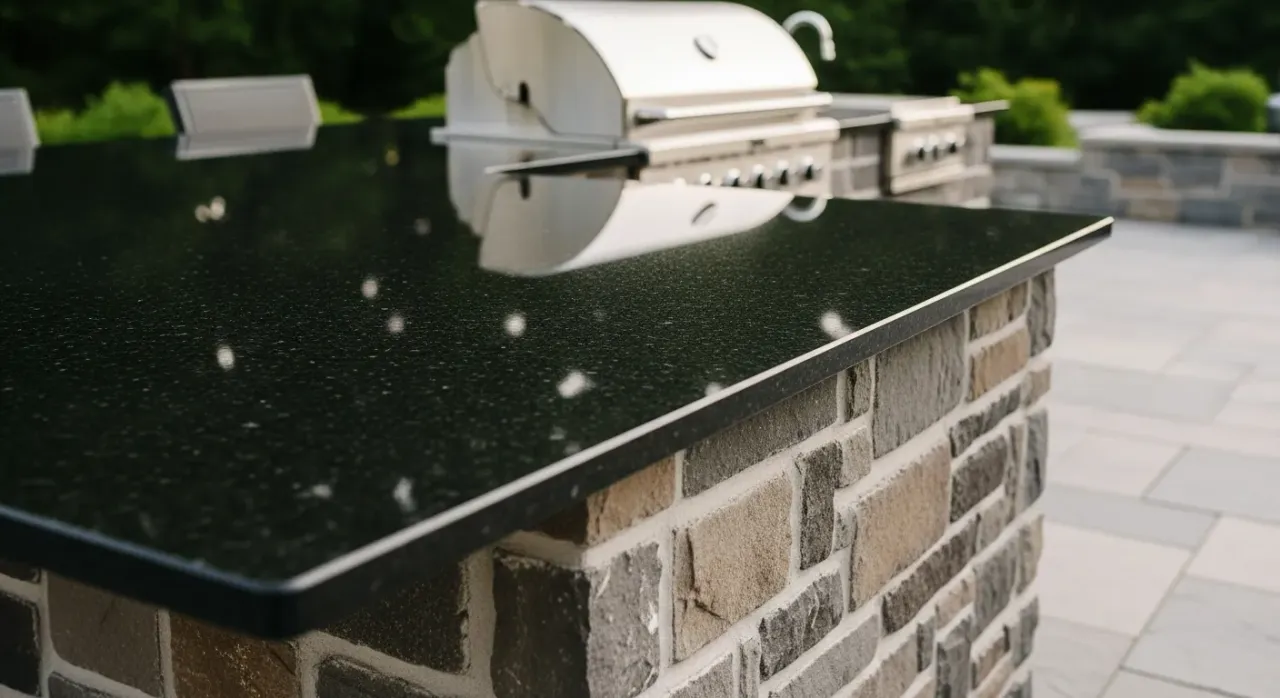
Why does the countertop choice matter outdoors?
Your countertop choice affects everything from the daily usability of your outdoor kitchen to how appraisers value it at resale. In Michigan, where surfaces endure freeze-thaw cycles, UV exposure, rain, and snow, not every countertop material is a good fit. Our outdoor kitchen services team has installed every major countertop material and can share honest performance data from years of real-world Michigan use.
Why is granite still the gold standard?
Granite remains the gold standard for outdoor kitchens in West Michigan. It handles freeze-thaw cycles exceptionally well when properly sealed, resists heat from hot pots and pans, and comes in a wide range of colors and patterns. Appraisers consistently rate granite as the highest-value countertop material for outdoor use. Annual resealing is recommended to maintain stain resistance and moisture protection.
What about soapstone?
Soapstone is an excellent alternative that many Michigan homeowners overlook. It is naturally non-porous, so it does not require sealing and handles freeze-thaw cycles without cracking. Soapstone develops a beautiful patina over time and is highly heat resistant. The limited color range (primarily gray to charcoal) may not suit every design, but it pairs beautifully with stone veneer in similar tones.
Why Is Granite the Top Choice?
Granite remains the gold standard for outdoor kitchens in West Michigan. It handles freeze-thaw cycles exceptionally well when properly sealed, resists heat from hot pots and pans, and comes in a wide range of colors and patterns. Appraisers consistently rate granite as the highest-value countertop material for outdoor use. Annual resealing is recommended to maintain stain resistance and moisture protection.
What About Soapstone and Quartzite?
Soapstone is an excellent alternative that many Michigan homeowners overlook. It is naturally non-porous, so it does not require sealing and handles freeze-thaw cycles without cracking. Soapstone develops a beautiful patina over time and is highly heat resistant. The limited color range (primarily gray to charcoal) may not suit every design, but it pairs beautifully with stone veneer in similar tones.
Are Concrete Countertops a Good Fit?
Concrete countertops offer unlimited customization in color, shape, and edge profile. They can be cast in any dimension and integrate features like built-in trivets or drain boards. However, concrete requires regular sealing in Michigan's climate and is prone to hairline cracking over time due to thermal expansion. Concrete works best for homeowners who appreciate a rustic or industrial aesthetic and are willing to maintain the surface.
What is quartzite, and is it different from quartz?
Quartzite is a natural stone that should not be confused with engineered quartz, which is not suitable for outdoor use. Natural quartzite is extremely hard and durable, handles UV exposure without fading, and performs well through freeze-thaw cycles. It is available in striking patterns with veining similar to marble. It is an excellent choice for homeowners who want a luxurious look with superior outdoor durability.
Are tile and bluestone good choices?
Tile and bluestone are more accessible options. Porcelain tile rated for outdoor use handles Michigan weather well and comes in countless styles. Bluestone provides a classic, natural look that complements traditional home architecture. Both options require attention to grout lines, which can crack during freeze-thaw cycles if not properly installed with flexible, polymer-modified grout. For more on material selection, read our guide on best stone for outdoor kitchens.
When choosing a countertop, consider how it fits your overall outdoor kitchen plan. Choosing a durable, high-quality material like granite or quartzite means less maintenance and lasting beauty. Settling for a less durable countertop surface is one of the most common regrets we hear from homeowners.
Need help selecting the right countertop for your Michigan outdoor kitchen? Contact us and we will bring material samples to your home so you can see how each option looks alongside your existing architecture and landscaping.
Frequently Asked Questions
What's the best countertop material for a Michigan outdoor kitchen?
Granite remains the gold standard for outdoor kitchens in West Michigan. It handles freeze-thaw cycles exceptionally well when properly sealed, resists heat from hot pots and pans, and comes in a wide range of colors and patterns.
Can I use engineered quartz outdoors?
No. Natural quartzite is excellent outdoors, but engineered quartz is not suitable for outdoor use. The two are often confused but perform very differently in UV exposure and freeze-thaw cycles.
Should I avoid any countertop materials outdoors?
Avoid porcelain or ceramic surfaces that can crack during freeze-thaw cycles, and avoid engineered quartz. For tile and bluestone, use flexible polymer-modified grout to prevent grout cracking.
Need Professional Help?
If you've identified masonry issues or need a professional inspection, we're here to help. Adam Baker Masonry serves Grand Rapids and the surrounding 50-mile area.
Related Articles
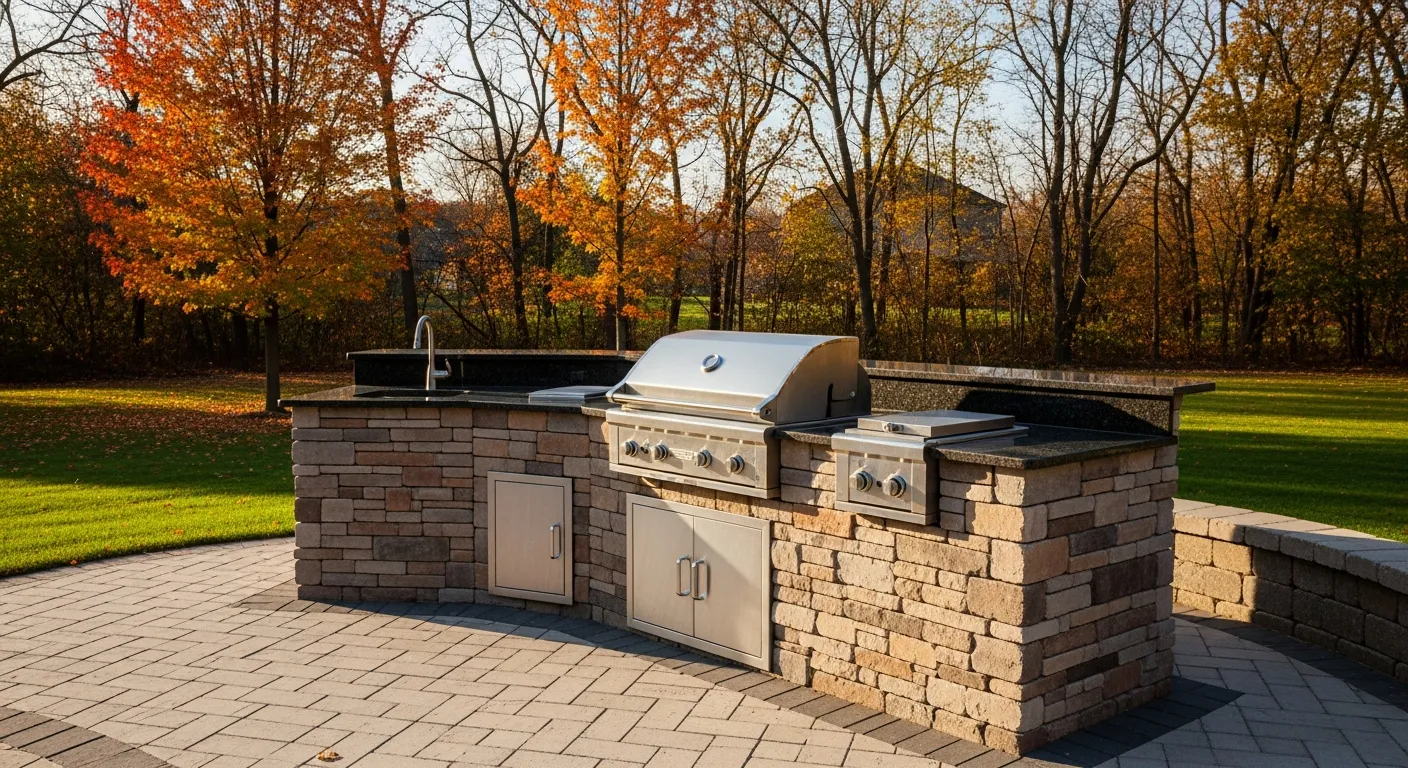
What Goes Into Building an Outdoor Kitchen in Michigan?
Outdoor kitchens range from simple grill surrounds to fully-equipped cooking stations. Here is what drives the scope of a project and what to consider in West Michigan.
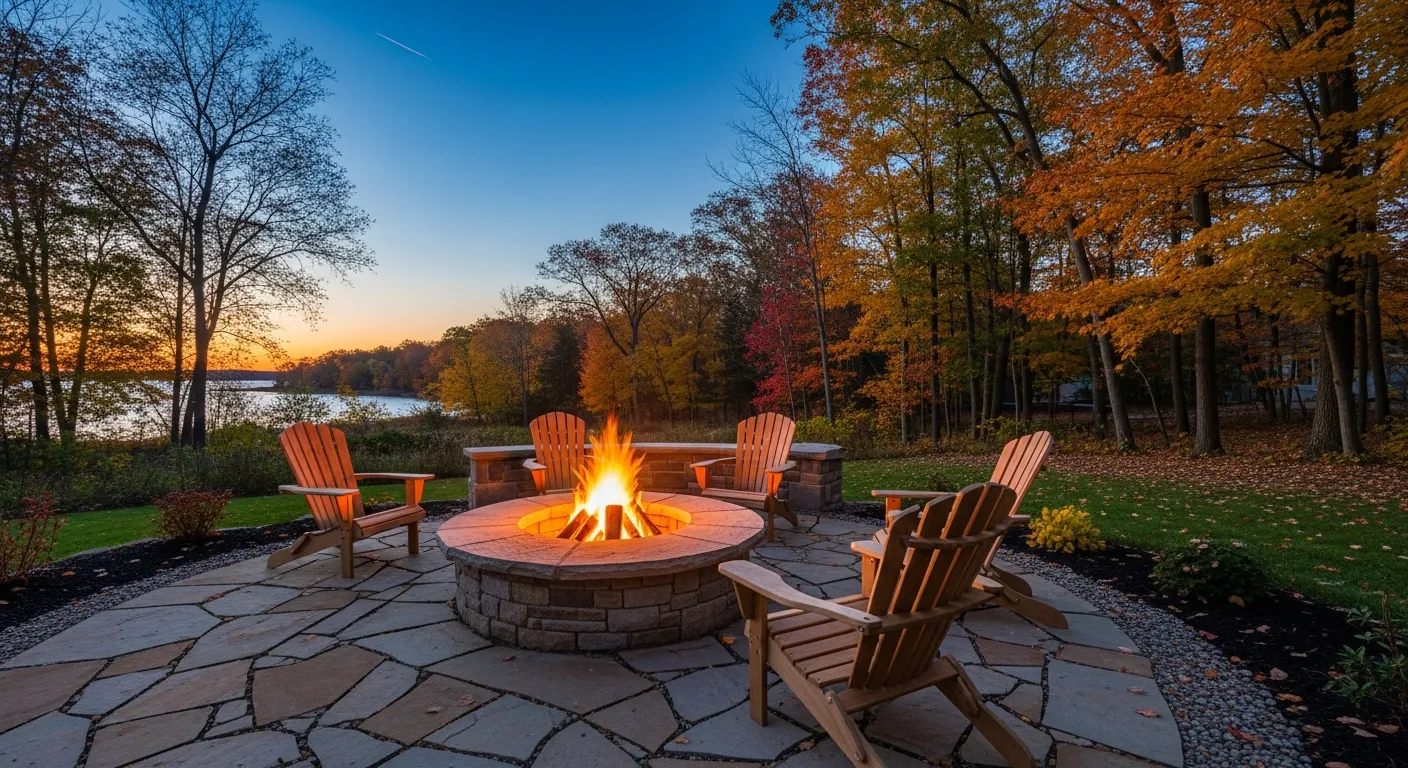
What to Consider When Building a Stone Fire Pit
A stone fire pit creates the perfect gathering spot in your Michigan backyard. Here is what goes into the project and the decisions you will need to make.
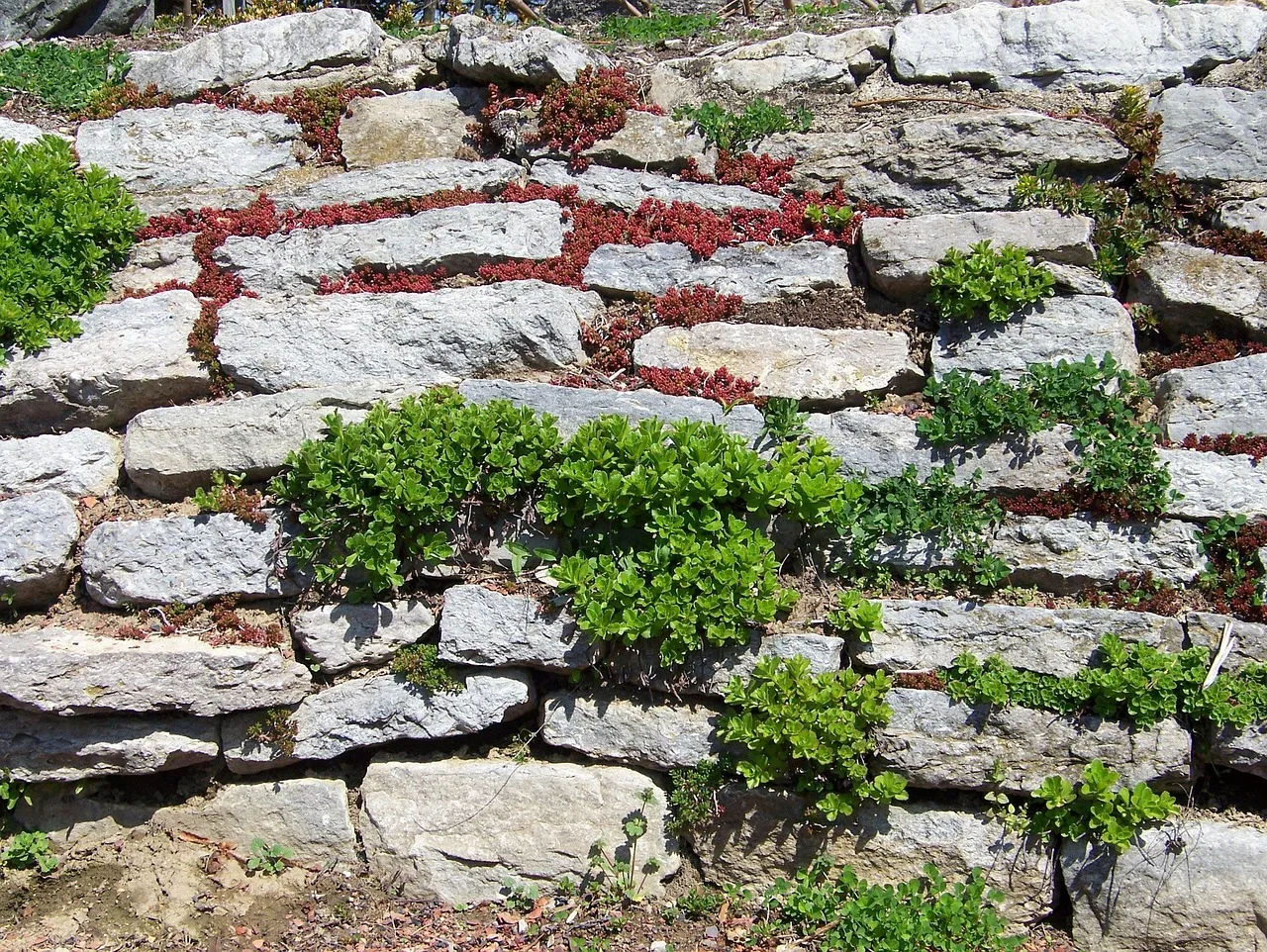
Retaining Wall Options: Which Type Is Right for Your Michigan Yard?
From decorative garden walls to engineered structural solutions, learn about the different types of retaining walls and which works best for your property.