
Designing an Outdoor Kitchen for Entertaining: Layout Tips That Actually Work
Why does layout matter so much for entertaining?
The difference between a great outdoor kitchen and a frustrating one almost always comes down to layout. Just as indoor kitchens rely on the work triangle between stove, sink, and refrigerator, outdoor kitchens need their own version: the grill, the sink, and the prep space. Keeping these three zones within a few steps of each other makes cooking efficient and enjoyable. Our outdoor kitchen services start every project with a detailed layout plan because getting this right is the foundation of everything else.
Where should I put the seating?
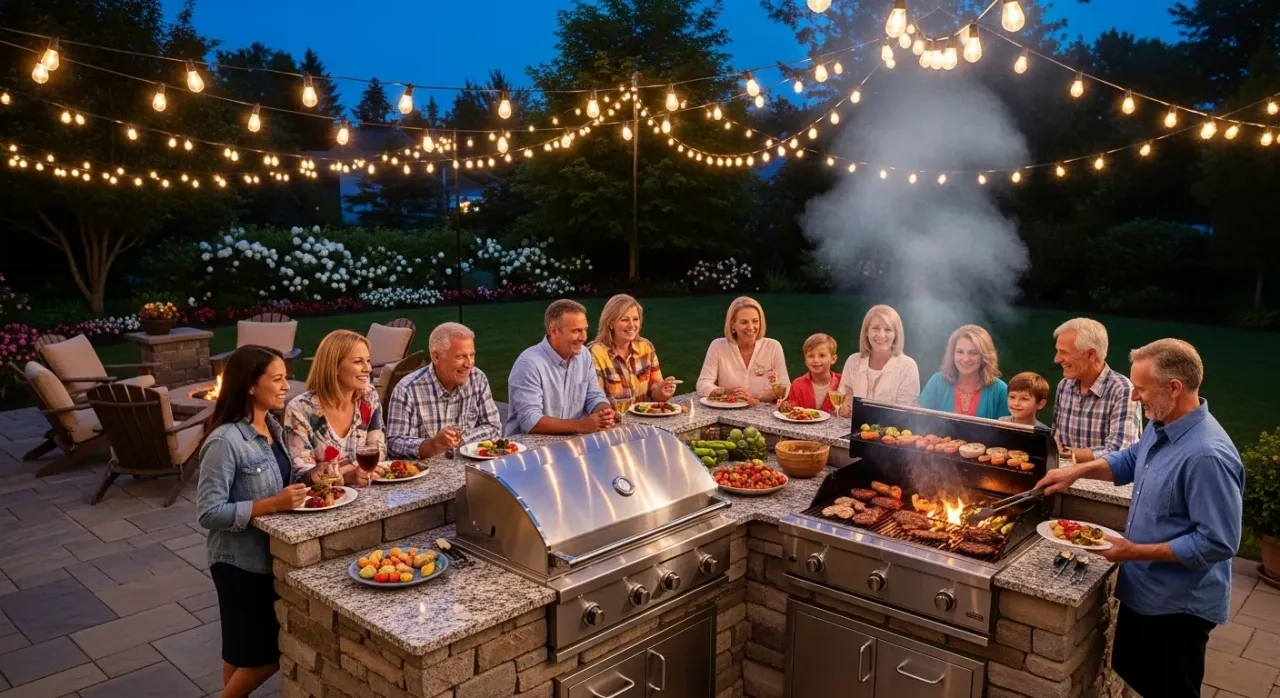
Seating placement is where entertaining layouts succeed or fail. Bar-height seating (42 inches) along one side of the kitchen island lets guests sit, chat, and watch the cook without getting in the way. Counter-height seating (36 inches) works better for dining. The best layouts include both: bar stools at the island for casual conversation and a separate dining area a few feet away for sit-down meals. Real estate agents consistently highlight seating for six or more as a key selling feature.
How do I keep traffic flow comfortable?
Traffic flow determines whether your outdoor kitchen feels spacious or cramped during a party. The cook needs a clear working zone of at least 36 inches behind the countertop, free from guest traffic. Position the main walkway to the yard, patio, or house so it passes near the kitchen without cutting through the cooking area. An L-shaped layout naturally creates this separation, while a U-shape gives the cook their own enclosed zone. Island layouts work best for open spaces where the cook wants to face guests directly.
Why Add Bar Seating?
Seating placement is where entertaining layouts succeed or fail. Bar-height seating (42 inches) along one side of the kitchen island lets guests sit, chat, and watch the cook without getting in the way. Counter-height seating (36 inches) works better for dining. The best layouts include both: bar stools at the island for casual conversation and a separate dining area a few feet away for sit-down meals. Real estate agents consistently highlight seating for six or more as a key selling feature.
How Should Traffic Flow?
Traffic flow determines whether your outdoor kitchen feels spacious or cramped during a party. The cook needs a clear working zone of at least 36 inches behind the countertop, free from guest traffic. Position the main walkway to the yard, patio, or house so it passes near the kitchen without cutting through the cooking area. An L-shaped layout naturally creates this separation, while a U-shape gives the cook their own enclosed zone. Island layouts work best for open spaces where the cook wants to face guests directly.
What's the #1 Layout Principle?
The stage concept is a design principle borrowed from professional kitchen design. Position the grill and primary cooking station so the cook faces outward toward the seating and gathering area. This transforms cooking from an isolated chore into a social performance. Guests naturally gravitate toward the action, and the cook remains part of the conversation. Stone veneer on the guest-facing side of the island creates a polished backdrop that photographs beautifully.
Which layout shape works best?
L-shape layouts are the most versatile option for Michigan backyards, offering good separation between cooking and seating with a compact footprint. U-shape layouts provide maximum counter space and storage but require more square footage. Straight-wall or single-line layouts work well against a house wall or fence and are the most space-efficient option. Each layout can be customized with a patio extension to define the entertainment area.
What entertainment-ready features should I add?
Entertainment-ready features go beyond the grill. A beverage station with a small refrigerator and ice maker keeps guests self-sufficient. A built-in sound system creates atmosphere. Shade structures like pergolas with retractable canopies extend usability during hot summer days and light rain. These features do not just make parties better — they make your home more appealing. Read our guide on outdoor kitchen home value to learn more.
How much landing space does the cook need?
When designing for entertaining, do not underestimate the value of a dedicated built-in grill station with plenty of landing space on both sides. The cook needs room to set down platters, tools, and ingredients without cluttering the prep area. A minimum of 18 inches of counter on each side of the grill is essential, and 24 inches is ideal.
Ready to design an outdoor kitchen that makes you the neighborhood's favorite host? Contact us for a free design consultation. We will walk your property, discuss your entertaining style, and create a layout that works for your space and your lifestyle.
Frequently Asked Questions
What's the most important outdoor kitchen layout principle for entertaining?
Make the cook part of the party. Position the grill so the chef faces guests rather than a wall, so conversation flows naturally and the cook isn't isolated.
Should I include bar seating?
Yes. Bar seating is one of the highest-impact additions for entertaining. Three to five bar stools along an extended counter create a natural gathering spot where guests can chat with the cook.
How wide should walkways around the kitchen be?
Plan for at least 4 feet of clearance behind the cook so guests can pass without bumping into the chef holding hot food. Avoid placing the kitchen so guests have to cross the cook's prep zone to reach drinks or seating.
Need Professional Help?
If you've identified masonry issues or need a professional inspection, we're here to help. Adam Baker Masonry serves Grand Rapids and the surrounding 50-mile area.
Related Articles
What Goes Into Building an Outdoor Kitchen in Michigan?
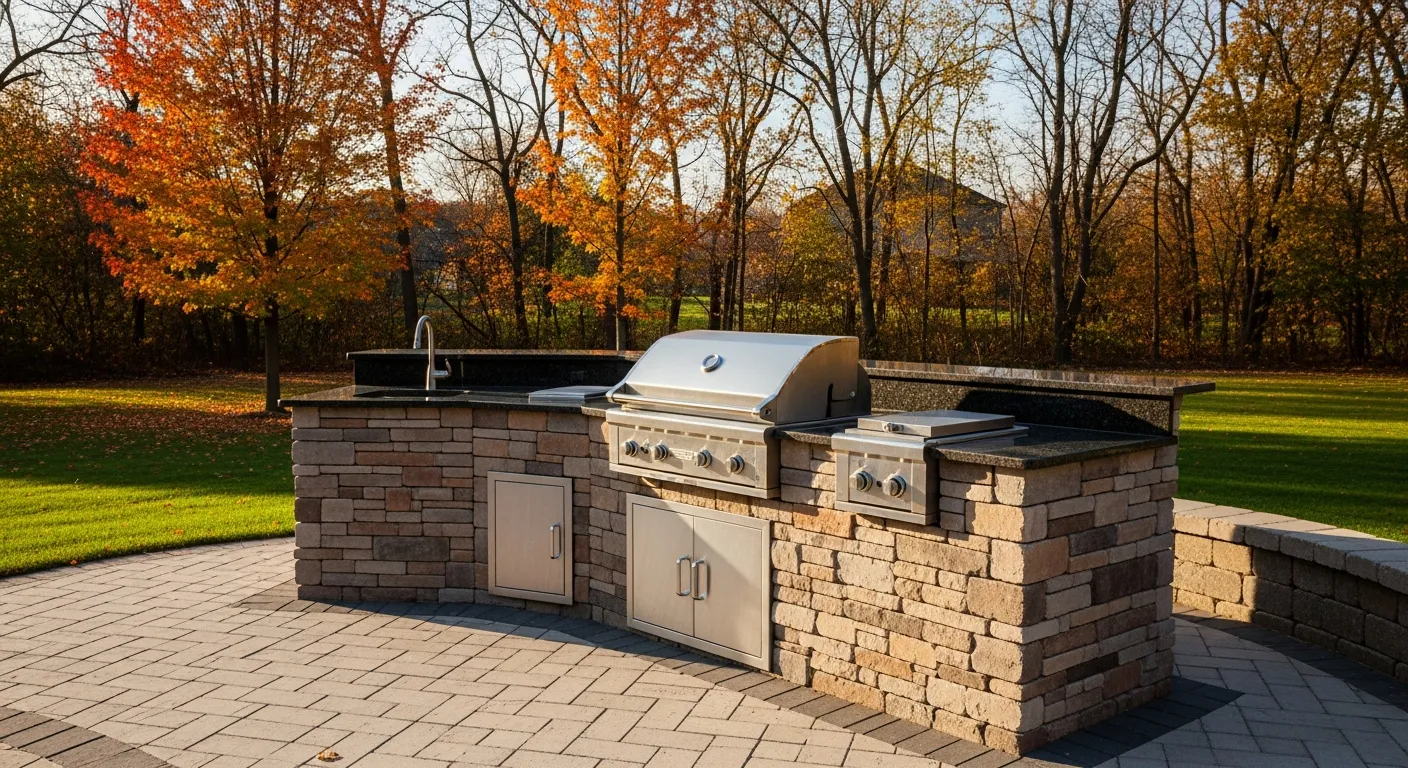
Outdoor kitchens range from simple grill surrounds to fully-equipped cooking stations. Here is what drives the scope of a project and what to consider in West Michigan.
What to Consider When Building a Stone Fire Pit
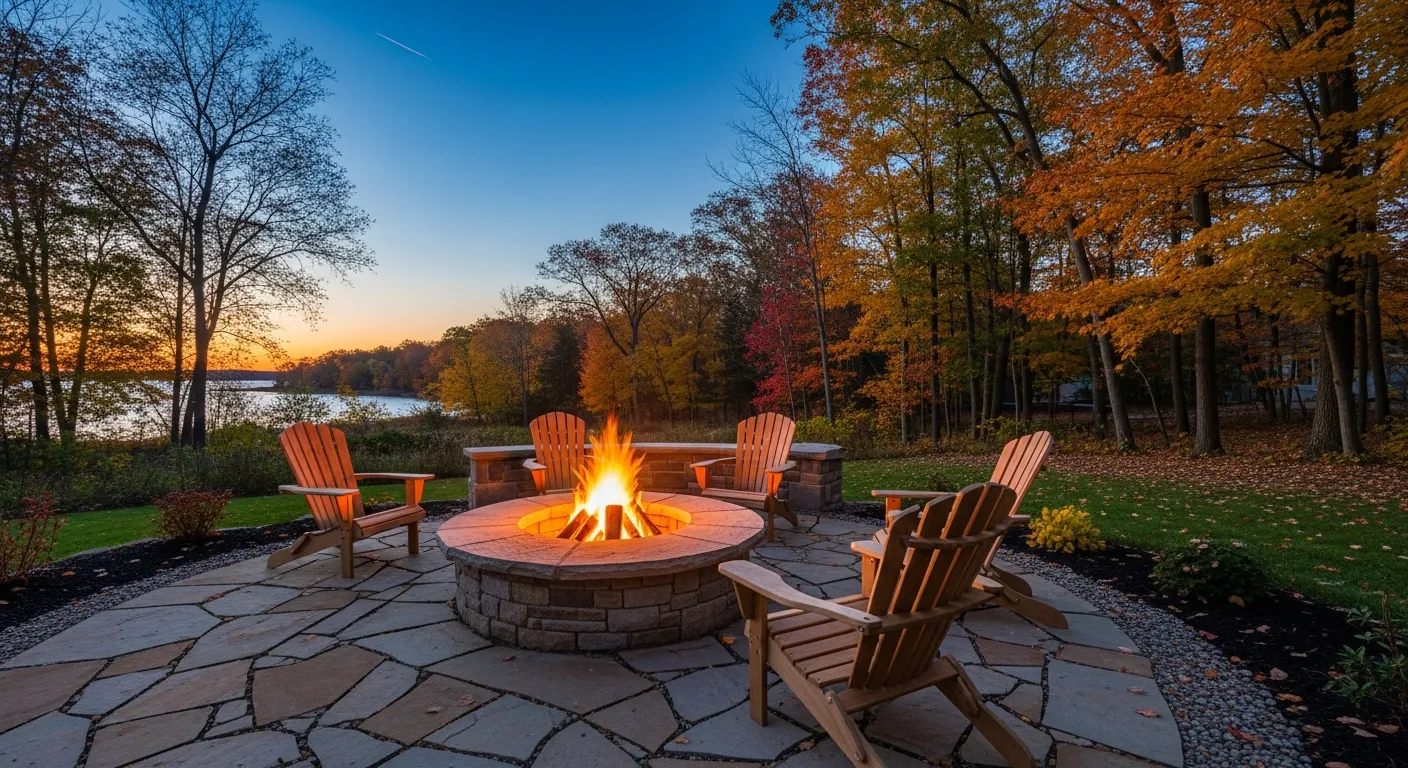
A stone fire pit creates the perfect gathering spot in your Michigan backyard. Here is what goes into the project and the decisions you will need to make.
Retaining Wall Options: Which Type Is Right for Your Michigan Yard?
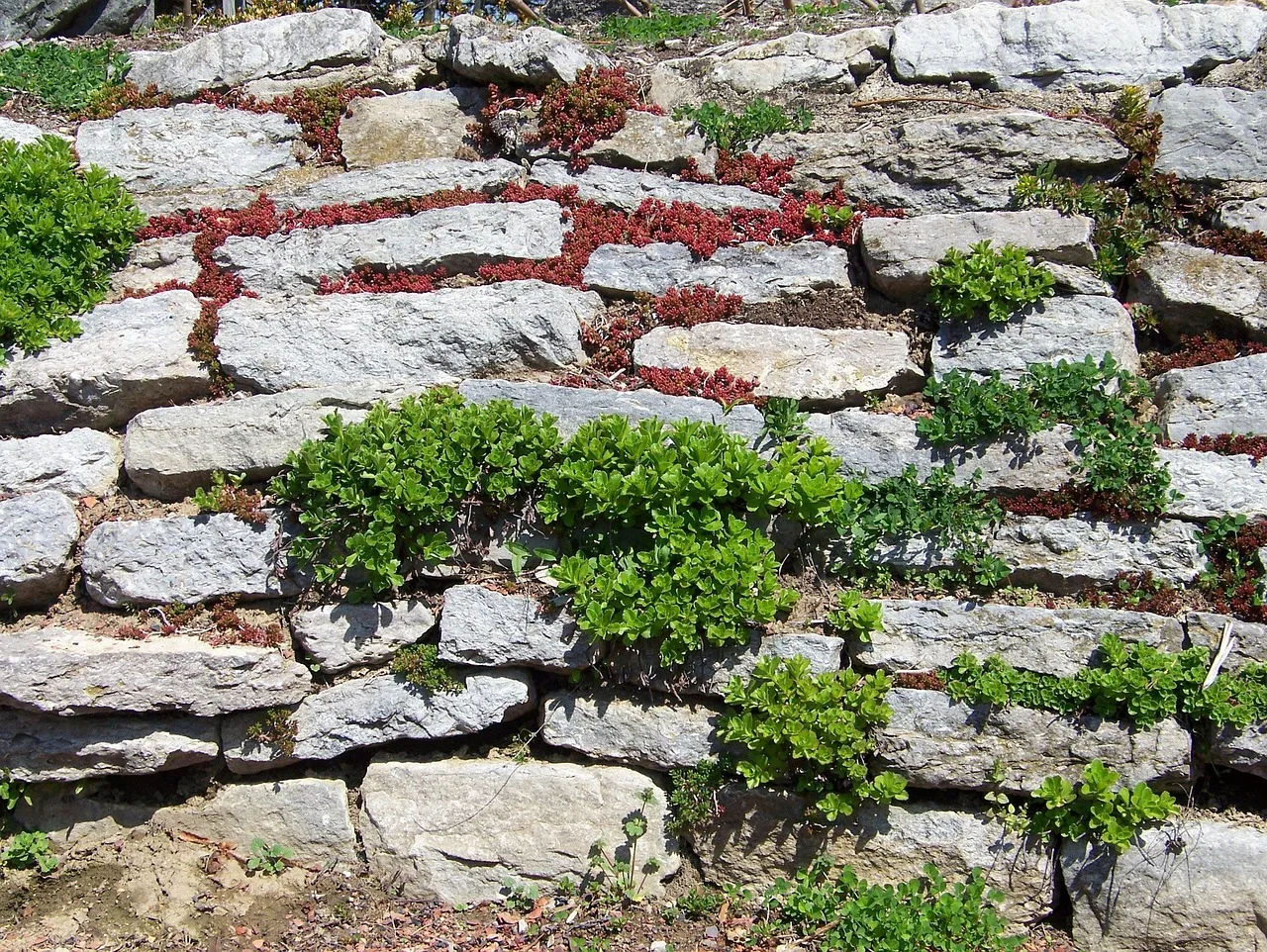
From decorative garden walls to engineered structural solutions, learn about the different types of retaining walls and which works best for your property.