
Permits and Codes for Outdoor Kitchens in West Michigan
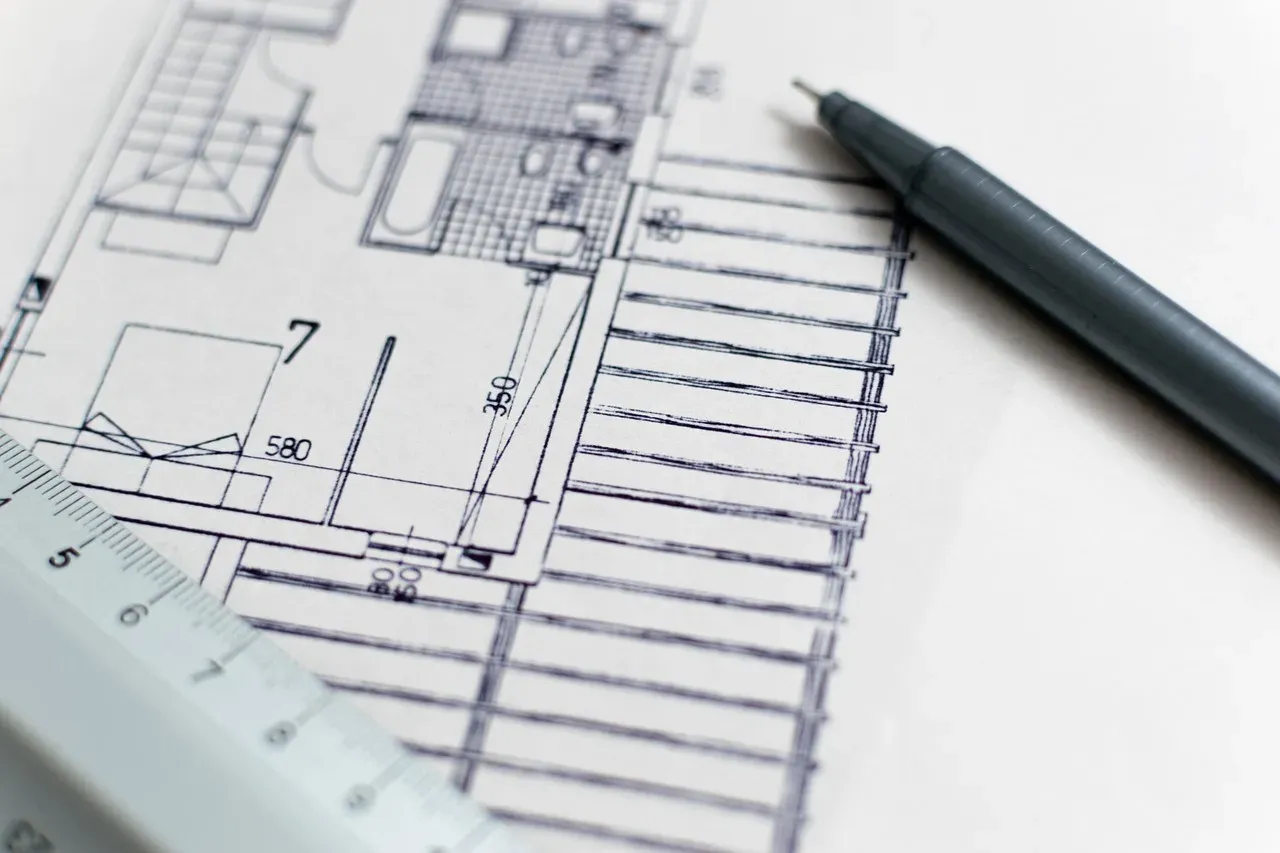
Do I need a permit for my outdoor kitchen?
Navigating permits and building codes for outdoor kitchens in West Michigan can feel overwhelming, but understanding the basics protects your project and prevents problems at resale. The general rule is simple: if your outdoor kitchen involves gas lines, electrical wiring, plumbing connections, or structural footings, you need one or more permits. Our outdoor kitchen services handle all permitting as part of every project so you never have to worry about compliance.
What does Kent County require?
In Kent County, which includes Grand Rapids, East Grand Rapids, and surrounding townships, building permits are required for any permanent structure with utility connections. Gas line permits cover the connection from your home's gas supply to the outdoor grill and burners. Electrical permits are needed for dedicated circuits powering lighting, outlets, and appliances. Plumbing permits apply when connecting to municipal water or sewer systems. Each permit has its own inspection requirements.
What about Ottawa County and the lakeshore?
Ottawa County, covering Holland, Zeeland, Grand Haven, and the lakeshore communities, has similar requirements with some local variations. Setback distances from property lines vary depending on the municipality and the type of structure. Some communities require an additional zoning review for accessory structures. It is essential to check with your specific township or city building department before breaking ground.
What Permits Are Required in Kent County?
In Kent County, which includes Grand Rapids, East Grand Rapids, and surrounding townships, building permits are required for any permanent structure with utility connections. Gas line permits cover the connection from your home's gas supply to the outdoor grill and burners. Electrical permits are needed for dedicated circuits powering lighting, outlets, and appliances. Plumbing permits apply when connecting to municipal water or sewer systems. Each permit has its own inspection requirements.
What About Ottawa County and the Lakeshore?
Ottawa County, covering Holland, Zeeland, Grand Haven, and the lakeshore communities, has similar requirements with some local variations. Setback distances from property lines vary depending on the municipality and the type of structure. Some communities require an additional zoning review for accessory structures. It is essential to check with your specific township or city building department before breaking ground.
What HOA Rules Should I Check?
HOA restrictions add another layer of requirements in many West Michigan subdivisions. Common HOA rules include maximum structure heights, approved materials lists, color restrictions, and minimum distances from neighboring properties. Some HOAs require architectural review board approval before construction begins. Violating HOA rules can result in fines and forced removal, so review your covenants carefully. Our team regularly works with HOAs and can present professional plans that satisfy review boards.
Why does permitted work matter for resale?
Why does permitted work matter for home value? When you sell your home, the buyer's inspector and appraiser will check for permits on any visible improvements. Unpermitted work raises red flags that can reduce offers, delay closings, or kill a sale entirely. Some mortgage lenders will not finance a home with unpermitted structural work. By contrast, properly permitted and inspected outdoor kitchens are documented improvements that appraisers can confidently value. Read our outdoor kitchen home value analysis for more on how quality construction affects resale.
What does the inspection process look like?
The inspection process typically involves two or three visits from the building inspector. A footing and foundation inspection occurs before pouring concrete. A rough utility inspection covers gas, electrical, and plumbing connections before they are enclosed in masonry. A final inspection verifies the completed structure meets all code requirements. The entire timeline adds about 1-2 weeks to the project schedule, but the documentation is worth every day.
What happens if I skip permits?
What happens if you skip permits? Beyond the resale risks, unpermitted gas and electrical work creates genuine safety hazards. A gas leak from an improperly connected line or an electrical fault from substandard wiring can cause fires, explosions, or electrocution. Insurance companies may deny claims for damage caused by unpermitted work. The small time commitment for proper permitting is insignificant compared to these risks. For related plumbing considerations, see our guide on outdoor kitchen sink plumbing.
Want to skip the permit headaches entirely? Contact us and let our experienced team handle every permit application, inspection, and code requirement. We know the specific requirements for every municipality in West Michigan and build our outdoor kitchen planning timeline around the permitting process.
Step-by-Step Guide
- 1
Determine What Requires Permits
Identify whether your project involves gas lines, electrical, plumbing, or structural work that triggers permit requirements.
- 2
Check Local Requirements
Contact your municipality's building department or visit their website for specific outdoor kitchen permit applications.
- 3
Review Setback Distances
Verify required distances from property lines, structures, and easements before finalizing your kitchen location.
- 4
Submit Plans and Apply
File permit applications with construction drawings showing dimensions, materials, utility connections, and site placement.
- 5
Schedule Inspections
Arrange required inspections at each construction phase to ensure code compliance and proper documentation.
Frequently Asked Questions
When do I need a permit for an outdoor kitchen?
If your outdoor kitchen involves gas lines, electrical wiring, plumbing connections, or structural footings, you need one or more permits. Each permit type covers its own scope of work and requires inspections.
What happens if I skip permits?
Beyond resale risks, unpermitted gas and electrical work creates real safety hazards. A gas leak or electrical fault can cause fires, explosions, or electrocution, and insurance companies may deny claims for damage caused by unpermitted work.
How long does the inspection process add to the project?
The inspection process typically involves two or three visits and adds about 1 to 2 weeks to the project schedule, but the documentation is worth every day for resale and safety.
Need Professional Help?
If you've identified masonry issues or need a professional inspection, we're here to help. Adam Baker Masonry serves Grand Rapids and the surrounding 50-mile area.
Related Articles
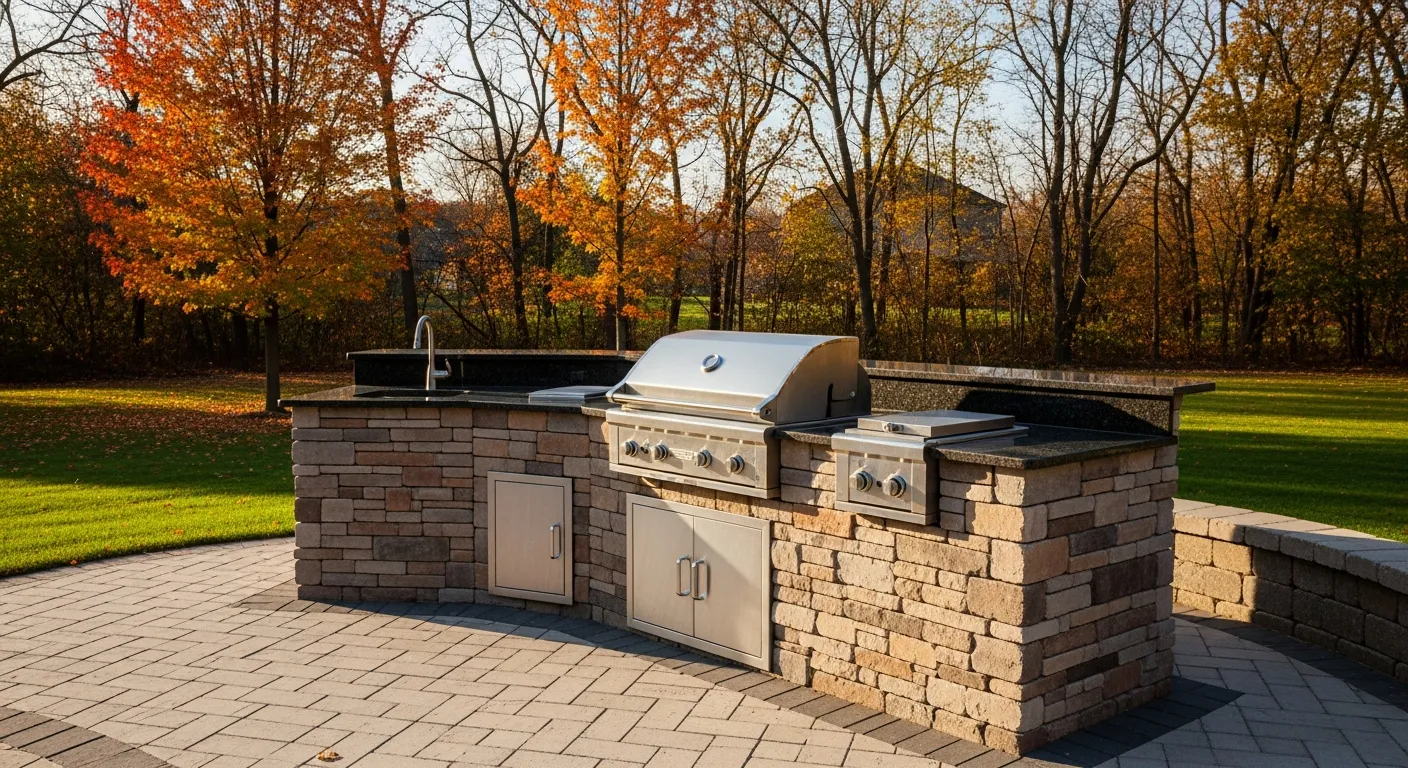
What Goes Into Building an Outdoor Kitchen in Michigan?
Outdoor kitchens range from simple grill surrounds to fully-equipped cooking stations. Here is what drives the scope of a project and what to consider in West Michigan.
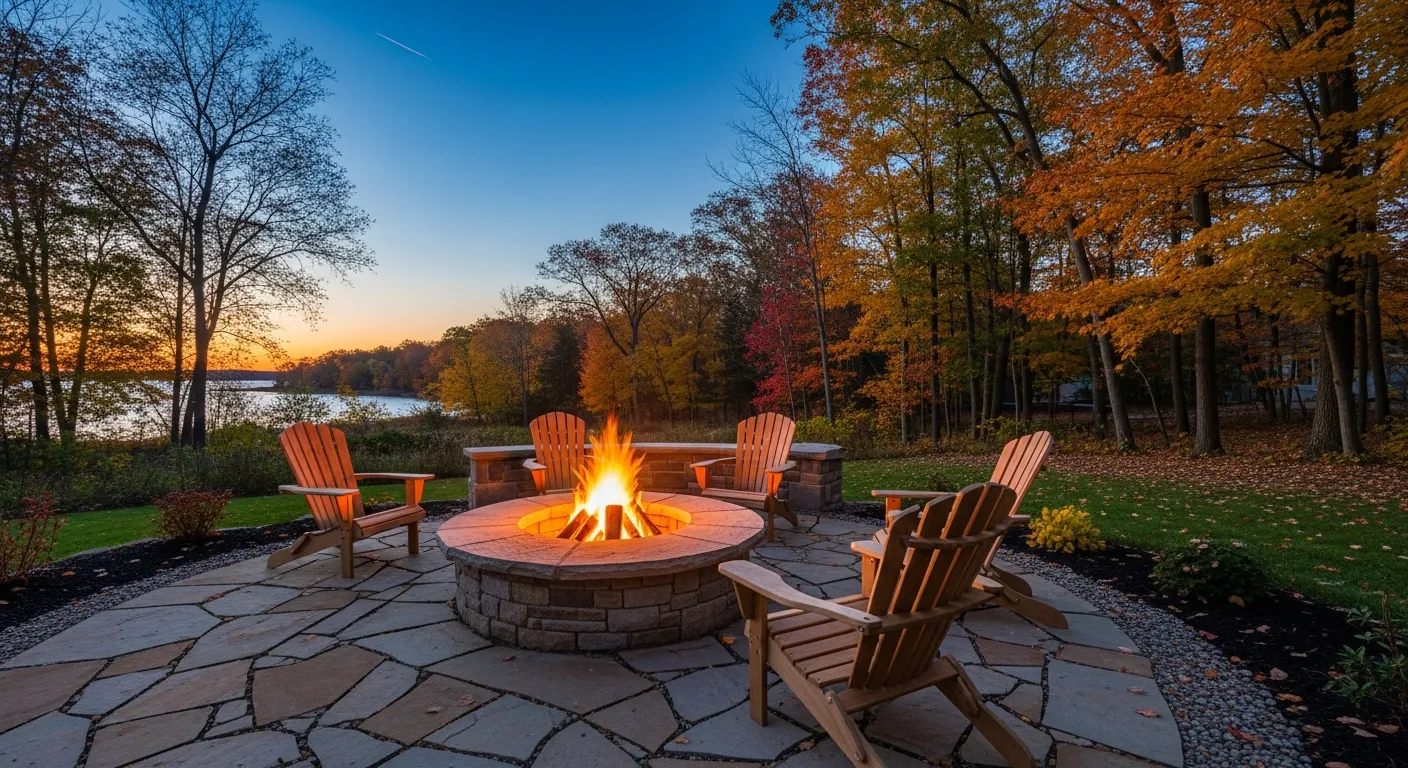
What to Consider When Building a Stone Fire Pit
A stone fire pit creates the perfect gathering spot in your Michigan backyard. Here is what goes into the project and the decisions you will need to make.

Retaining Wall Options: Which Type Is Right for Your Michigan Yard?
From decorative garden walls to engineered structural solutions, learn about the different types of retaining walls and which works best for your property.