
Best Stone for Mudroom and Entryway Floors in Michigan
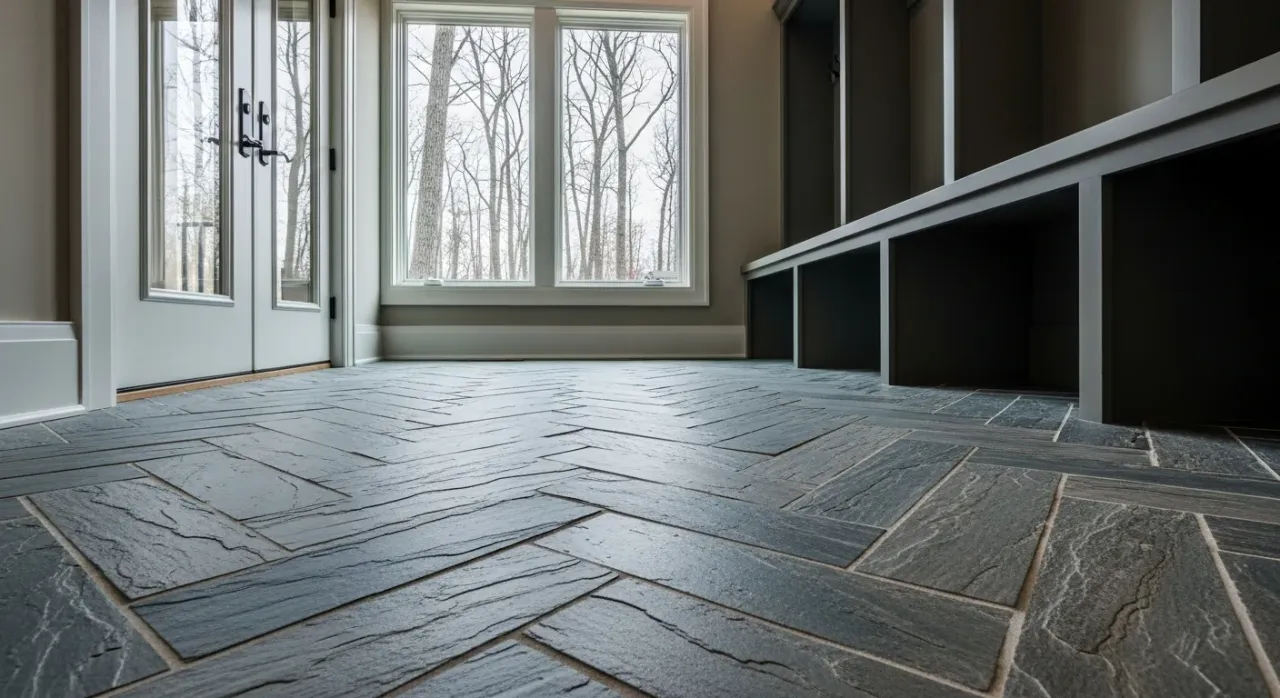
Slate, quartzite, and honed limestone are the best natural stone options for mudroom and entryway floors. All three handle Michigan's wet winters well — they provide slip resistance when damp, hold up under heavy foot traffic, and look better with age rather than worse. The right choice depends on your home's design, how much maintenance you want, and whether the space connects to outdoor-grade surfaces.
What is the best stone for mudroom floors?
Slate is the most practical choice for mudroom floors. Its naturally cleft surface provides grip when wet, it hides small scratches well, and it handles the constant cycle of wet boots, sand, and road salt that West Michigan winters bring. Quartzite is a close second — it is denser than slate, extremely hard, and holds up to aggressive daily use. Honed limestone creates a softer, more refined look and works well in entryways that serve as a transitional space between the exterior and a more formal interior.
Is slate a good choice for entryway and mudroom flooring?
Yes — slate is one of the best natural stone options for mudrooms and entryways specifically because of its texture. The natural cleft surface on most slate provides traction underfoot even when wet, which matters in a space where people track in rain, snow, and mud. Slate also does not show every scratch or scuff the way a polished surface would. Over years of use, a slate floor in a mudroom develops a character that a highly polished stone cannot.
How does natural stone hold up to salt, water, and mud in Michigan winters?
Natural stone in a mudroom holds up well when it is properly sealed and maintained. The issue is not the stone itself — it is the grout joints and the sealer. Road salt, if left sitting on porous stone, can eventually work into the surface and cause staining. Sealing the stone after installation and resealing periodically protects it. Properly sealed slate and quartzite handle Michigan winters without deterioration. We seal every stone floor we install and advise clients on a maintenance schedule appropriate for their specific stone type and use.
Does natural stone in a mudroom need to be sealed?
Yes, and it should be resealed periodically. Natural stone is porous to varying degrees — slate and quartzite less so than limestone or travertine — and a penetrating sealer prevents moisture, oil, and staining agents from soaking in. In a mudroom that sees regular exposure to wet boots, cleaning products, and tracked-in debris, sealing matters more than in lower-traffic areas. We include sealing with every stone flooring installation and provide guidance on how to maintain the seal over time.
How does natural stone compare to porcelain tile in a mudroom?
Porcelain tile and natural stone both perform well in mudrooms, but they make different trade-offs. Porcelain requires no sealing, is highly consistent in dimension, and has a wider range of surface texture options. Natural stone has a genuine material quality — weight, variation, and character — that porcelain cannot fully replicate. For homeowners in Ada, East Grand Rapids, and Forest Hills who are investing in the long-term quality of their home, natural stone is a compelling choice for entryways and mudrooms that guests encounter immediately upon arrival.
Contact Adam Baker Masonry at (616) 612-1284 to discuss stone flooring options for your mudroom or entryway. We serve homeowners throughout West Michigan including Grand Rapids, Ada, East Grand Rapids, Rockford, Holland, and Cascade.
Frequently Asked Questions
What is the best stone for mudroom floors?
Slate and quartzite are the best natural stone options for mudrooms. Slate's naturally cleft surface provides grip when wet and hides everyday wear well. Quartzite is exceptionally dense and handles heavy traffic without damage. Both are well-suited to the wet boots, road salt, and mud that West Michigan winters bring to high-use entry spaces.
Does natural stone in a mudroom need to be sealed?
Yes. Natural stone is porous and should be sealed after installation with a penetrating sealer. In a mudroom exposed to moisture, salt, and tracked-in debris, sealing prevents staining and surface deterioration. We include sealing with every stone floor installation and advise homeowners on the appropriate resealing schedule for their specific stone type.
Is slate slippery when wet in an entryway?
No — natural cleft slate is one of the least slippery stone surfaces when wet because its textured surface provides grip underfoot. This is one reason slate is a preferred material for mudrooms and entryways in West Michigan, where wet boots and tracked-in snow are a constant winter reality.
How long does natural stone flooring last in a mudroom?
Natural stone flooring in a mudroom, properly installed and sealed, is essentially permanent. Stone does not wear through, dent, or fade. Minor surface scratches are typically absorbed into the stone's character over time. With proper sealing and basic cleaning maintenance, a stone mudroom floor installed today should look good decades from now.
Can stone flooring be installed year-round in Michigan?
Yes. Mudroom and entryway stone flooring is interior work and is not affected by Michigan's outdoor temperatures. Modified thinset and grout cure normally at interior room temperatures throughout the year. Winter scheduling often has better availability — contact us to discuss timing.
Need Professional Help?
If you've identified masonry issues or need a professional inspection, we're here to help. Adam Baker Masonry serves Grand Rapids and the surrounding 50-mile area.
Related Articles
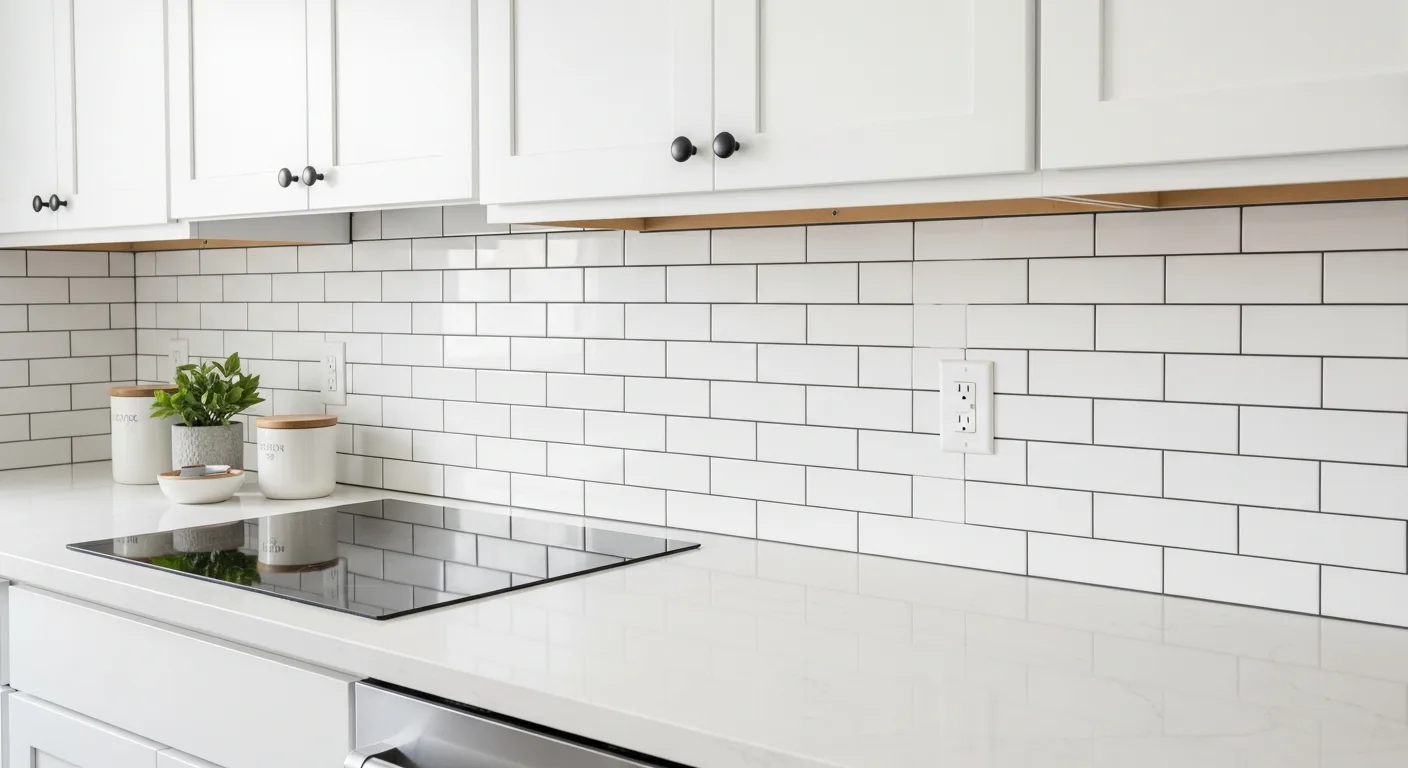
Can You Install a Backsplash Directly on Drywall?
In most kitchens, yes — standard tile goes right over sound drywall. The answer changes when the wall is painted glossy, damaged, or you have picked a heavy natural stone. Here is how to tell which situation you are in.
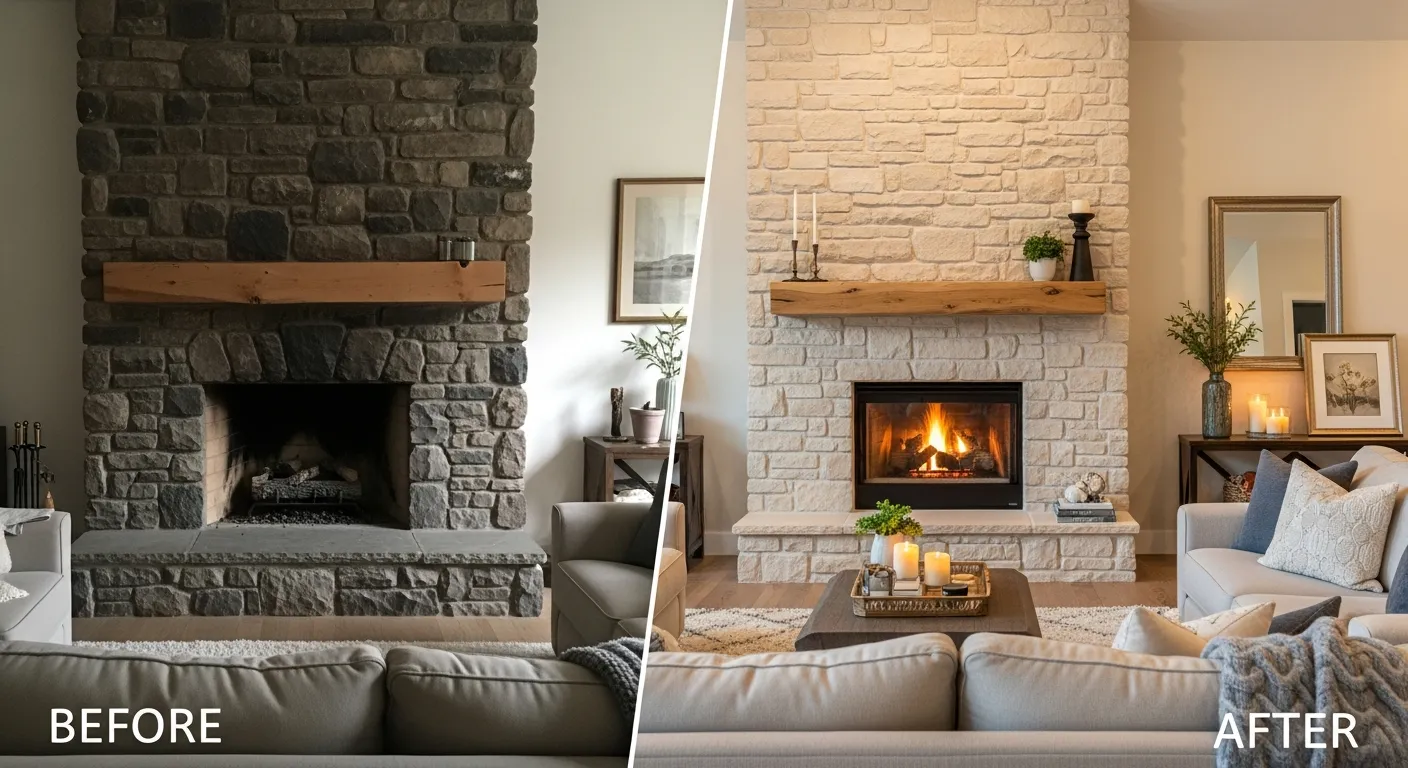
Fireplace Remodel in Michigan: Options and What to Expect
From a simple mantel update to a full stone surround transformation, here is what goes into a fireplace remodel in West Michigan.
Fireplace Resurfacing: Materials, Process, and What to Expect
Thinking about resurfacing your fireplace? Here is a straightforward look at the material options and process for West Michigan homeowners.