
Best Tile for a Fireplace Surround: What to Know Before You Choose
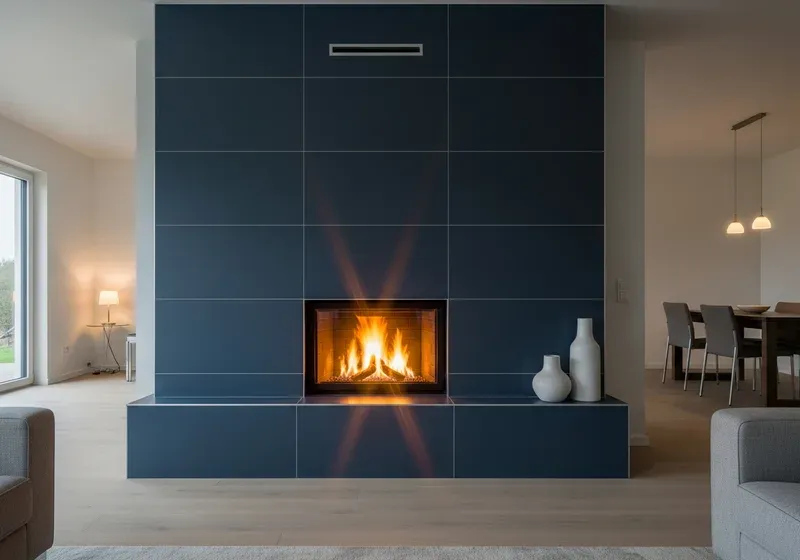
Large-format marble-look porcelain is the most popular fireplace surround tile for Grand Rapids homes right now — it creates a high-end appearance with minimal grout lines and is durable enough for the heat cycling a fireplace experiences. Natural stone — limestone, travertine, and slate — remains a strong choice for homeowners who want an organic material quality. The tile specified for the area directly adjacent to the firebox opening must be appropriate for heat exposure.
What tile looks best on a fireplace surround?
Large-format marble-look porcelain is the most requested fireplace surround tile in West Michigan homes. At 24×48 or larger, it creates a nearly seamless surface that reads as a continuous slab of material — a look that transforms an existing brick or builder-grade surround into something that appears custom-designed. Natural limestone and travertine offer an organic warmth that porcelain cannot fully replicate. Slate-look porcelain suits contemporary interiors with darker finishes and matte surfaces. The visual direction should relate to the room — a formal living room calls for a different material than a casual open-concept family room.
Can any tile be used around a fireplace?
Not all tile is appropriate for every zone of a fireplace surround. The area directly adjacent to the firebox opening — the inner surround — is exposed to higher temperatures and thermal cycling. Tile and setting materials for this zone must be rated for heat exposure. Standard porcelain and ceramic are generally acceptable for the broad surround area outside the firebox, but the tile specified for the inner face requires more careful selection. We specify the appropriate materials for each zone of every fireplace installation.
What is the most popular fireplace surround tile right now?
In the Grand Rapids area, large-format marble-look porcelain is the most requested material for fireplace surrounds. The veined porcelain in 24×48 format creates a high-contrast, high-impact focal point that elevates the entire living room. Limewash-look and plaster-look large-format tile is gaining traction for homeowners who want a softer, more European aesthetic. Stacked ledger stone — natural quartzite or slate panels — remains popular for open-concept homes where the fireplace wall is the room's dominant feature.
How do you update an old fireplace with tile?
Updating a fireplace with tile typically involves installing over the existing surface. Brick surrounds can be tiled over when the substrate is sound and properly prepared — a skim coat of mortar creates the flat bonding surface large-format tile requires. Dated tile surrounds can be retiled by removing the old tile and resetting over a prepared substrate. The approach depends on the condition and material of the existing surround. We assess every fireplace before proposing a scope of work.
How does fireplace tile installation compare to other tile projects?
Fireplace tile installation involves the same fundamental skills as other tile projects — substrate preparation, layout, setting, and grouting — with additional considerations for the heat zone near the firebox. Most fireplace surrounds are relatively compact compared to a kitchen floor, which means the installation is typically completed in two to three days. The visual impact relative to the scope of work is one of the highest of any tile project: a tile fireplace surround becomes the room's focal point. Contact Adam Baker Masonry at (616) 612-1284 for a free fireplace tile consultation in the Grand Rapids area.
Frequently Asked Questions
What tile looks best on a fireplace surround?
Large-format marble-look porcelain is the most popular choice for fireplace surrounds in West Michigan. At 24×48 or larger, it creates a nearly seamless slab appearance that transforms the room. Natural limestone and travertine offer an organic warmth porcelain cannot replicate. Slate-look porcelain suits contemporary interiors. The best choice depends on the room's design direction and existing finishes.
Can any tile be used around a fireplace?
Not all tile is appropriate for every zone. The area directly adjacent to the firebox opening is exposed to higher heat and thermal cycling — tile and setting materials for this zone must be rated for heat exposure. Standard porcelain and ceramic are acceptable for the broader surround area outside the firebox. We specify the correct materials for each zone of every fireplace installation.
What is the most popular fireplace tile in Grand Rapids right now?
Large-format marble-look porcelain in the 24×48 format is the most requested material. Its veined pattern creates a high-contrast focal point that elevates the living room. Limewash-look and plaster-look large-format tile is gaining popularity for a softer, European aesthetic. Stacked ledger stone remains popular for open-concept homes where the fireplace wall is the dominant feature.
How long does fireplace tile installation take?
Most fireplace surround tile installations are completed in two to three days: substrate preparation on day one, tile setting on day two, and grouting and finishing on day three. Complex installations with full-height surround tile, custom borders, or herringbone patterns take longer. The fireplace can be used again once the grout has fully cured.
Does updating a fireplace with tile add value to a home?
Yes. A tile fireplace surround is one of the highest visual-impact upgrades relative to its scope. Buyers in the Grand Rapids area consistently identify the fireplace as a focal point they notice immediately. A well-executed tile surround — particularly in large-format marble-look porcelain or natural stone — signals craftsmanship and quality that supports home value.
Need Professional Help?
If you've identified masonry issues or need a professional inspection, we're here to help. Adam Baker Masonry serves Grand Rapids and the surrounding 50-mile area.
Related Articles
Can You Install a Backsplash Directly on Drywall?
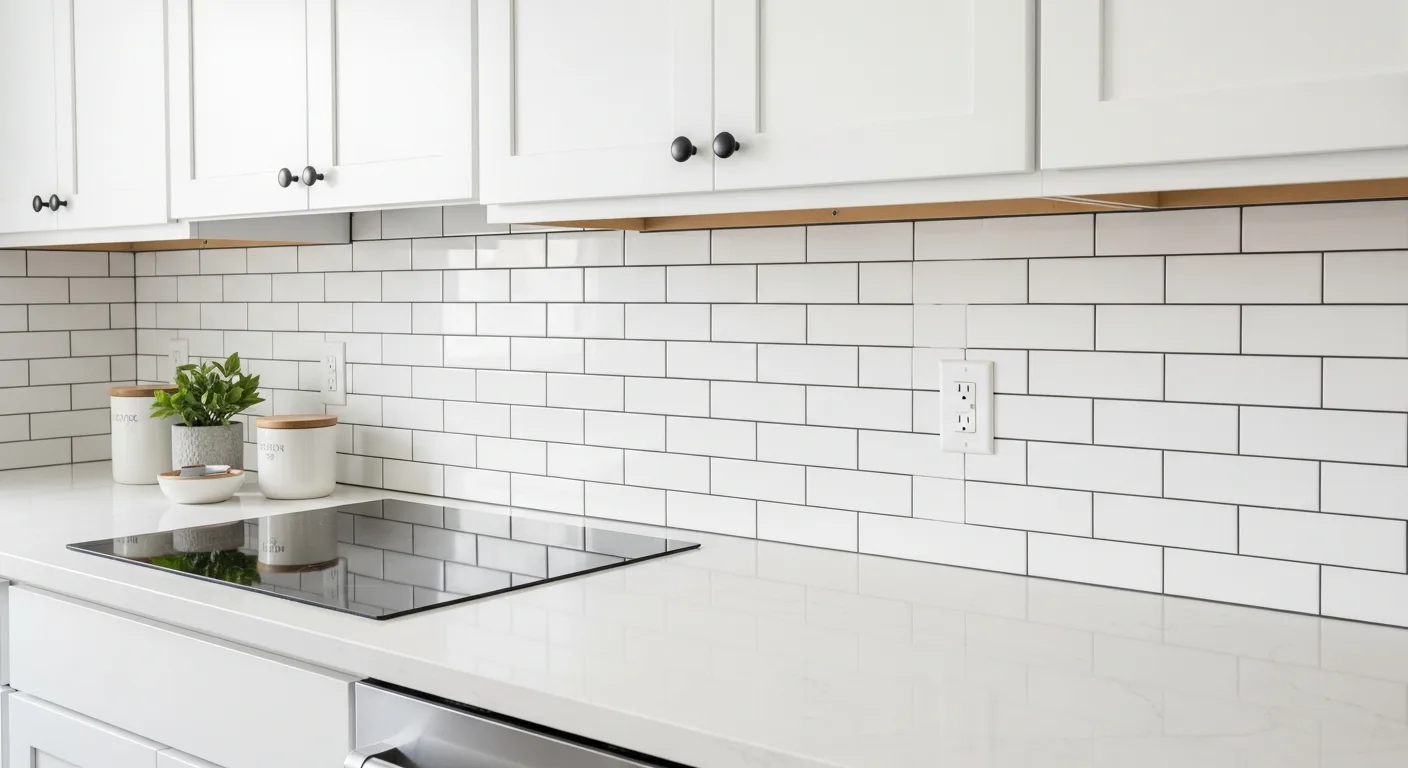
In most kitchens, yes — standard tile goes right over sound drywall. The answer changes when the wall is painted glossy, damaged, or you have picked a heavy natural stone. Here is how to tell which situation you are in.
Fireplace Remodel in Michigan: Options and What to Expect
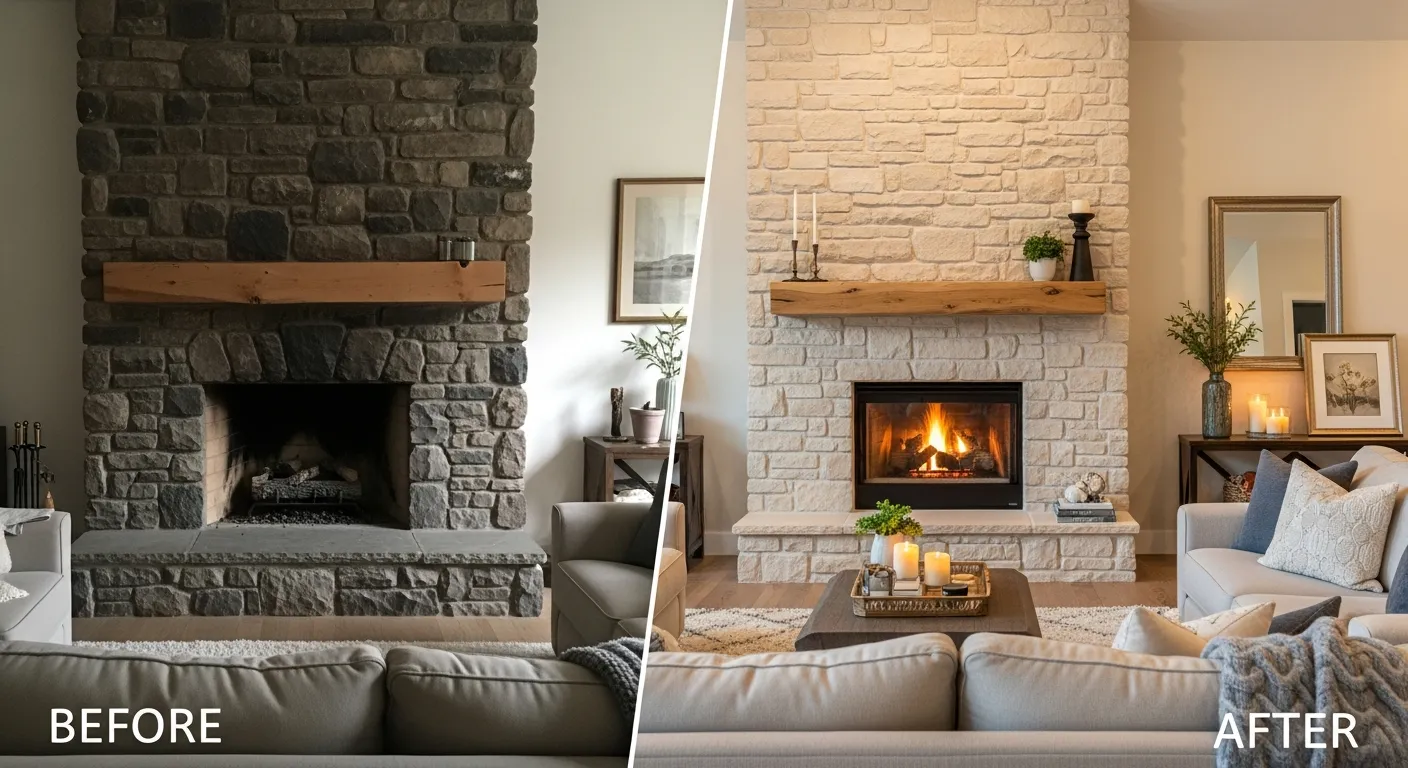
From a simple mantel update to a full stone surround transformation, here is what goes into a fireplace remodel in West Michigan.
Fireplace Resurfacing: Materials, Process, and What to Expect
Thinking about resurfacing your fireplace? Here is a straightforward look at the material options and process for West Michigan homeowners.
Tile Contractor Services Across West Michigan
Adam Baker Masonry serves homeowners throughout the Grand Rapids area and West Michigan. Select your city for local tile installation details.