
Thin Brick Accent Walls: Creating the Interior Brick Look in West Michigan Homes
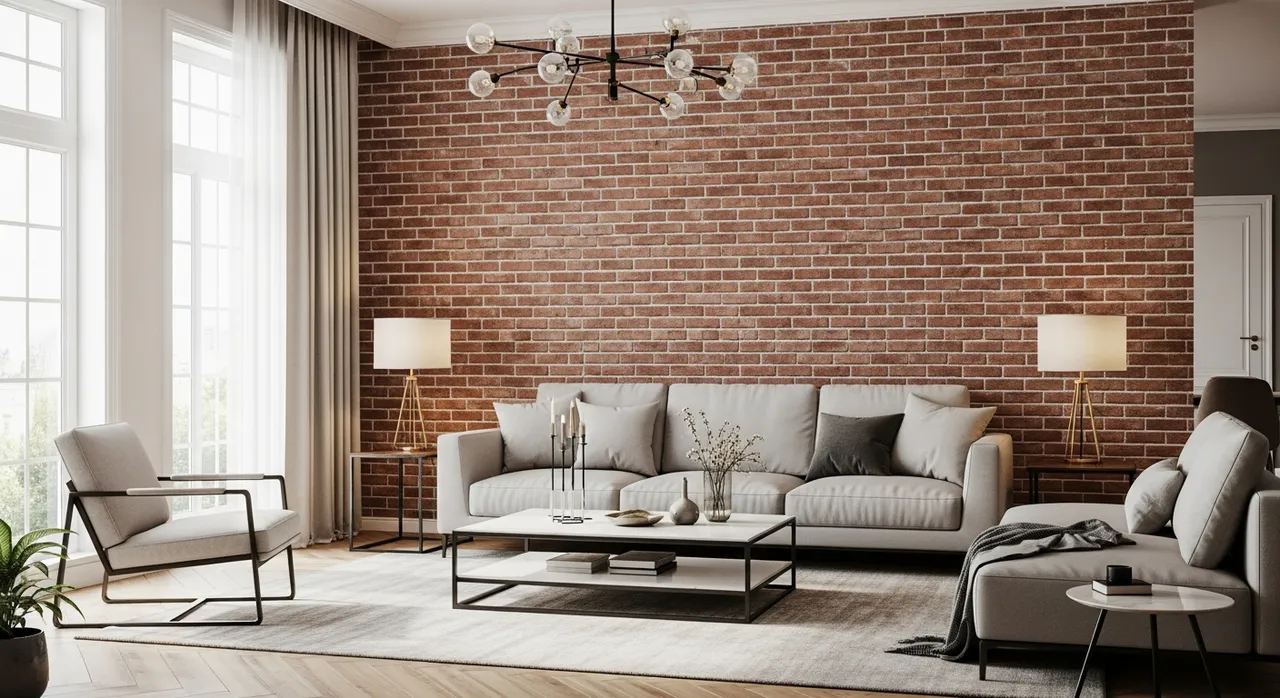
A thin brick accent wall uses real fired clay brick — sliced thin and set like tile — to bring the look and texture of exposed masonry to any interior wall without the structural requirements of full masonry. It installs in two to four days over a properly prepared wall surface, works in living rooms, kitchens, dining areas, and behind fireplaces, and is nearly indistinguishable from structural brick when installed correctly.
What Is a Thin Brick Accent Wall?
Thin brick is real brick — fired clay — sliced or manufactured to a shallow depth of roughly a half to three-quarters of an inch so it can be set against a wall like tile. The face is identical to a full masonry brick: the same texture, color variation, and character. Thin brick is set with mortar, grouted, and sealed, using the same basic process as any tile installation. The finished wall reads as exposed masonry because the brick in it is genuine, not a printed surface.
Some manufacturers also produce porcelain tile that closely mimics brick in texture and color. These products can be very convincing and offer more consistent dimensioning than natural thin brick. For a client wanting a specific color or finish not available in real thin brick, porcelain brick-look tile is a practical alternative. We help clients evaluate both during consultations.
Can You Install Thin Brick Over Existing Drywall?
It depends on the wall condition. Thin brick is heavier than standard ceramic or porcelain tile, so the substrate needs to support that additional weight without flexing. In many residential applications, existing drywall is reinforced with cement board or replaced outright before installation. Paint or surface treatments that would prevent mortar adhesion must be addressed first. We assess the wall during every estimate and recommend the right substrate preparation — there is no universal answer without looking at the specific wall.
How Does Mortar Joint Width Affect the Look of a Brick Accent Wall?
Mortar joint width is the single detail that most affects how the finished wall reads. A narrow joint of a quarter inch or less creates a tighter, more refined look. A wider joint of a half inch or more reads as more rustic and industrial. Mortar color has an equally strong effect on the finished appearance — a light mortar between dark brick creates a graphic grid, while a mortar that closely matches the brick color lets the brick texture dominate without the joints competing. We discuss joint width and mortar color on every thin brick project because these choices are not easily revised after installation.
How Long Does Thin Brick Accent Wall Installation Take?
Most thin brick accent walls complete in two to four days. Day one covers wall preparation and layout. Days two and three cover setting and mortar joint finishing. Day four covers sealing and final cleanup. Larger walls, walls with window or door cutouts, or walls requiring extensive substrate work take longer. We provide a specific timeline during the free estimate.
Does Thin Brick in a Kitchen Need to Be Sealed?
Yes — real brick is porous and will absorb cooking oil and moisture if left unsealed. We seal all kitchen thin brick installations after grouting and recommend periodic maintenance resealing as part of ongoing care. A properly sealed thin brick kitchen wall is durable, easy to clean, and holds its appearance over time. Unsealed brick in a kitchen will darken and stain from cooking activity within months.
Adam Baker Masonry has been working with brick and masonry materials across West Michigan for generations. A thin brick accent wall is a natural extension of that work — the same material and skill set applied to an interior surface. Call (616) 612-1284 or see our tile accent wall installation page to schedule your free estimate.
Frequently Asked Questions
Is thin brick the same as real brick?
Yes — thin brick is made from the same fired clay as standard building brick, just sliced or manufactured to a shallow profile so it can be set against a wall like tile. The face texture, color, and character are genuine. Porcelain brick-look tile is an alternative that can be convincing but is not made from clay.
Can thin brick be installed over existing drywall?
It depends on the drywall condition and what is behind it. Thin brick is heavier than standard tile, so the substrate needs to support the weight without flexing. In many cases, cement board is installed over or in place of drywall before the brick goes up. We assess the wall during the estimate and recommend the right approach.
How long does thin brick accent wall installation take?
Most thin brick accent walls take two to four days: wall preparation and layout, brick setting and joint finishing, then sealing and cleanup. Larger walls, walls with cutouts around windows or doors, or walls requiring significant substrate work take longer. We provide a specific timeline during the free estimate.
Does thin brick look different from full masonry?
Done well, a thin brick accent wall is nearly indistinguishable from a real exposed masonry wall — the brick face, texture, and mortar joints read the same. The wall is not load-bearing and the brick depth is shallower, but most visitors assume the brick is structural.
Does thin brick in a kitchen need to be sealed?
Yes. Real brick is porous and absorbs cooking oil and moisture if unsealed. We seal all kitchen thin brick installations after grouting and recommend periodic maintenance resealing. Unsealed kitchen brick darkens and stains from cooking activity within months of installation.
Need Professional Help?
If you've identified masonry issues or need a professional inspection, we're here to help. Adam Baker Masonry serves Grand Rapids and the surrounding 50-mile area.
Related Articles
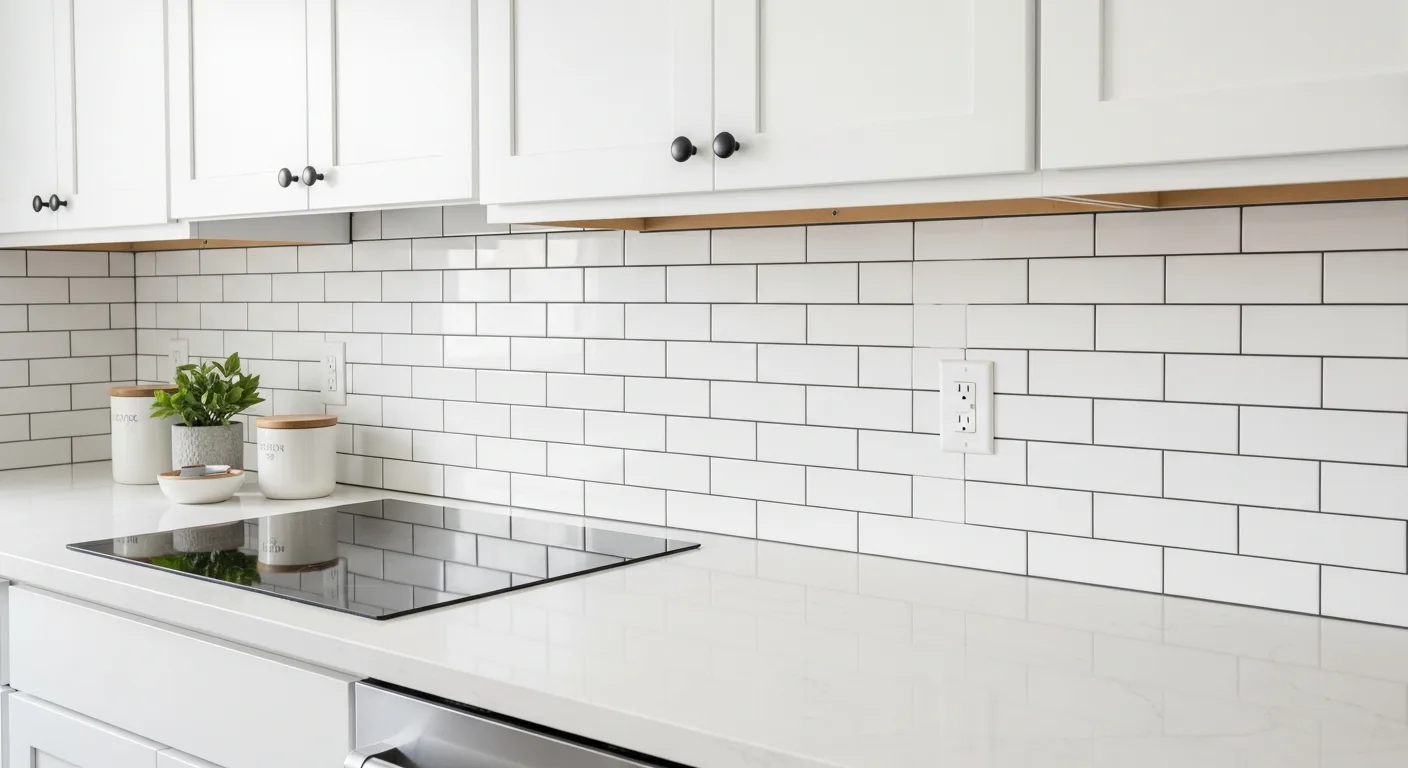
Can You Install a Backsplash Directly on Drywall?
In most kitchens, yes — standard tile goes right over sound drywall. The answer changes when the wall is painted glossy, damaged, or you have picked a heavy natural stone. Here is how to tell which situation you are in.
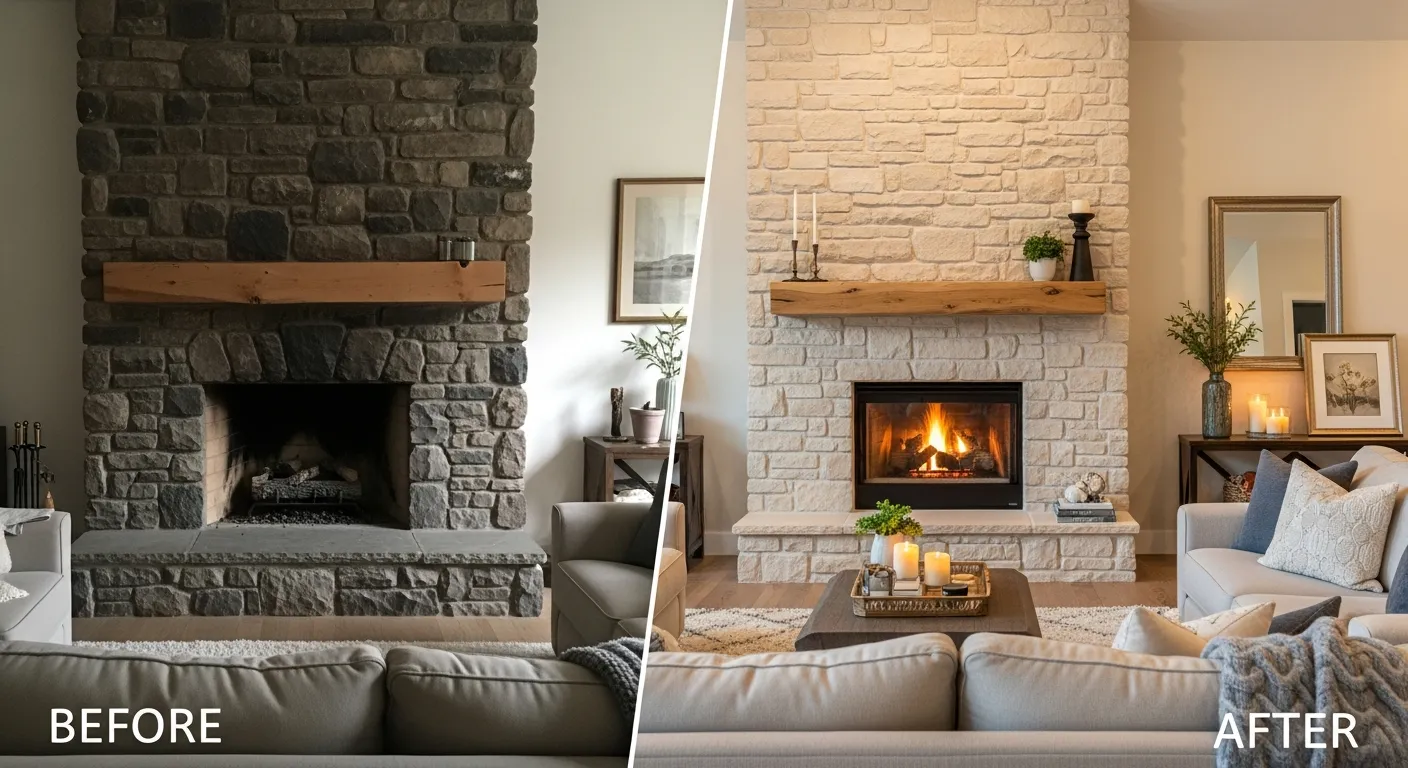
Fireplace Remodel in Michigan: Options and What to Expect
From a simple mantel update to a full stone surround transformation, here is what goes into a fireplace remodel in West Michigan.
Fireplace Resurfacing: Materials, Process, and What to Expect
Thinking about resurfacing your fireplace? Here is a straightforward look at the material options and process for West Michigan homeowners.
Tile Contractor Services Across West Michigan
Adam Baker Masonry serves homeowners throughout the Grand Rapids area and West Michigan. Select your city for local tile installation details.