
Tiling Around a Gas Fireplace Insert: A West Michigan Homeowner's Guide
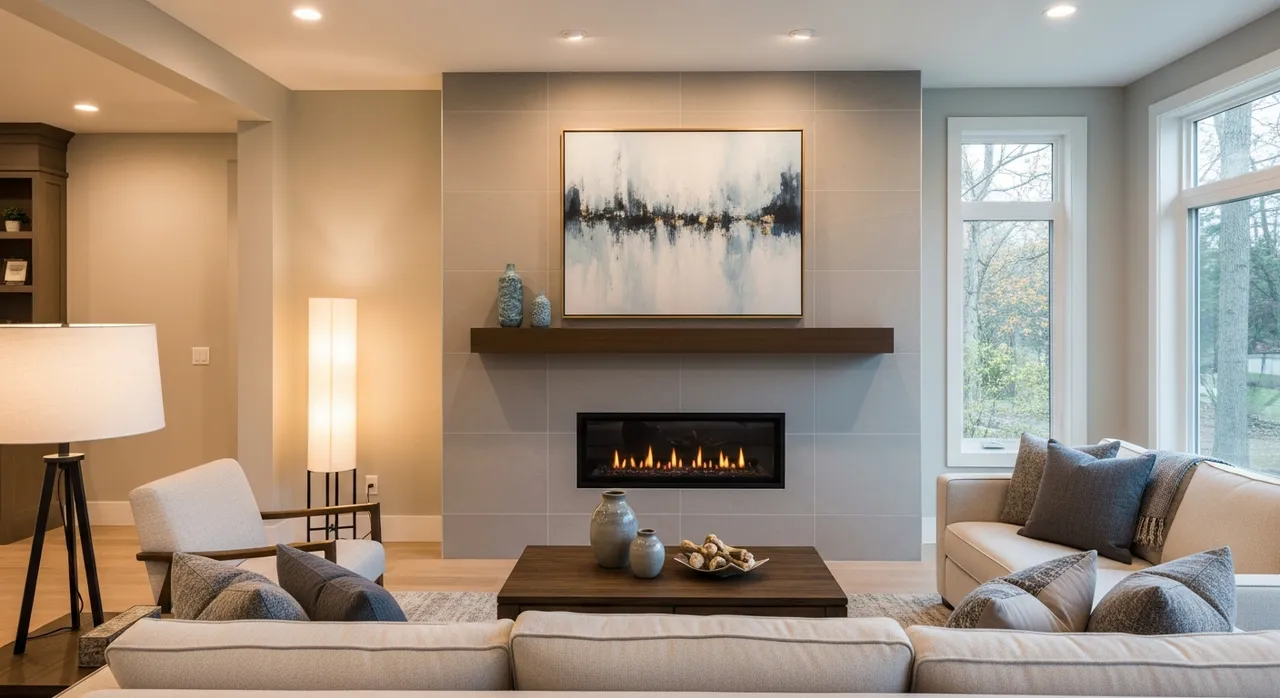
Tile is safe and well-suited for gas fireplace surrounds. Porcelain and natural stone handle the moderate heat from a gas insert without issue. The key material decision is choosing tile appropriate for the heat zone adjacent to the glass front. The design decision — traditional framed surround versus floor-to-ceiling tile wall — is equally important, because it determines both the scope of the project and the visual impact in the room.
What Type of Tile Is Safe to Use Around a Gas Fireplace?
Porcelain tile and natural stone are the appropriate materials for gas fireplace surrounds. Porcelain has low moisture absorption and handles thermal variation well — it is the most practical and popular choice for contemporary West Michigan gas fireplace updates. Natural stone — marble, limestone, slate — is the traditional choice and also performs well in this application. Glazed ceramic tile with high gloss finish is less appropriate for the heat zones immediately adjacent to the firebox glass. We discuss heat zones during every fireplace estimate and confirm the right material for each area of the surround.
Can You Tile Over the Existing Surround Around a Gas Insert?
Often yes — tiling over an existing surround avoids demolition and can produce an excellent result. Tile over sound, flat sheet metal, drywall, or existing tile is often feasible. The existing surface needs to be stable and flat enough for the tile size being installed. In many West Michigan homes with dated 1980s or 1990s surrounds, tile-over installation is the clean, efficient approach. We assess the existing condition during the estimate and recommend whether to tile over or remove first.
Should You Do a Traditional Surround or a Floor-to-Ceiling Tile Wall?
This is primarily a scope and design decision. The traditional approach tiles the immediate framing around the insert and the raised hearth if one exists, stopping at the mantel. It is a focused update that modernizes the fireplace without committing to a larger visual change. The floor-to-ceiling tile wall extends from the floor to the ceiling behind and around the insert — this has become increasingly popular in West Michigan homes with open-concept great rooms where the fireplace wall is visible from multiple spaces. A floor-to-ceiling tile installation creates a strong visual anchor for the entire main level. Both approaches produce excellent results — the right choice depends on how much of a focal point you want the fireplace wall to become.
What Is the Best Tile for a Gas Fireplace Surround?
Large-format porcelain in marble-look, concrete-look, or solid matte finishes is the most popular choice for contemporary gas fireplace surrounds in West Michigan. The large format minimizes grout lines and creates a nearly seamless surface that reads as stone without natural stone's maintenance requirements. In a floor-to-ceiling installation, large-format marble-look porcelain creates a genuinely high-end appearance. Natural stone is the traditional choice and brings warmth and variation that porcelain approximates. Thin brick around a gas insert is a strong choice for homes with a rustic, industrial, or Arts and Crafts character — it reads authentically in homes where brick is already part of the material language.
Does Tiling Around a Gas Fireplace Require Shutting Off the Gas?
No — tile work on the surround around a gas insert does not require shutting off the gas supply, provided the work does not involve the firebox itself or the gas line. We coordinate with homeowners on timing to ensure the fireplace is not in use during installation. Any work that approaches the gas connection or the firebox is discussed during the planning phase. Contact Adam Baker Masonry at (616) 612-1284 to schedule a free consultation and get a detailed estimate. Visit our tile fireplace refacing page for more.
Frequently Asked Questions
What tile is safe to use around a gas fireplace?
Porcelain tile and natural stone are both appropriate for gas fireplace surrounds. Porcelain handles thermal variation well and is the most practical choice. Natural stone — marble, limestone, slate — is the traditional option. Glossy glazed ceramic is less suitable for heat zones adjacent to the glass front. We confirm material appropriateness for each zone during the estimate.
Can I tile over the existing surround around my gas insert?
Often yes. Tile over sound, flat sheet metal, drywall, or existing tile is frequently feasible and avoids demolition. The existing surface needs to be stable and flat for the tile size being used. We assess the existing condition during the estimate and recommend whether tiling over or removing first is the better approach.
Does tiling around a gas fireplace require shutting off the gas?
No — tile work on the surround does not require shutting off the gas supply, provided work does not involve the firebox or gas line itself. We coordinate with the homeowner on timing so the fireplace is not in use during installation. Work near the firebox or gas connection is discussed during planning.
What is the best tile for a gas fireplace surround?
Large-format porcelain in marble-look, concrete-look, or matte finishes is the most popular choice for contemporary surrounds in West Michigan. Minimal grout lines create a seamless surface that reads as stone with less maintenance. Natural stone is the traditional option. Thin brick works well in homes with a rustic or Arts and Crafts character.
How long does a gas fireplace tile surround project take?
A traditional surround update — tiling the immediate frame and hearth — typically takes two to three days. A floor-to-ceiling tile wall takes three to five days depending on height and surface area. We provide a specific timeline during the estimate for your project.
Need Professional Help?
If you've identified masonry issues or need a professional inspection, we're here to help. Adam Baker Masonry serves Grand Rapids and the surrounding 50-mile area.
Related Articles
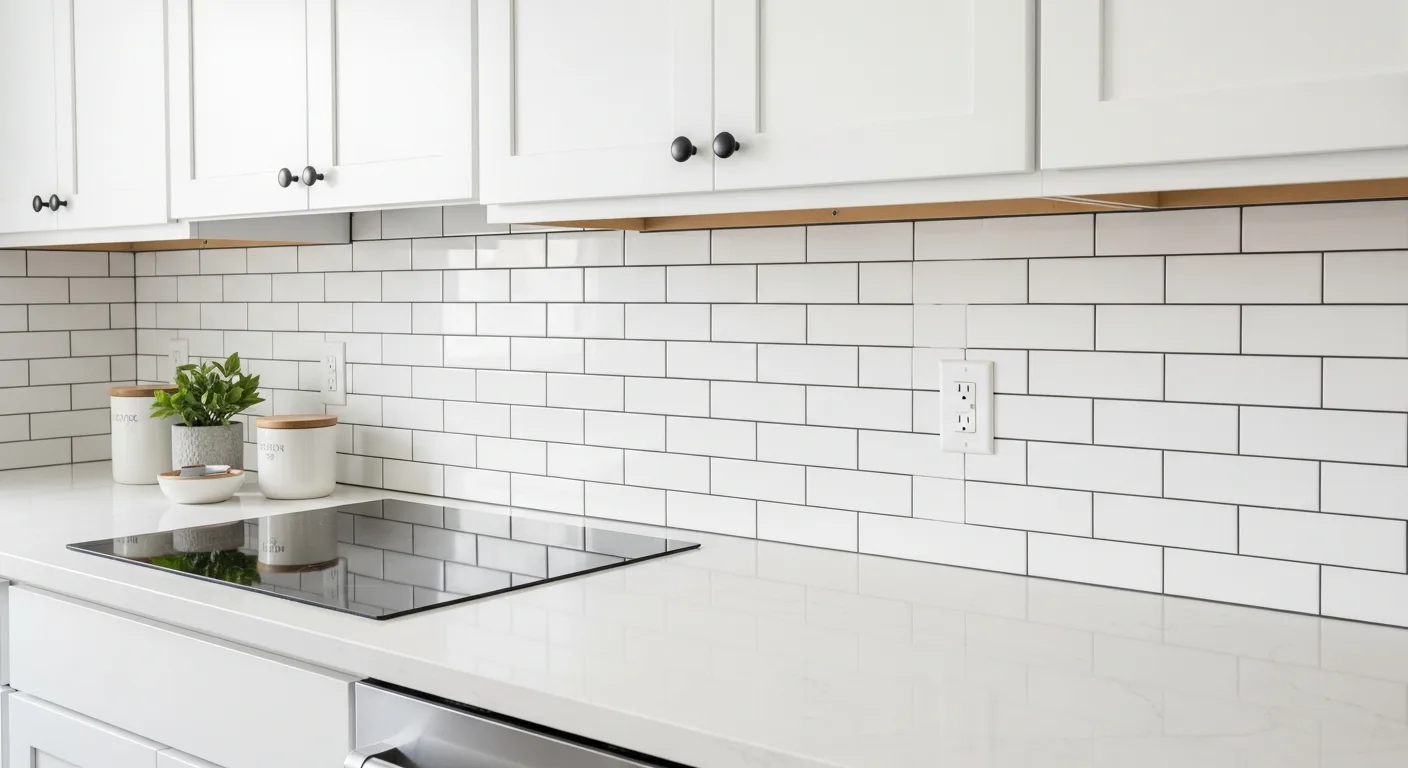
Can You Install a Backsplash Directly on Drywall?
In most kitchens, yes — standard tile goes right over sound drywall. The answer changes when the wall is painted glossy, damaged, or you have picked a heavy natural stone. Here is how to tell which situation you are in.
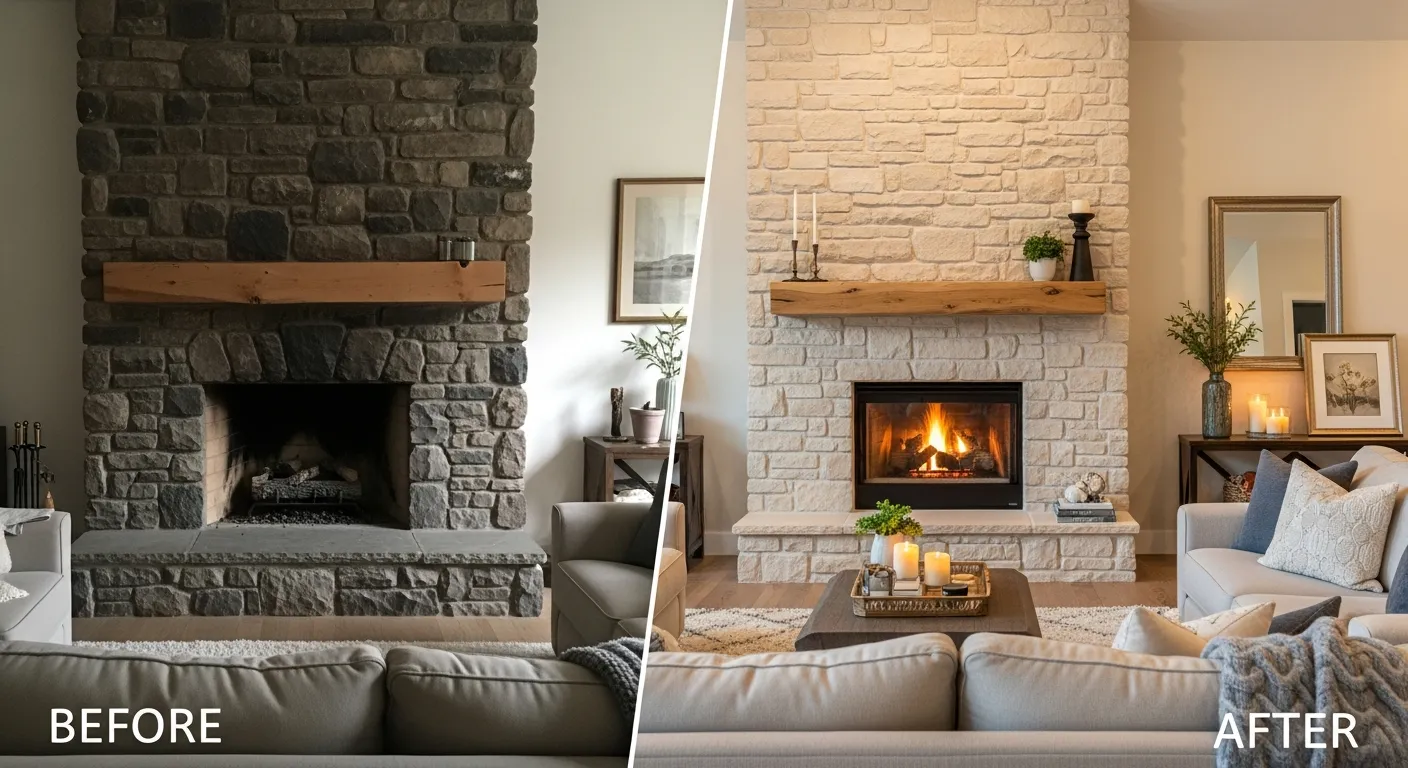
Fireplace Remodel in Michigan: Options and What to Expect
From a simple mantel update to a full stone surround transformation, here is what goes into a fireplace remodel in West Michigan.
Fireplace Resurfacing: Materials, Process, and What to Expect
Thinking about resurfacing your fireplace? Here is a straightforward look at the material options and process for West Michigan homeowners.
Tile Contractor Services Across West Michigan
Adam Baker Masonry serves homeowners throughout the Grand Rapids area and West Michigan. Select your city for local tile installation details.