
Grout Repair Guide for Grand Rapids Homeowners
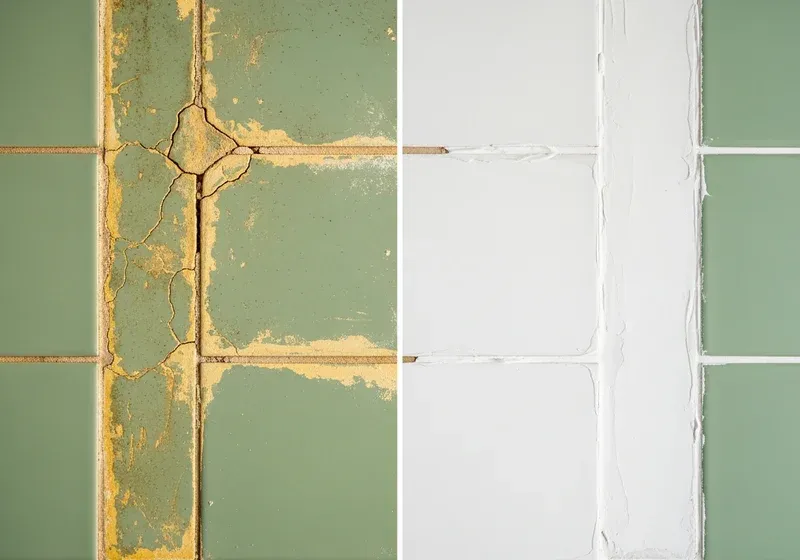
Cracked or crumbling grout can be repaired by removing the damaged material and applying fresh grout — you do not need to replace the tile. Whether to repair a section or replace all of it depends on how widespread the damage is, what caused it, and whether the tile and substrate are sound. Addressing grout problems early prevents water intrusion and more costly repairs.
How do you repair cracked or crumbling grout?
Grout repair begins by removing the damaged material. A grout saw, oscillating tool with a grout removal blade, or rotary tool is used to cut out the deteriorated grout without damaging the tile edges. The joint is then vacuumed clean of all debris and dust. New grout matched to the existing grout color is applied, packed firmly into the joint, and tooled to match the existing profile. Once cured, the new grout is sealed. The result is a joint that performs as well as the original — grout does not need the full tile to be replaced to achieve a proper repair.
Can you put new grout over old grout?
Applying new grout over existing grout is not a recommended repair approach. The new layer is too thin to cure properly, does not bond adequately to old grout, and tends to crack and crumble within a short time. Proper grout repair requires removing the old material back to a solid base before applying new. The removal step is what separates a repair that lasts from a surface fix that fails.
What causes grout to crack or fail?
The most common cause of grout failure is movement in the substrate. Tile set on a floor or wall that flexes — a subfloor with too much give, a wall that experiences structural movement — will crack at the grout joints because grout is rigid and does not flex with the substrate. Other causes include improper installation (too little water in the mix, improper curing, insufficient joint depth), using the wrong grout type for the joint width, and normal aging in high-use areas. Understanding the cause matters because repairing the symptom without addressing the underlying issue leads to the same failure again.
How do you know when grout needs to be replaced versus patched?
Spot patching is appropriate when cracking or deterioration is limited to a few joints and the cause was a one-time event — a dropped heavy object, a single movement event in the substrate since resolved. Full grout replacement is more appropriate when deterioration is widespread, when the grout is discolored throughout despite cleaning, or when the original grout was installed with the wrong type or mix and is failing systemically. We assess the scope and cause of grout damage before recommending an approach.
How long does professional grout repair last?
Professionally repaired grout, applied correctly over a properly cleaned and prepped joint, performs as well as original installation and should last for many years. The longevity depends on the cause of the original failure — if the root cause was substrate movement that has been addressed, the repair holds. If the substrate continues to flex, grout in those joints will crack again regardless of the quality of the repair. Sealing the grout after repair extends its life by reducing moisture penetration. Contact Adam Baker Masonry at (616) 612-1284 for tile grout repair and cracked tile replacement in Grand Rapids — our tile contractor services cover grout work as part of larger kitchen and floor projects.
Frequently Asked Questions
How do you repair cracked grout without replacing the tile?
Remove the damaged grout with a grout saw or oscillating tool, clean the joint thoroughly, and apply new grout matched to the existing color. Pack it firmly into the joint, tool it to match the existing profile, and seal once cured. Done correctly, a grout repair is as durable as the original installation and does not require removing or replacing any tile.
Can you apply new grout over old grout?
No — this is a common shortcut that fails quickly. New grout applied over existing grout is too thin to cure properly and does not bond adequately to the old material. The repair will crack and crumble within a short time. Proper grout repair requires removing all of the old material back to a solid base before applying new grout.
What causes grout to crack after tile installation?
The most common cause is movement in the substrate beneath the tile. A subfloor with too much flex, structural settlement, or movement in the wall assembly transmits stress to the grout joint, which cracks because it is rigid. Other causes include incorrect grout mix, wrong grout type for the joint width, and insufficient curing during the original installation.
How do I know if my grout needs full replacement or just patching?
Spot patching is appropriate for isolated cracks or damage in a few joints. Full replacement is more appropriate when the problem is widespread, when the grout is discolored or failing systemically, or when the original installation used the wrong grout type. We assess the scope and cause of the damage before recommending which approach will produce a lasting result.
Should grout be sealed after repair?
Yes. Sealing grout after repair reduces moisture penetration and staining, extending the life of the repair. Grout sealer is applied after the grout has fully cured. In high-use areas like mudrooms, entryways, and kitchen floors, sealed grout maintains its appearance longer and is significantly easier to clean.
Need Professional Help?
If you've identified masonry issues or need a professional inspection, we're here to help. Adam Baker Masonry serves Grand Rapids and the surrounding 50-mile area.
Related Articles
Can You Install a Backsplash Directly on Drywall?
In most kitchens, yes — standard tile goes right over sound drywall. The answer changes when the wall is painted glossy, damaged, or you have picked a heavy natural stone. Here is how to tell which situation you are in.
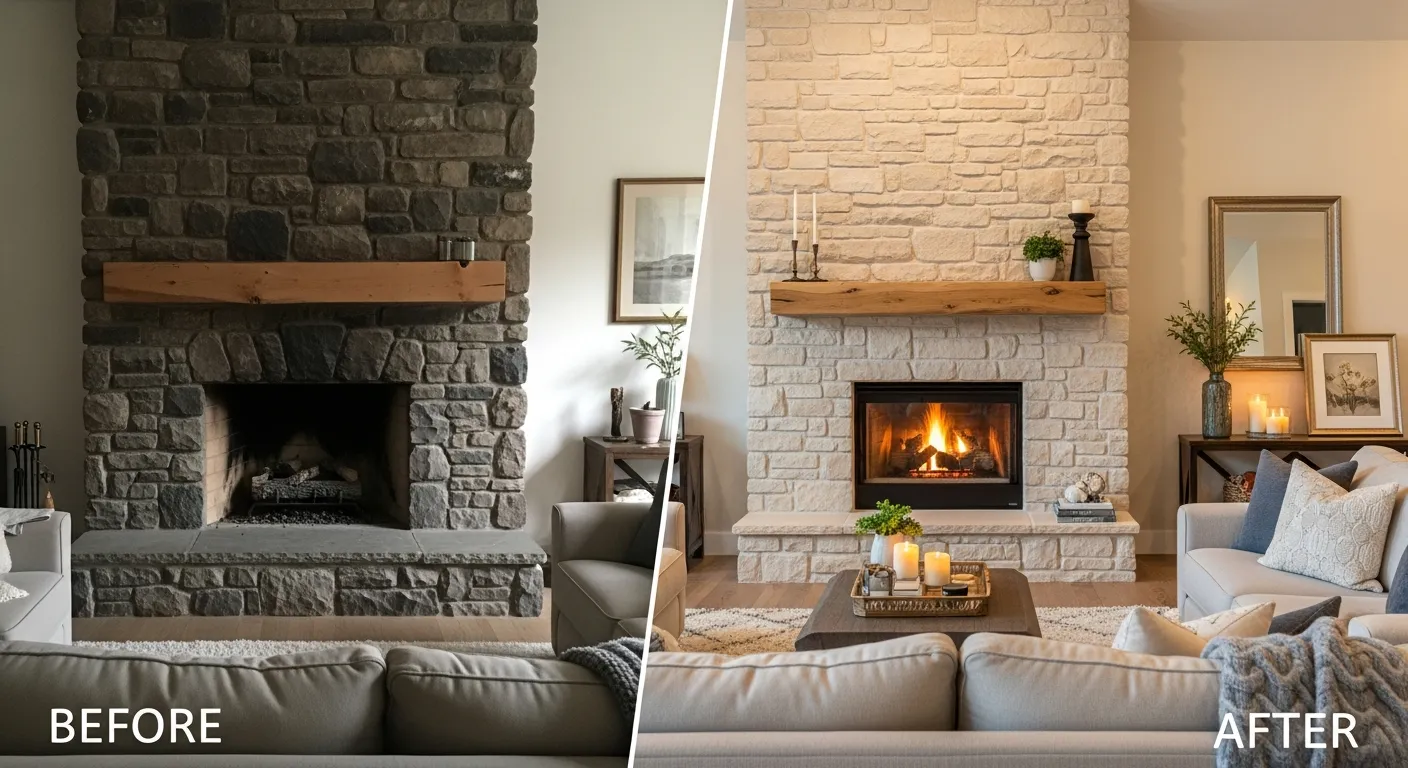
Fireplace Remodel in Michigan: Options and What to Expect
From a simple mantel update to a full stone surround transformation, here is what goes into a fireplace remodel in West Michigan.
Fireplace Resurfacing: Materials, Process, and What to Expect
Thinking about resurfacing your fireplace? Here is a straightforward look at the material options and process for West Michigan homeowners.
Tile Contractor Services Across West Michigan
Adam Baker Masonry serves homeowners throughout the Grand Rapids area and West Michigan. Select your city for local tile installation details.