
Herringbone Tile: Floors, Backsplashes, and Accent Walls in West Michigan Homes
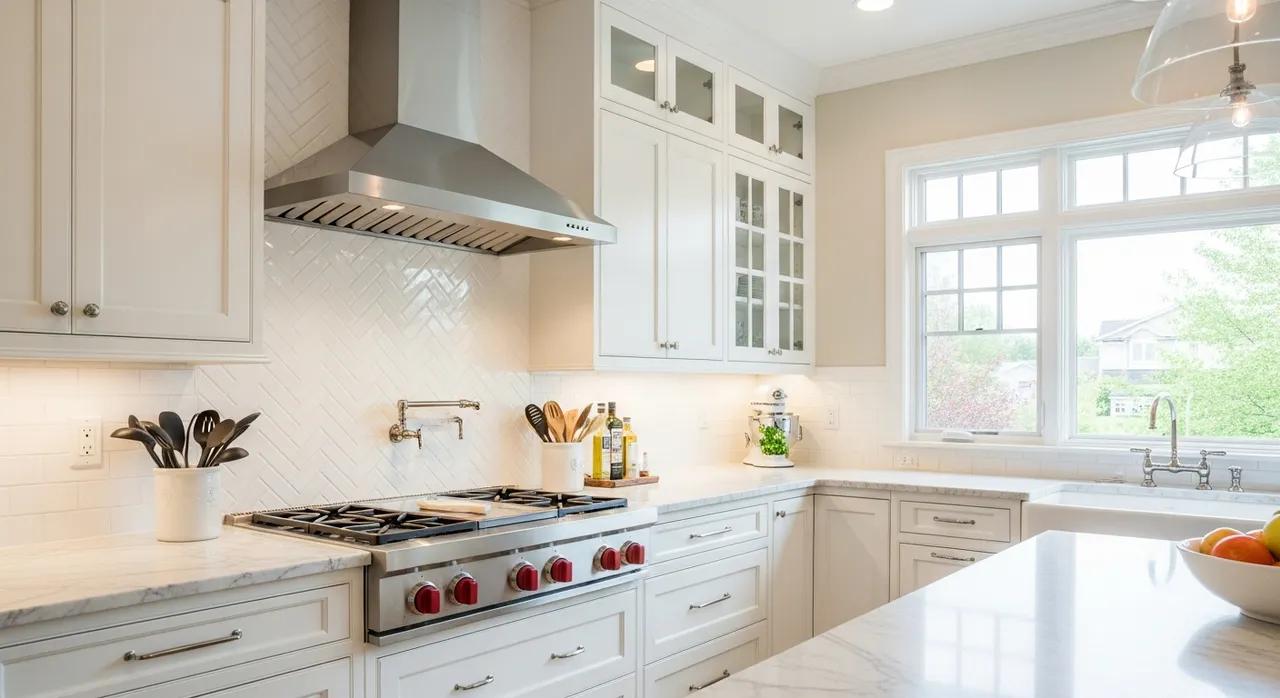
Herringbone is a rectangular tile pattern where tiles are set at 90-degree angles to each other in alternating rows, creating a V-shaped zigzag across the surface. It costs more to install than a straight grid — every tile needs two angle cuts and the layout demands more precision — but the visual result is more dynamic and interesting than any standard pattern. In West Michigan homes, herringbone works on kitchen backsplashes, entryway floors, accent walls, and fireplace surrounds.
What Is Herringbone Tile?
Herringbone uses standard rectangular tiles laid at right angles to each other in alternating rows, producing a zigzag pattern that creates movement and visual interest across a surface. The name refers to the resemblance to the skeleton of a herring fish. Unlike chevron — a related pattern that uses tiles cut at 45-degree angles to form a point-to-point V — herringbone uses unmodified rectangular tiles set at 90 degrees. This makes herringbone more practical for residential installation: it does not require custom-cut tiles and is more forgiving of the dimensional variation found in most standard tile products.
Is Herringbone Tile More Expensive to Install Than Straight Tile?
Yes — herringbone installation costs more than a straight grid or offset layout for two reasons: every tile requires two angle cuts, and the layout demands more planning and precision to keep the pattern aligned across a large surface. The cuts generate more waste than a straight-set installation, so additional tile material needs to be ordered. Most clients find the visual result worth the premium — a herringbone surface has a finish quality and intentionality that a straight-set grid does not match. For a West Michigan kitchen backsplash, the additional cost over a standard offset layout is meaningful but not dramatic.
What Tile Size Works Best for Herringbone?
Standard 3x6 subway tile is the classic herringbone choice — particularly for backsplash applications — and one of the most consistently satisfying installations. At this scale, the pattern is detailed and textured without being overwhelming. A 4x12 or 4x16 tile creates a bolder, more graphic herringbone that works well in contemporary interiors or when the wall is meant to be a strong focal point. On floors, small-format tile in a herringbone pattern suits entryways and laundry rooms where the room scale matches the pattern's detail level. Large-format herringbone in 12x24 tile works in open-concept living areas and larger entryways where a smaller tile would feel too busy.
What Is the Difference Between Herringbone and Chevron Tile?
Both patterns create a zigzag effect, but they are constructed differently. Herringbone uses standard rectangular tiles set at 90 degrees to each other — the ends of adjacent tiles meet the sides of their neighbors. Chevron uses tiles cut at 45-degree angles so that the ends meet point to point, forming a smooth V at each meeting point. Chevron has a cleaner, more seamless look; herringbone has a brick-like stagger at the meeting points that gives it more texture. Herringbone is more common in residential installations because it uses standard tile dimensions and is more forgiving of size variation between tiles.
What Grout Color Should You Use With Herringbone Tile?
For a subtle result, match the grout color closely to the primary tone of the tile. The pattern reads clearly but does not dominate — the surface is interesting without being loud. This is the approach most West Michigan clients prefer for kitchen backsplashes. For a bold, graphic result, use contrasting grout — dark grout between light tile, or light grout between a dark tile. The contrasting approach is most effective when herringbone is deliberately the main feature of an accent wall or an entryway floor. Call Adam Baker Masonry at (616) 612-1284 to discuss herringbone kitchen backsplash installation — our tile contractor services handle floors, backsplashes, and accent walls.
Frequently Asked Questions
Is herringbone tile more expensive to install than a standard pattern?
Yes. Herringbone requires more cuts, more installation time, and generates more waste than straight or offset layouts. Every tile needs two angle cuts, and the pattern must be carefully planned from a center point to stay aligned across a large surface. The visual result is worth the premium for most clients.
What is the difference between herringbone and chevron tile?
Both patterns create a zigzag effect. Herringbone uses standard rectangular tiles set at 90 degrees — ends meeting sides — producing a brick-like stagger at each joint. Chevron uses tiles cut at 45-degree angles so ends meet point to point, creating a smoother V. Herringbone is more common in residential work because it uses standard tile without custom cuts.
What tile size works best for a herringbone backsplash?
Standard 3x6 subway tile is the classic herringbone backsplash choice — detailed and textured without being overwhelming. A 4x12 or 4x16 tile creates a bolder, more graphic pattern suited to contemporary kitchens. The right size depends on your kitchen scale and how prominently you want the pattern to read.
Can herringbone be done with large-format tile on a floor?
Yes — large-format herringbone in 12x24 tile is a strong choice for open-concept living areas and large entryways where a smaller tile would feel too busy. The pattern reads as more architectural at this scale. It requires excellent subfloor preparation and precise installation because there is less margin for error with larger tiles.
What grout color should I use with herringbone tile?
For a subtle, elegant result, use grout that closely matches the tile's primary tone — the pattern reads but does not dominate. For a bold, graphic effect, use contrasting grout. Most West Michigan clients prefer the subtle approach for kitchens and the contrasting approach when herringbone is the feature of an accent wall or entryway floor.
Need Professional Help?
If you've identified masonry issues or need a professional inspection, we're here to help. Adam Baker Masonry serves Grand Rapids and the surrounding 50-mile area.
Related Articles
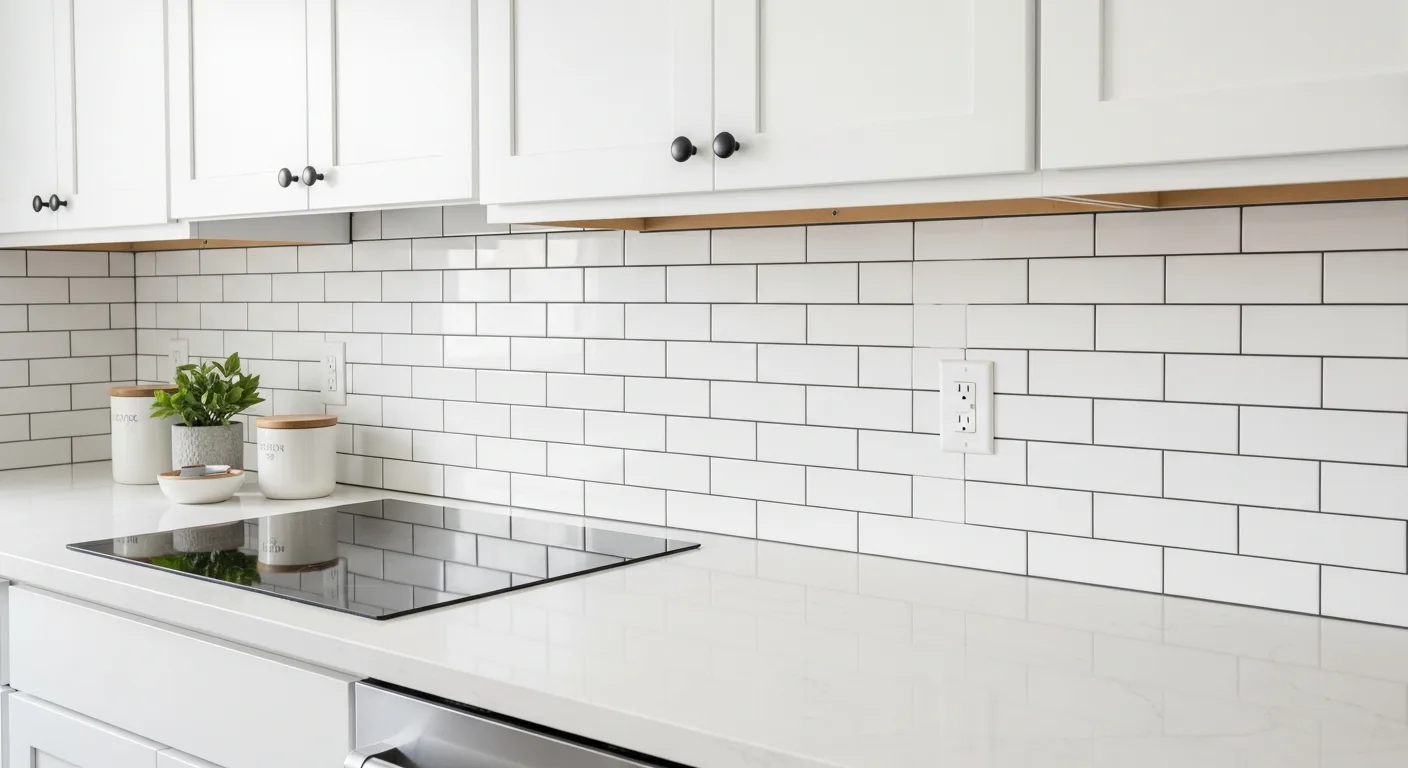
Can You Install a Backsplash Directly on Drywall?
In most kitchens, yes — standard tile goes right over sound drywall. The answer changes when the wall is painted glossy, damaged, or you have picked a heavy natural stone. Here is how to tell which situation you are in.
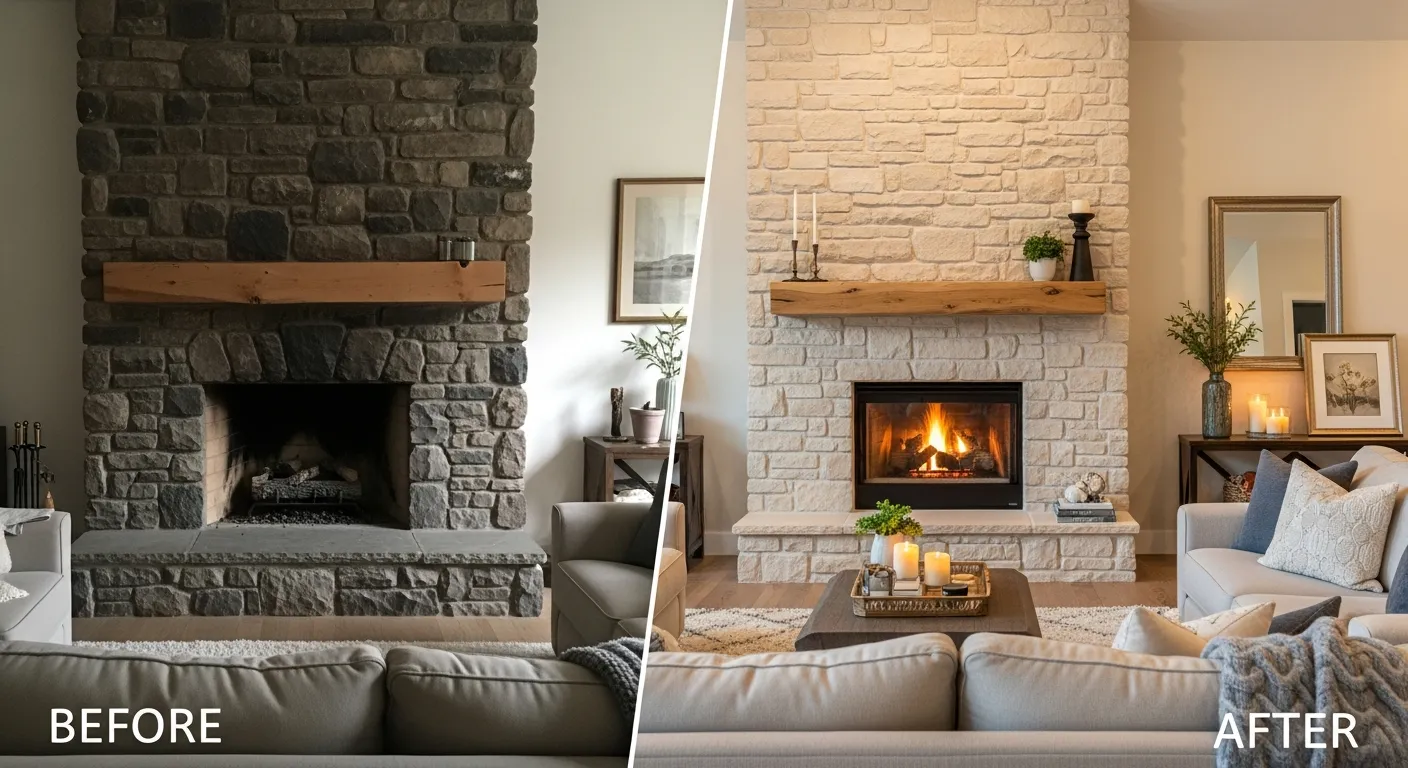
Fireplace Remodel in Michigan: Options and What to Expect
From a simple mantel update to a full stone surround transformation, here is what goes into a fireplace remodel in West Michigan.
Fireplace Resurfacing: Materials, Process, and What to Expect
Thinking about resurfacing your fireplace? Here is a straightforward look at the material options and process for West Michigan homeowners.
Tile Contractor Services Across West Michigan
Adam Baker Masonry serves homeowners throughout the Grand Rapids area and West Michigan. Select your city for local tile installation details.