
Restoring Historic Masonry: Preserving Your Home's Character
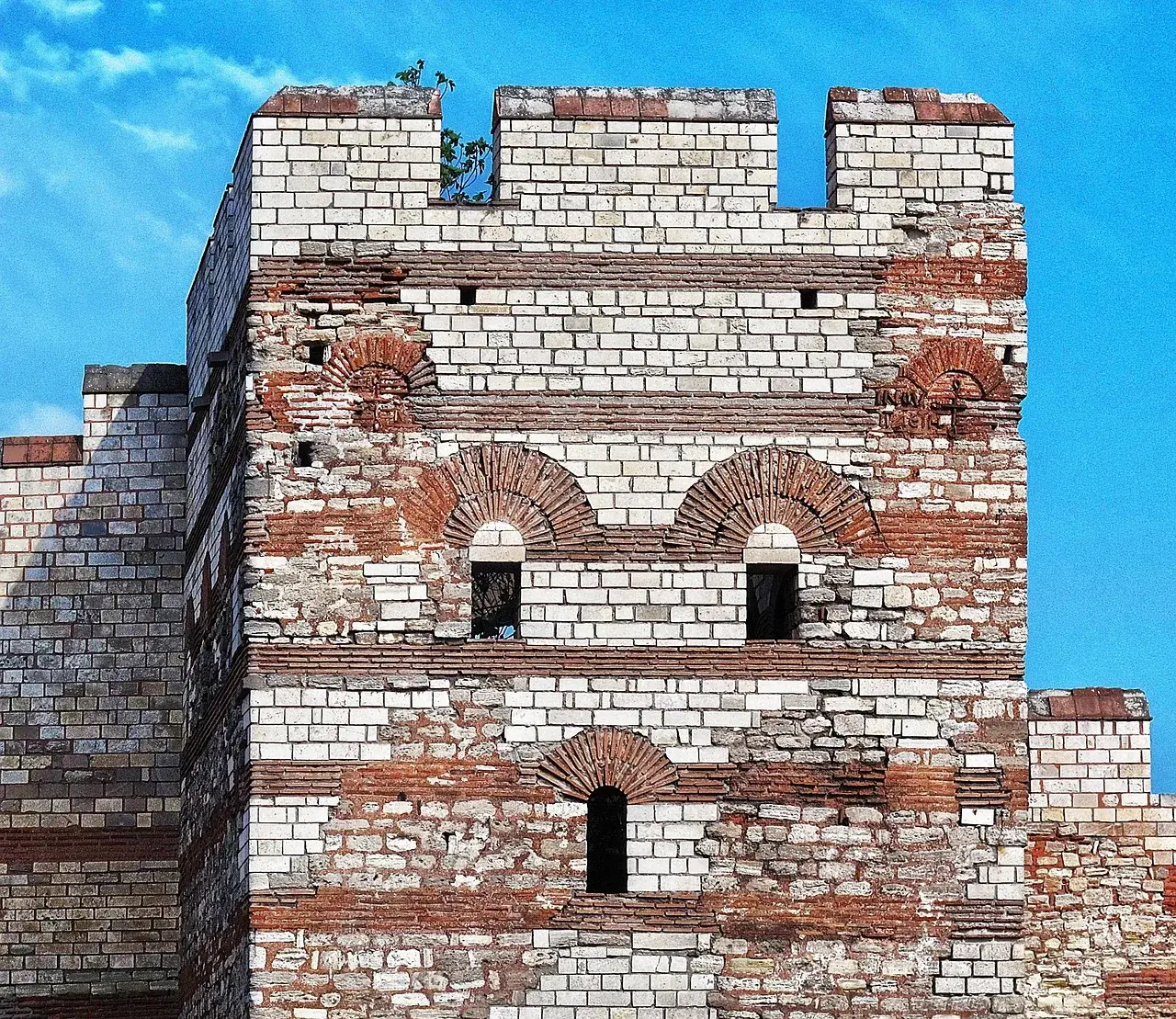
Why does historic masonry need special care?
Grand Rapids and West Michigan have beautiful historic homes worth preserving. But restoring older masonry requires different techniques than modern construction.
What is the biggest mistake in historic mortar work?
The #1 mistake we see: using modern mortar on old bricks. Modern Portland cement mortars are much harder than the soft lime mortars used in pre-1920s construction. This mismatch causes the softer bricks to crack and spall.
Historic lime mortars were designed to be softer than brick. They absorb stress, flex with building movement, and let moisture escape. When you replace them with rigid modern mortar, the brick becomes the weak point.
What's the #1 Mistake in Historic Repairs?
The #1 mistake we see: using modern mortar on old bricks. Modern Portland cement mortars are much harder than the soft lime mortars used in pre-1920s construction. This mismatch causes the softer bricks to crack and spall.
Historic lime mortars were designed to be softer than brick. They absorb stress, flex with building movement, and let moisture escape. When you replace them with rigid modern mortar, the brick becomes the weak point.
Why Does Lime-Based Mortar Matter?
Proper historic repointing uses lime-based mortars that match the original. This requires skill and materials that many contractors don't have. Always ask specifically about mortar composition, and work with a masonry contractor who handles historic properties.
How do you match historic Michigan brick?
Matching historic brick is another challenge. Many Michigan bricks from the 1800s and early 1900s came from local brickyards that no longer exist. We source reproduction and salvage bricks to achieve proper matches.
How Should Historic Masonry Be Cleaned?
Cleaning historic masonry requires gentle methods. Harsh chemicals or high-pressure washing can permanently damage old brick faces. Low-pressure washing with appropriate cleaners is the safe approach — or professional masonry cleaning that won't erode soft historic mortar.
Historic sandstone and limestone require specialized knowledge. These softer stones are common in Grand Rapids architecture and deteriorate differently than brick.
Tuckpointing decorative patterns was common in historic masonry. Skilled craftsmen created contrasting joint colors and elaborate designs that should be preserved in restoration work — our brick restoration team handles spalling repair and unit replacement on heritage homes.
Are tax credits available for historic restoration?
Tax credits may be available for qualifying historic restoration projects. We can provide documentation that meets historic preservation standards.
Preserving historic masonry protects your property value and your neighborhood's character. Contact us for a historic restoration consultation on your historic home, or browse our full building restoration services for heritage homes across West Michigan.
Frequently Asked Questions
Why can't I use modern mortar on old brick?
Modern Portland cement mortars are much harder than the soft lime mortars used in pre-1920s construction. The mismatch causes the softer historic bricks to crack and spall.
How do you match historic brick for restoration?
Many Michigan bricks from the 1800s and early 1900s came from local brickyards that no longer exist. Specialty suppliers stock reproduction and salvage bricks that achieve proper matches for historic repairs.
Can I pressure wash historic brick?
No. Cleaning historic masonry requires gentle methods. Harsh chemicals or high-pressure washing can permanently damage old brick faces. Low-pressure washing with appropriate cleaners is the safe approach.
Need Professional Help?
If you've identified masonry issues or need a professional inspection, we're here to help. Adam Baker Masonry serves Grand Rapids and the surrounding 50-mile area.
Related Articles
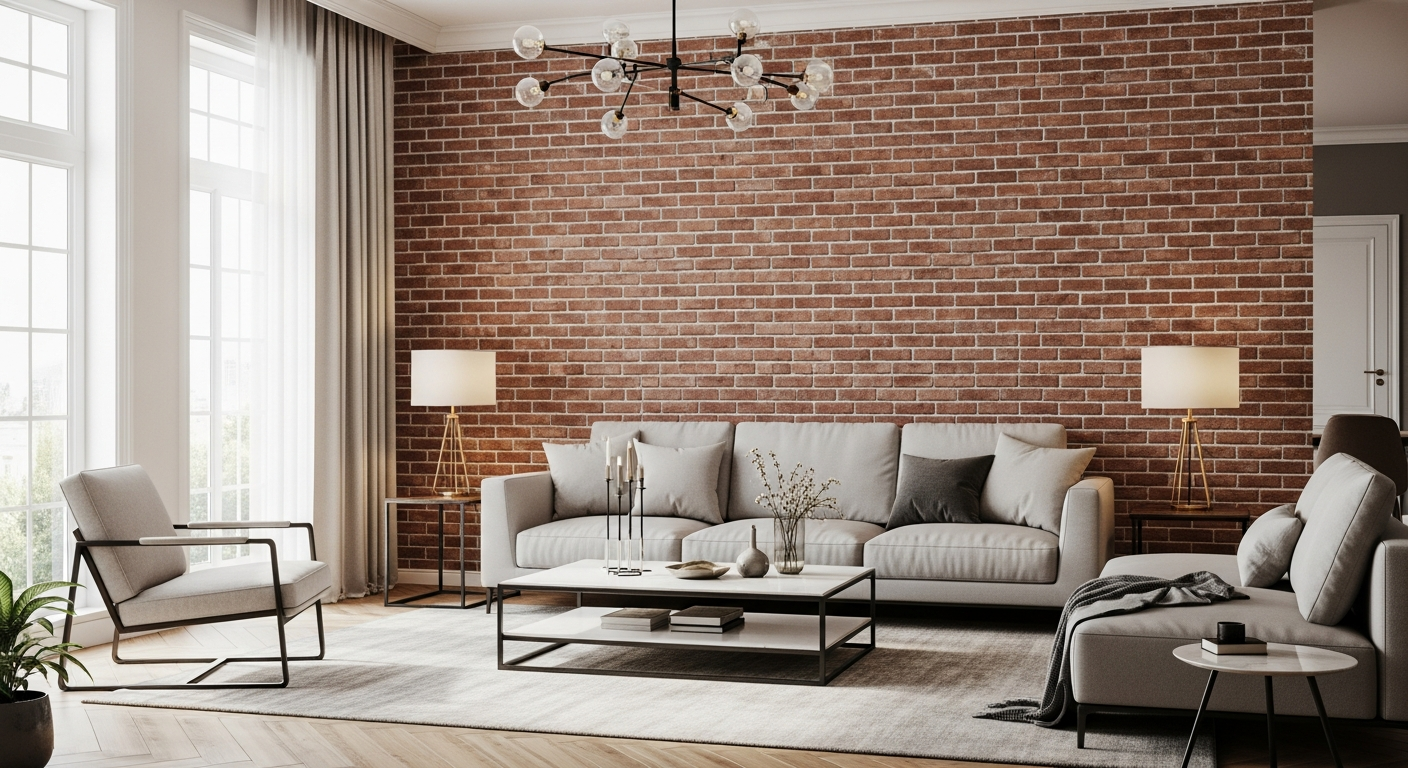
Thin Brick Accent Walls: Creating the Interior Brick Look in West Michigan Homes
A thin brick accent wall brings character and texture to living rooms, dining areas, and kitchens — without the weight or cost of full masonry. Here is what West Michigan homeowners should know about materials, process, and what to expect.
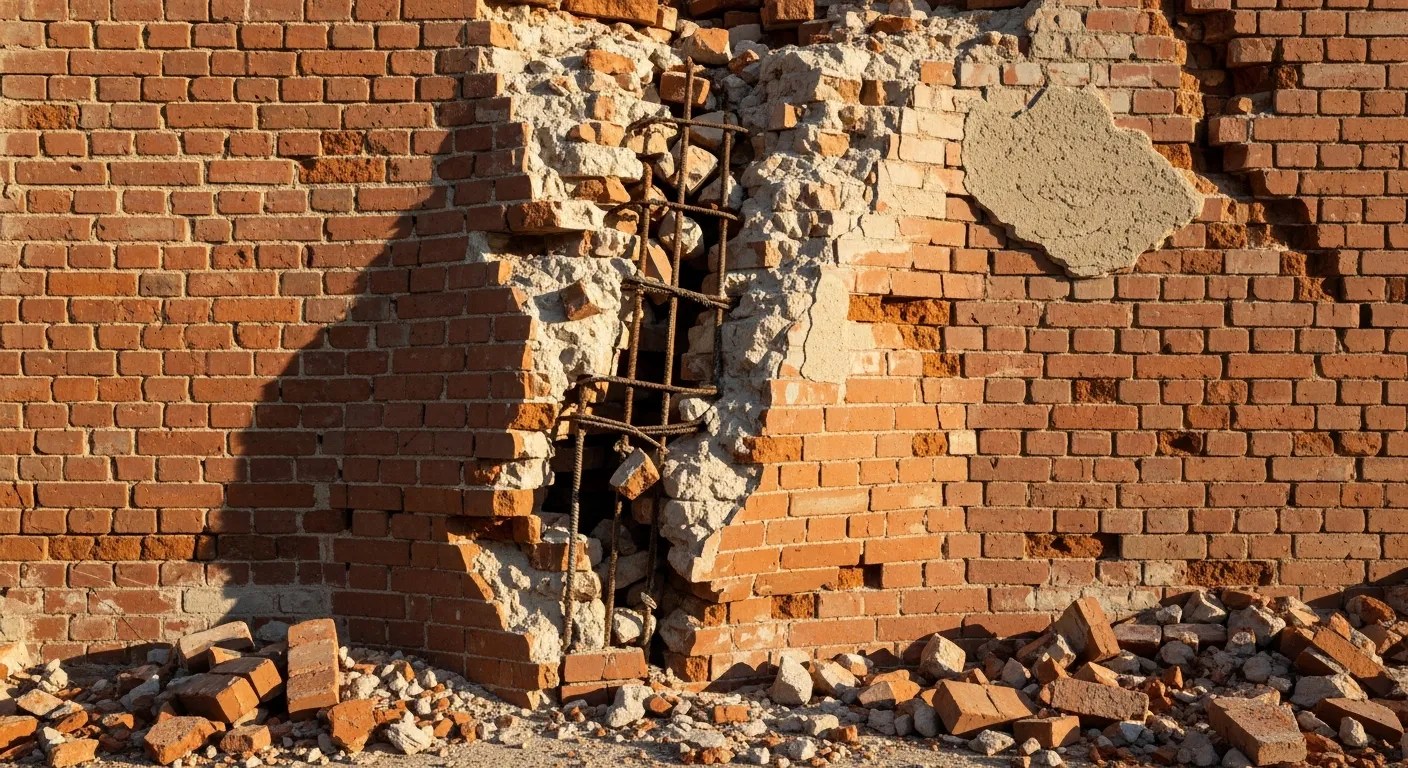
Masonry Emergencies: When to Call for Immediate Help
Some masonry problems can't wait. Learn which issues require emergency attention and how to protect your home until help arrives.
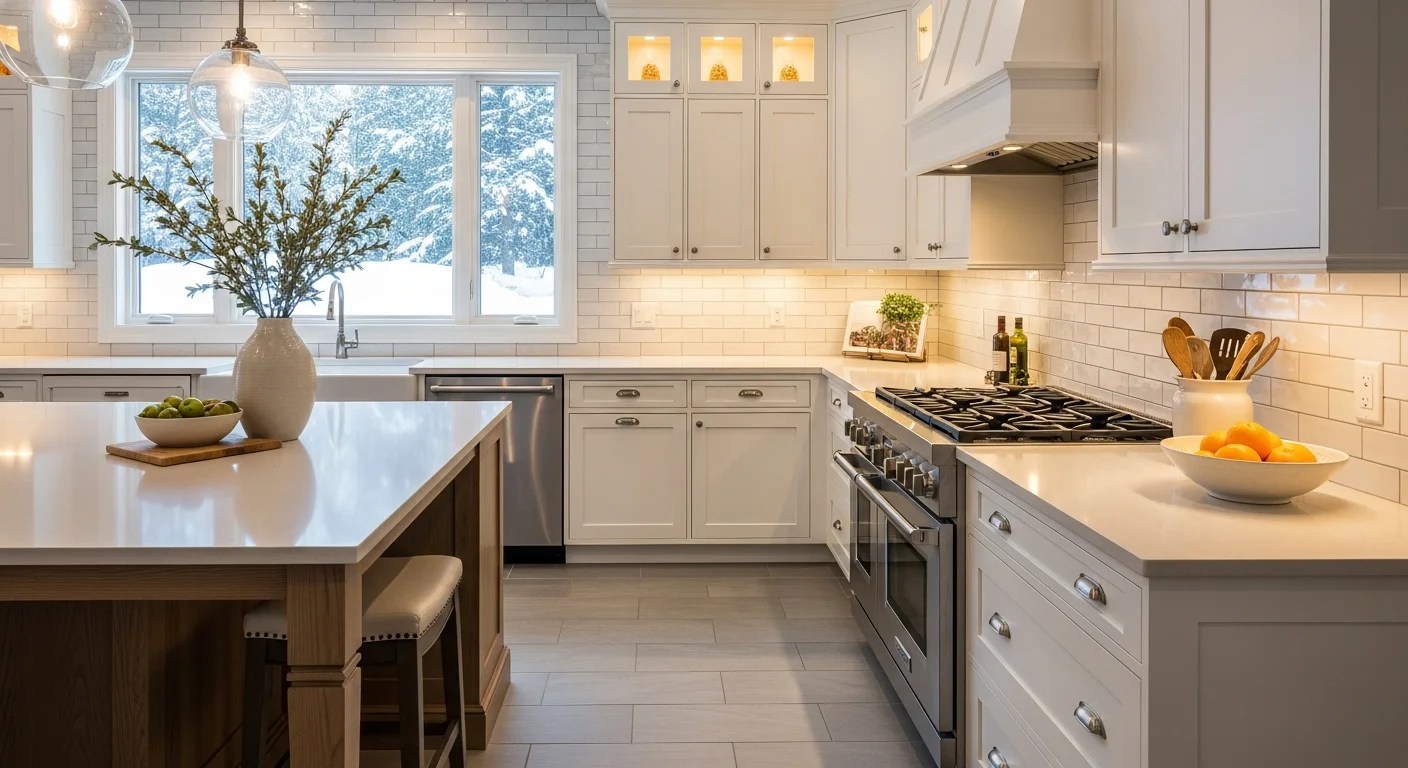
Why Tile Is the Best Indoor Home Improvement for West Michigan Winters
If you are planning a home improvement project for the Michigan winter months, tile delivers one of the strongest combinations of durability, resale impact, and scheduling flexibility of any indoor upgrade.