
Which Brick Should I Use? A Guide to Michigan Brick Types
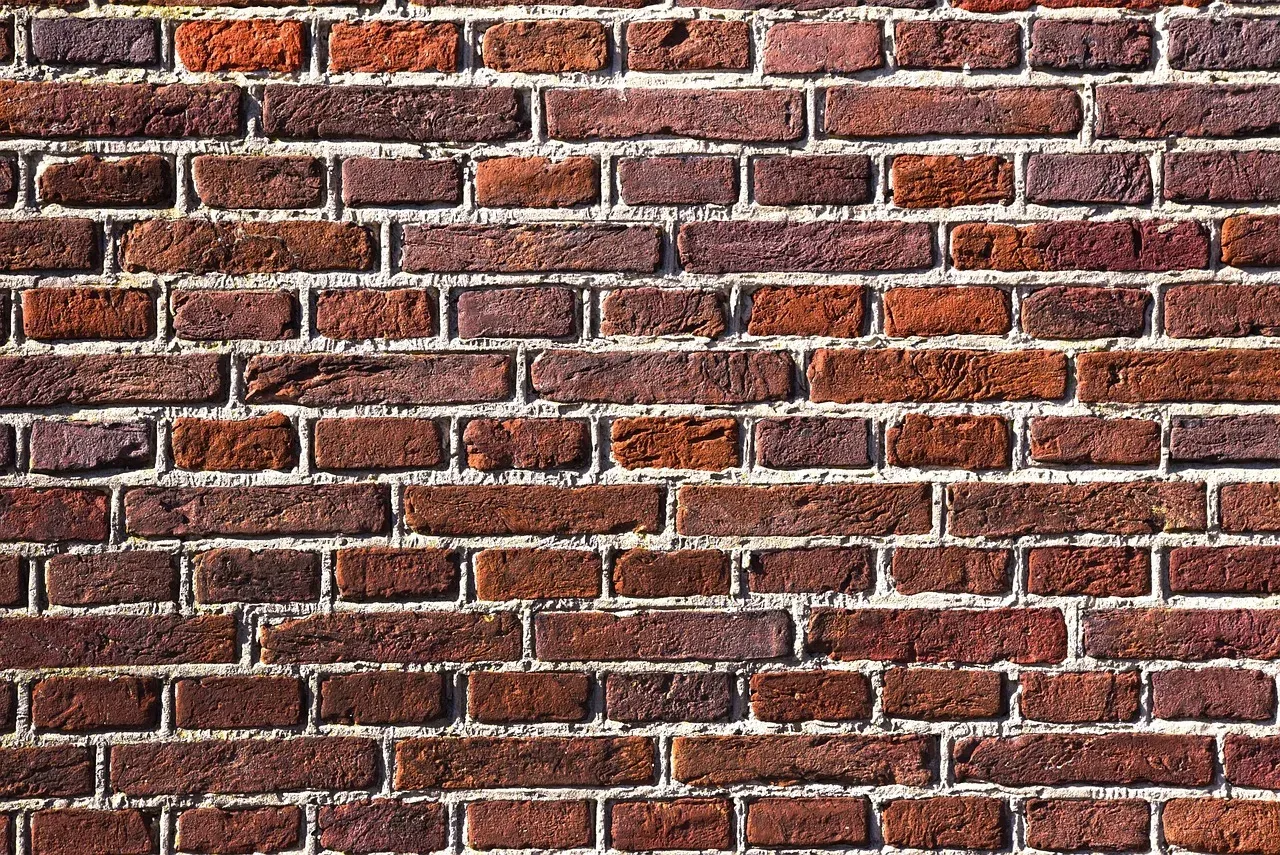
What kinds of brick are common in Michigan homes?
Michigan has a rich brick-making history dating to the 1800s. Many Grand Rapids area homes feature locally-made bricks with distinctive colors and textures that can be challenging to match for repairs.
What Brick Types Are Common in Michigan?
Traditional red clay bricks are the most common. These get their color from iron in the clay. Shades range from pale salmon to deep burgundy depending on the clay source and firing temperature.
What about buff, cream, and clinker bricks?
Buff and cream-colored bricks were popular in Michigan from the 1920s through 1940s. Many Arts and Crafts and Colonial Revival homes feature these lighter bricks. They're harder to source for repairs today.
Clinker bricks have an irregular, almost melted appearance. They were originally kiln 'mistakes' that became prized for their character. Craftsman-style homes often feature clinker brick accents.
How do brick textures and finishes differ?
Sand-struck bricks have a textured, sandy surface. Wire-cut bricks show fine parallel lines. Molded bricks may have brand stamps or decorative patterns. These details matter when matching for repairs.
How do you match brick for repairs?
For repairs to existing masonry, matching isn't just about color. Size, texture, and mortar joint style all need to match for the repair to blend properly.
We maintain relationships with specialty suppliers who stock reproduction bricks matching common Michigan varieties. For rare bricks, we can sometimes source salvage materials from demolished buildings.
How Do You Match Historic Brick?
For repairs to existing masonry, matching isn't just about color. Size, texture, and mortar joint style all need to match for the repair to blend properly.
We maintain relationships with specialty suppliers who stock reproduction bricks matching common Michigan varieties. For rare bricks, we can sometimes source salvage materials from demolished buildings.
What About New Construction?
For new construction, choose bricks rated for severe weather (SW rating). These are engineered to withstand Michigan's freeze-thaw cycles with minimal moisture absorption.
Historic homes require special attention. Using modern bricks that don't match the original can decrease property value and detract from architectural character. Proper matching is worth the extra effort.
When planning a project, we can show you brick samples and help you select materials that complement your home's existing character while meeting performance requirements for our climate. Interested in bringing brick indoors? Our interior brick accent walls use thin brick veneer or exposed brick restoration to add warmth and texture to any room.
Frequently Asked Questions
What types of brick are common in Michigan homes?
Traditional red clay bricks are most common. Buff and cream-colored bricks were popular from the 1920s through 1940s. Clinker bricks have an irregular character often seen on Craftsman homes. Sand-struck and wire-cut bricks have distinctive textures.
Can old historic brick be matched for repairs?
Yes. Specialty suppliers stock reproduction bricks matching common Michigan varieties, and salvage bricks from demolished buildings can fill in for rare types. Size, texture, and mortar joint style all need to match for a clean repair.
What brick rating should I use for new construction in Michigan?
Choose bricks rated for severe weather (SW rating). These are engineered to withstand Michigan's freeze-thaw cycles with minimal moisture absorption.
Need Professional Help?
If you've identified masonry issues or need a professional inspection, we're here to help. Adam Baker Masonry serves Grand Rapids and the surrounding 50-mile area.
Related Articles
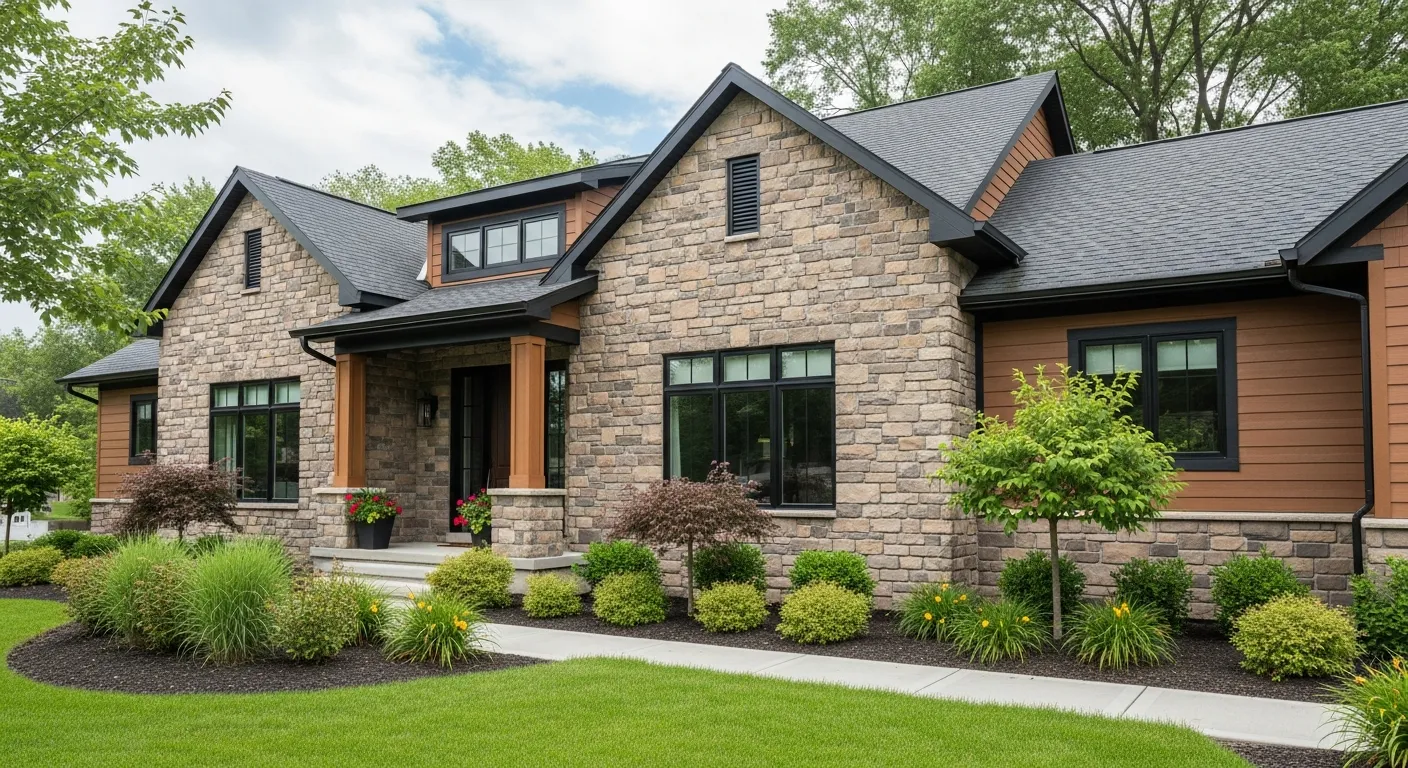
Is Stone Veneer Durable Enough for Michigan Weather?
Manufactured stone veneer is increasingly popular for outdoor kitchens, fireplaces, and accent walls. But can it really handle West Michigan's harsh weather? Here's the truth.
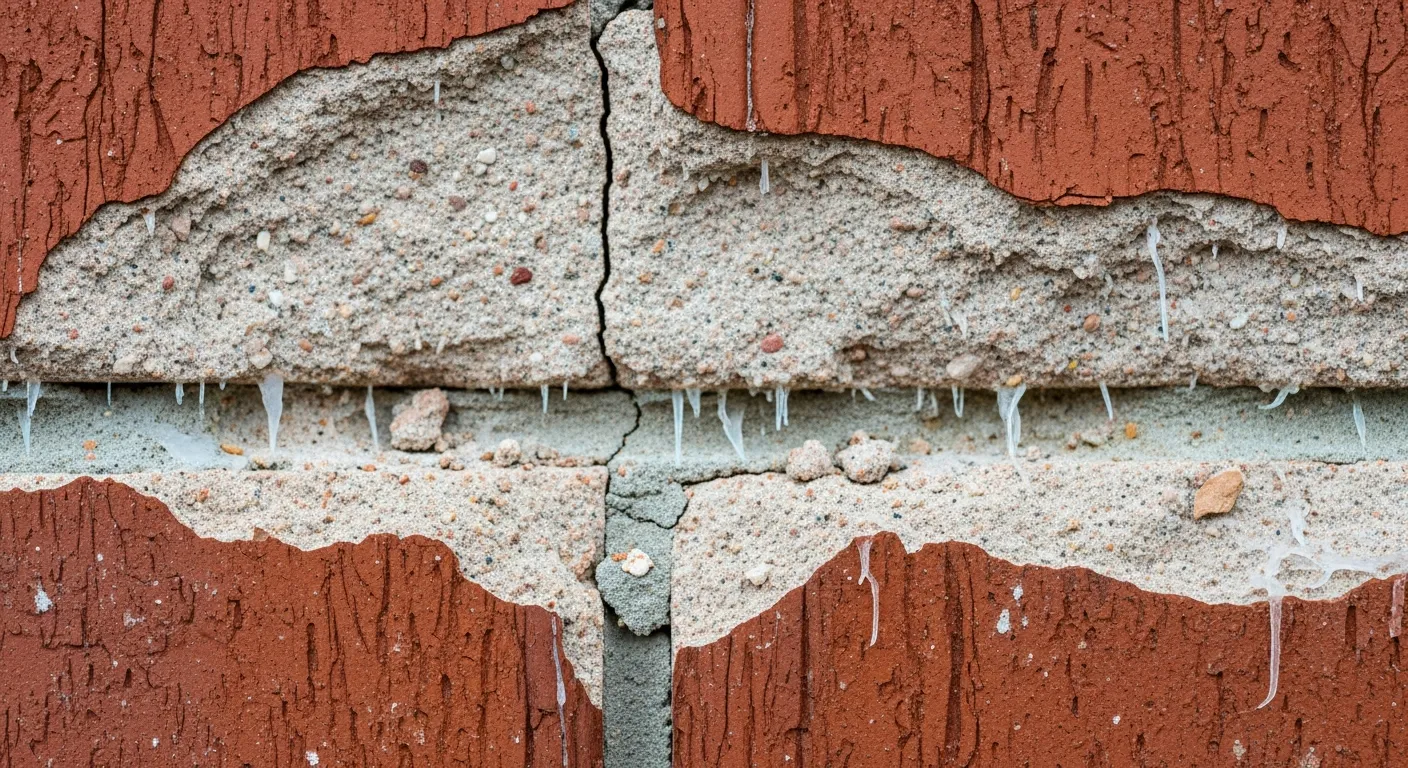
Why Is My Brick Flaking and Peeling Off?
Spalling—when the face of brick flakes away—is one of the most common masonry problems in Michigan. Learn what causes it and whether your bricks can be saved.
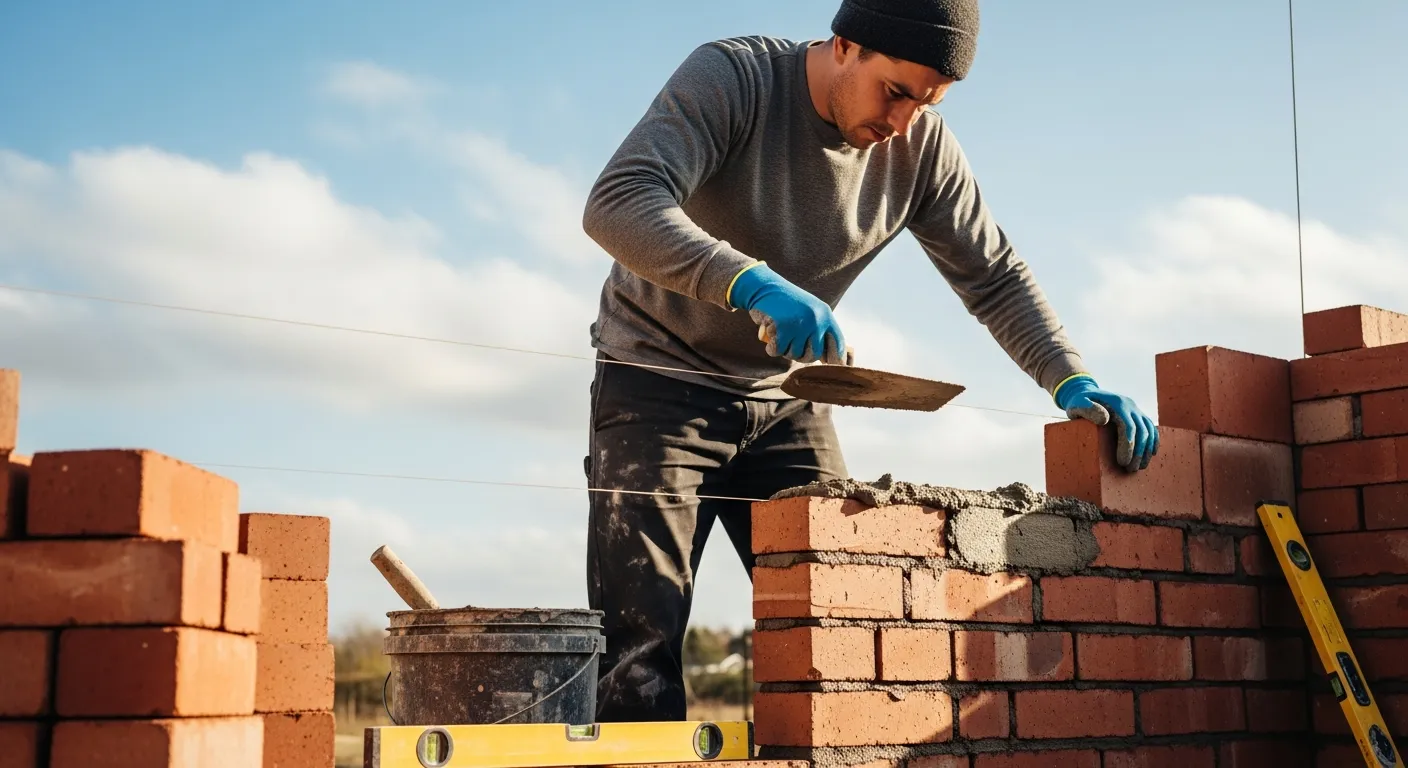
Can I DIY Masonry Repairs or Should I Hire a Pro?
Some masonry repairs are DIY-friendly while others definitely require professional expertise. Here's how to know which is which—and when to call for help.