
How Long Does Tile Installation Take? A West Michigan Homeowner's Guide
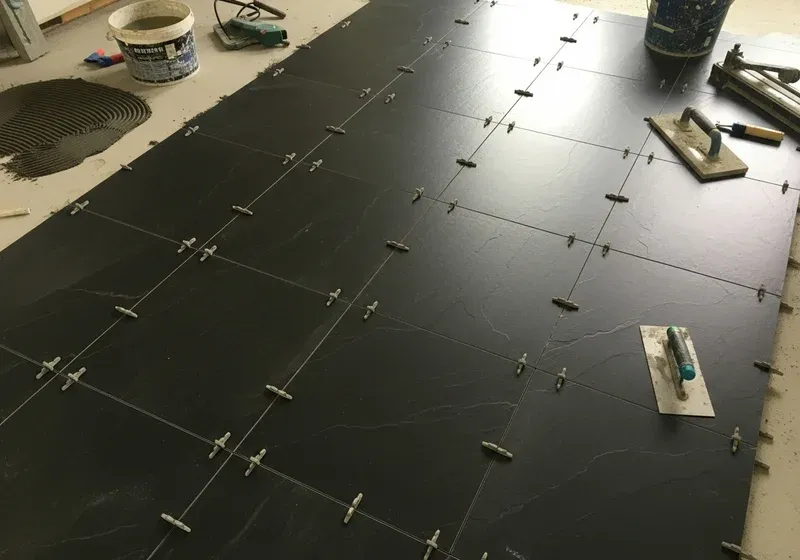
Most tile installations in West Michigan take one to five days depending on scope. A kitchen backsplash typically finishes in one to two days. A full kitchen or main-level floor runs two to four days. The timeline is driven less by the tile itself and more by substrate prep requirements and the curing window between setting and grouting — steps that cannot be rushed without affecting the finished result.
How Long Does a Kitchen Backsplash Take to Install?
A standard kitchen backsplash is a one to two day project. Day one covers layout, cutting, and setting tile. Day two covers grouting after the setting material has cured, outlet cover reinstallation, and final cleaning. More complex backsplash designs — custom patterns, natural stone requiring careful sorting, or areas with many cuts around cabinets and appliances — can extend this to three days. For most West Michigan homes, two working days is the standard.
How Long Does It Take to Tile a Kitchen Floor?
A kitchen floor tile project typically runs two to four days depending on square footage, tile size, and substrate condition. Larger-format tile takes longer because each piece requires careful leveling and alignment with adjacent tiles. Diagonal and herringbone patterns add layout time compared to standard grid or offset installations. If the subfloor needs correction work before tile can be set — leveling, patching, or underlayment installation — that adds time at the front of the project before the tile setting even begins.
How Long Does Tile Fireplace Installation Take?
Tile fireplace refacing typically runs three to five days. The range is wide because fireplace surrounds vary significantly in complexity. A flat surround with standard tile and clean edges moves faster than a project involving a raised hearth, natural stone with custom cuts, or detailed integration with an existing mantel. Mortar cure time is also a factor — tile should not be grouted until the setting material has reached sufficient cure, and that window is built into every fireplace timeline.
Why Does Tile Installation Take Multiple Days?
Tile installation is a two-phase process with a required waiting period between phases. The setting phase places and aligns tile in adhesive mortar. The grouting phase fills the joints — but it cannot start until the setting material has fully cured. Grouting before cure can shift tile alignment and weaken the bond. In a well-heated West Michigan home under normal conditions, one full day between phases is standard. In cooler or less-heated spaces, that window is longer. This is why even simple projects rarely complete in a single day.
What Factors Make a Tile Project Take Longer Than Expected?
Substrate preparation is the most common source of unexpected time. If the subfloor is not flat enough for the tile size selected, it needs to be corrected before installation begins — and that need is not always apparent until the contractor starts assessing the surface. Existing tile or flooring removal also happens before the installation clock starts. Material availability matters too: if tile has not arrived on-site by the project start date, the project waits. Starting the material conversation early is the single most controllable factor in keeping a tile project on schedule.
How Long Before You Can Walk on Newly Installed Tile?
Wait for the setting material to fully cure before putting regular foot traffic on new tile. Your installer will give specific guidance based on the materials used and room conditions. In a well-heated interior space, cure is typically complete within 24 hours of setting. In cooler or higher-humidity conditions — common in West Michigan during winter months — the appropriate wait is longer. Walking on tile before the adhesive has cured can shift tiles out of alignment and break the bond. Call Adam Baker Masonry at (616) 612-1284 for a tile installation estimate in Grand Rapids, or see our tile contractor services for backsplash, floor, and fireplace projects.
Frequently Asked Questions
How long does a kitchen backsplash take to tile?
Most kitchen backsplash projects in West Michigan take one to two days. Day one covers tile layout and setting; day two covers grouting after the mortar cures. Complex patterns, natural stone, or backsplash areas with many cut tiles can extend this to three days.
Can tile installation be done in one day?
Very small projects — a compact accent section or a minor repair — can sometimes complete in a single day. Most complete backsplash, floor, or wall tile projects require at least two days because the setting material must cure before grouting. Rushing that cure window weakens the finished installation.
How long before you can walk on new tile?
In a well-heated interior space, tile setting material typically cures within 24 hours. Your installer will provide specific guidance based on materials and conditions. In cooler or more humid spaces — common in West Michigan during colder months — the appropriate wait is longer before foot traffic.
Does the time of year affect tile installation timelines in Michigan?
For interior projects, the main effect is cure time. Cold temperatures in an unheated or poorly heated space slow adhesive and mortar cure. Most heated interior spaces in West Michigan homes are within the acceptable range year-round, so seasonal impact on interior tile timelines is usually minor.
Need Professional Help?
If you've identified masonry issues or need a professional inspection, we're here to help. Adam Baker Masonry serves Grand Rapids and the surrounding 50-mile area.
Related Articles
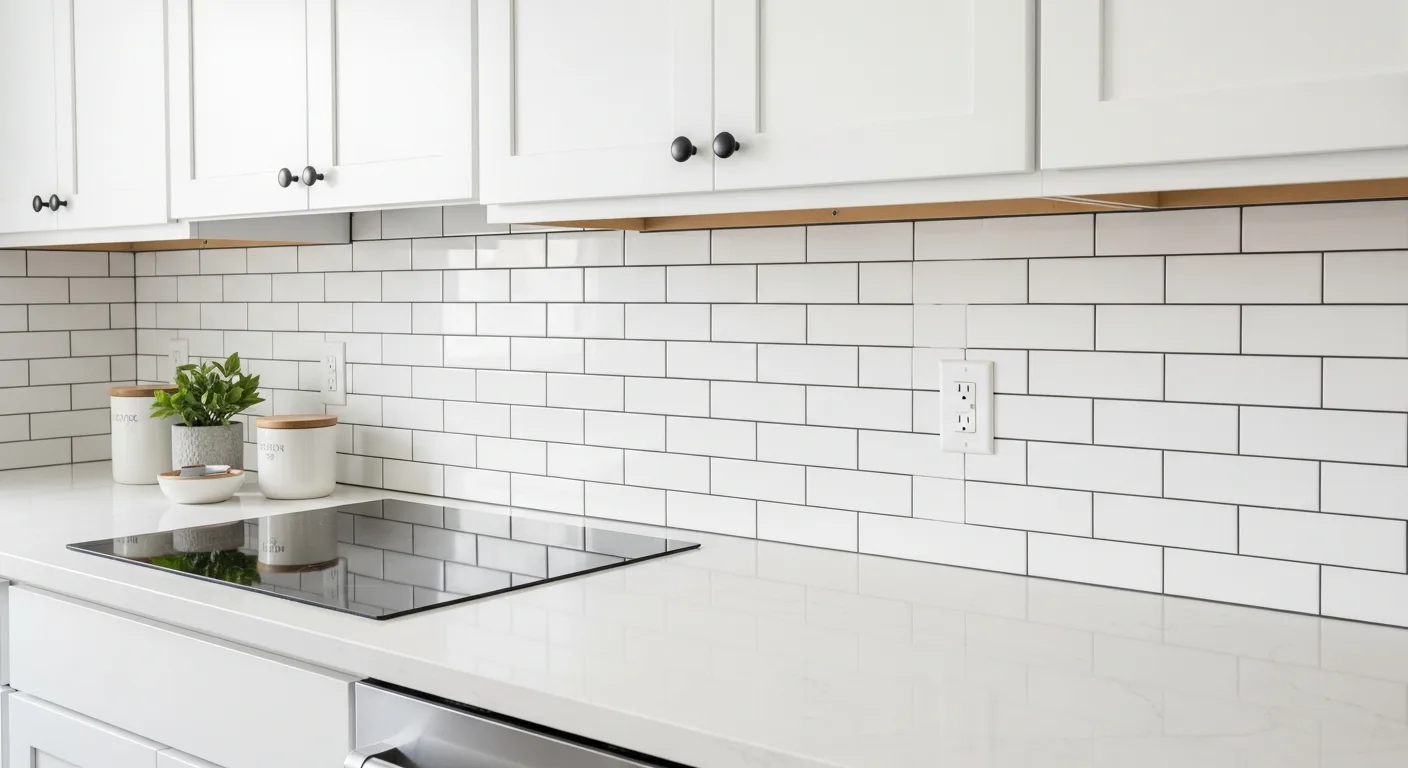
Can You Install a Backsplash Directly on Drywall?
In most kitchens, yes — standard tile goes right over sound drywall. The answer changes when the wall is painted glossy, damaged, or you have picked a heavy natural stone. Here is how to tell which situation you are in.
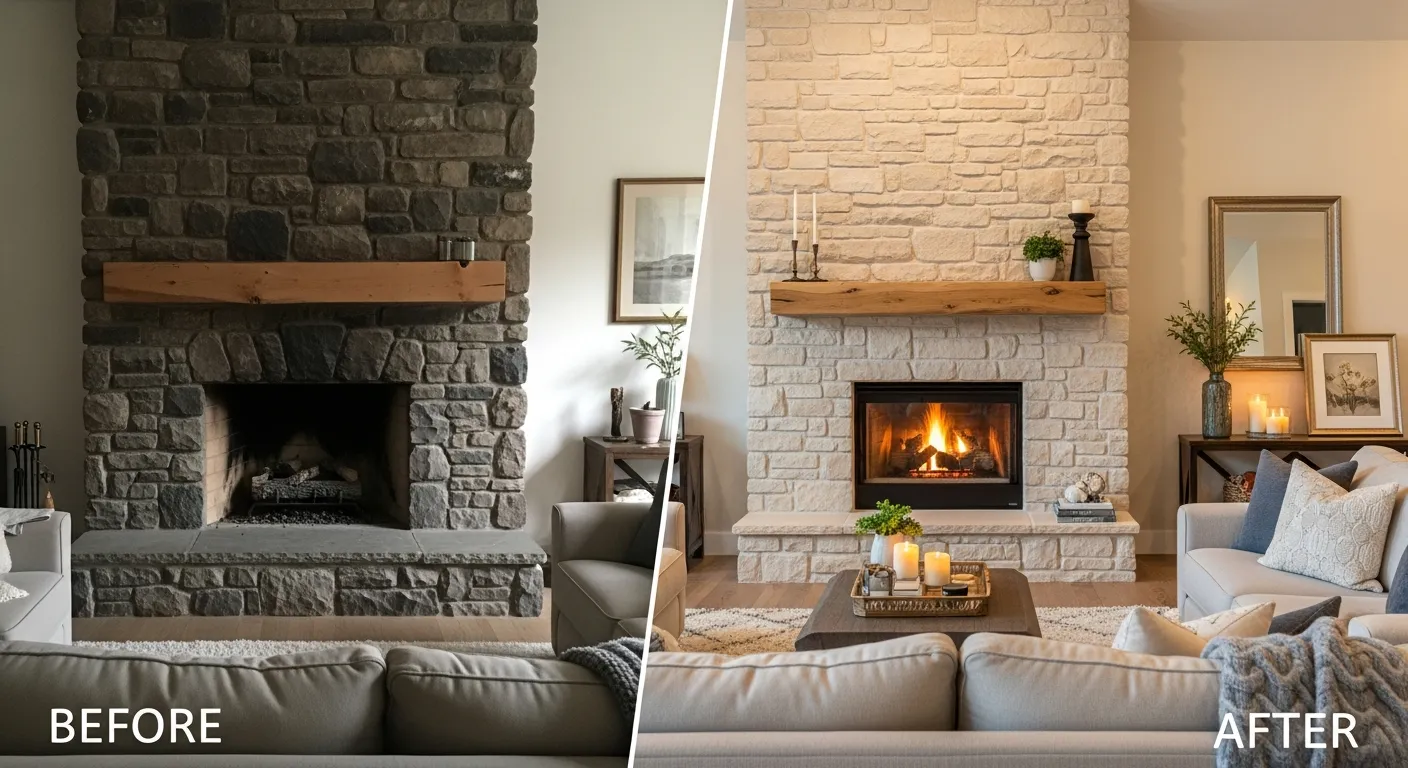
Fireplace Remodel in Michigan: Options and What to Expect
From a simple mantel update to a full stone surround transformation, here is what goes into a fireplace remodel in West Michigan.
Fireplace Resurfacing: Materials, Process, and What to Expect
Thinking about resurfacing your fireplace? Here is a straightforward look at the material options and process for West Michigan homeowners.
Tile Contractor Services Across West Michigan
Adam Baker Masonry serves homeowners throughout the Grand Rapids area and West Michigan. Select your city for local tile installation details.