
How Often Should I Have My Chimney Inspected?
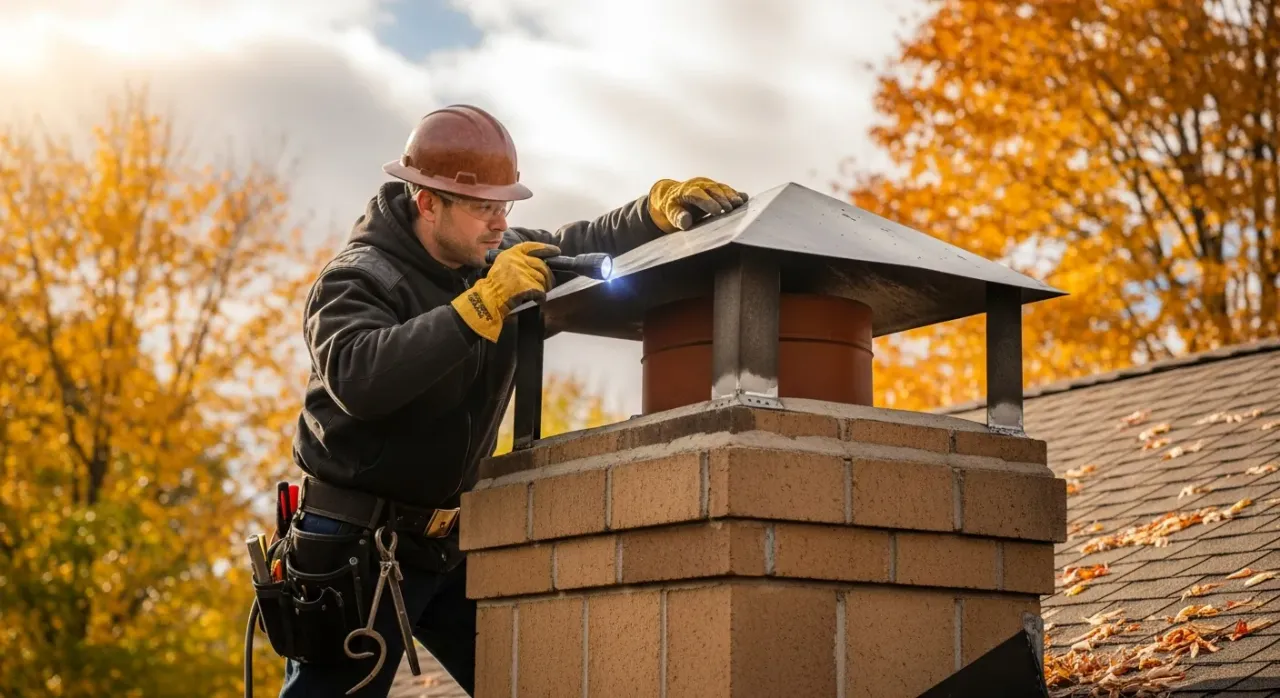
How often should you really inspect your chimney?
The National Fire Protection Association recommends annual chimney inspections. This isn't just a suggestion—it's a safety requirement that protects your family from fire hazards and carbon monoxide poisoning.
Why Annual Inspections Matter in Michigan
Michigan's climate makes annual inspections even more critical. Our freeze-thaw cycles can cause rapid deterioration of mortar joints and chimney crowns. What looks fine in October can be seriously damaged by March.
Level 1 vs. Level 2: What Do You Need?
A Level 1 inspection is sufficient for most homeowners. This covers the accessible portions of your chimney and flue and typically takes about an hour.
You'll need a Level 2 inspection if you're buying or selling a home, after a chimney fire, or if you've made changes to your heating system. This includes video scanning of the flue interior.
What are the warning signs you need an inspection right away?
Signs you need an inspection right away include white staining on exterior bricks, a strong smoky smell even when not in use, visible cracks in the chimney crown, or water in your firebox.
When Is the Best Time to Schedule?
The best time to schedule is late summer or early fall. This gives you time to complete any repairs before heating season. Wait until November and you'll be competing with everyone else for appointments.
Don't skip inspections because you rarely use your fireplace. Animal nests, deteriorating mortar, and water damage occur whether you're burning fires or not.
What does a professional inspector actually check?
A professional inspector will check your chimney cap, crown, flashing, mortar joints, flue liner, damper, and firebox. They'll document any issues with photos and provide repair recommendations. If the inspection turns up damage, our chimney repair services cover everything from crown sealing to full rebuilds.
Step-by-Step Guide
- 1
Schedule Early
Book your inspection for late August or September, before the heating season rush.
- 2
Know Your Level
Request Level 1 for routine checks, Level 2 when buying/selling or after any chimney event.
- 3
Prepare Access
Clear the area around your fireplace and ensure the inspector can access your roof safely.
- 4
Review the Report
Ask for a written report with photos documenting the chimney's condition.
- 5
Address Issues Promptly
Schedule repairs before winter to avoid emergency service calls.
Frequently Asked Questions
How often should a chimney be inspected?
The National Fire Protection Association recommends annual chimney inspections, and Michigan's freeze-thaw cycles make yearly checkups even more important. Schedule your inspection for late summer or early fall, before the heating season rush.
What's the difference between a Level 1 and Level 2 chimney inspection?
A Level 1 inspection covers the accessible portions of your chimney and flue and takes about an hour — it's sufficient for most homeowners. A Level 2 inspection adds video scanning of the flue interior and is required when buying or selling a home, after a chimney fire, or after changes to your heating system.
What are the signs my chimney needs inspection right away?
Don't wait for your annual visit if you see white staining on exterior bricks, smell smoke even when the fireplace isn't in use, notice visible cracks in the chimney crown, or find water in your firebox.
Do I still need a chimney inspection if I rarely use my fireplace?
Yes. Animal nests, deteriorating mortar, and water damage happen whether you're burning fires or not, and Michigan winters take a toll on every chimney exposed to the elements.
How often should I have my chimney inspected?
The National Fire Protection Association recommends annual chimney inspections to protect against fire hazards and carbon monoxide poisoning.
When do I need a Level 2 inspection?
A Level 2 inspection is required when buying or selling a home, after a chimney fire, or if you've made changes to your heating system. It includes video scanning of the flue interior.
Do I still need an inspection if I rarely use my fireplace?
Yes. Animal nests, deteriorating mortar, and water damage occur whether you burn fires or not, so annual inspections are still important.
Need Professional Help?
If you've identified masonry issues or need a professional inspection, we're here to help. Adam Baker Masonry serves Grand Rapids and the surrounding 50-mile area.
Related Articles
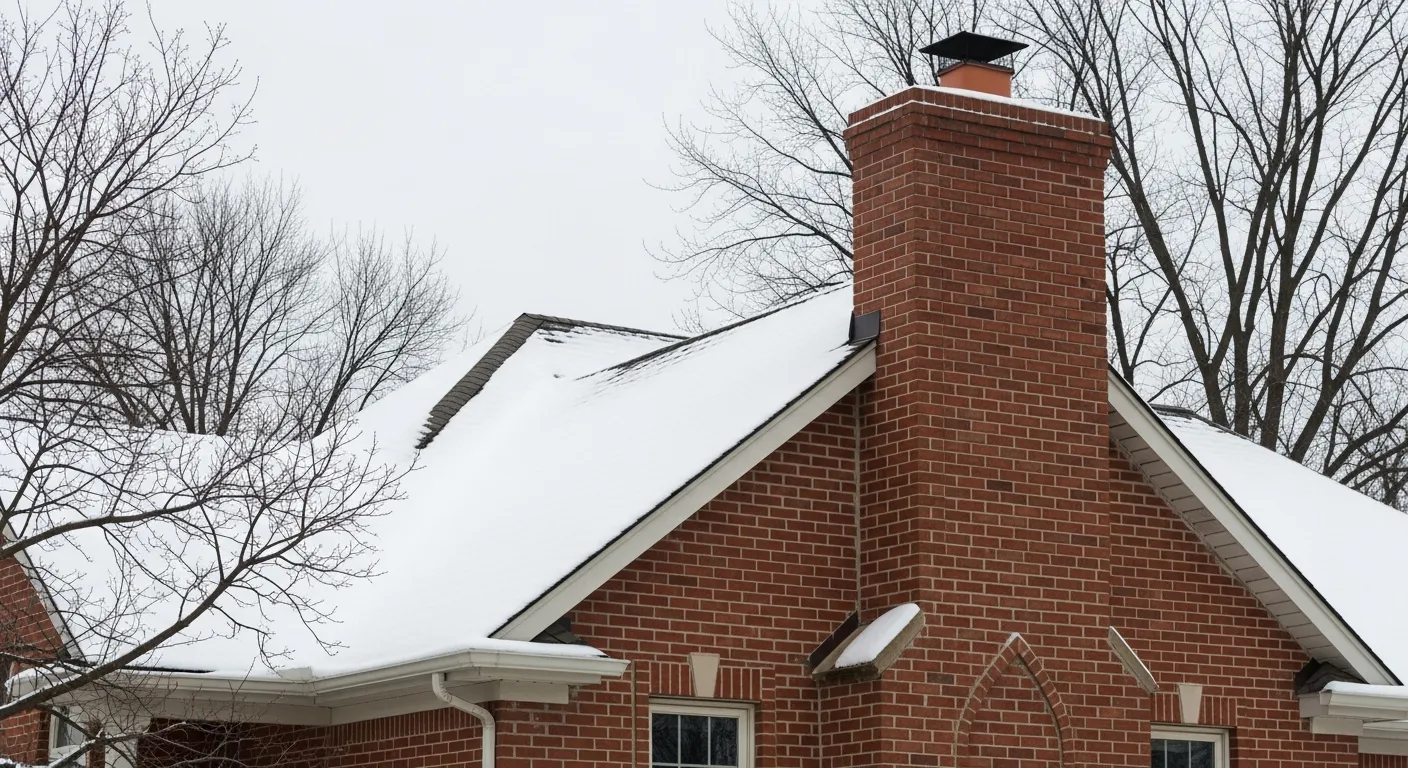
Winter Chimney Care: Protecting Your Michigan Home
Michigan winters put extreme stress on chimneys. From freeze-thaw damage to ice buildup, here's how to protect your chimney through the cold months.
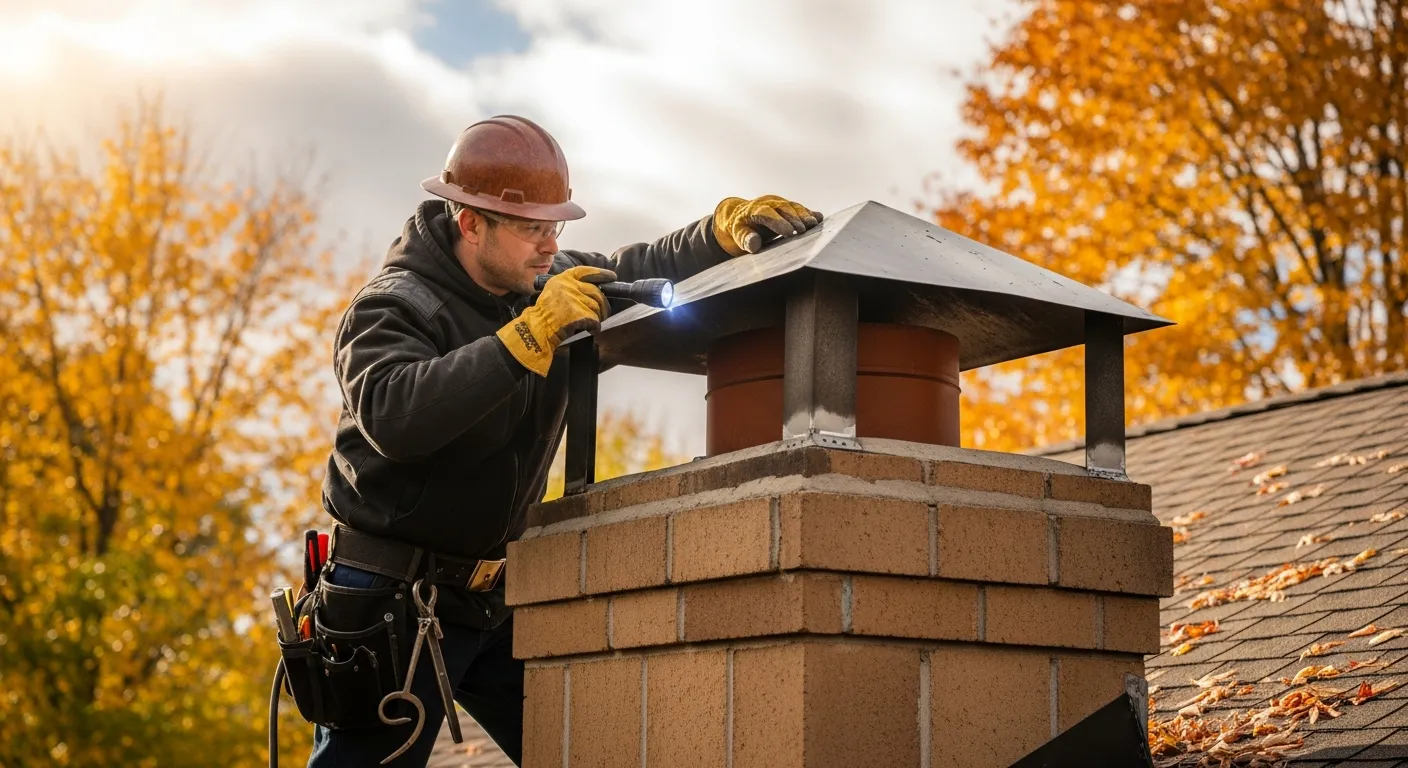
Chimney Repair in Michigan: What Every Homeowner Should Know
From cap replacements to full chimney rebuilds, here is what West Michigan homeowners need to understand about chimney repairs and the factors that shape each project.
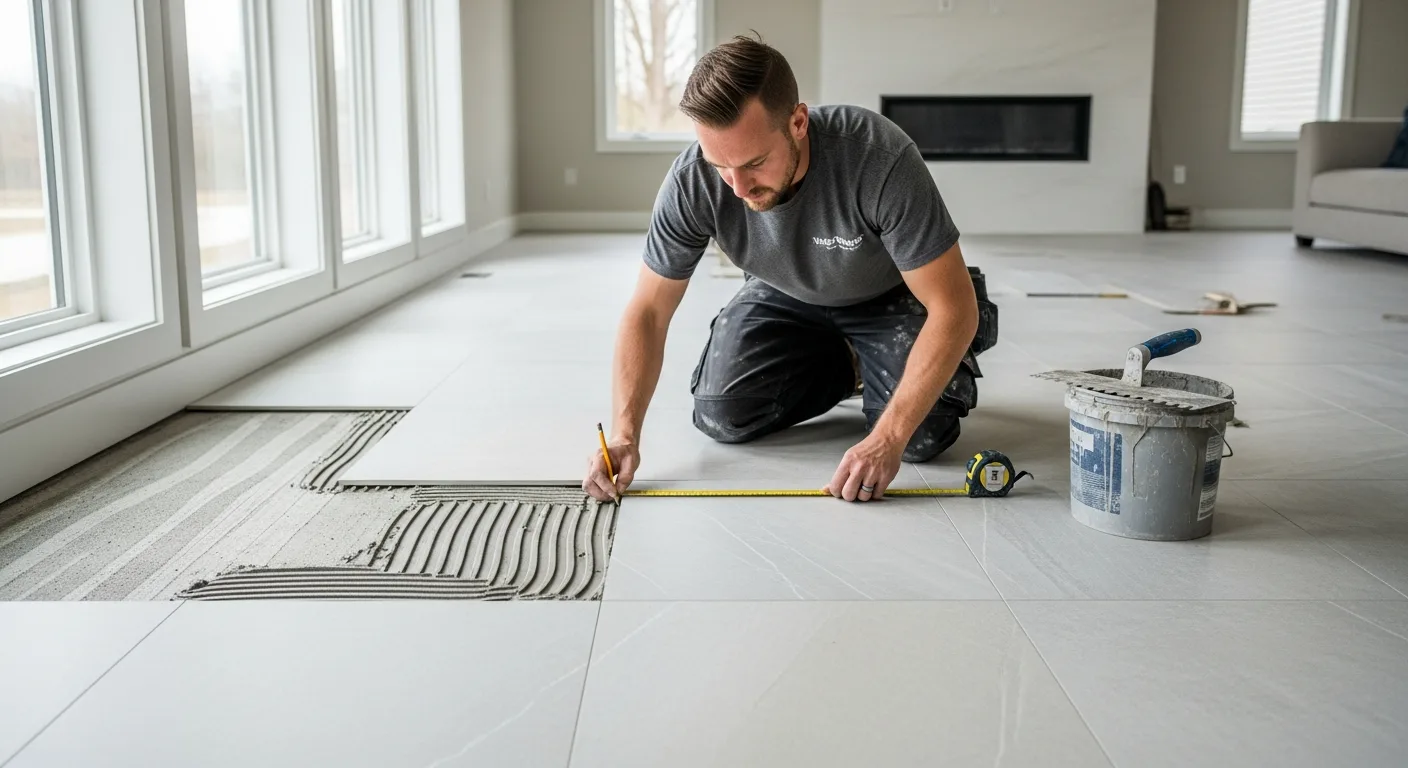
How Much Does Tile Floor Installation Cost in Grand Rapids?
Tile floor installation cost depends on several variables — tile format, substrate condition, room size, and layout complexity. Here is what West Michigan homeowners need to understand before getting a quote.