
How Much Does Tile Floor Installation Cost in Grand Rapids?
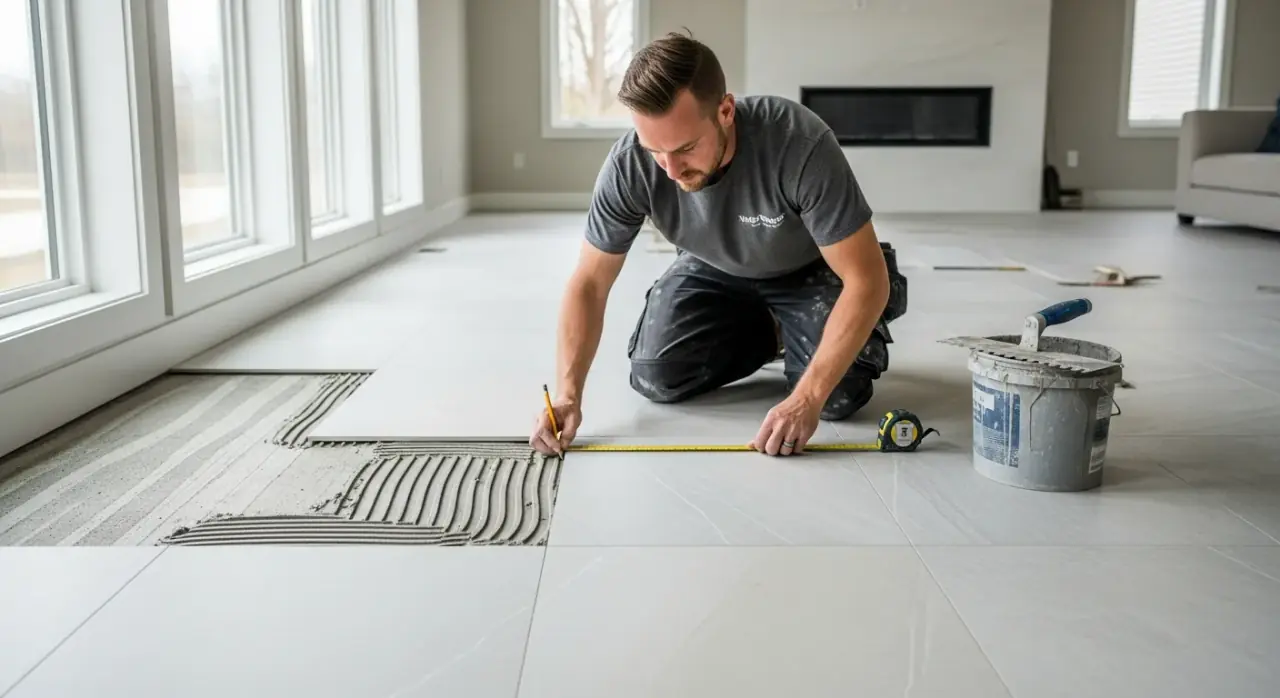
Tile floor installation cost in Grand Rapids depends on tile material, floor area, substrate preparation required, and layout complexity. There is no single number that applies to every project — a straightforward porcelain floor on a sound subfloor costs less than large-format natural stone that needs substrate work first. The most reliable way to know your project's cost is a free written estimate based on your actual space.
How much does tile floor installation cost in Grand Rapids?
Tile floor installation pricing in the Grand Rapids area varies based on material, floor area, and site conditions. Ceramic tile on a prepared subfloor is the most affordable end of the range. Large-format porcelain, natural stone, and floors requiring significant substrate leveling or repair cost more. Labor represents a substantial portion of the total cost — skilled installation of large-format tile or natural stone takes more time and expertise than smaller-format installations. Rather than publish a range that may not apply to your project, we provide free written estimates so you know exactly what your specific floor will cost.
What factors affect the cost of tile floor installation?
The tile material itself is one factor — porcelain costs more than ceramic, and natural stone more than either. Layout complexity matters: diagonal installations, herringbone patterns, and custom borders require more cuts and more labor than straight-set large-format tile. Substrate condition is often the most variable factor. A floor that needs leveling, subfloor repair, or a cement board overlay before tile can go down requires additional materials and labor. Room size and shape — rooms with many obstacles, alcoves, or irregular shapes require more cuts and take more time.
Why does tile installation cost more than just the tile itself?
Professional tile installation involves much more than placing tile on a floor. Substrate assessment and preparation, layout planning, precise cutting, proper setting material selection, grouting, and sealing all require skill and time. The materials — thinset, grout, cement board, sealer — add cost on top of the tile itself. Large-format tile, natural stone, and installations requiring a perfectly flat substrate take longer and require more careful technique. The difference between a professionally installed tile floor and a shortcuts installation is visible for the life of the floor.
Is porcelain tile more expensive to install than ceramic in West Michigan?
Porcelain tile is generally more expensive to install than ceramic because it is denser and harder, which requires diamond blades and takes more time to cut precisely. Large-format porcelain tiles require especially careful substrate preparation to prevent lippage — adjacent tiles that are not perfectly flush. The increased installation complexity is why the labor cost for porcelain, especially in large formats, is higher than for ceramic tile of similar dimensions.
How do I get an accurate tile floor installation estimate in Grand Rapids?
The most reliable approach is to get a written estimate from a contractor who has physically seen the space. Estimates given over the phone or without seeing the subfloor condition, the specific tile, and the room layout are often wrong. We provide free in-home estimates for tile floor projects throughout West Michigan — Grand Rapids, Ada, East Grand Rapids, Rockford, Holland, and Cascade. Contact Adam Baker Masonry at (616) 612-1284 to schedule an estimate, or see our kitchen backsplash installation and tile contractor services for combined kitchen projects.
Frequently Asked Questions
How much does tile floor installation cost in Grand Rapids?
Tile floor installation cost varies based on tile material, floor area, substrate condition, and layout complexity. Ceramic on a prepared subfloor is the most affordable option. Natural stone and large-format porcelain with substrate preparation work cost more. We provide free written estimates based on your specific project — contact us at (616) 612-1284 for accurate pricing.
What factors affect tile installation cost the most?
The four biggest cost factors are the tile material selected, the floor area, the amount of substrate preparation required, and the layout complexity. A floor that needs leveling or subfloor repair before tile goes down adds to the total cost. Diagonal and herringbone patterns require more cuts and labor than straight-set large-format installations.
Is it worth paying more for professional tile installation in Michigan?
Yes. Tile floors last for decades when properly installed and fail relatively quickly when they are not. Professional installation means proper substrate preparation, the right setting materials, precise cuts, and correct grout selection. Cutting corners on installation to save upfront cost typically results in cracked grout, loose tiles, or a floor that needs replacement sooner than it should.
Does the tile pattern affect the installation cost?
Yes. Straight-set large-format tile is the most efficient layout and costs less in labor. Diagonal installations, herringbone, and custom border patterns require more cuts and more time, which increases the labor portion of the total cost. We outline the cost difference between layout options in the written estimate so you can make an informed decision before work begins.
Do you charge for tile floor installation estimates in Grand Rapids?
No. We provide free written in-home estimates for tile floor installation projects throughout West Michigan. Contact Adam Baker Masonry at (616) 612-1284 to schedule an estimate. We visit your space, assess the subfloor, discuss your tile choice, and provide a detailed written estimate based on your specific project.
Need Professional Help?
If you've identified masonry issues or need a professional inspection, we're here to help. Adam Baker Masonry serves Grand Rapids and the surrounding 50-mile area.
Related Articles
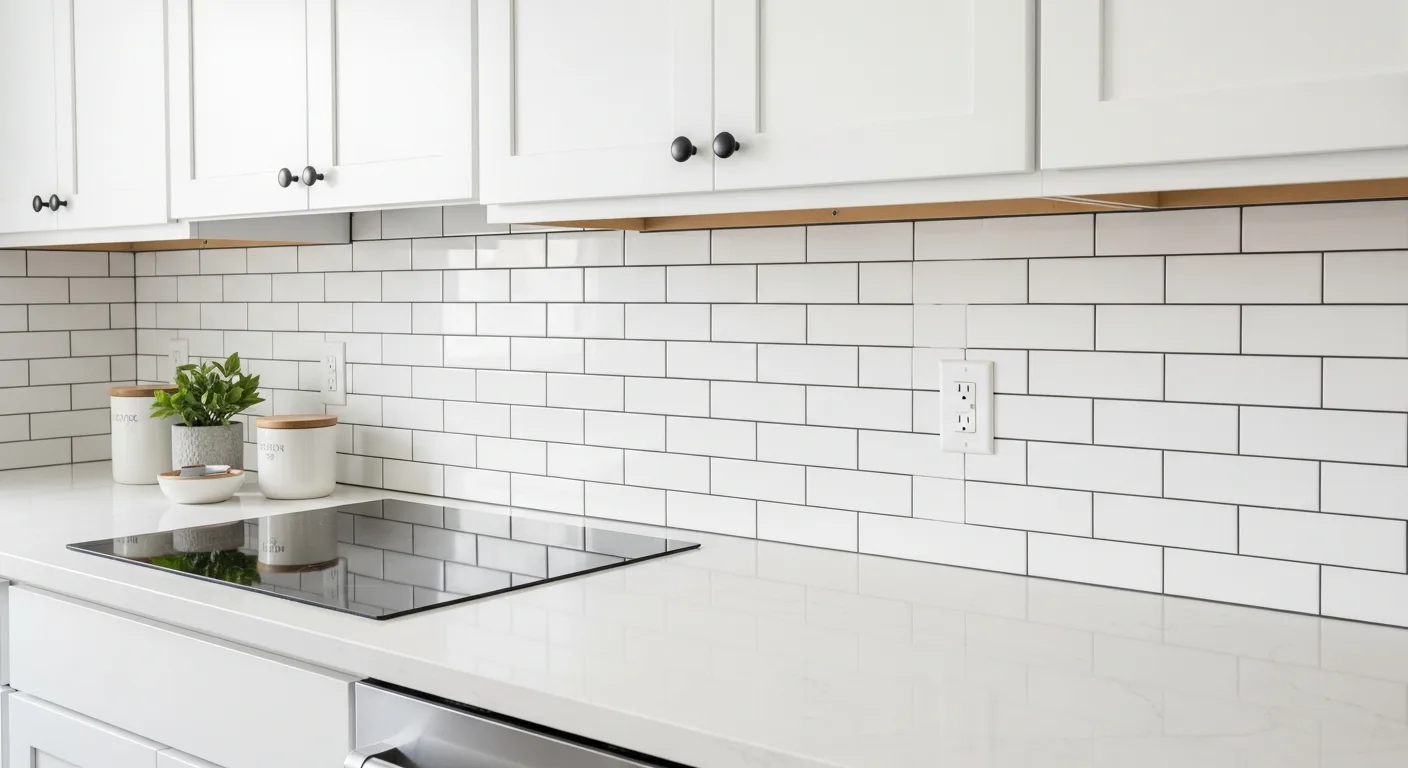
Can You Install a Backsplash Directly on Drywall?
In most kitchens, yes — standard tile goes right over sound drywall. The answer changes when the wall is painted glossy, damaged, or you have picked a heavy natural stone. Here is how to tell which situation you are in.
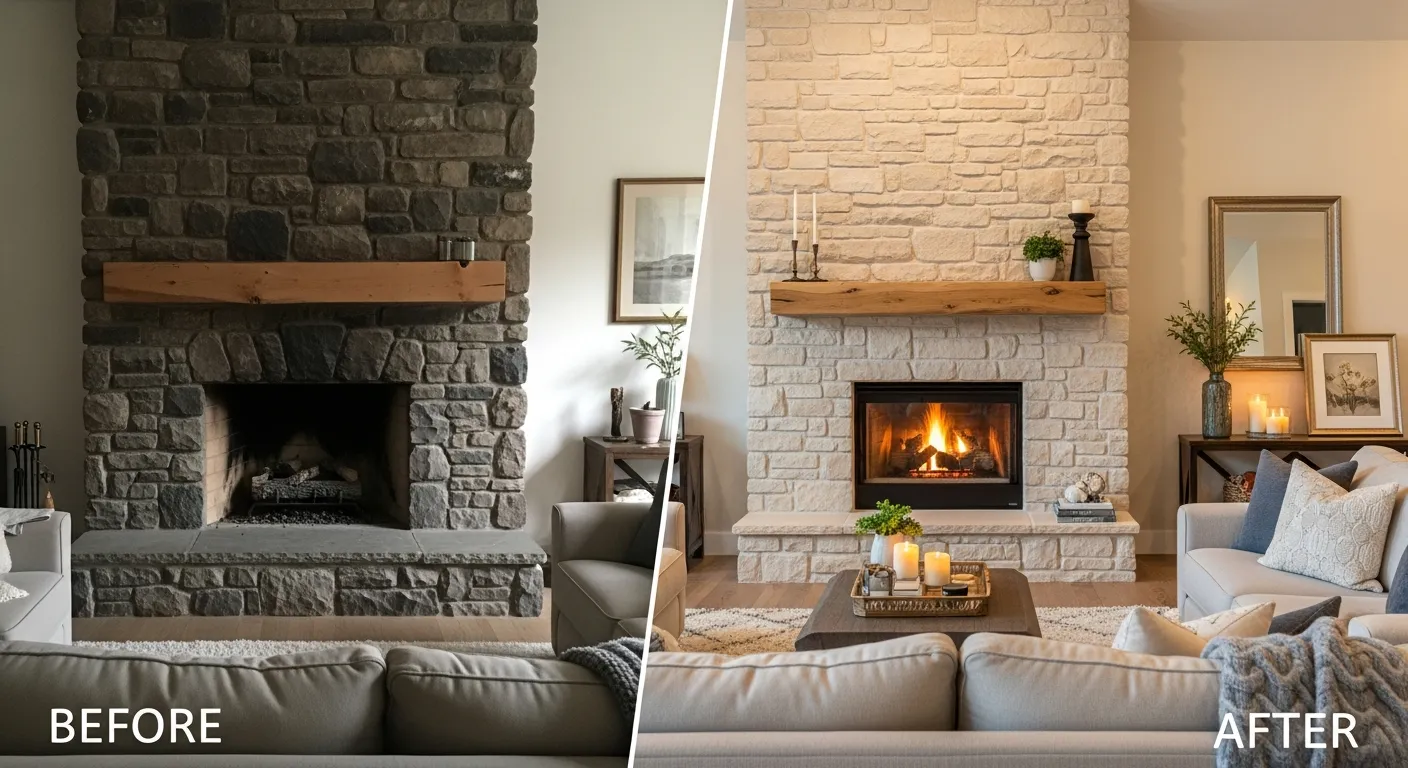
Fireplace Remodel in Michigan: Options and What to Expect
From a simple mantel update to a full stone surround transformation, here is what goes into a fireplace remodel in West Michigan.
Fireplace Resurfacing: Materials, Process, and What to Expect
Thinking about resurfacing your fireplace? Here is a straightforward look at the material options and process for West Michigan homeowners.
Tile Contractor Services Across West Michigan
Adam Baker Masonry serves homeowners throughout the Grand Rapids area and West Michigan. Select your city for local tile installation details.