
How to Choose the Right Tile Color for Your Grand Rapids Home
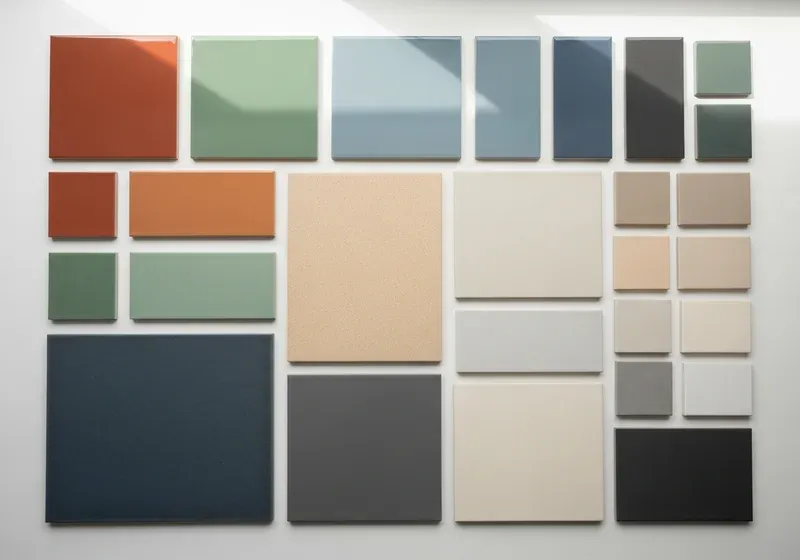
The most important thing to know about choosing tile color is that showroom lighting lies. West Michigan gets heavy overcast light for much of the year — tile that reads crisp and bright under store fluorescents looks noticeably different on a gray February afternoon, which is the light you'll see most days from October through April. Test full-size samples in your actual space before committing.
How Do I Choose the Right Tile Color for My Kitchen?
Start with your fixed elements — cabinet color, countertop material, and flooring in adjacent rooms — and choose tile that coordinates with those anchors. Every tile color has an undertone: a secondary hue that influences how it reads under different light. A warm-white tile next to a cool-white cabinet reads as two different colors rather than a cohesive palette, even when both look like 'white' at the store. Identifying undertones before committing prevents the most common tile selection mistake. Bring samples home and check them against your actual cabinets and countertop edge.
Should Tile Be Lighter or Darker Than the Cabinets?
Contrast creates visual definition and interest. Matching tile too closely to the cabinet color flattens the space and makes both elements harder to read clearly. A common approach is lighter cabinets with a medium or darker backsplash tile, or darker cabinets with a brighter, lighter tile. The goal is a deliberate contrast pattern between tile, cabinets, and countertop that reads as intentional. There is no single rule, but the kitchens that look most cohesive have clear value contrast between the three main surfaces.
What Tile Color Makes a Small Kitchen Look Bigger?
Larger-format tile with minimal grout lines makes a kitchen feel more expansive than smaller tile with prominent joints. Light colors reflect more light and reduce visual complexity. Low-contrast grout that closely matches the tile color reinforces this effect by removing the visual grid that breaks up the floor or backsplash surface. For a compact kitchen in a West Michigan home where adding square footage is not an option, large-format light tile with closely matched grout is one of the most effective visual tools available.
How Does Natural Light Affect Tile Color in West Michigan Homes?
West Michigan's light is heavily diffuse for much of the year — particularly October through April. Diffuse, overcast light flattens colors and reduces the contrast visible at the showroom. Tile that looks crisp and dimensional on a sunny day will read flatter and slightly darker on a gray Michigan afternoon. Light direction adds another layer: north-facing rooms get cool, consistent light all day; south-facing rooms get warm afternoon light; east-facing kitchens are bright at breakfast and dark by dinner. Bring samples home and look at them in your specific kitchen at different times of day before making a final decision.
What Tile Colors Are Popular in Grand Rapids Kitchens Right Now?
Warm whites and creamy off-whites remain consistently popular for backsplash tile — particularly in kitchens with shaker-style cabinets and light quartz countertops, which is the dominant style across West Michigan right now. Warm greige tones and soft naturals are common floor choices. Large-format wood-look porcelain continues to grow as a main-level flooring option in West Michigan homes. Design preferences vary by neighborhood and home style, so working from what your specific home's existing palette supports will outlast any trend.
How Do You Test Tile Color Before Committing?
Order full-size tile samples — not small chips — and live with them in your space for several days positioned where the actual tile will go. Look at them in the morning, in the afternoon, and with your kitchen lights on in the evening. Check them against the cabinet face and the countertop edge. If you are deciding between two similar colors, choose the one that looks better on your worst light day — a flat gray overcast afternoon — because that is the condition you will see most often in West Michigan. Call Adam Baker Masonry at (616) 612-1284 to discuss tile selection for your kitchen backsplash installation — our tile contractor services bring samples to every Grand Rapids consultation.
Frequently Asked Questions
How do I choose the right tile color for my kitchen?
Start from your fixed elements — cabinet color, countertop, and adjacent floors — and choose tile that coordinates with those anchors. Pay attention to undertones: every tile color has a secondary hue that influences how it reads under your specific light. Test full-size samples at home in your actual space before committing.
Should tile be lighter or darker than the cabinets?
Contrast creates visual definition. Matching tile too closely to cabinet color flattens the space. A common approach is lighter cabinets with a medium or darker backsplash, or darker cabinets with a lighter tile. The goal is deliberate contrast between tile, cabinets, and countertop that makes each element read clearly.
What tile color makes a small kitchen look bigger?
Large-format tile with minimal grout lines and light, low-contrast color combinations make a kitchen feel more spacious. Smaller tile with prominent dark grout joints adds visual complexity that works against a compact space. Choosing large, light tile with closely matched grout is one of the most effective visual tools for a small kitchen.
Does grout color affect how tile looks?
Significantly. Grout that closely matches the tile reads as a seamless surface — especially effective with large-format tile and in small spaces. High-contrast grout emphasizes the grid pattern and can look striking but adds visual busyness. We discuss grout color as part of every tile selection conversation during the estimate.
Need Professional Help?
If you've identified masonry issues or need a professional inspection, we're here to help. Adam Baker Masonry serves Grand Rapids and the surrounding 50-mile area.
Related Articles
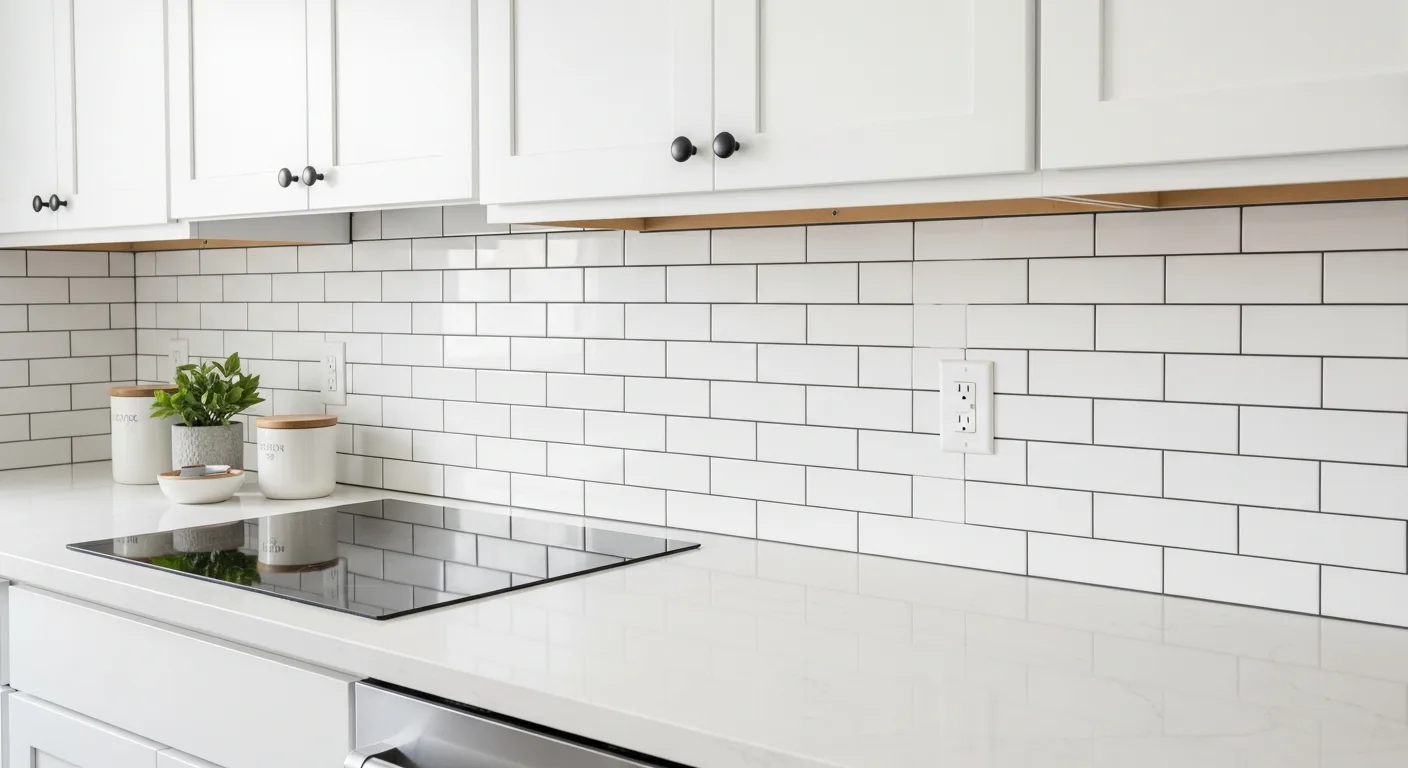
Can You Install a Backsplash Directly on Drywall?
In most kitchens, yes — standard tile goes right over sound drywall. The answer changes when the wall is painted glossy, damaged, or you have picked a heavy natural stone. Here is how to tell which situation you are in.
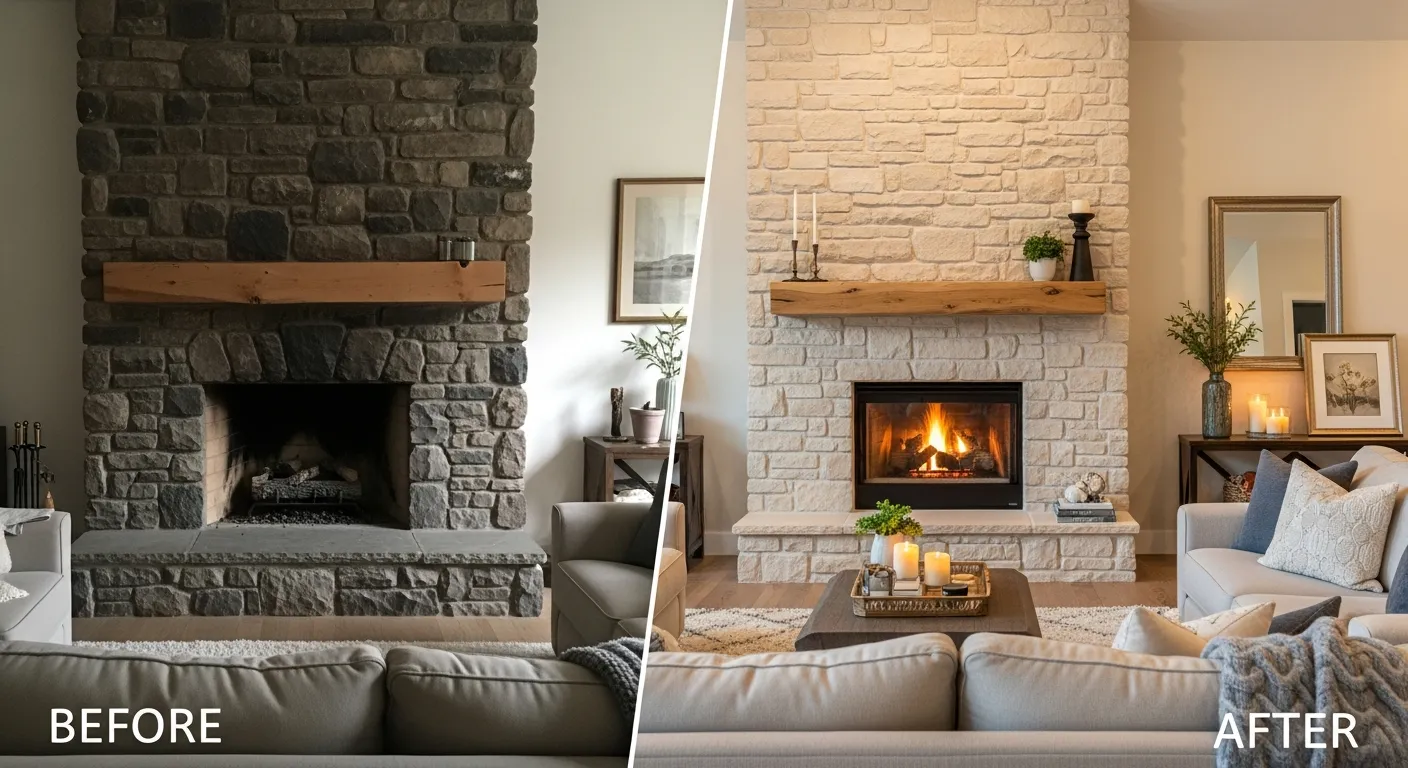
Fireplace Remodel in Michigan: Options and What to Expect
From a simple mantel update to a full stone surround transformation, here is what goes into a fireplace remodel in West Michigan.
Fireplace Resurfacing: Materials, Process, and What to Expect
Thinking about resurfacing your fireplace? Here is a straightforward look at the material options and process for West Michigan homeowners.
Tile Contractor Services Across West Michigan
Adam Baker Masonry serves homeowners throughout the Grand Rapids area and West Michigan. Select your city for local tile installation details.