
How to Prepare Your Home for Tile Installation: A Practical Checklist
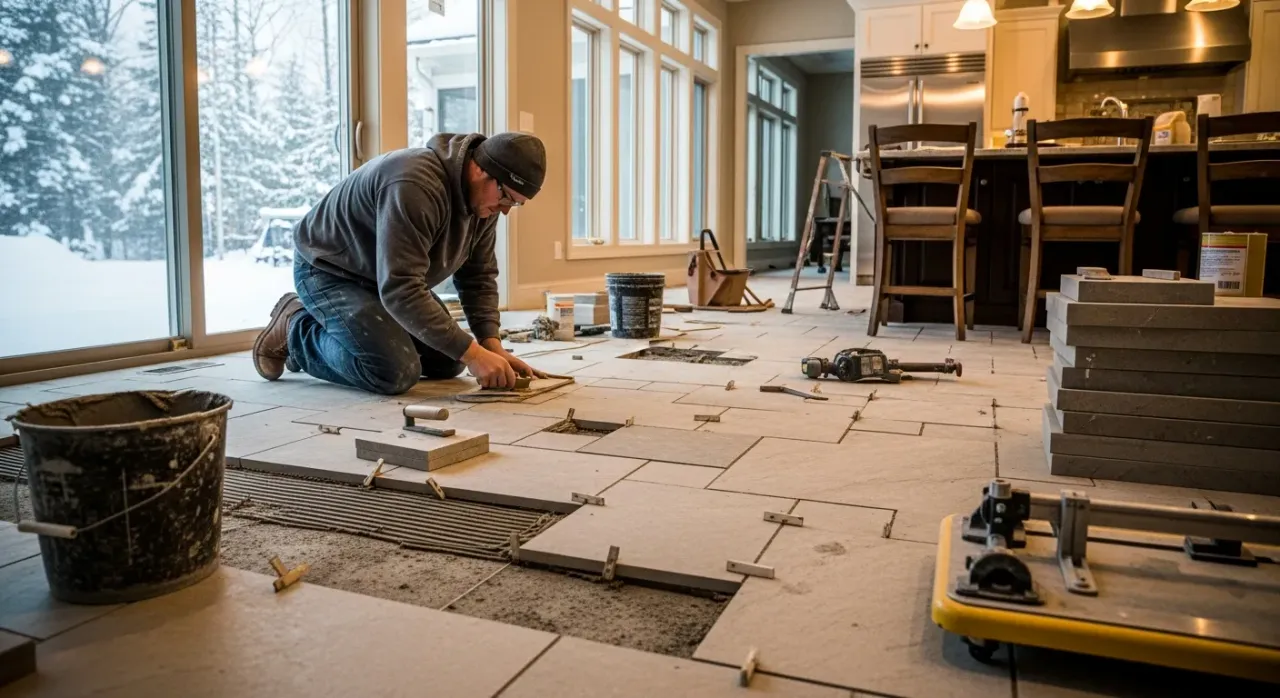
Prepare for tile installation by clearing the work area completely, removing outlet covers, having tile materials staged on-site at room temperature, and protecting adjacent floors. Most tile project delays on day one happen because the space was not ready when the installer arrived — not because of anything the contractor did. A few hours of prep on your end keeps the project on schedule.
How Do I Prepare My Home for Tile Installation?
Clear the room completely. Remove all furniture, rugs, and portable appliances from the area being tiled. For a kitchen floor project, that means the refrigerator needs to be rolled back or moved out. For a backsplash installation, clear the countertop entirely — the installer needs clean counter access for staging, cutting, and working across the full backsplash surface. Built-in appliances and anything that cannot be moved easily should be discussed with your installer before the job starts so a plan is in place.
What Should I Do Before the Tile Installer Arrives?
Remove outlet covers and switch plates in the work area. Tile installers need to make precise cuts around outlet boxes, and having the plates off makes those cuts cleaner. Turn off power to the outlets as a safety step while the covers are removed. Stage your tile on-site at room temperature — particularly important in Michigan winters, when cold tile brought straight from a garage or delivery truck can affect how setting materials work. Protect floors adjacent to the work area with drop cloths or rosin paper against mortar splatter and foot traffic from the tile saw.
Do I Need to Remove Existing Flooring Before Tile Is Installed?
Often yes, depending on the situation. Installing new tile over existing tile adds height to the floor, which can create problems at doorways, cabinet toe-kicks, and appliance clearances. If the existing floor is in poor condition or not an appropriate substrate for tile, it needs to come up regardless. Your installer assesses the existing floor during the estimate and gives a direct recommendation. Do not assume overlay is an option without that assessment — starting with the wrong base is the most common cause of premature tile failure.
How Long Will My Kitchen Be Out of Service During Tile Work?
Plan for the kitchen to be at least partially out of service across the installation days plus one to two days for grout cure. The tile is set on day one, the setting material needs time to cure before grouting, and grout needs time to cure before normal use resumes. Your installer will give you specific guidance based on materials and conditions. For a kitchen backsplash, the sink and appliances are typically accessible again by day two or three. For a floor project, plan meals and grocery runs around the installation schedule.
Should I Be Home During Tile Installation?
You do not need to be present the entire time, but being available on day one is valuable. Layout decisions — where tiles fall at perimeter cuts, transitions, and pattern starting points — are confirmed with you before the first tile is set. Once the layout is approved and installation begins, most homeowners come and go as needed. For the grouting day, there are fewer decisions to make and your presence is less critical.
What Should I Tell My Family About the Project?
Tile saw work produces significant noise and fine dust. If household members work from home, children are napping, or pets are noise-sensitive, plan accordingly. Many West Michigan homeowners coordinate tile work to happen during school hours or plan to work offsite for installation day. Ask your installer about expected noise and dust levels so you can plan the household around the project rather than being caught off guard. Call Adam Baker Masonry at (616) 612-1284 or use the contact form to schedule your tile estimate.
Frequently Asked Questions
How do I prepare for tile installation?
Clear the room entirely, remove outlet covers and switch plates, stage tile materials on-site at room temperature, and protect adjacent flooring. Being ready when the installer arrives eliminates the most common source of day-one delays — the space not being accessible or materials not being on-site.
Do I need to remove existing flooring before tile is installed?
Often yes. New tile over existing tile adds height that can cause problems at doorways, appliances, and cabinets. If existing flooring is in poor condition, it needs to come up regardless of the height factor. Your installer assesses the existing floor during the estimate and gives a direct recommendation on removal versus overlay.
Should I be home during tile installation?
Being available on day one is helpful — layout decisions are confirmed with you before the first tile is set. After the layout is approved and installation begins, you do not need to be present the entire time. Most homeowners come and go as their schedule allows once work is underway.
How long after tile installation before I can use the kitchen normally?
Plan for the kitchen to be at least partially out of service across the installation days plus one to two days for grout cure. Your installer gives specific guidance based on materials and conditions. The sequence is: tile set and cured, then grouted, then cured again before normal foot traffic and use resumes.
Need Professional Help?
If you've identified masonry issues or need a professional inspection, we're here to help. Adam Baker Masonry serves Grand Rapids and the surrounding 50-mile area.
Related Articles
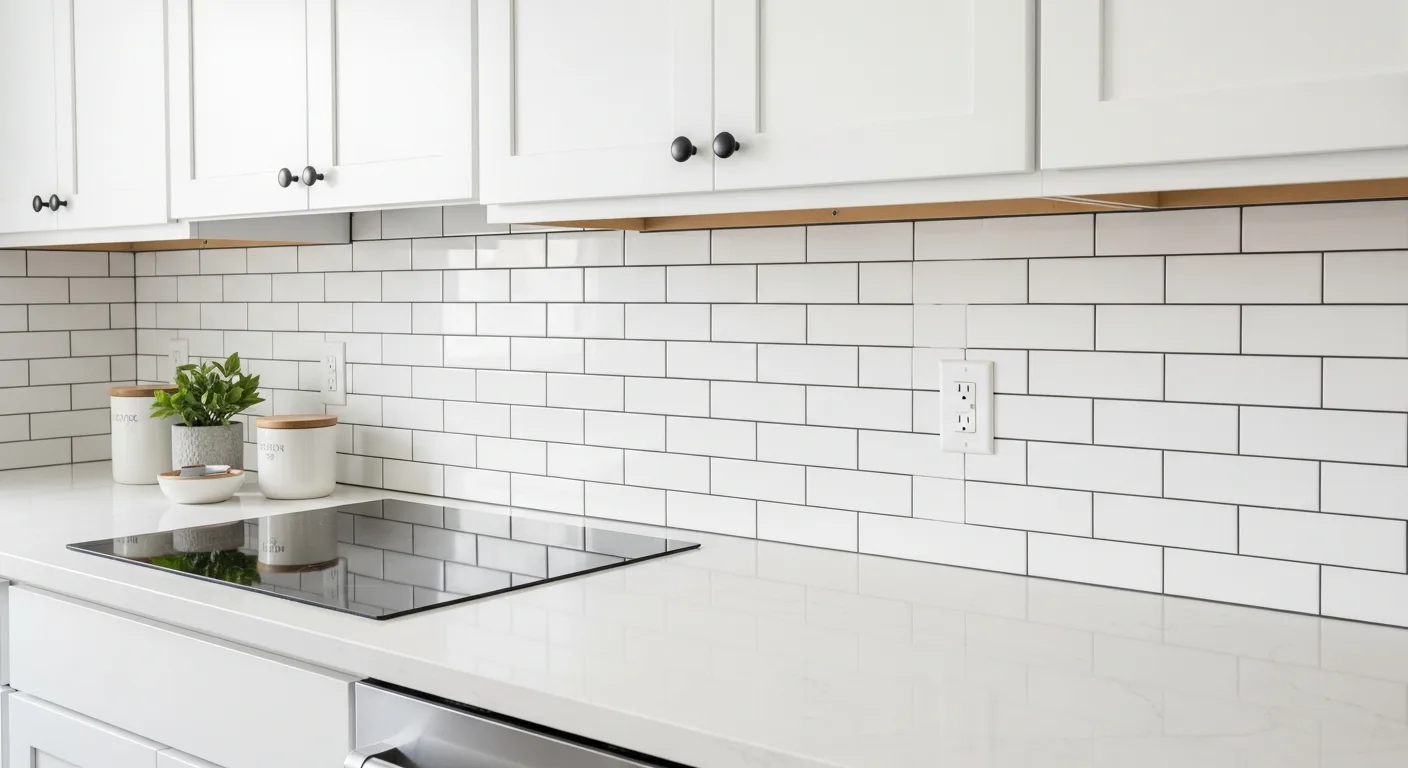
Can You Install a Backsplash Directly on Drywall?
In most kitchens, yes — standard tile goes right over sound drywall. The answer changes when the wall is painted glossy, damaged, or you have picked a heavy natural stone. Here is how to tell which situation you are in.
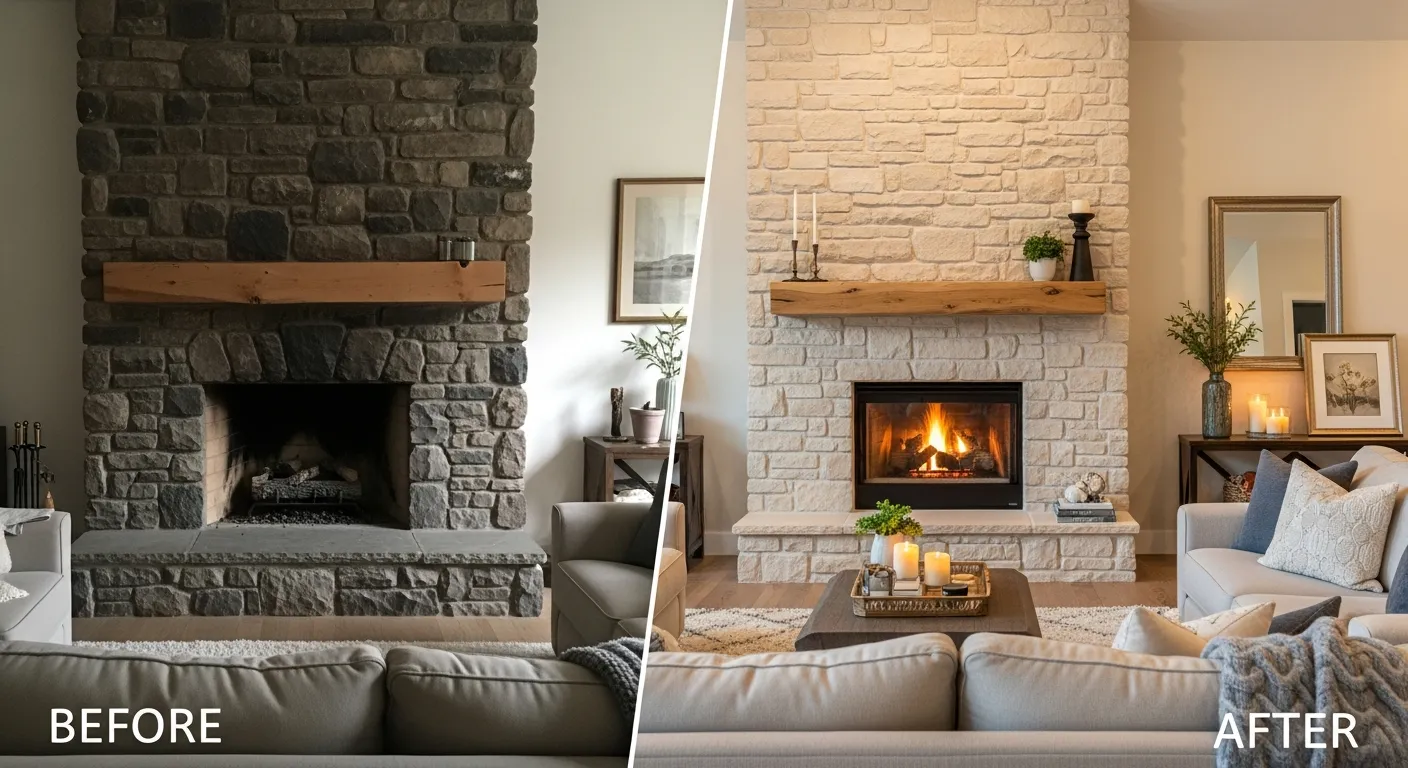
Fireplace Remodel in Michigan: Options and What to Expect
From a simple mantel update to a full stone surround transformation, here is what goes into a fireplace remodel in West Michigan.
Fireplace Resurfacing: Materials, Process, and What to Expect
Thinking about resurfacing your fireplace? Here is a straightforward look at the material options and process for West Michigan homeowners.
Tile Contractor Services Across West Michigan
Adam Baker Masonry serves homeowners throughout the Grand Rapids area and West Michigan. Select your city for local tile installation details.