
Coordinating Kitchen Floor Tile and Backsplash Tile: A Design Guide for West Michigan Homeowners
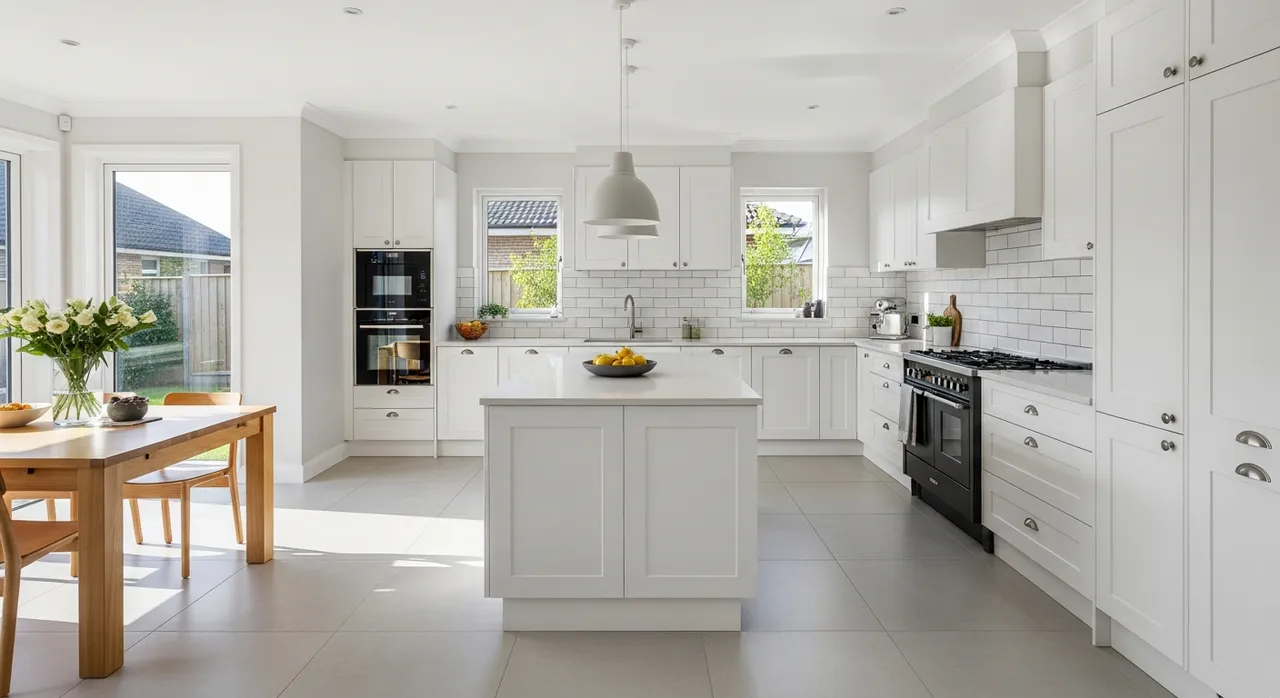
The kitchen backsplash does not have to match the floor tile exactly — but both surfaces should be intentionally coordinated. The floor and backsplash are always visible simultaneously in an open-plan kitchen. When materials are chosen together using the cabinets and countertop as anchors, the kitchen reads as designed. When they are not, both surfaces compete with each other and the overall result suffers.
Does the Kitchen Backsplash Have to Match the Floor Tile?
No — they do not have to match, but they must be intentionally coordinated. The floor and backsplash coexist in the same visual field from any position in or adjacent to the kitchen. A backsplash that happens to be installed without considering the floor tile, or vice versa, creates a competition between surfaces that both materials lose. The three reliable approaches are tonal harmony (same color family, different materials), material continuity (the same tile or tile family on both surfaces), and intentional contrast (deliberately different materials chosen together for balance). All three can produce an excellent result — the key word is intentional.
Can You Use the Same Tile on Both the Kitchen Floor and Backsplash?
Yes, and in many kitchens this is the cleanest approach. The same tile on both surfaces creates a seamless material environment — particularly effective in kitchens where you want the tile to carry the design and the cabinets and countertops to recede. A marble-look porcelain on the floor continued as slab-look panels or matching tiles on the backsplash creates an almost continuous material surface. The format may differ — large-format on the floor, smaller tile or slab-panels on the backsplash — but the same material family ties both surfaces together.
What Are the Best Approaches for Coordinating Kitchen Floor and Backsplash Tile?
The most reliable approach is tonal harmony: the floor and backsplash use different tile formats but occupy the same color temperature. A warm gray large-format floor tile paired with a warm gray subway backsplash reads as cohesive even though the materials are distinct. The second approach — material continuity — uses the same tile family on both surfaces, which creates the strongest visual unity. The third approach — intentional contrast — places deliberately different materials in a considered balance: a large-format concrete-look floor against a small-format handmade tile backsplash, chosen together to create tension that reads as designed rather than accidental. The wrong approach is anything chosen without considering both surfaces together.
Should the Floor Tile Be Lighter or Darker Than the Backsplash?
There is no fixed rule, but contrast between the floor and the backsplash helps each surface read clearly in the room. A common approach in West Michigan kitchens is a medium-tone floor tile with a lighter backsplash, or a light floor with a backsplash that brings in texture or pattern for interest. Matching the floor and backsplash at exactly the same tone and material can flatten the visual environment — both surfaces compete for the same visual role rather than each playing a distinct one in the room.
Is It More Efficient to Do Kitchen Floor and Backsplash at the Same Time?
Yes — in both practical and design terms. From an installation standpoint, the same installer, tools, and materials are on-site for one mobilization rather than two. Substrate preparation, cleanup, and scheduling disruption happen once. The transition where floor tile meets the base of the cabinets and the backsplash begins above the counter is handled as one cohesive plan. From a design standpoint, materials chosen together — with samples evaluated against each other in the actual kitchen — produce a more intentional result than materials selected on separate visits. We bring samples to every kitchen tile consultation. Call Adam Baker Masonry at (616) 612-1284 or see our kitchen backsplash installation and tile contractor services to get started.
Frequently Asked Questions
Does the kitchen backsplash have to match the floor tile?
No — but both surfaces should be intentionally coordinated. The floor and backsplash are always visible together in an open kitchen. Tonal harmony, material continuity, or deliberate contrast all work well. What does not work is selecting them independently without considering how they will look together.
Can you use the same tile on the kitchen floor and backsplash?
Yes — using the same tile or tile family on both surfaces is the cleanest approach in many kitchens. The format may differ (large tiles on the floor, smaller tiles or slab panels on the backsplash), but the same material family creates visual continuity across both surfaces. This approach works particularly well with porcelain in marble-look or stone-look finishes.
Should the floor tile be lighter or darker than the backsplash?
There is no fixed rule, but contrast between the floor and backsplash helps each surface read clearly in the room. Matching them at exactly the same tone can flatten the visual environment. A medium-tone floor with a lighter backsplash is a common and reliable approach in West Michigan kitchens.
What grout color should I use when coordinating floor and backsplash tile?
Make grout decisions for both surfaces at the same time. Consistent grout color across floor and backsplash creates a unified result. Different grout colors can work but must be clearly intentional — a subtle difference in grout shades between coordinated surfaces tends to read as a mistake rather than a design decision.
Is it more efficient to do kitchen floor and backsplash tile at the same time?
Yes — in both practical and design terms. One mobilization, one setup, one cleanup instead of two. The transition between floor and backsplash is planned as a cohesive decision. And materials selected together with both surfaces in view produce a more intentional result than decisions made on separate occasions.
Need Professional Help?
If you've identified masonry issues or need a professional inspection, we're here to help. Adam Baker Masonry serves Grand Rapids and the surrounding 50-mile area.
Related Articles
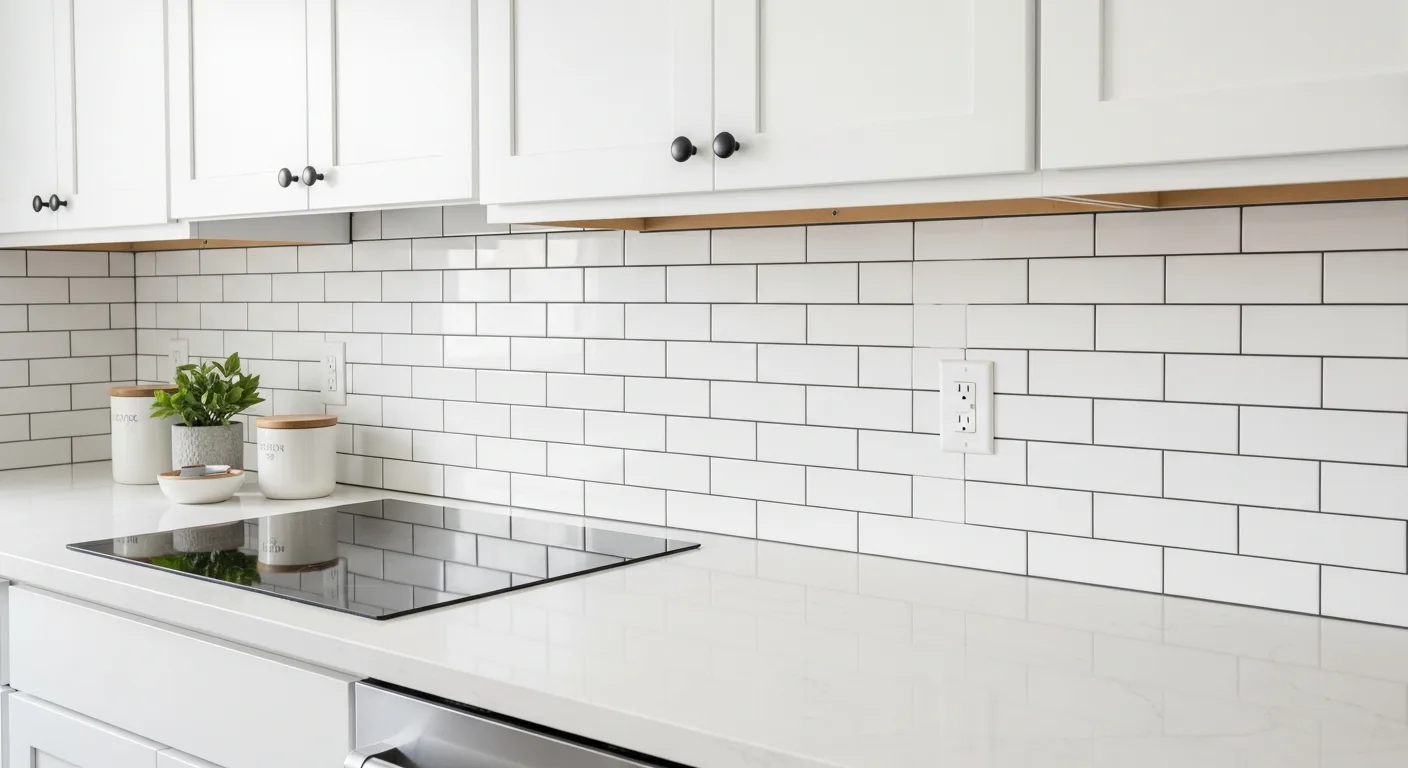
Can You Install a Backsplash Directly on Drywall?
In most kitchens, yes — standard tile goes right over sound drywall. The answer changes when the wall is painted glossy, damaged, or you have picked a heavy natural stone. Here is how to tell which situation you are in.
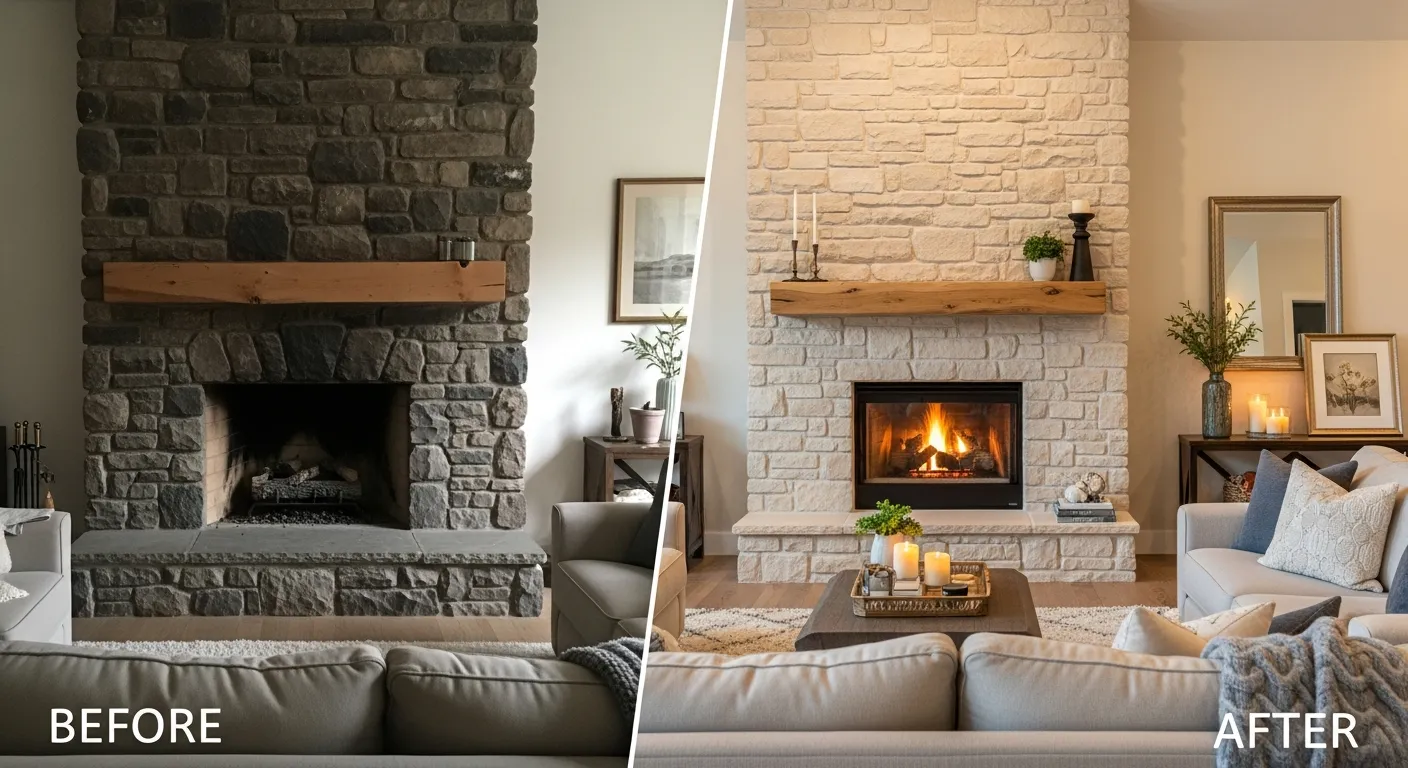
Fireplace Remodel in Michigan: Options and What to Expect
From a simple mantel update to a full stone surround transformation, here is what goes into a fireplace remodel in West Michigan.
Fireplace Resurfacing: Materials, Process, and What to Expect
Thinking about resurfacing your fireplace? Here is a straightforward look at the material options and process for West Michigan homeowners.
Tile Contractor Services Across West Michigan
Adam Baker Masonry serves homeowners throughout the Grand Rapids area and West Michigan. Select your city for local tile installation details.