
Kitchen Tile Backsplash Ideas for West Michigan Homes
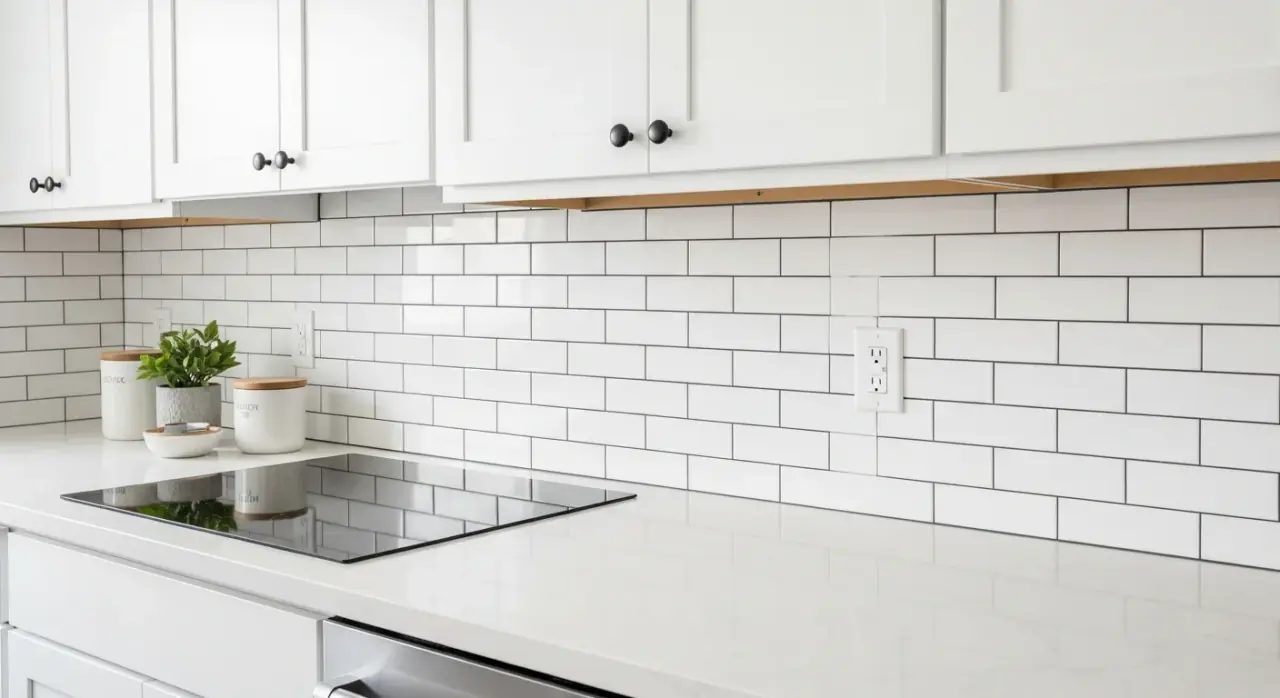
Large-format subway tile, zellige-look handmade tile, and marble-look porcelain are the most popular kitchen backsplash choices for Grand Rapids homes right now. The right choice depends on your cabinets, countertops, and how much visual interest you want the backsplash to carry. A backsplash is the most visible tile installation in a kitchen — getting the material and layout right has an outsized impact on the overall feel of the space. When you are ready to install, our kitchen backsplash installation team and tile contractor services handle subway, porcelain, and full-height layouts year-round.
What is the most popular kitchen backsplash tile right now?
In the Grand Rapids area, the most requested backsplash tile currently is large-format subway tile in a white or warm off-white, handmade-look tile with subtle variation from piece to piece, and marble-look porcelain. Large subway tile — 4×12 or 3×12 — creates clean horizontal lines that suit the contemporary and transitional kitchens common in West Michigan new construction and renovation. Handmade-look tile with slight surface variation appeals to homeowners who want something warmer and less uniform. Marble-look large-format porcelain suits kitchens with quartz or marble countertops where a continuous stone aesthetic is the goal.
What size tile works best for a kitchen backsplash?
Larger tile formats — 3×12 subway, 4×12, or even larger slab-look porcelain — are the current preference for kitchen backsplashes because they create fewer grout lines and a cleaner visual field. Smaller mosaic tile and 3×6 subway tile are still popular for specific design goals, particularly when a homeowner wants more visual texture or a more traditional look. The scale of the tile should relate to the size of the kitchen — a very large, open kitchen can carry a larger tile format; a smaller galley kitchen may benefit from a more modest scale.
Should a kitchen backsplash match the countertops or the cabinets?
The backsplash should connect with both — it sits between them and functions as the visual bridge. The most effective approach is to pick one dominant element (usually the countertop or the cabinet color) and let the backsplash either complement it closely or provide intentional contrast. White or cream cabinets give the most flexibility. A warm-toned countertop pairs well with a backsplash in a neutral or slightly warm tone. The goal is a cohesive reading across all three surfaces rather than three separate design decisions that happen to share a wall.
How high should a kitchen tile backsplash go?
Standard backsplash height is from the countertop surface to the bottom of the upper cabinets — typically 18 to 20 inches. Many Grand Rapids homeowners are now extending the backsplash all the way to the ceiling, particularly on the wall behind the range, creating a full-height tile treatment that reads as a deliberate design feature rather than a functional splash guard. Full-height backsplash tile behind the range is especially effective when the tile is continued behind a range hood to create a unified vertical element.
What tile is easiest to keep clean on a kitchen backsplash?
Glazed porcelain and ceramic tile are the easiest to maintain — the glazed surface does not absorb grease, food splatter, or cleaning products. Natural stone backsplash tile requires sealing to prevent staining from oil and acid. The grout joint is always the harder part to clean regardless of tile type — choosing a darker grout color or epoxy grout minimizes visible discoloration over time. Rectified large-format tile with minimal grout joints is the easiest backsplash to clean of any option we install. Contact Adam Baker Masonry at (616) 612-1284 for a free kitchen backsplash installation consultation — our tile contractor services handle full kitchen tile packages including floors and surrounds in the same remodel.
Frequently Asked Questions
What is the most popular kitchen backsplash tile right now?
Large-format subway tile, handmade-look tile with natural variation, and marble-look porcelain are the most requested kitchen backsplash materials in the Grand Rapids area. Large subway tile (3×12 or 4×12) is the most common choice for contemporary and transitional kitchens. Marble-look porcelain suits kitchens where a continuous stone aesthetic runs from countertop to backsplash.
What size tile looks best for a kitchen backsplash?
Larger tile formats with fewer grout lines are the current preference for kitchen backsplashes. A 3×12 or 4×12 subway tile, or even larger format porcelain, creates a cleaner visual field than a grid of small tiles. The right size also depends on kitchen scale — a large open kitchen can carry a larger tile format more comfortably than a narrow galley.
Should my backsplash match my countertops or my cabinets?
The backsplash should connect with both since it sits between them. Pick one dominant element — the countertop material or the cabinet color — and let the backsplash complement or intentionally contrast it. The goal is a cohesive reading across countertop, backsplash, and cabinet rather than three surfaces that feel unrelated. We bring samples to the home to help with this selection.
How high should a kitchen backsplash go?
Standard backsplash height is from countertop to the bottom of the upper cabinets, typically 18 to 20 inches. A growing trend in West Michigan kitchens is extending the backsplash to the ceiling behind the range, creating a full-height tile treatment that reads as a strong design feature. Full-height tile behind the range and hood is one of the most impactful single upgrades in a kitchen renovation.
Can a kitchen backsplash be installed without removing the countertops?
Yes. Backsplash tile is installed on the wall above the existing countertop. The installation does not disturb the countertop, cabinets, or appliances. We protect all surfaces during installation. Most kitchen backsplash installations are completed in one to two days with normal kitchen use resumable the following day after grout has set.
Need Professional Help?
If you've identified masonry issues or need a professional inspection, we're here to help. Adam Baker Masonry serves Grand Rapids and the surrounding 50-mile area.
Related Articles
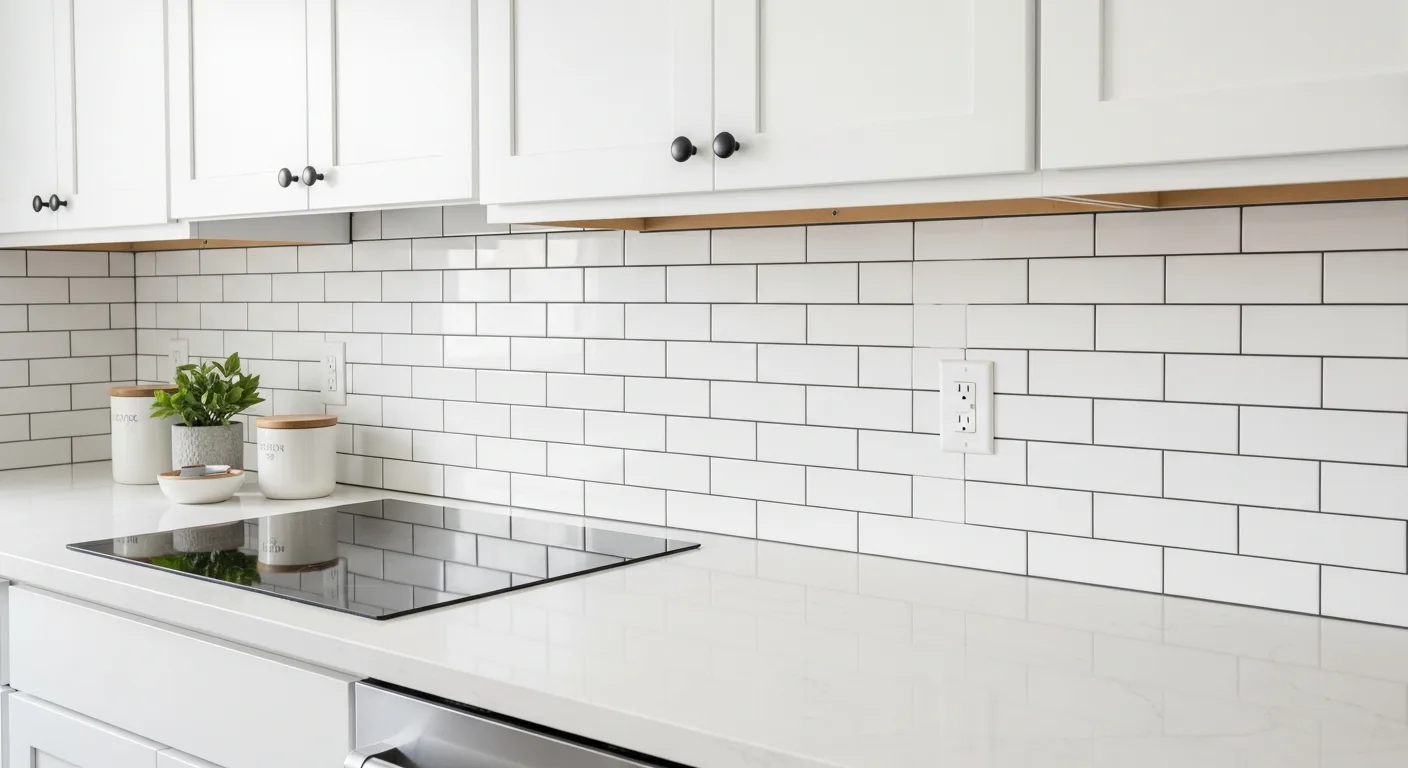
Can You Install a Backsplash Directly on Drywall?
In most kitchens, yes — standard tile goes right over sound drywall. The answer changes when the wall is painted glossy, damaged, or you have picked a heavy natural stone. Here is how to tell which situation you are in.
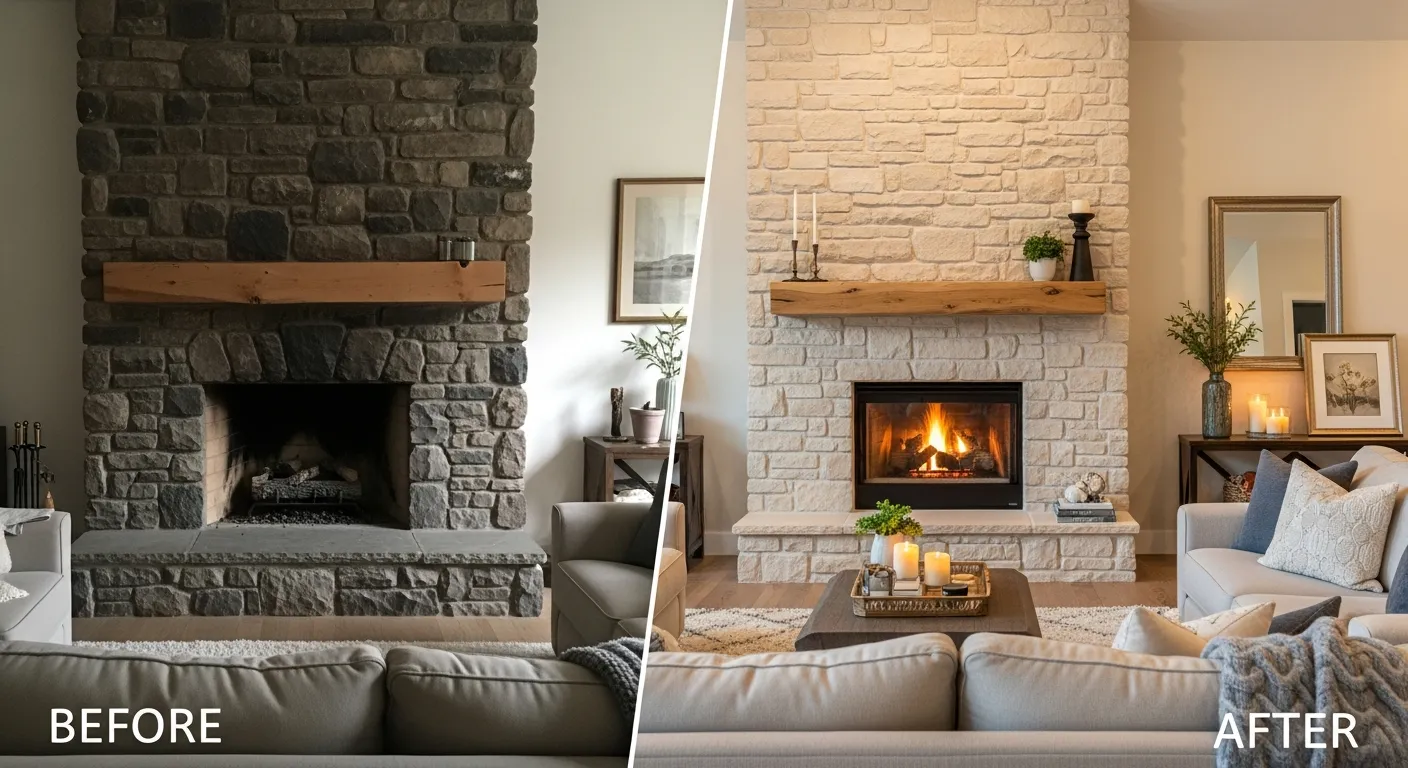
Fireplace Remodel in Michigan: Options and What to Expect
From a simple mantel update to a full stone surround transformation, here is what goes into a fireplace remodel in West Michigan.
Fireplace Resurfacing: Materials, Process, and What to Expect
Thinking about resurfacing your fireplace? Here is a straightforward look at the material options and process for West Michigan homeowners.
Tile Contractor Services Across West Michigan
Adam Baker Masonry serves homeowners throughout the Grand Rapids area and West Michigan. Select your city for local tile installation details.