
Large-Format Tile Installation: What West Michigan Homeowners Should Expect
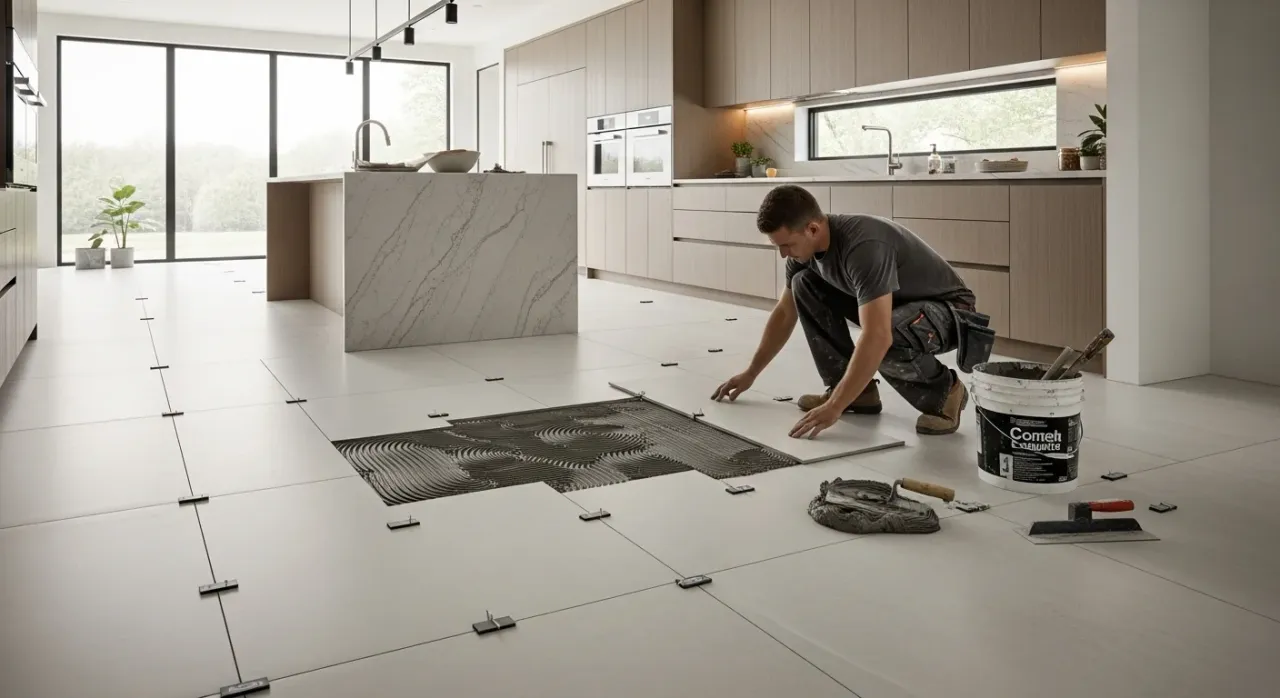
Large-format tile is generally defined as any tile with at least one edge measuring 15 inches or more, with the most popular formats for West Michigan homes running 24×24, 24×48, or larger. The appeal is fewer visible grout lines, a continuous material appearance, and a contemporary scale that smaller tile cannot produce. The tradeoff is that large-format tile demands a flatter substrate and more precise installation technique than standard tile.
What counts as large-format tile?
Industry standards define large-format tile as any tile with at least one edge of 15 inches or more. The most common large-format sizes in Grand Rapids residential installations are 24×24 inches, 24×48 inches, and 12×24 inches for floors. For accent walls and kitchen backsplashes, 4×12, 3×12, and 24×48 large-format panels are widely used. Porcelain slabs — tile panels 48 inches or longer in at least one dimension — represent the upper end of the large-format category and require specialized installation equipment.
Is large-format tile harder to install than standard tile?
Yes, significantly. Large-format tile is unforgiving of substrate imperfections. The industry standard flatness tolerance for floors being tiled with large-format tile is more stringent than for smaller formats — any variation across the substrate surface that exceeds the tolerance will cause lippage (adjacent tiles that are not flush with each other), which is immediately visible and cannot be corrected after the tile is set. This requires more time and skill in substrate preparation. Large-format tile is also heavier, harder to cut precisely, and requires full-coverage thinset application to prevent hollow spots under the tile that can lead to cracking.
Do large tiles make a room look bigger?
Yes, with fewer grout lines across the floor, the eye reads the surface as a more continuous material rather than a grid of individual tiles. This creates a more spacious visual impression, particularly in open-plan living areas and kitchens. The effect is most pronounced in rooms where the tile runs in one direction without interruption. In smaller rooms, large-format tile can also work well — the scale is not as critical as the continuity of the surface and the reduction in grout lines.
What substrate preparation does large-format tile require?
Large-format tile requires a flat substrate that meets the tolerance specified for the tile size. Floors that do not meet this flatness standard need to be leveled before tile is set — using self-leveling compound, grinding high spots, or adding a mortar bed depending on the situation. Subfloors with too much flex also need to be stiffened before large-format tile is installed; a floor that deflects excessively under load will crack large-format tile at the grout joints. In West Michigan homes with wood-frame construction, we assess the floor system carefully before any large-format installation to determine what preparation is required.
What large-format tile size is most popular for floors right now?
The 24×48 format is the most requested size for West Michigan kitchen and living room floors right now. The elongated format creates directional movement in the floor that enhances the sense of space, and the large surface area produces very few grout lines for a nearly continuous material appearance. The 24×24 format remains popular for a cleaner, more symmetrical grid. For mudrooms and entryways, 12×24 is common — large enough to minimize grout lines, easy to maintain, and practical in a rectangular entry space. Contact Adam Baker Masonry at (616) 612-1284 for a free large-format tile floor consultation — our tile contractor services handle matching kitchen backsplash installation packages in the same remodel.
Frequently Asked Questions
What size tile is considered large format?
Any tile with at least one edge measuring 15 inches or more qualifies as large format. The most common residential large-format sizes in West Michigan are 24×24, 24×48, and 12×24 for floors. For walls and backsplashes, 4×12 and 3×12 subway tile also falls into the large-format category and is widely used in kitchen and accent wall applications.
Is large-format tile harder to install than regular tile?
Yes. Large-format tile requires a flatter substrate — any variation beyond the tolerance for the tile size causes lippage that is immediately visible. It is heavier and harder to cut than standard tile. Full-coverage thinset application is required to prevent hollow spots that can lead to cracking. Professional installation is strongly recommended for any large-format tile project.
Do large tiles actually make a room look bigger?
Yes. Fewer grout lines allow the eye to read the floor as a more continuous surface, which creates a more spacious visual impression. The effect is most pronounced in open-plan areas and kitchens. Large-format tile does not require a large room to look good — the reduction in grout line frequency creates a cleaner, more contemporary appearance in rooms of any size.
What substrate flatness does large-format tile require?
Large-format tile requires a more stringent flatness tolerance than smaller tile. Floors that exceed the tolerance need leveling before tile is set — using self-leveling compound, grinding high spots, or a mortar bed. Subfloors with too much flex also need stiffening. We assess substrate condition before every large-format installation and include any required preparation in the written estimate.
What large-format tile size is most popular for West Michigan kitchens right now?
The 24×48 inch format is the most requested for kitchen and living room floors in the Grand Rapids area. Its elongated shape creates directional movement that enhances the sense of space, and the large tiles produce very few grout lines for a near-continuous material appearance. The 24×24 format remains popular for a cleaner symmetrical grid.
Need Professional Help?
If you've identified masonry issues or need a professional inspection, we're here to help. Adam Baker Masonry serves Grand Rapids and the surrounding 50-mile area.
Related Articles
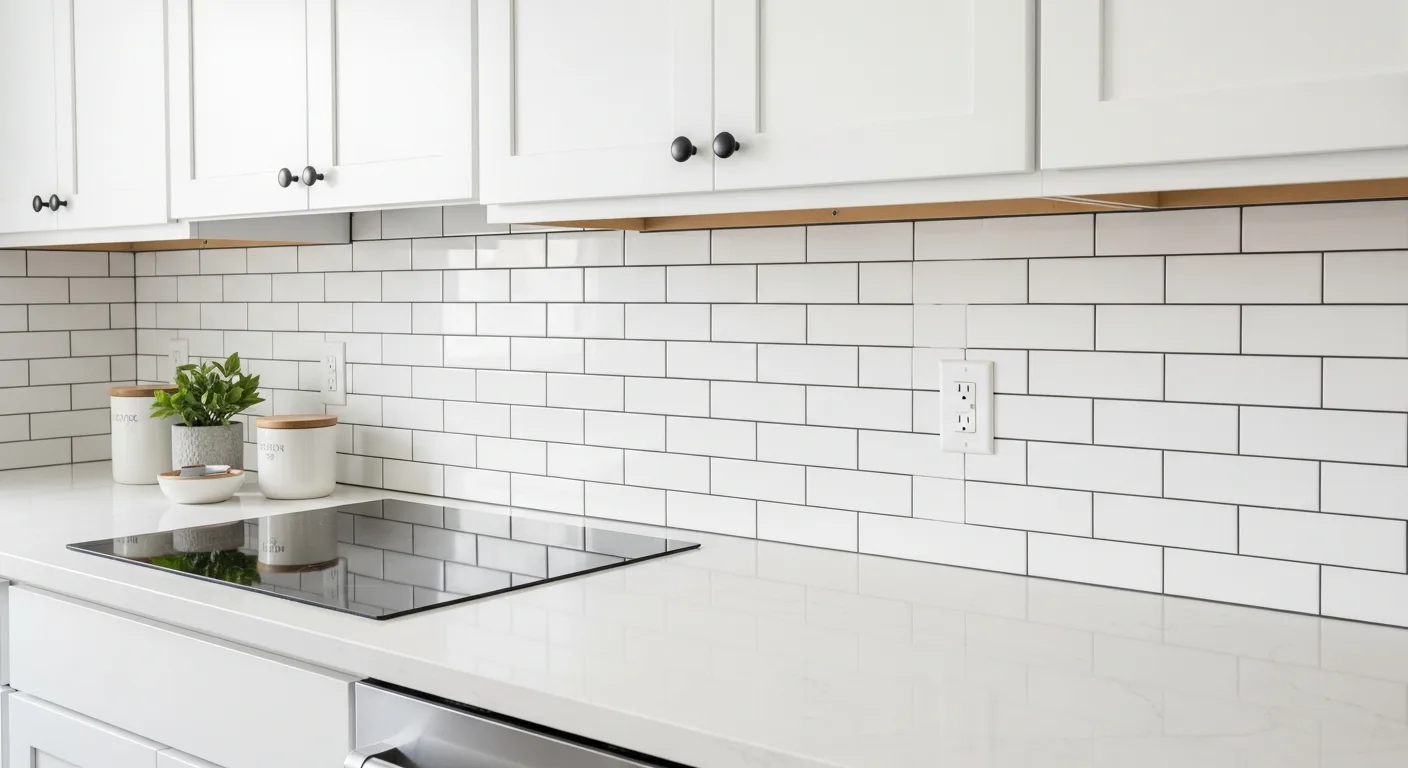
Can You Install a Backsplash Directly on Drywall?
In most kitchens, yes — standard tile goes right over sound drywall. The answer changes when the wall is painted glossy, damaged, or you have picked a heavy natural stone. Here is how to tell which situation you are in.
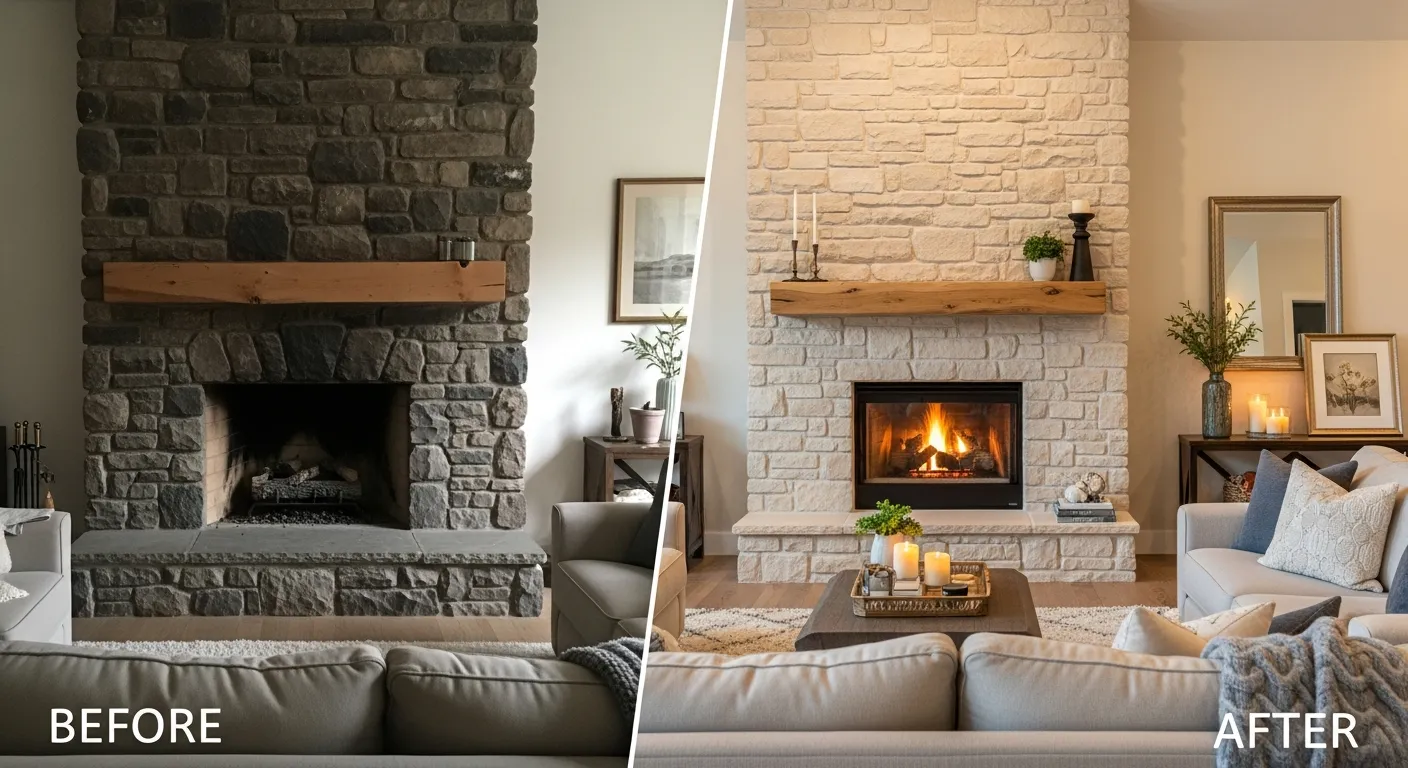
Fireplace Remodel in Michigan: Options and What to Expect
From a simple mantel update to a full stone surround transformation, here is what goes into a fireplace remodel in West Michigan.
Fireplace Resurfacing: Materials, Process, and What to Expect
Thinking about resurfacing your fireplace? Here is a straightforward look at the material options and process for West Michigan homeowners.
Tile Contractor Services Across West Michigan
Adam Baker Masonry serves homeowners throughout the Grand Rapids area and West Michigan. Select your city for local tile installation details.