
Natural Stone vs. Porcelain Tile for Floors: A West Michigan Comparison
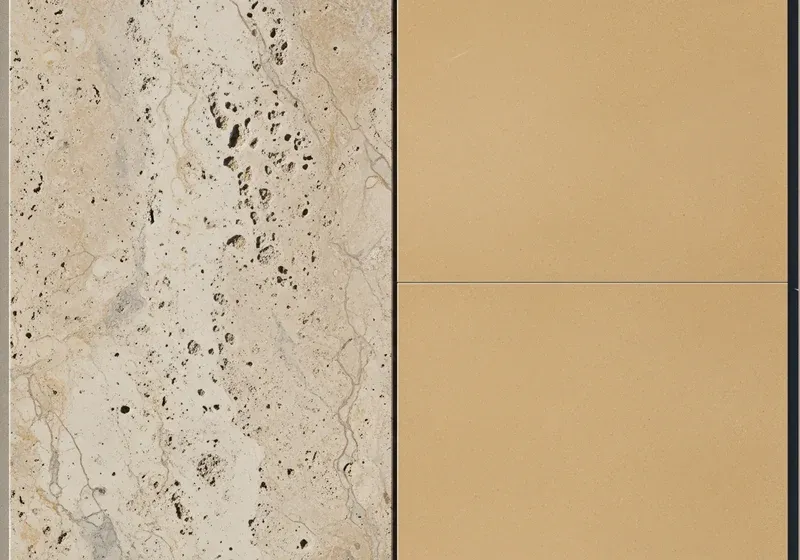
Neither natural stone nor porcelain is objectively better — they make different trade-offs. Natural stone has authentic material variation and geological character that no manufactured tile can replicate. Porcelain is lower maintenance, does not require sealing, and is more consistent in dimension. For Michigan homeowners, the choice comes down to how much you value authentic material versus maintenance simplicity.
Is natural stone tile better than porcelain for floors?
Natural stone and porcelain excel in different areas. Real stone — travertine, limestone, slate, quartzite — has material variation that is genuinely unique from piece to piece, weight and thermal mass underfoot, and an organic quality that high-resolution digital printing cannot fully replicate. Porcelain is much lower maintenance (no sealing required), more dimensionally consistent for installation, and available in formats and colors that stone cannot match. For homeowners in East Grand Rapids and Ada who prioritize authentic craftsmanship and material quality, natural stone is a compelling choice. For those prioritizing simplicity and durability, porcelain is the more practical path.
Which lasts longer, natural stone or porcelain tile?
Both can last for decades when properly installed and maintained. Natural stone floors in properly maintained buildings have lasted centuries — its longevity is not in question. Porcelain tile, properly installed with appropriate setting materials, is essentially permanent as well. The difference is in the maintenance required: natural stone that is neglected — not sealed, not resealed as needed — will stain and degrade over time. Porcelain tile requires no sealing and its surface is not affected by neglect in the same way. Long-term, both materials outlast most alternatives by a wide margin when installed correctly.
Does natural stone flooring require more maintenance than porcelain?
Yes. Natural stone is porous to varying degrees and requires a penetrating sealer after installation, with periodic resealing depending on the stone type, finish, and amount of use. Kitchen floors and high-traffic areas need more frequent attention. Neglecting to reseal allows natural stone to absorb oils, food residue, and cleaning products that stain or dull the surface. Porcelain requires no sealing — the grout joints benefit from sealer, but the tile surface itself is maintenance-free. For homeowners who want beautiful floors without ongoing material maintenance, porcelain is the lower-effort choice.
How does Michigan's climate affect natural stone versus porcelain floors?
For interior flooring in a heated home, Michigan's outdoor climate is not relevant to either material. The freeze-thaw cycle that affects exterior masonry does not apply to floors inside a heated space. Indoor humidity variation between Michigan's dry winters and more humid summers does not meaningfully affect either natural stone or porcelain in interior applications. For outdoor applications — patios, steps, outdoor kitchen surfaces — exterior-rated porcelain is more forgiving in Michigan's freeze-thaw cycle than most natural stone. But for interior floors, both materials perform reliably in Michigan's climate.
Which costs more, natural stone or porcelain tile flooring?
Natural stone material cost varies widely by stone type — some varieties are less expensive than quality porcelain, while premium stone like marble and quartzite costs significantly more. Installation cost is typically higher for natural stone because it requires more careful substrate preparation, more skill in cutting irregular natural pieces, and sealing after installation. Porcelain — particularly large-format — also requires skilled installation, but the process is more predictable. The total installed cost for premium natural stone consistently exceeds premium porcelain for equivalent floor areas. Contact Adam Baker Masonry at (616) 612-1284 to discuss stone flooring and tile flooring options for your West Michigan home.
Frequently Asked Questions
Is natural stone tile better than porcelain for floors?
Neither is objectively better — they make different trade-offs. Natural stone has authentic material variation and geological character that porcelain cannot fully replicate. Porcelain requires no sealing, is more consistent in dimension, and is lower maintenance. The right choice depends on whether authentic material quality or maintenance simplicity is the higher priority.
Which lasts longer, natural stone or porcelain tile?
Both can last for decades when properly installed. Natural stone that is properly sealed and maintained has extraordinary longevity. Porcelain is essentially permanent with no required maintenance on the tile surface. The practical difference is that neglected natural stone — not sealed or resealed as needed — will stain and degrade over time. Porcelain is not affected by maintenance neglect in the same way.
Does natural stone flooring need to be sealed in Michigan?
Yes. Natural stone is porous and requires a penetrating sealer after installation, with periodic resealing based on the stone type, finish, and traffic level. Kitchen floors and high-use areas need more frequent attention. We include sealing after every stone floor installation and provide homeowners with a maintenance schedule appropriate for their specific material.
Can porcelain really look like natural stone?
High-quality large-format porcelain has improved significantly and is visually convincing at normal viewing distances. The difference from real stone is most apparent at close range — porcelain repeats its pattern across tiles in the same batch, while genuine stone varies from piece to piece in ways that are determined by geological processes. Many homeowners find the practical advantages of porcelain worth the compromise in material authenticity.
Is natural stone or porcelain tile more expensive to install in Grand Rapids?
Natural stone is typically more expensive to install because it requires more careful substrate preparation, more skilled cutting of irregular natural pieces, and sealing after installation. Premium large-format porcelain also requires skilled installation, but the process is more predictable and consistent. Contact us at (616) 612-1284 for free estimates comparing both options for your specific project.
Need Professional Help?
If you've identified masonry issues or need a professional inspection, we're here to help. Adam Baker Masonry serves Grand Rapids and the surrounding 50-mile area.
Related Articles
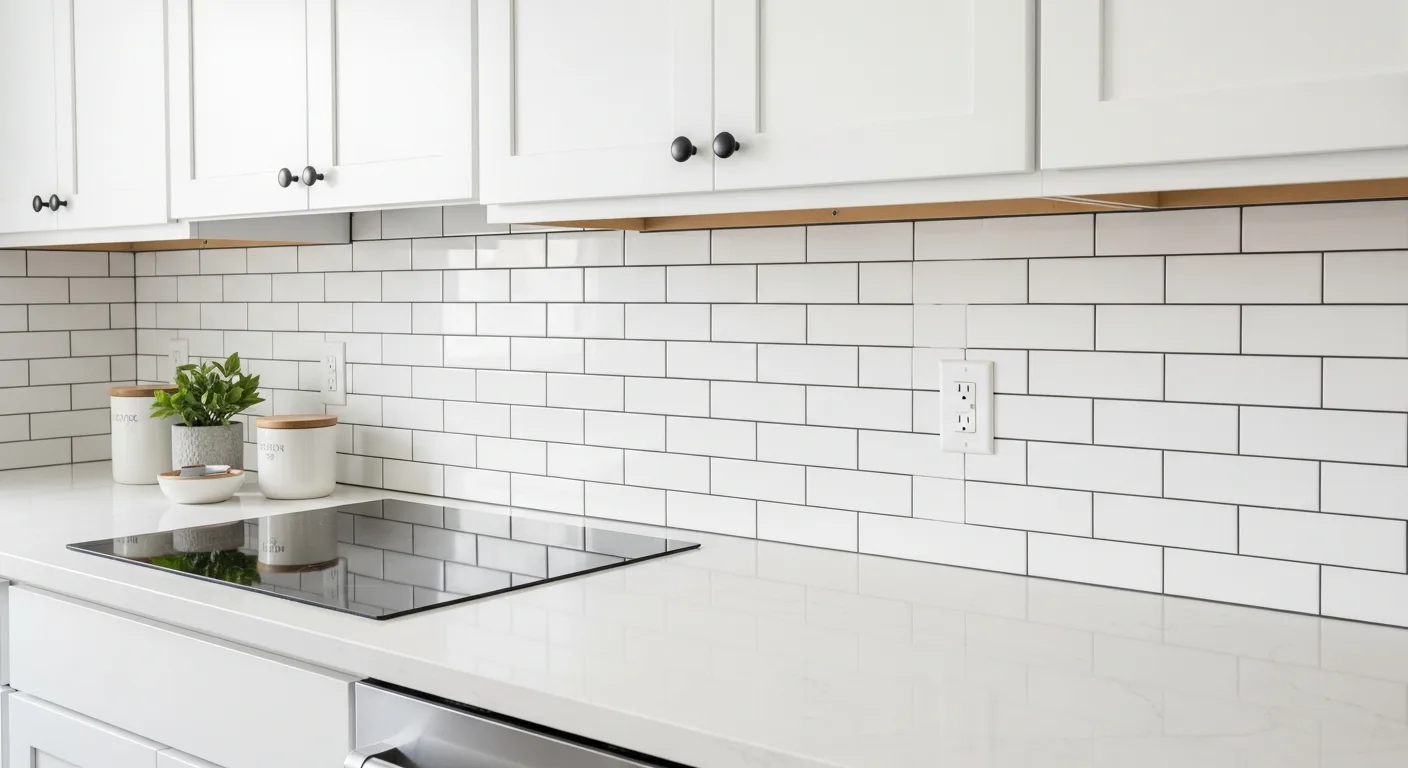
Can You Install a Backsplash Directly on Drywall?
In most kitchens, yes — standard tile goes right over sound drywall. The answer changes when the wall is painted glossy, damaged, or you have picked a heavy natural stone. Here is how to tell which situation you are in.
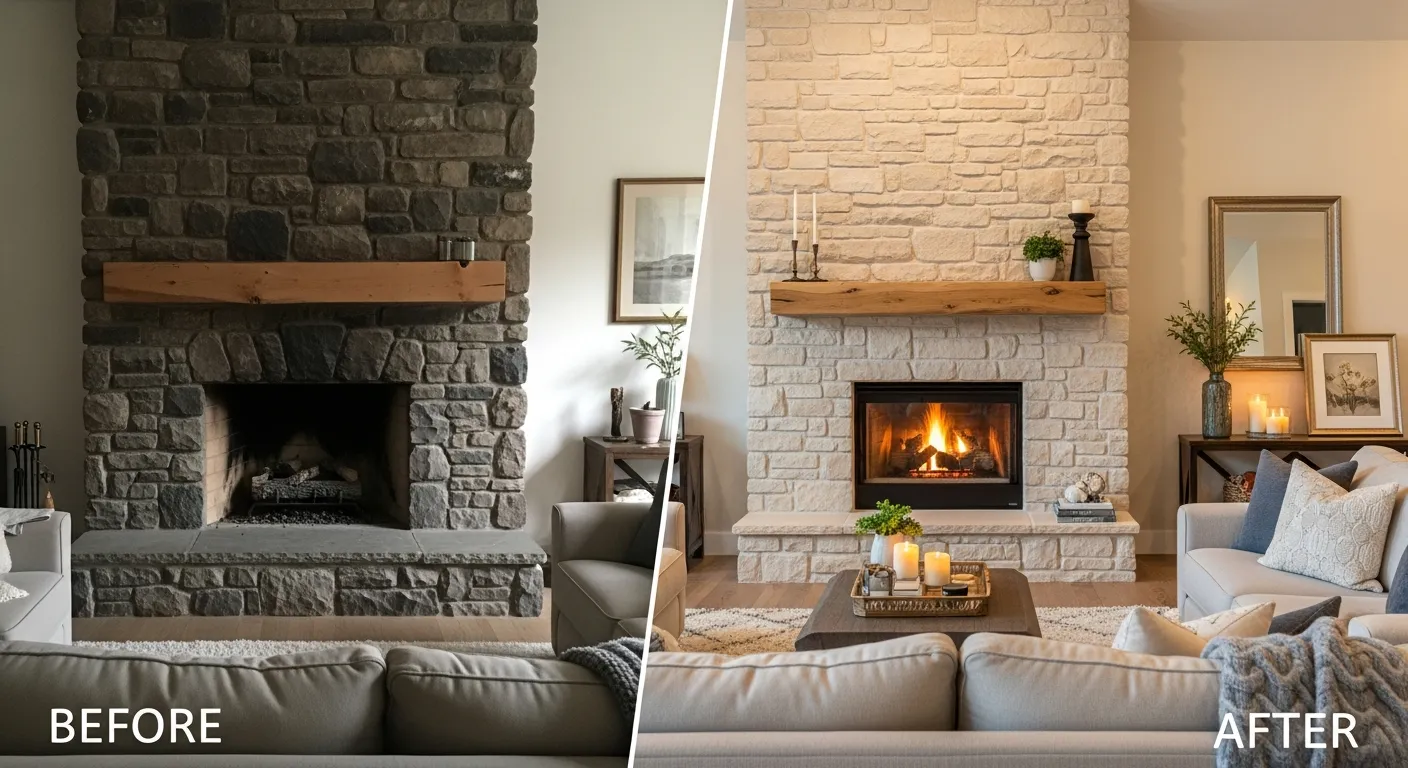
Fireplace Remodel in Michigan: Options and What to Expect
From a simple mantel update to a full stone surround transformation, here is what goes into a fireplace remodel in West Michigan.
Fireplace Resurfacing: Materials, Process, and What to Expect
Thinking about resurfacing your fireplace? Here is a straightforward look at the material options and process for West Michigan homeowners.
Tile Contractor Services Across West Michigan
Adam Baker Masonry serves homeowners throughout the Grand Rapids area and West Michigan. Select your city for local tile installation details.