
Porcelain vs. Ceramic Tile: Which Is Right for Your Michigan Home?
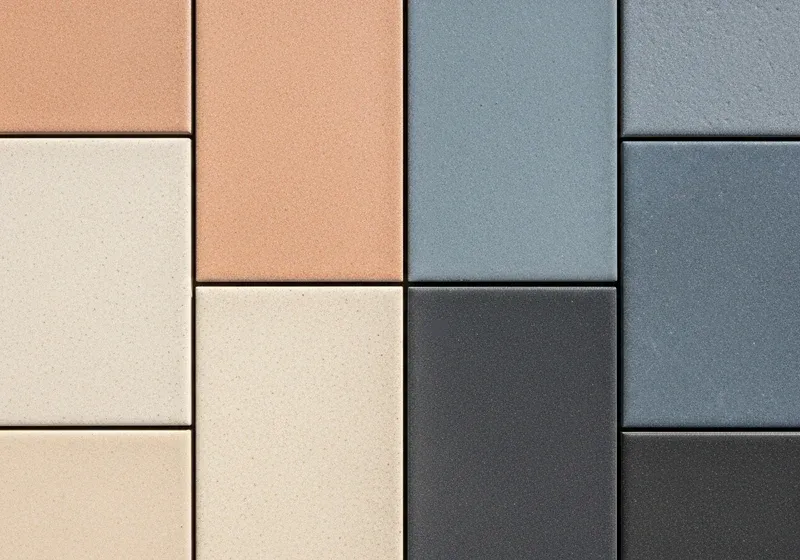
Porcelain is denser, harder, and less porous than ceramic — it is the better choice for floors, high-traffic areas, and anywhere exposed to moisture. Ceramic is less expensive, easier to cut, and works well for backsplashes and light-use wall tile. For most flooring projects in Grand Rapids kitchens, mudrooms, and entryways, porcelain is the right answer. For backsplashes and decorative wall applications, ceramic delivers excellent results at a lower material cost.
What is the difference between porcelain and ceramic tile?
Both are made from clay and fired at high temperatures, but porcelain uses a denser clay body fired at a higher temperature for a longer time. The result is a tile that is harder, less porous, and more resistant to water absorption than ceramic. The water absorption rate of porcelain is significantly lower than ceramic — this is the technical distinction that matters for flooring, outdoor use, and wet areas. Ceramic tile has a higher absorption rate, which is why it is typically specified for walls and backsplashes rather than floors that see water or heavy traffic.
Is porcelain tile better than ceramic for floors?
Yes, for most floor applications. Porcelain's density and hardness make it significantly more resistant to wear, scratching, and cracking under heavy foot traffic. Its low water absorption rate means moisture from wet boots, spills, and mopping does not penetrate the tile surface. In Michigan mudrooms, kitchens, and entryways where the floor takes constant abuse, porcelain consistently outperforms ceramic in durability. Ceramic is a reasonable choice for light-traffic interior floors where cost is a priority, but porcelain is the industry-standard recommendation for most residential flooring applications.
Which is harder to install, porcelain or ceramic?
Porcelain is harder to cut and work with than ceramic because of its density. Ceramic cuts readily with standard tile saws. Porcelain requires diamond blades rated for dense material and cuts more slowly, generating more heat during cutting. Large-format porcelain is the most demanding installation — its size and density require careful substrate preparation to prevent lippage, and cuts must be precise because the material does not forgive sloppy technique. This is why professional installation of porcelain, especially large-format, costs more than ceramic of similar dimensions.
Is porcelain tile worth the extra cost over ceramic?
For floors, yes. Porcelain's longer lifespan, greater durability, and lower maintenance requirements make the additional cost worthwhile over the life of the floor. For backsplashes and decorative wall tile where the surface does not experience foot traffic, impact, or heavy water exposure, the cost difference between porcelain and ceramic may not translate to meaningful performance advantages — ceramic delivers excellent results on walls at a lower material cost.
When should you choose ceramic tile over porcelain?
Ceramic tile is the right choice when budget is the primary consideration and the application does not require porcelain's performance properties. Kitchen backsplashes, accent walls, and light-use interior walls are the strongest applications for ceramic because the tile does not need to withstand foot traffic, impact, or heavy moisture. Ceramic is also easier to cut, which makes it more forgiving in complex layouts with many cuts. Contact Adam Baker Masonry at (616) 612-1284 to discuss the right tile type for your specific project in the Grand Rapids area — our kitchen backsplash installation and tile contractor services cover both porcelain and ceramic for floors, backsplashes, and surrounds.
Frequently Asked Questions
What is the difference between porcelain and ceramic tile?
Porcelain and ceramic are both clay-based tiles, but porcelain uses a denser clay body fired at higher temperatures, resulting in a harder, less porous tile with significantly lower water absorption. Ceramic is less expensive and easier to cut but absorbs more moisture. For floors and wet areas, porcelain is the better-performing material.
Is porcelain tile better than ceramic for floors?
Yes. Porcelain's density and hardness make it more resistant to wear, scratching, and moisture absorption than ceramic. For kitchen floors, mudrooms, and entryways in West Michigan homes, porcelain consistently outperforms ceramic over the long term. Ceramic is a reasonable choice for light-traffic areas where budget is the priority.
Is porcelain tile harder to install than ceramic?
Yes. Porcelain is denser and requires diamond-rated cutting blades and more precise technique. Large-format porcelain demands careful substrate preparation to avoid lippage. Professional installation of porcelain costs more than ceramic of similar dimensions precisely because it is more demanding to work with correctly.
Is porcelain tile worth the extra cost?
For floors and high-traffic areas, yes. Porcelain's longer lifespan and lower maintenance requirements make the additional material cost worthwhile over the life of the floor. For backsplashes and decorative wall tile where performance demands are lower, ceramic delivers excellent results at a lower cost — the extra investment in porcelain may not provide meaningful additional value on walls.
Can porcelain tile be used outdoors in Michigan?
Porcelain rated for exterior use — tile with the appropriate freeze-thaw cycle rating — can be used outdoors in Michigan. Not all porcelain is rated for exterior applications, so specifying the correct product is important. We select exterior-rated porcelain for any installation that will be exposed to Michigan's freeze-thaw cycle, including outdoor steps, landings, and patio surfaces adjacent to masonry work.
Need Professional Help?
If you've identified masonry issues or need a professional inspection, we're here to help. Adam Baker Masonry serves Grand Rapids and the surrounding 50-mile area.
Related Articles
Can You Install a Backsplash Directly on Drywall?
In most kitchens, yes — standard tile goes right over sound drywall. The answer changes when the wall is painted glossy, damaged, or you have picked a heavy natural stone. Here is how to tell which situation you are in.
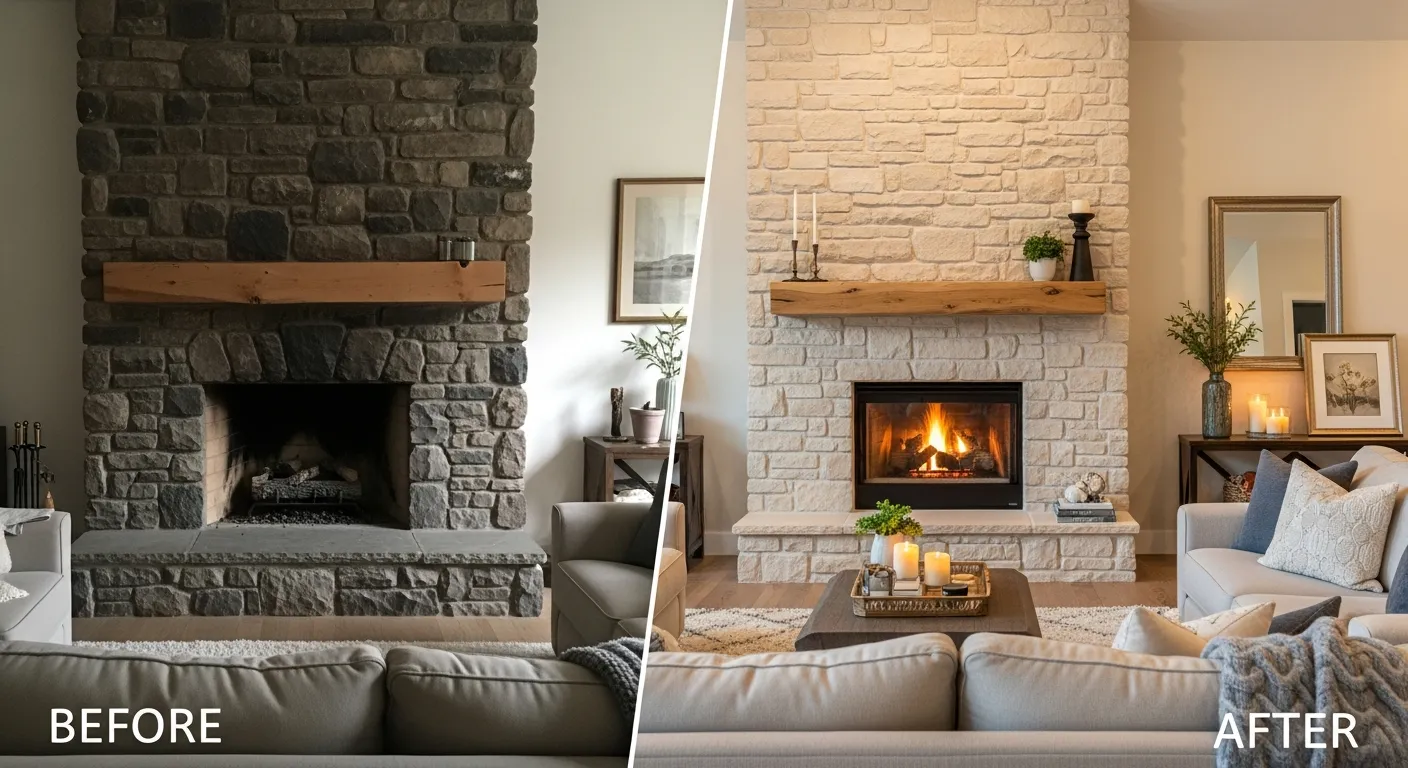
Fireplace Remodel in Michigan: Options and What to Expect
From a simple mantel update to a full stone surround transformation, here is what goes into a fireplace remodel in West Michigan.
Fireplace Resurfacing: Materials, Process, and What to Expect
Thinking about resurfacing your fireplace? Here is a straightforward look at the material options and process for West Michigan homeowners.
Tile Contractor Services Across West Michigan
Adam Baker Masonry serves homeowners throughout the Grand Rapids area and West Michigan. Select your city for local tile installation details.