
Heated Tile Floors in Michigan: What Homeowners Should Know Before Installing Radiant Heat Under Tile
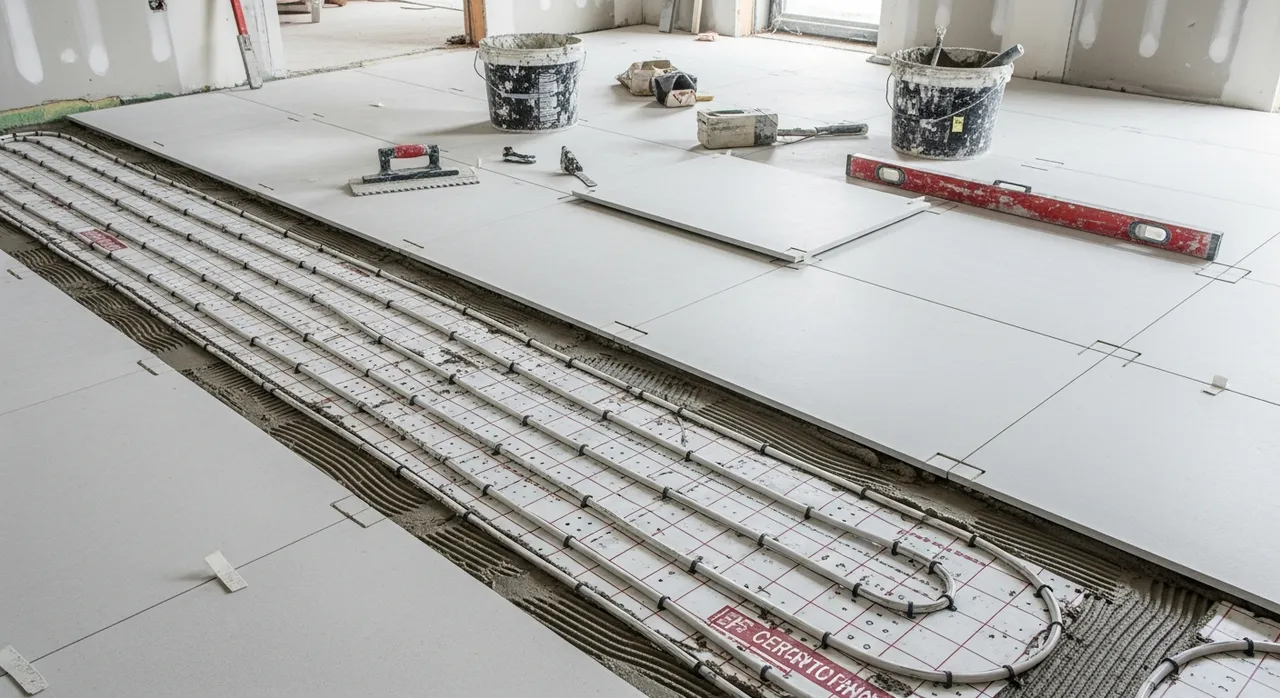
Electric radiant heat under tile eliminates the cold-floor problem in Michigan winters entirely. A thin heating mat is embedded in the thinset beneath the tile during installation — the floor warms from below, not from above. The system must be planned before tile installation begins, not added afterward. For West Michigan kitchens and mudrooms, it is the most consistently praised renovation upgrade homeowners report.
How Does Electric Radiant Heat Under Tile Work?
The most common residential system is an electric resistance mat: a thin mesh pad with resistance heating cables woven through it at consistent spacing. The mat is embedded in the thinset during tile installation — it sits between the tile and the subfloor. A thermostat on the wall controls the system, and a floor sensor embedded in the thinset reads the actual floor temperature so the system maintains a consistent surface temperature rather than reacting to air temperature. When the thermostat calls for heat, the cables warm up, transferring heat through the setting material and tile to the surface. The floor itself is warm, not just the air above it.
Can Electric Radiant Heat Be Installed Under Any Tile?
Porcelain and ceramic tile are the most compatible materials for electric radiant heat — they conduct heat efficiently and are dimensionally stable through the repeated heating cycles. Natural stone — marble, slate, travertine — also works well with radiant heat. Very thick tile takes longer to reach temperature but retains heat longer once warm. The one installation requirement that applies to all tile over radiant heat is using thinset and grout formulated for in-floor heating applications, as specified by the heating system manufacturer. We discuss material selection as part of any project that includes a radiant heat system.
Where Do Heated Tile Floors Make the Most Sense in a Michigan Home?
Kitchens and mudrooms get the most benefit from radiant heat under tile. In a Michigan kitchen where bare feet encounter cold porcelain from November through April, a heated floor is a daily comfort improvement that most homeowners describe as exceeding their expectations. Mudrooms and entryways with tile floors take constant wet-weather traffic — a heated floor in the mudroom dries wet boots quickly and keeps the entry warm regardless of what is happening outside. Great rooms and living areas with tile floors over concrete slab are also strong candidates, since the slab conducts cold to the floor surface.
Does Radiant Heat Need to Be Planned Before Tile Installation Begins?
Yes — this is the most important planning note. Radiant heat mats are embedded in the thinset beneath the tile during installation. They cannot be added to an existing tile floor without removing the tile. The heating system and the tile installation must be planned and executed together. The thermostat also requires a dedicated electrical circuit, which an electrician runs before tile work begins. Coordinating the electrical rough-in with the tile project timeline is part of every radiant heat installation we discuss at the estimate.
How Much Does It Cost to Run a Heated Tile Floor in Michigan?
Operating cost depends on your electric rate, the square footage of the heated zone, and how many hours per day the system runs. Electric radiant heat is most economical when used in specific zones — kitchen, mudroom — rather than whole-house heating. Running the system on a programmable schedule that warms the floor before you wake and reduces during unoccupied hours keeps costs reasonable. The heating system manufacturer can provide operating cost estimates based on your floor area and local electric rates. Call Adam Baker Masonry at (616) 612-1284 to include radiant heat in your tile floor installation project.
Frequently Asked Questions
Can radiant heat be added under an existing tile floor?
No — not without removing the existing tile. Radiant heat mats must be embedded in the thinset under the tile during installation. If you want a heated floor, the right time to add it is during a tile replacement or new installation project. Adding it as a separate project later requires full tile removal.
Can electric radiant heat be installed under any tile?
Porcelain and ceramic tile are the most compatible — they conduct heat efficiently and are dimensionally stable. Natural stone also works well. Very thick tile takes longer to heat up but retains warmth longer. The key requirement is using thinset and grout formulated for in-floor heating applications as specified by the system manufacturer.
Does radiant heat under tile require an electrician?
Yes. The thermostat requires a dedicated electrical circuit run by a licensed electrician before tile installation begins. We coordinate the tile installation timeline with the electrical rough-in so both trades sequence correctly. We can recommend electricians we work with if you need a referral.
Can a heated tile floor serve as primary heat for a room?
Electric radiant heat under tile is best as supplemental comfort heat, not as a primary heat source. It warms the floor surface and the lower portion of the room but is not typically sized to replace a forced-air system. The primary value is the comfort of a warm floor surface on cold Michigan mornings.
Does radiant heat damage tile or grout over time?
Properly installed radiant heat does not damage tile or grout. The system operates at low, controlled temperatures — well within the thermal tolerance of porcelain, ceramic, and natural stone. Using the thinset and grout specified for heated floor applications is the key installation detail that ensures long-term compatibility.
Need Professional Help?
If you've identified masonry issues or need a professional inspection, we're here to help. Adam Baker Masonry serves Grand Rapids and the surrounding 50-mile area.
Related Articles
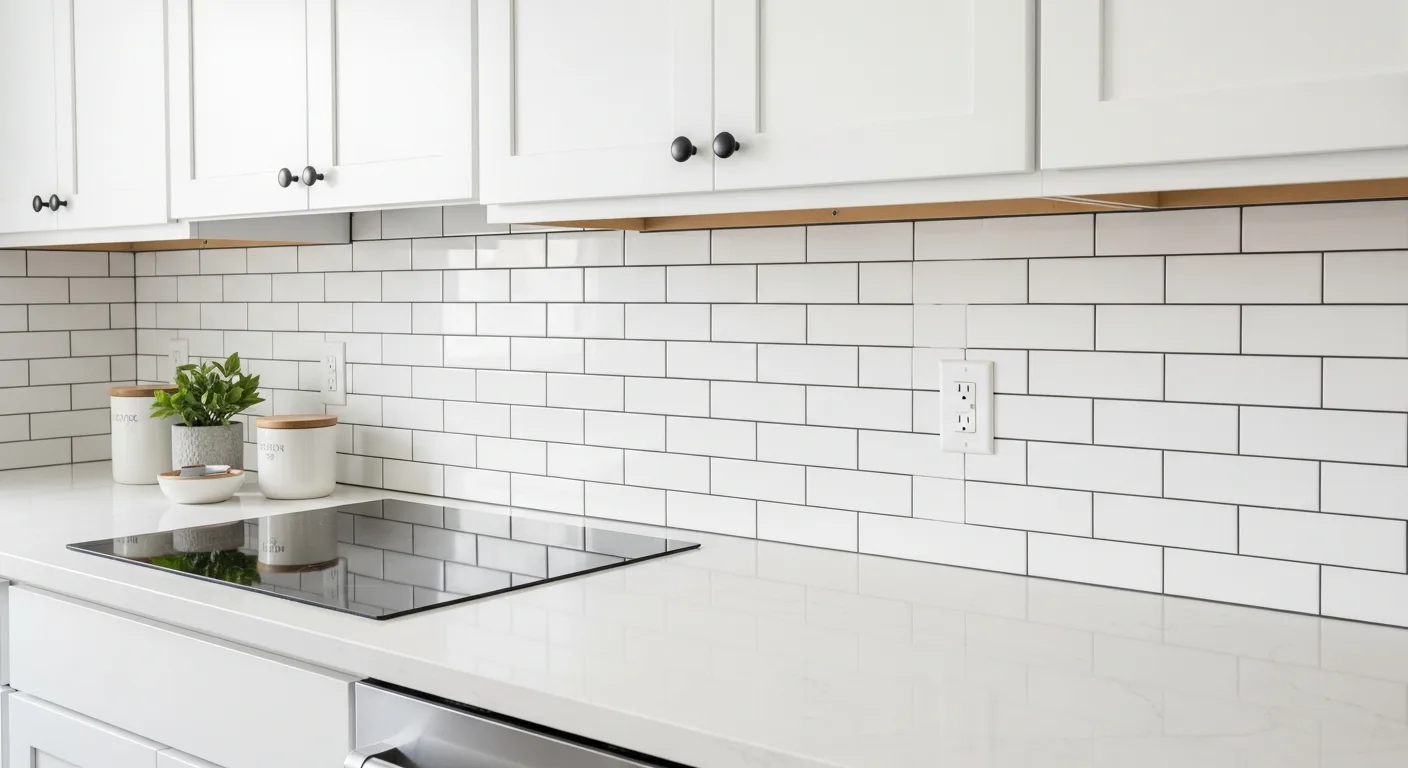
Can You Install a Backsplash Directly on Drywall?
In most kitchens, yes — standard tile goes right over sound drywall. The answer changes when the wall is painted glossy, damaged, or you have picked a heavy natural stone. Here is how to tell which situation you are in.
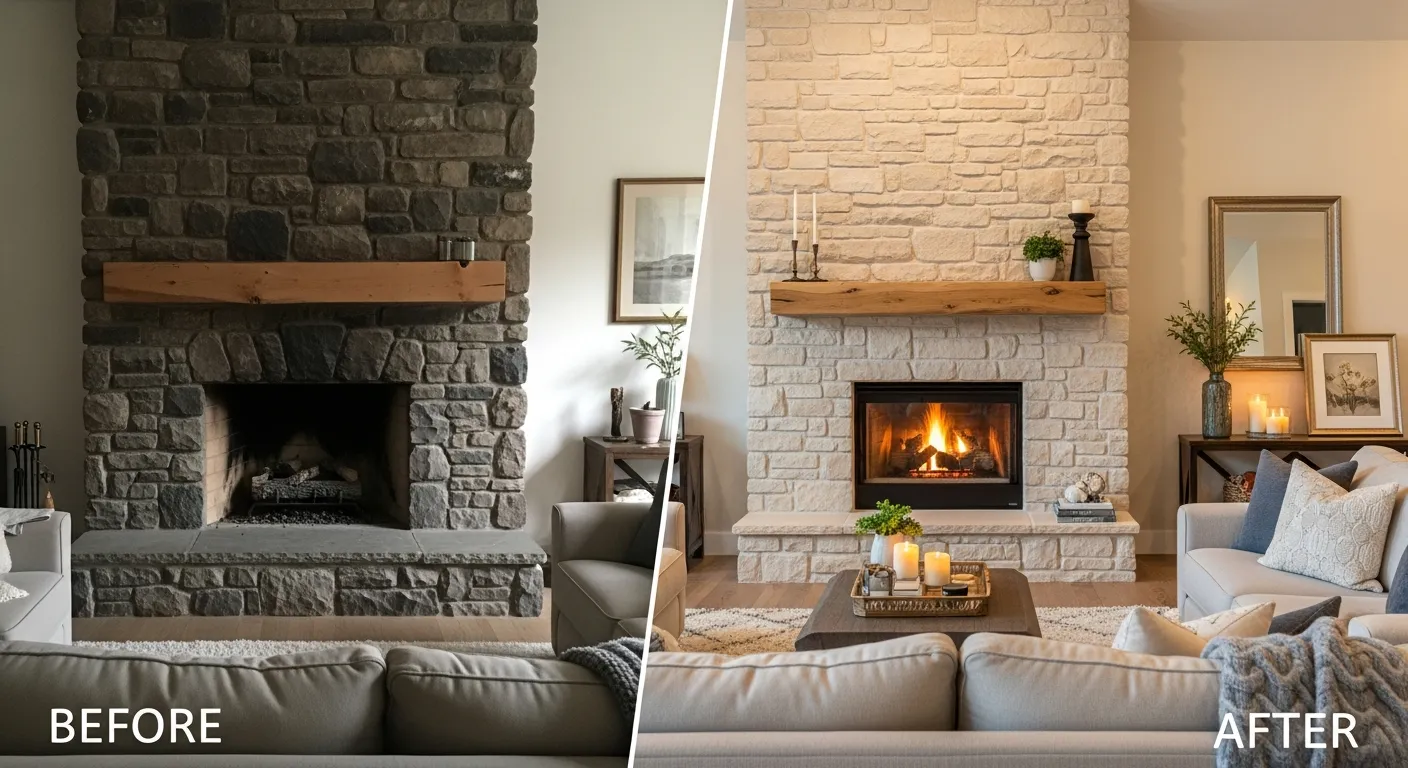
Fireplace Remodel in Michigan: Options and What to Expect
From a simple mantel update to a full stone surround transformation, here is what goes into a fireplace remodel in West Michigan.
Fireplace Resurfacing: Materials, Process, and What to Expect
Thinking about resurfacing your fireplace? Here is a straightforward look at the material options and process for West Michigan homeowners.
Tile Contractor Services Across West Michigan
Adam Baker Masonry serves homeowners throughout the Grand Rapids area and West Michigan. Select your city for local tile installation details.