
Stone Flooring vs. Tile: Which Is Right for Your Michigan Home?
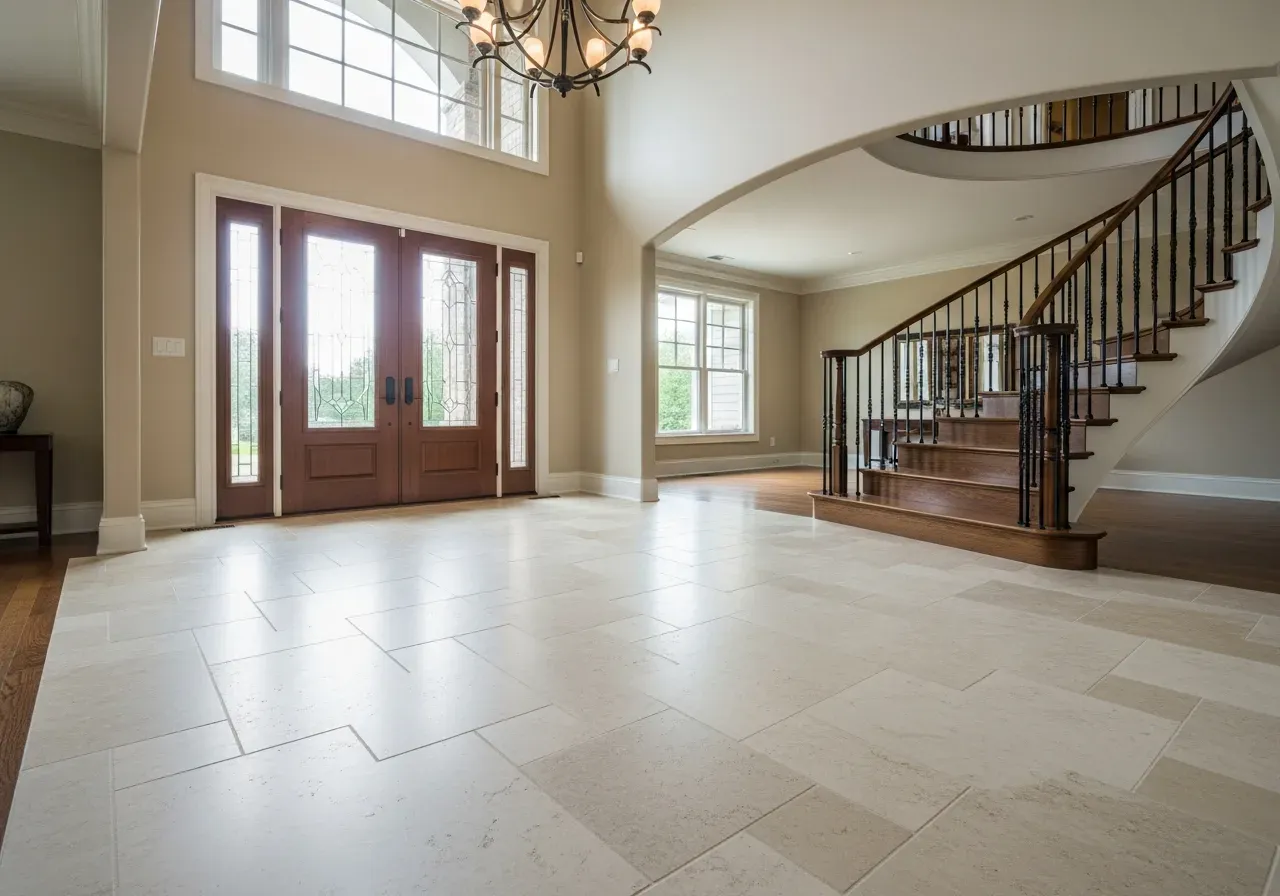
Should I choose stone or porcelain tile?
Stone flooring and porcelain tile are both excellent choices for Michigan homes, but they perform differently in key areas. If you are renovating a kitchen, entryway, living room, or basement, understanding the differences helps you make the right call for your situation.
What Are the Main Differences?
Natural stone floors include materials like slate, travertine, marble, limestone, and granite. Each has a unique appearance with natural color variation and texture that porcelain tile imitates but cannot fully match. Stone is quarried and cut, so no two pieces look exactly alike. That natural variation is a major selling point for homeowners who want a one-of-a-kind floor.
What is porcelain tile?
Porcelain tile is manufactured from clay fired at high temperatures. Modern porcelain can convincingly replicate the look of stone, wood, and concrete. It comes in consistent sizes and colors, which makes installation faster and more predictable. Large-format porcelain tiles with minimal grout lines create a sleek, modern look popular in Grand Rapids new construction.
Which Is More Durable?
Durability is where the comparison gets interesting. Porcelain tile is extremely hard and resists scratches, stains, and moisture. It rates high on the PEI hardness scale and handles heavy foot traffic without issue. Natural stone varies by type. Granite and slate are very hard and durable. Marble and travertine are softer and more prone to scratching and staining without proper sealing.
Which works better with radiant heat?
For Michigan homes with radiant floor heating, both materials work well. Natural stone conducts heat slightly better than porcelain, so your stone floor warms up faster and holds heat longer. This is a real advantage during our long winters. If radiant heat is part of your plan, stone flooring gives you a small but noticeable performance edge.
What affects the project scope?
Porcelain tile is generally the more accessible option in terms of material availability and consistency. Natural stone takes more skilled labor to install but delivers a one-of-a-kind look and long-term durability. The scope of a flooring project depends on room size, material selection, and subfloor condition.
How Does Maintenance Compare?
Maintenance differs between the two. Porcelain tile requires almost no maintenance beyond regular cleaning. Natural stone needs periodic resealing, typically every one to three years depending on the stone type and traffic level. Sealing is a straightforward process but it is an ongoing commitment.
Which is better in mudrooms and laundry rooms?
In laundry rooms and mudrooms, porcelain tile has an edge because it absorbs almost no water and handles heavy daily wear. Natural stone is more porous and requires proper sealing, but in kitchens and entryways both materials perform well when installed and sealed correctly.
Where does each material shine?
The best rooms for stone flooring in a Michigan home are entryways, kitchens, and living areas where the natural beauty is visible and appreciated daily. Porcelain tile is the practical winner for mudrooms and laundry rooms where heavy daily wear and cleaning ease are priorities. Many homeowners use a combination, choosing stone for main living areas and porcelain for high-traffic utility spaces.
Not sure which direction to go? Our team at Adam Baker Masonry installs both natural stone flooring and stone veneer. We can bring samples to your home and help you compare options side by side. Contact us for a free consultation.
Step-by-Step Guide
- 1
Assess Your Room
Consider the room's moisture level, foot traffic, and whether you plan to install radiant heat. These factors narrow your choices quickly.
- 2
Compare Material Samples
Look at both porcelain and natural stone samples in your actual room lighting. Colors shift dramatically between showroom and home.
- 3
Consider Long-Term Maintenance
Porcelain requires less upkeep while stone needs periodic sealing. Factor in how much maintenance you are willing to do over the years.
- 4
Plan for Subfloor Prep
Both materials need a level, stable subfloor. Your installer will assess whether any prep work is needed before setting the first tile or stone.
Frequently Asked Questions
Which is better for radiant floor heating: stone or porcelain?
Both work well, but natural stone conducts heat slightly better than porcelain, so stone warms up faster and holds heat longer. That's a real advantage during Michigan's long winters.
Which requires more maintenance?
Porcelain tile requires almost no maintenance beyond regular cleaning. Natural stone needs periodic resealing, typically every one to three years depending on the stone type and traffic level.
Where should I use stone vs. porcelain in my home?
Stone works beautifully in entryways, kitchens, and living areas where natural beauty is appreciated daily. Porcelain is the practical winner for mudrooms and laundry rooms where heavy daily wear and cleaning ease are priorities.
Need Professional Help?
If you've identified masonry issues or need a professional inspection, we're here to help. Adam Baker Masonry serves Grand Rapids and the surrounding 50-mile area.
Related Articles
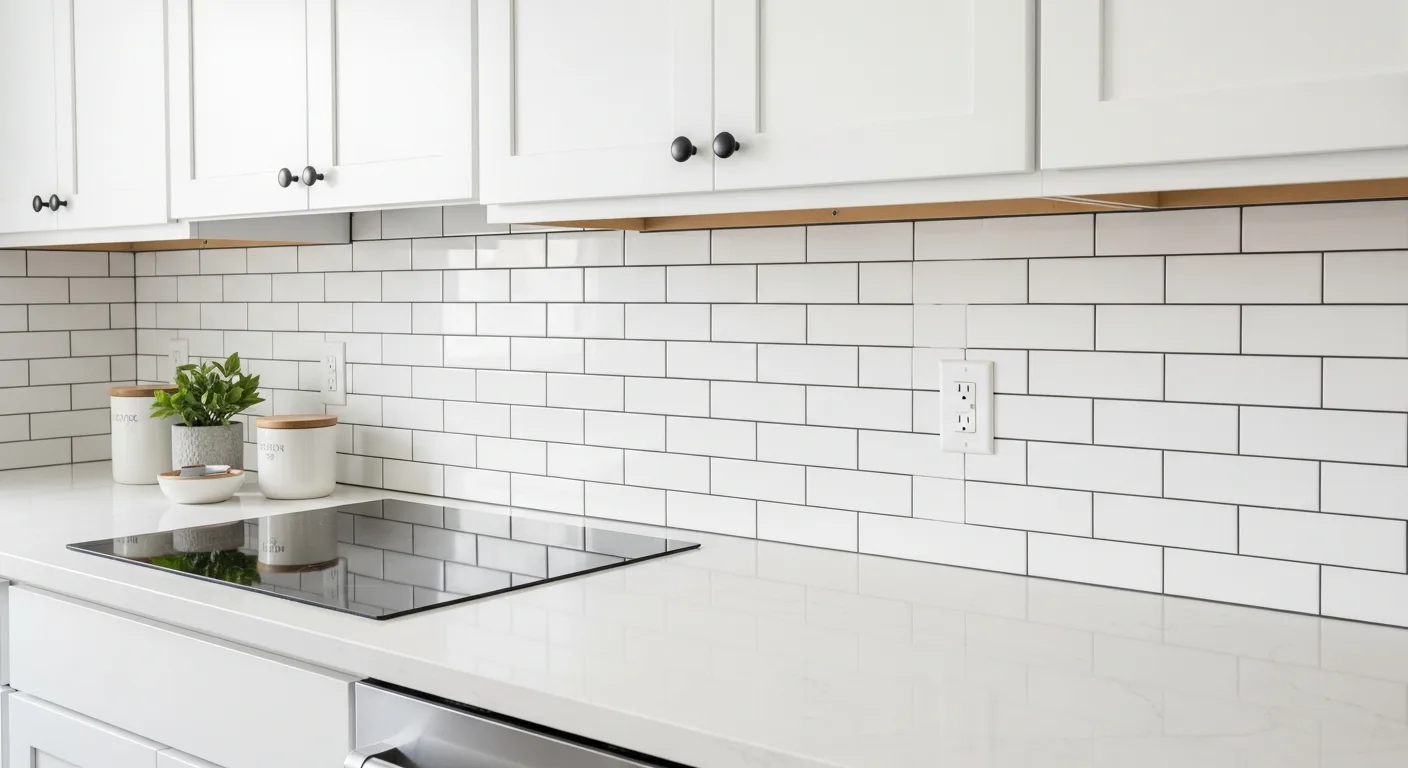
Can You Install a Backsplash Directly on Drywall?
In most kitchens, yes — standard tile goes right over sound drywall. The answer changes when the wall is painted glossy, damaged, or you have picked a heavy natural stone. Here is how to tell which situation you are in.
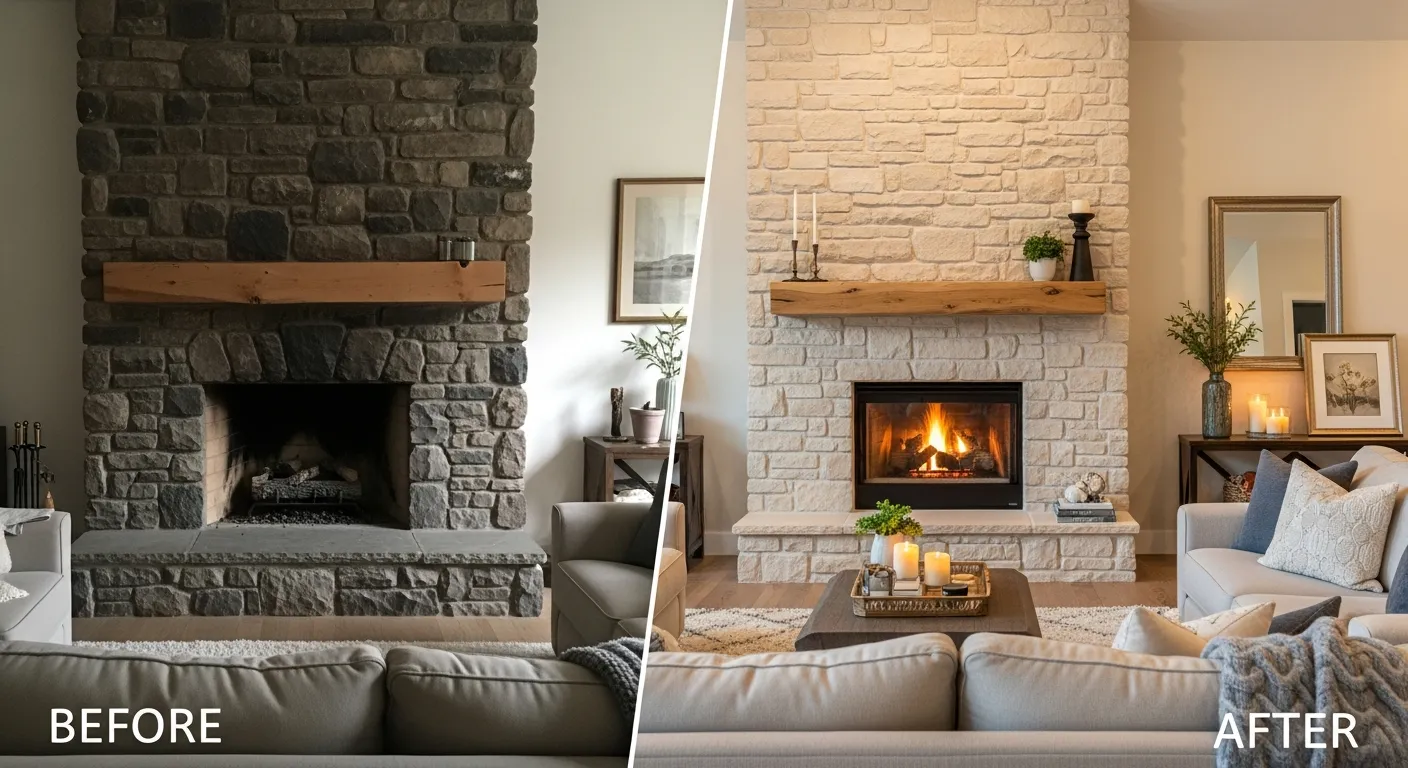
Fireplace Remodel in Michigan: Options and What to Expect
From a simple mantel update to a full stone surround transformation, here is what goes into a fireplace remodel in West Michigan.
Fireplace Resurfacing: Materials, Process, and What to Expect
Thinking about resurfacing your fireplace? Here is a straightforward look at the material options and process for West Michigan homeowners.