
Tile Accent Wall Ideas for Grand Rapids Living Rooms and Bedrooms
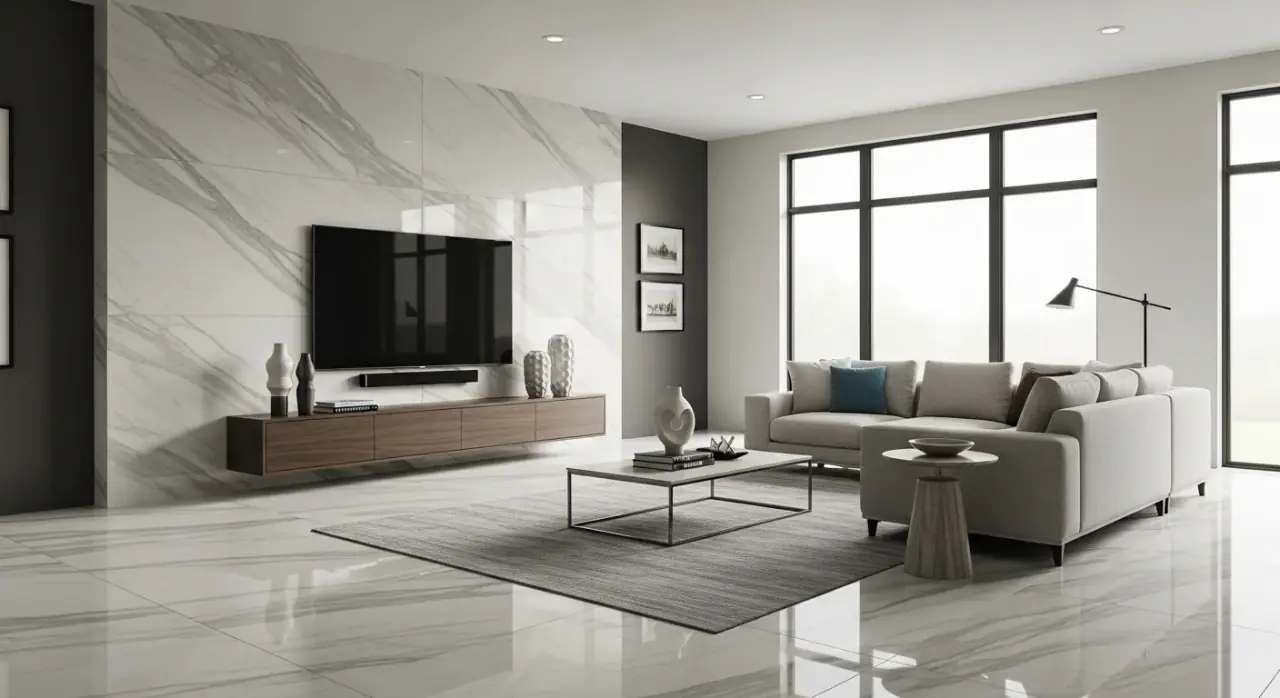
Large-format marble-look porcelain, stacked ledger stone, and textured 3D tile panels are the most popular accent wall materials in Grand Rapids homes right now. The right choice depends on the room, the adjacent finishes, and how much three-dimensional texture you want the wall to carry. Tile accent walls have become a preferred alternative to paint and wallpaper for homeowners who want a focal point that requires no maintenance and looks better over time.
What tile looks best on an accent wall?
Large-format marble-look porcelain is the most requested accent wall tile in the Grand Rapids area. At 24×48 inches or larger, the minimal grout lines create a continuous slab appearance that reads as a genuine material upgrade in a living room, dining room, or bedroom. Stacked ledger stone panels — natural slate or quartzite — create strong three-dimensional texture that is especially effective behind a sofa or in a dining room where the wall anchors the furniture arrangement. 3D textured tile panels catch light throughout the day and add a sculptural quality that no painted surface can approximate.
Where do tile accent walls work best in a home?
The three most impactful applications are the media wall behind a television in the living room, the headboard wall in a master bedroom, and the focal wall in a dining room. A tile accent wall behind the TV creates an architectural backdrop that makes the entire living room feel intentionally designed rather than assembled. In a master bedroom, a tile headboard wall transforms the bed into a destination. In a dining room, a stone or large-format tile wall anchors the table and creates the right environment for the room to feel complete.
Is tile better than wallpaper for an accent wall?
Tile is more durable, more permanent, and perceived by buyers as a material upgrade where wallpaper is seen as a decorating choice. Wallpaper is faster and less expensive to install and is removable, which some homeowners prefer. For households with children or pets, or for dining rooms where the wall is exposed to food and drink proximity, tile's ability to be wiped clean completely and its resistance to peeling, scuffing, and moisture gives it a meaningful practical advantage over wallpaper.
How much depth does a tile accent wall add to a room?
Large-format porcelain tile adds roughly half an inch of total depth including the thinset layer. Even with a cement board substrate added for walls that need it, the total depth addition is typically under one inch. This is not a significant dimensional change in any room and does not affect furniture clearances or room proportions in any noticeable way.
How long does tile accent wall installation take?
Most single accent walls take two to three days: substrate preparation and assessment on day one, tile setting on day two, and grouting and finishing on day three. The wall is ready to use as soon as the grout has cured, typically 24 to 48 hours after the final day. Large walls with complex patterns or full-height tile on tall walls take longer. Contact Adam Baker Masonry at (616) 612-1284 for a free tile accent wall consultation and estimate in the Grand Rapids area.
Frequently Asked Questions
What tile looks best on an accent wall in a living room?
Large-format marble-look porcelain is the most popular accent wall tile for living rooms in the Grand Rapids area. At 24×48 or larger, the minimal grout lines create a nearly seamless slab appearance. Stacked ledger stone panels provide strong three-dimensional texture for a more organic look. Concrete-look and slate-look porcelain suit contemporary and industrial interiors.
Where is the best place for a tile accent wall in a home?
The three most impactful locations are the media wall behind the television in the living room, the headboard wall in the master bedroom, and the focal wall in the dining room. Each of these walls is already a natural visual focus in the room — tile amplifies that focus with a material that carries genuine presence and requires no ongoing maintenance.
Is a tile accent wall better than wallpaper?
For durability and long-term value, tile is the stronger choice. It does not peel, fade, or require reapplication. It can be wiped completely clean and resists moisture. Wallpaper is less expensive to install and removable, which suits renters or homeowners who want flexibility. For owner-occupied spaces, tile's permanence and buyer-perceived value make it a better long-term investment.
How much depth does a tile accent wall add?
Large-format porcelain adds roughly half an inch of total depth including the thinset layer. With a cement board substrate in walls that require it, the total addition is typically under one inch — negligible in any room and not visible in the overall proportions of the space.
Do tile accent walls require maintenance?
Tile accent walls require essentially no ongoing maintenance. Glazed porcelain cleans with a damp cloth and does not absorb moisture or staining agents. Natural stone accent walls benefit from periodic resealing to protect the surface. Other than basic cleaning, a properly installed tile accent wall looks the same decades after installation as it did on day one.
Need Professional Help?
If you've identified masonry issues or need a professional inspection, we're here to help. Adam Baker Masonry serves Grand Rapids and the surrounding 50-mile area.
Related Articles
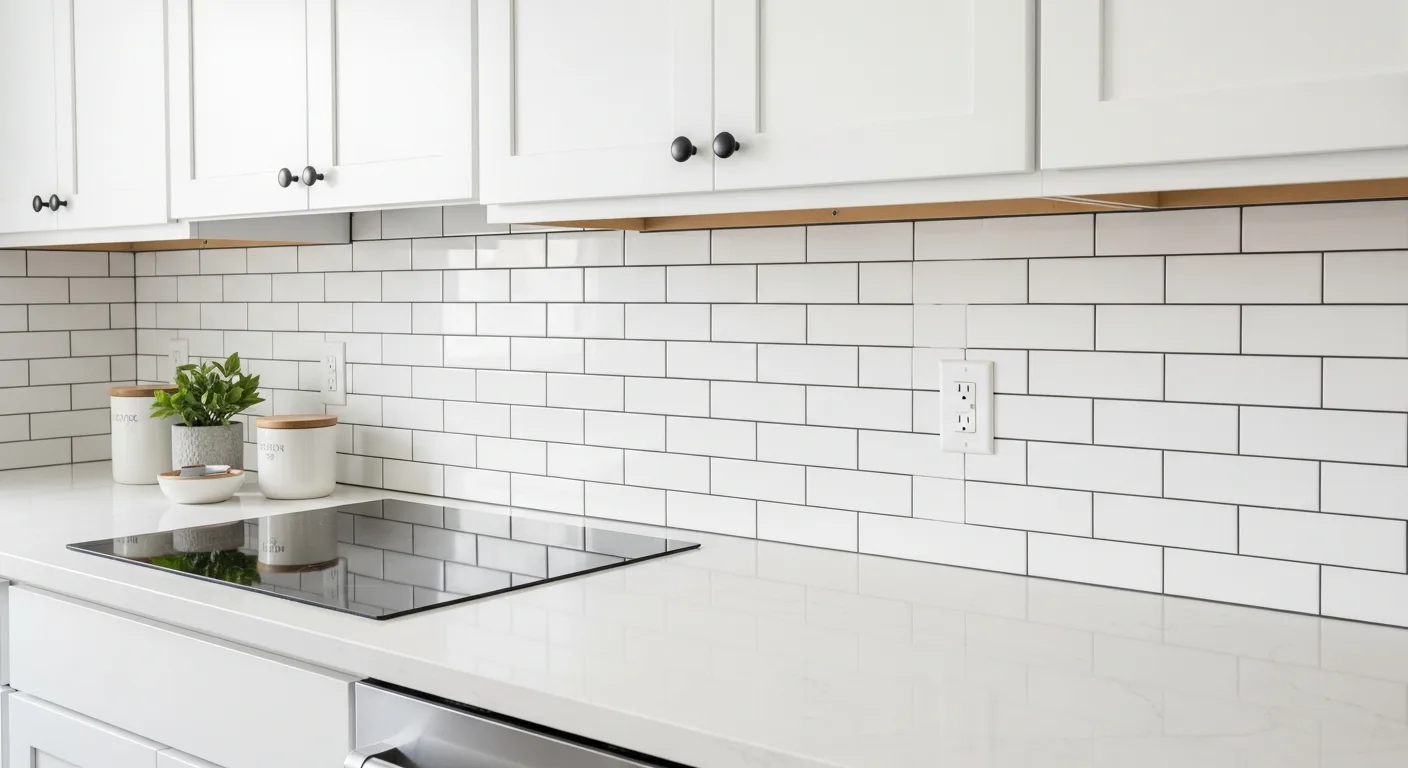
Can You Install a Backsplash Directly on Drywall?
In most kitchens, yes — standard tile goes right over sound drywall. The answer changes when the wall is painted glossy, damaged, or you have picked a heavy natural stone. Here is how to tell which situation you are in.
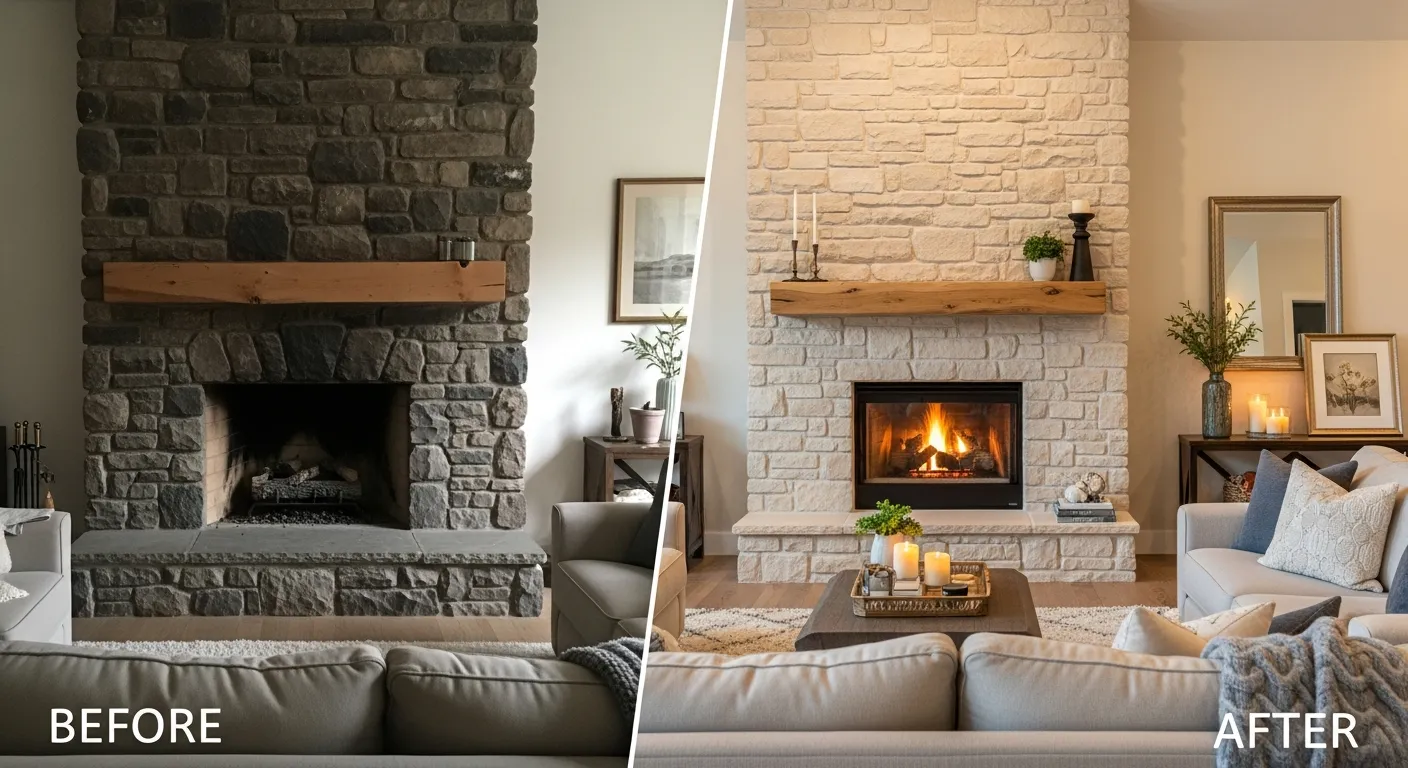
Fireplace Remodel in Michigan: Options and What to Expect
From a simple mantel update to a full stone surround transformation, here is what goes into a fireplace remodel in West Michigan.
Fireplace Resurfacing: Materials, Process, and What to Expect
Thinking about resurfacing your fireplace? Here is a straightforward look at the material options and process for West Michigan homeowners.
Tile Contractor Services Across West Michigan
Adam Baker Masonry serves homeowners throughout the Grand Rapids area and West Michigan. Select your city for local tile installation details.