
Tile Accent Wall Ideas for Living Rooms and Dining Rooms
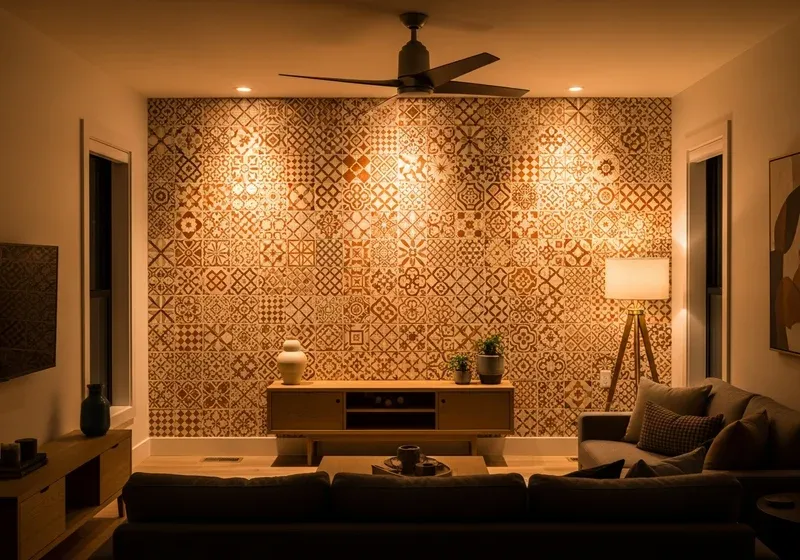
Large-format marble-look porcelain, stacked natural stone ledger panels, and concrete-look porcelain are the strongest choices for living room accent walls in West Michigan. The right material depends on the room's finishes, the texture you want, and whether you prefer an organic or manufactured aesthetic. A tile accent wall is a permanent feature that buyers see as a material upgrade — not a decorating choice to be undone.
What tile works best for a living room accent wall?
Large-format marble-look porcelain at 24×48 or larger is the most requested material for living room accent walls in the Grand Rapids area. Its minimal grout lines create a continuous slab appearance that reads with significant visual weight. Stacked ledger stone panels — natural quartzite, slate, or fieldstone — provide a three-dimensional texture that is particularly effective behind a sofa or along the wall adjacent to a fireplace in an open-concept living space. Concrete-look porcelain in a large format suits contemporary and industrial-leaning interiors with darker palettes and matte finishes.
Do tile accent walls add value to a home?
Tile accent walls in living rooms are perceived by buyers as material upgrades rather than decorating choices. A painted accent wall is seen as something the buyer may want to change. A large-format marble-look porcelain or natural stone feature wall is seen as a permanent, quality installation that adds to the home's character. Whether that translates to a specific dollar amount depends on the market and the buyer — but in the Grand Rapids area, we consistently hear from homeowners that the tile feature wall becomes the room's defining detail and the element guests remark on most.
How does a tile accent wall compare to wallpaper in a living room?
Wallpaper is faster and less expensive to install and is removable. Tile is more durable, more permanent, and perceived as a material upgrade. For living rooms with children, pets, or heavy daily use, tile's ability to be wiped completely clean and its resistance to peeling, scuffing, and moisture damage makes it meaningfully more practical. For dining areas in open-plan spaces where the accent wall is exposed to food and drink proximity, the practical advantage of tile over wallpaper is especially clear.
What is the best material for a living room feature wall?
The strongest material choice depends on what the room needs. If the goal is maximum visual impact with a high-end quality appearance, large-format marble-look porcelain is the right direction. If the goal is organic texture and genuine material presence, natural stone — stacked ledger panels or large-format limestone — provides a quality that porcelain cannot fully replicate. If the goal is a contemporary, industrial aesthetic, concrete-look or dark slate-look large-format porcelain is the most cohesive direction. In West Michigan open-plan homes from Ada to Forest Hills, the feature wall behind the sofa is the living room's defining architectural element — the material choice should be deliberate.
How long does a living room tile accent wall take to install?
Most single accent walls in standard living rooms take two to three days: wall assessment and substrate preparation on day one, tile setting on day two, and grouting and finishing on day three. Large-scale projects — full room-height tile on a tall wall, a very large surface area, or a complex pattern — take longer. The wall is ready to use as soon as grout has cured. Contact Adam Baker Masonry at (616) 612-1284 for a free tile accent wall consultation in the Grand Rapids area.
Frequently Asked Questions
What tile works best for a living room accent wall?
Large-format marble-look porcelain at 24×48 or larger is the most popular choice for living room accent walls in the Grand Rapids area. Its minimal grout lines create a continuous slab appearance with strong visual presence. Stacked ledger stone provides three-dimensional texture. Concrete-look porcelain suits contemporary and industrial-leaning interiors with darker palettes.
Do tile accent walls add value to a home?
Yes. Tile accent walls are perceived by buyers as permanent material upgrades rather than decorating choices. In the Grand Rapids area, homeowners and buyers consistently identify tile feature walls as the room's defining detail. A large-format marble-look or natural stone accent wall signals craftsmanship and quality in a way that paint and wallpaper cannot.
How does a tile accent wall compare to wallpaper?
Tile is more durable, more permanent, and perceived as a material upgrade. Wallpaper is faster and less expensive to install and is removable, which some homeowners prefer. For living rooms with heavy daily use or for dining areas where the wall is exposed to food and drink, tile's ability to be wiped completely clean and its resistance to moisture and peeling gives it a meaningful practical advantage.
Does natural stone on a living room wall require maintenance?
Natural stone accent walls require sealing after installation to protect the surface from oil and moisture in the living environment. Interior stone walls need very little ongoing maintenance after the initial seal — far less than exterior stone applications. Periodic resealing every few years keeps the surface protected and looking clean.
How long does a tile accent wall take to install in a living room?
Most single accent walls take two to three days: wall assessment and substrate preparation, tile setting, and grouting and finishing. Large walls, full room-height installations, or complex pattern layouts take longer. We provide a specific timeline in the estimate after seeing the space.
Need Professional Help?
If you've identified masonry issues or need a professional inspection, we're here to help. Adam Baker Masonry serves Grand Rapids and the surrounding 50-mile area.
Related Articles
Can You Install a Backsplash Directly on Drywall?
In most kitchens, yes — standard tile goes right over sound drywall. The answer changes when the wall is painted glossy, damaged, or you have picked a heavy natural stone. Here is how to tell which situation you are in.
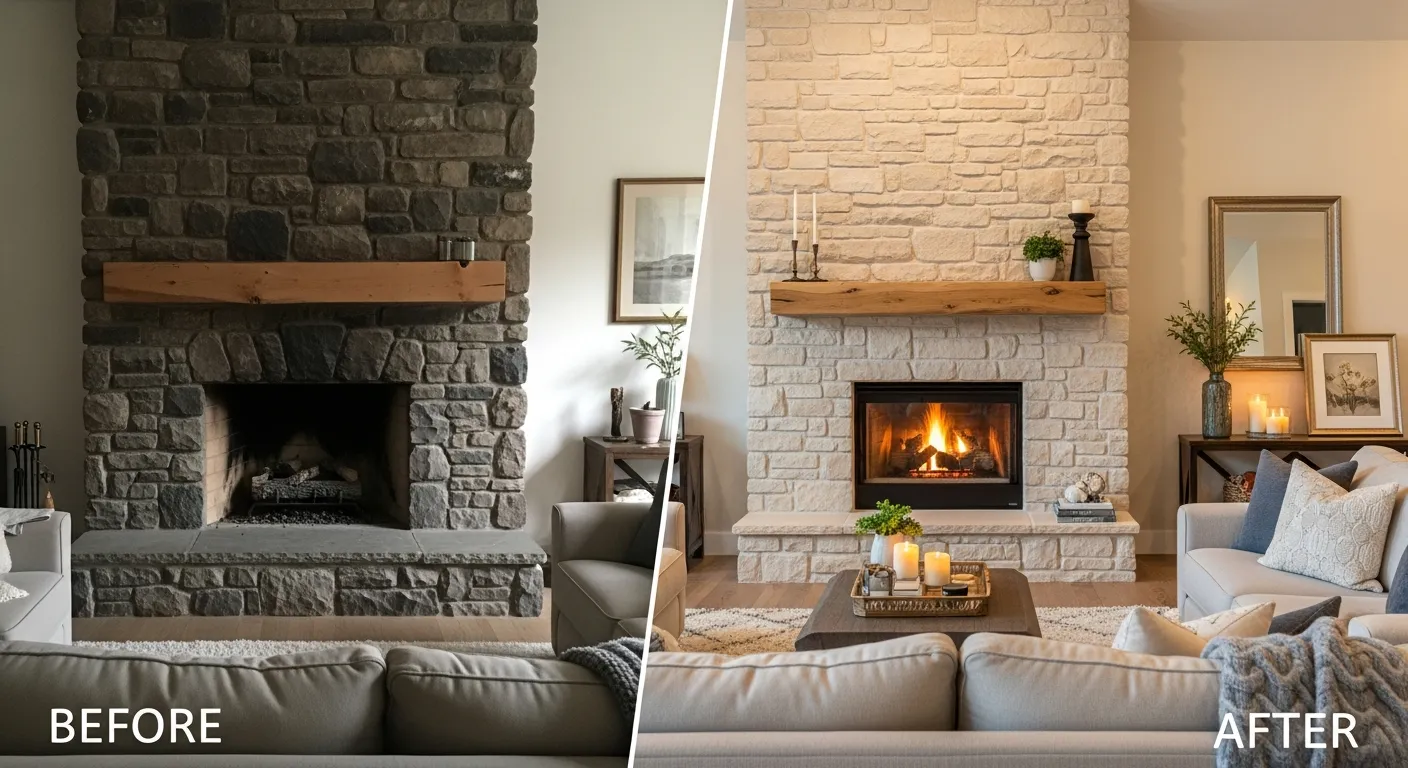
Fireplace Remodel in Michigan: Options and What to Expect
From a simple mantel update to a full stone surround transformation, here is what goes into a fireplace remodel in West Michigan.
Fireplace Resurfacing: Materials, Process, and What to Expect
Thinking about resurfacing your fireplace? Here is a straightforward look at the material options and process for West Michigan homeowners.
Tile Contractor Services Across West Michigan
Adam Baker Masonry serves homeowners throughout the Grand Rapids area and West Michigan. Select your city for local tile installation details.