
Tile Fireplace Surround Ideas by Style: Which Fits Your West Michigan Home?
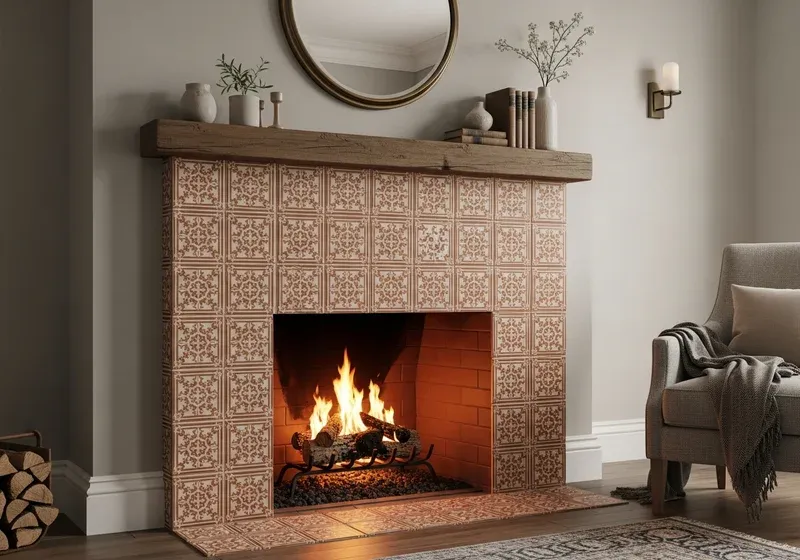
The right tile for a fireplace surround depends on your home's style — large-format matte porcelain for modern interiors, classic subway or natural stone for traditional and farmhouse homes, marble-look porcelain for transitional spaces. Any tile adjacent to the firebox opening must be rated for heat exposure. Beyond that, it is a design decision matched to the room.
What Tile Looks Best on a Fireplace Surround?
The answer comes from your home's style, not from what happens to be popular at the tile store. A fireplace surround needs to look like it belongs in the room — either complementing the existing palette and architecture or updating it deliberately. Modern homes in West Michigan's newer neighborhoods lean toward large-format matte porcelain in dark charcoal or warm greige, often with a floating shelf replacing a traditional mantel. Traditional homes favor white or cream subway tile, classic brick, or natural stone with traditional veining. Farmhouse and craftsman styles — very common in renovated Grand Rapids-area homes — pair well with white tile surrounds that read clean and slightly weathered.
What Is the Best Tile for a Modern Fireplace Surround?
Large-format tile with minimal grout lines is the defining choice for a modern fireplace. A single slab-look porcelain — marble-look, concrete-look, or solid matte — creates the seamless, unfussy surface that characterizes contemporary design. Fewer grout lines mean the surround reads as a continuous plane rather than individual pieces. Dark charcoal matte or warm greige in a tile large enough to span the full surround with one or two pieces creates the clean, architectural focal point that modern West Michigan interiors call for.
What Tile Works for a Traditional or Farmhouse Fireplace?
Traditional fireplace surrounds use classic materials and familiar layouts. White or cream subway tile in a standard running-bond pattern reads clean and timeless. Herringbone or basketweave patterns in the inner surround area add visual interest within a traditional vocabulary. Natural stone tile — limestone, marble, or travertine — brings warmth and variation that porcelain approximates but does not fully replicate. Farmhouse-style homes, which are common across West Michigan, respond well to larger white subway tile with a cream or slightly warm grout rather than pure white — it creates a handmade quality that matches the farmhouse palette without requiring unusual materials.
Can You Install Tile Directly Over an Existing Brick Fireplace?
Often yes — tile-over-brick avoids the mess of demolishing the existing surround and can produce an excellent result. The brick needs to be stable, clean, and flat enough for the tile size being installed. For larger tiles, a base layer may be needed to create an adequately flat setting surface. We assess the existing brick condition during the estimate and recommend the right approach for the specific surround. Most West Michigan homes with dated 1980s or 1990s brick surrounds are good candidates for tile-over installation.
What Makes Fireplace Tile Installation Different From Floor Tile?
Fireplace tile is a vertical application against gravity, which means the setting material must support tile weight while curing. Large tiles on a wall require non-sag mortar and careful sequencing — the bottom rows need to cure before taller sections can go up without risk of slipping. Tile adjacent to or above an active firebox also needs to be appropriate for that heat environment. During the estimate for your tile fireplace refacing project, we assess the firebox configuration and discuss materials accordingly. Call (616) 612-1284 to schedule your consultation.
Frequently Asked Questions
Can tile be installed over an existing brick fireplace?
Often yes. Tile over existing brick avoids demolition and can look excellent. The brick needs to be stable, clean, and flat enough for the tile size being used. Larger tiles may need a base coat to create a flat surface. We assess the existing surround during the estimate and recommend the right installation approach.
What tile is safe to use near a fireplace?
Tile directly adjacent to the firebox opening needs to be rated for heat exposure. Porcelain tile handles thermal variation well and is a safe choice for fireplace surrounds. Natural stone is also commonly used. We assess each zone of the surround during the estimate and confirm appropriate materials for the areas closest to the firebox.
How long does fireplace tile installation take?
Most fireplace refacing projects take three to five days: preparation and tile setting, a mortar cure day, then grouting and finishing. Complex surrounds with custom cuts, natural stone, or raised hearth integration take longer. We provide a specific timeline during the estimate for your project.
What is the best tile for a modern fireplace?
Large-format matte porcelain with minimal grout lines is the defining choice for modern fireplace surrounds. Concrete-look, marble-look, or solid matte porcelain in a size large enough to span the surround with few visible joints creates the clean, seamless surface that contemporary West Michigan interiors call for.
Need Professional Help?
If you've identified masonry issues or need a professional inspection, we're here to help. Adam Baker Masonry serves Grand Rapids and the surrounding 50-mile area.
Related Articles
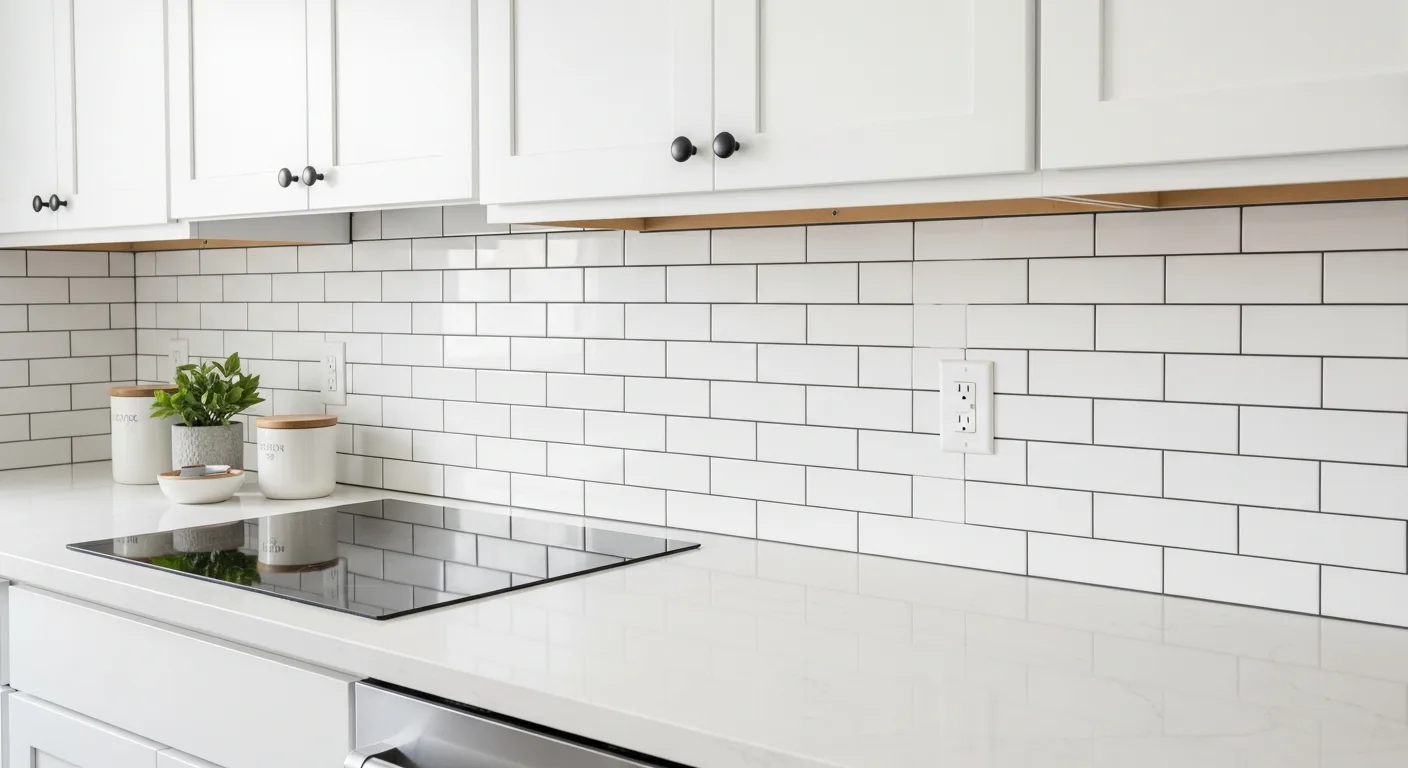
Can You Install a Backsplash Directly on Drywall?
In most kitchens, yes — standard tile goes right over sound drywall. The answer changes when the wall is painted glossy, damaged, or you have picked a heavy natural stone. Here is how to tell which situation you are in.
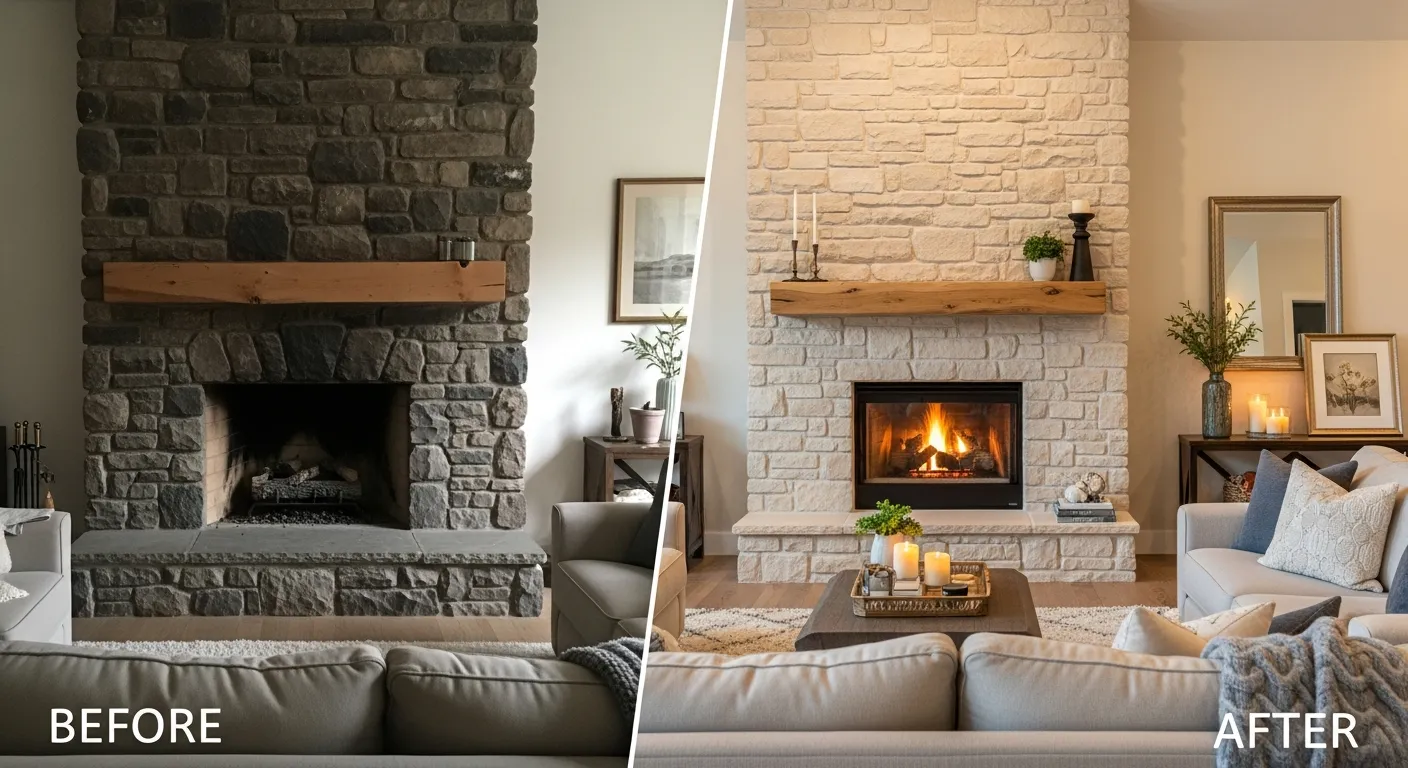
Fireplace Remodel in Michigan: Options and What to Expect
From a simple mantel update to a full stone surround transformation, here is what goes into a fireplace remodel in West Michigan.
Fireplace Resurfacing: Materials, Process, and What to Expect
Thinking about resurfacing your fireplace? Here is a straightforward look at the material options and process for West Michigan homeowners.
Tile Contractor Services Across West Michigan
Adam Baker Masonry serves homeowners throughout the Grand Rapids area and West Michigan. Select your city for local tile installation details.