
Tile Grout Repair vs. Full Tile Replacement: How to Decide
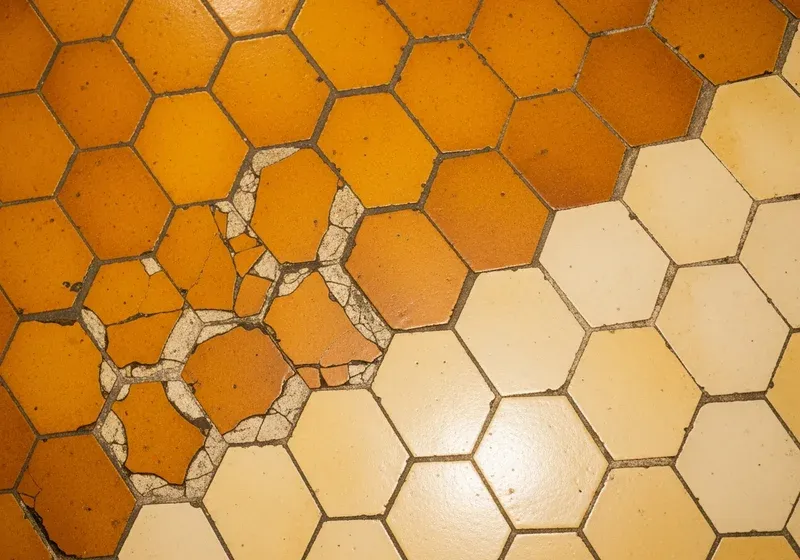
Cracked or crumbling grout doesn't always mean the tile needs to come out. When tile is solidly bonded and grout failure is limited to a few joints, regrouting is the right call and will hold for years. When the same cracks keep returning, or tiles sound hollow underfoot, something is moving beneath the surface — and regrouting alone won't fix it.
Can You Repair Grout Without Replacing the Tile?
Yes — if the tile itself is still securely bonded. The test is straightforward: tap across the tile surface with a coin or your knuckle. Solidly bonded tile sounds dense. Tile that has lost its adhesive bond sounds hollow. If the tap test is solid throughout and cracking is limited to isolated grout joints, regrouting those joints is appropriate and will hold for years when done correctly. The process removes damaged grout to a sufficient depth, cleans the joint, and applies fresh material matched for color and type. Surface staining that didn't respond to cleaning is also a candidate for regrouting — the structural integrity of the installation is the key question.
When Should You Replace Tile Instead of Just Regrouting?
Replace tile when grout failure keeps recurring in the same location, when tiles sound hollow or feel loose underfoot, or when cracking is widespread across many joints. Recurring cracks in the same spot almost always mean something beneath the tile is moving — a subfloor with too much flex, a structural seam shifting, or a bond that has failed. Regrouting that joint buys a few months at best before the same crack reappears, because the source of movement hasn't been addressed.
Tiles that rock when stepped on, sound hollow when tapped, or are cracked through the body of the tile need to come up. The correct fix is to identify what caused the bond failure, address it, and then reset tile on a stable base. See our tile flooring repair service for more on what this process involves.
Why Does Grout Keep Cracking in the Same Spot?
Recurring cracks in one location trace back to movement: a subfloor that flexes more than the tile installation can tolerate, a seam between different structural sections of the floor, or a failing bond between tile and substrate. Regrouting this joint produces the same result — new grout in the same place, cracking again once it cures — because the movement has not been resolved. Finding the source requires looking beneath the tile, not just at the surface.
Can You Regrout Over Existing Grout Without Removing It?
No — not reliably. New grout does not bond adequately to the surface of old grout, and the repair fails within weeks or months. Proper regrouting requires removing the existing material to a sufficient depth with a grout saw or oscillating multi-tool before fresh material goes in. There is no shortcut here that produces a durable result.
How Do You Match New Grout Color to Old Grout?
Exact color matching is difficult because grout shifts over time from cleaning products, mineral deposits, and normal aging. For small spot repairs, the closest color from the original manufacturer is the practical starting point — the gap in appearance usually fades over several months of use. For larger regrouting areas, regrouting the full section rather than spot-patching produces a more consistent result. We discuss color expectations with homeowners before we start so there are no surprises on either side.
Frequently Asked Questions
How do I know if I need to regrout or replace the tile?
Do the tap test — knock on each tile with a coin or knuckle. Solid, well-bonded tile sounds dense. Hollow-sounding tile has lost its bond and needs to come up. If tiles sound solid throughout and cracking is limited to a few grout joints, regrouting is the right approach. Hollow or loose tiles mean something more involved is needed.
Why does grout keep cracking in the same spot?
Same-spot recurrence almost always means movement beneath the tile — a flexible subfloor, a structural seam, or a failing bond. Whatever is cracking the old grout will crack new grout in the same location. The fix requires diagnosing and addressing the source of movement, not just refilling the joint.
Can I regrout over existing grout without removing it?
No, not reliably. New grout doesn't bond properly to old grout and fails quickly. Proper regrouting requires removing the old material to sufficient depth with a grout saw or oscillating tool before fresh material goes in. Skipping this step produces a repair that looks fine briefly and fails early.
Does cracked grout mean my tile installation has a structural problem?
Not necessarily. Isolated cracks at a corner or along one joint can result from normal house settling or thermal movement — not an installation failure. Widespread cracking across many joints, cracks that return after repair, or cracking accompanied by hollow or loose tiles are signs of a more serious substrate or bonding issue worth a professional assessment.
Need Professional Help?
If you've identified masonry issues or need a professional inspection, we're here to help. Adam Baker Masonry serves Grand Rapids and the surrounding 50-mile area.
Related Articles
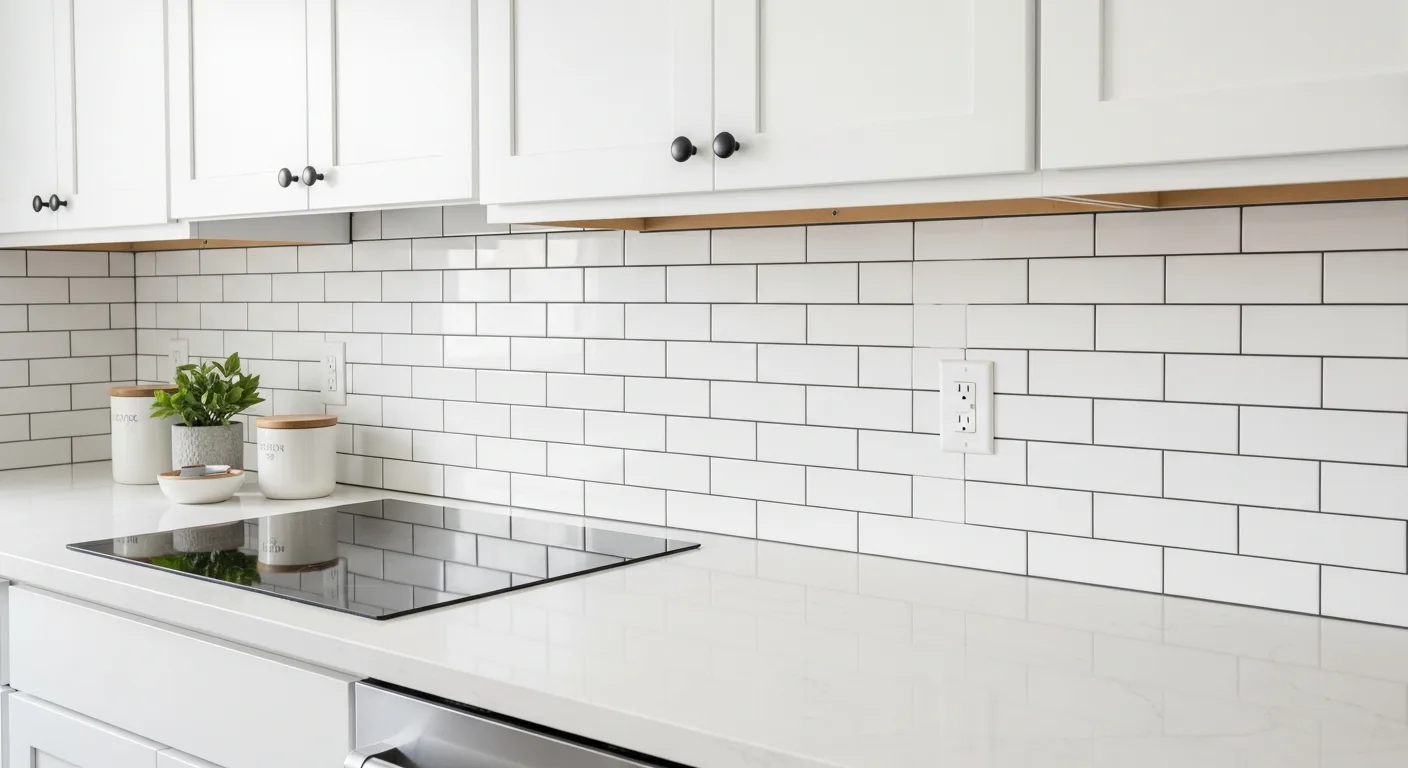
Can You Install a Backsplash Directly on Drywall?
In most kitchens, yes — standard tile goes right over sound drywall. The answer changes when the wall is painted glossy, damaged, or you have picked a heavy natural stone. Here is how to tell which situation you are in.
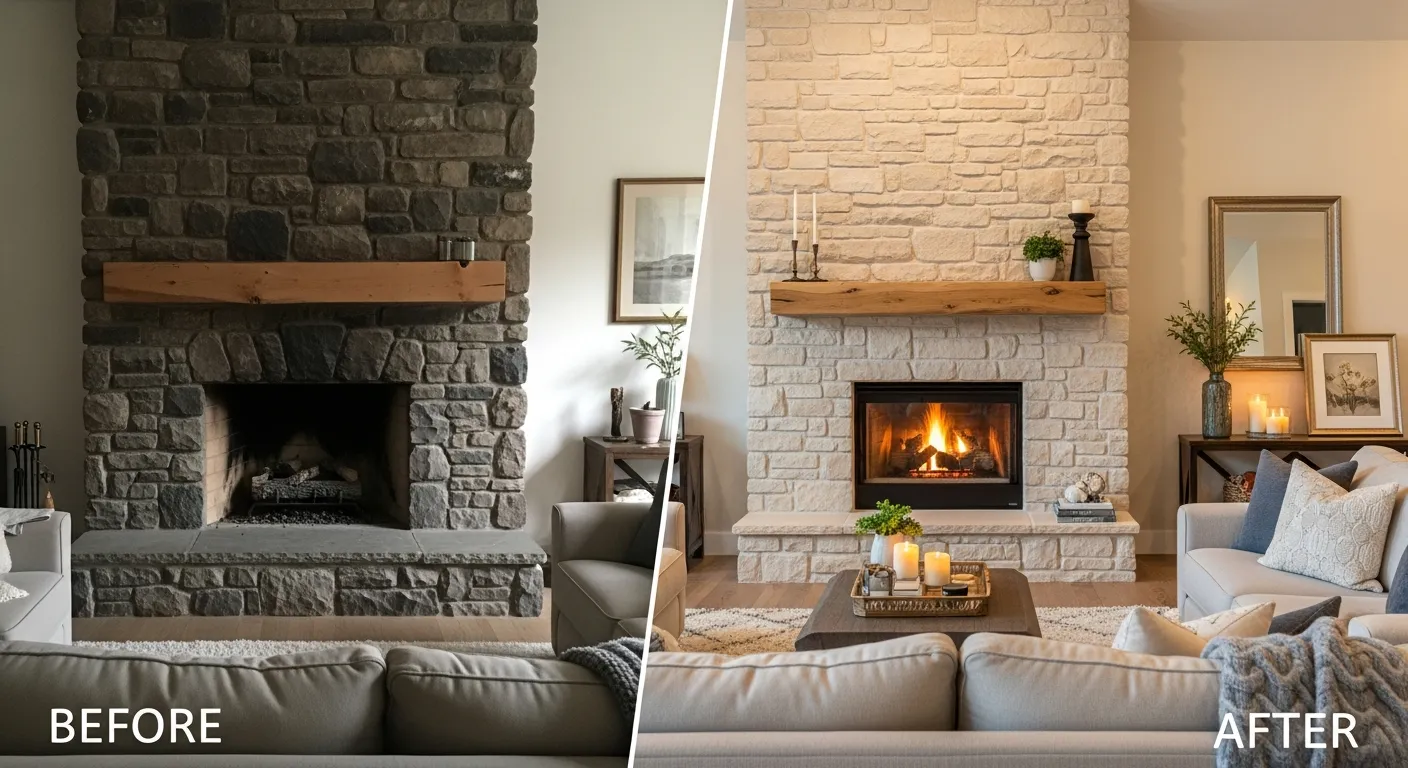
Fireplace Remodel in Michigan: Options and What to Expect
From a simple mantel update to a full stone surround transformation, here is what goes into a fireplace remodel in West Michigan.
Fireplace Resurfacing: Materials, Process, and What to Expect
Thinking about resurfacing your fireplace? Here is a straightforward look at the material options and process for West Michigan homeowners.
Tile Contractor Services Across West Michigan
Adam Baker Masonry serves homeowners throughout the Grand Rapids area and West Michigan. Select your city for local tile installation details.