
Tile Over Brick Fireplace: What Grand Rapids Homeowners Need to Know
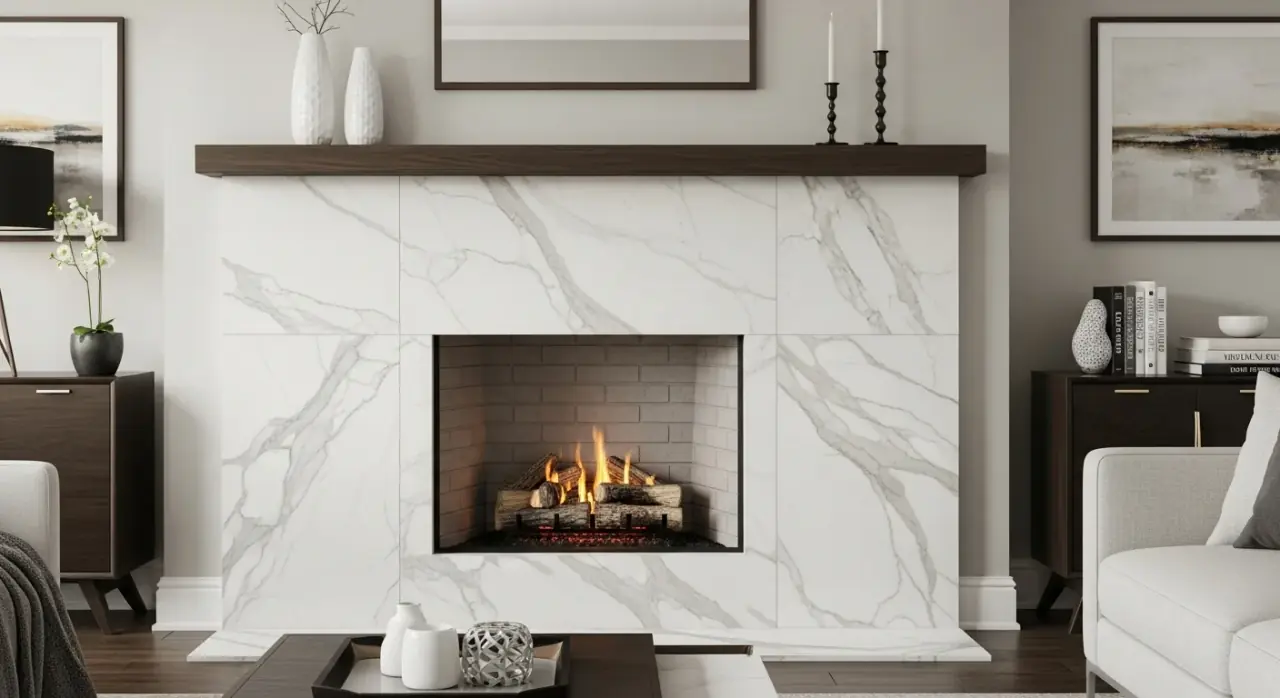
Yes, tile can be installed directly over an existing brick fireplace surround — but the preparation matters as much as the tile itself. The brick surface must be structurally sound, free of loose mortar, and properly prepared to ensure the tile bonds securely. Done correctly, tiling over brick is one of the most effective fireplace updates available to Grand Rapids homeowners who want to modernize without a full demolition.
Can you install tile over an existing brick fireplace?
Tile can be installed over existing brick when the brick is structurally sound and the mortar joints are intact. The first step is inspection — any loose brick, failing mortar, or soft spots must be addressed before tile goes on. Brick's uneven surface also requires a skim coat of mortar or another leveling method to create a flat, consistent bonding surface for the tile. When the substrate is properly prepared, tile bonds securely to brick and the installation is stable for decades.
What is the best tile for a fireplace surround?
Large-format porcelain is the most popular choice for fireplace surrounds in West Michigan homes right now. Marble-look porcelain creates a high-end, elegant surround that reads as a significant material upgrade over existing brick. Slate-look and concrete-look porcelain suit contemporary and transitional interiors. For a more organic look, natural limestone or travertine tiles provide a warmer, more textural quality. The tile used on the firebox surround itself — the area directly adjacent to the firebox opening — must be rated for heat exposure. We specify the appropriate tile for each zone of the installation.
How do you prepare a brick fireplace for tile installation?
Preparation involves three steps: cleaning, repairing, and leveling. The brick is cleaned of soot, dust, and any loose material. Any failing mortar joints are repointed before tile goes over them. Then the surface is evaluated for flatness — brick is inherently uneven, and large-format tile requires a much flatter surface than raw brick provides to avoid lippage. We apply a mortar skim coat or use self-leveling compound where needed to create the flat substrate that large-format tile demands. This preparation is what separates an installation that looks like a showroom from one that reveals its brick substrate through uneven tile faces.
Does tiling over a brick fireplace require special materials?
Yes. The setting mortar must be rated for the thermal cycling a fireplace surround experiences — heating and cooling repeatedly over years. Standard thinset is not appropriate for areas directly adjacent to the firebox. We use heat-rated setting materials for the tiles closest to the firebox opening and transition to standard modified thinset for the broader surround area outside the direct heat zone. The grout must also be appropriate for the application — unsanded or fine-grain sanded grout with proper joint sizing for the tile format selected.
How long does fireplace tile installation take?
Most fireplace surround tile installations take two to three days: preparation and substrate work on the first day, tile setting on the second, and grouting and finishing on the third. The fireplace can typically be used again once the grout has fully cured, which takes at least 24 hours. Complex installations with full-height surround tile, custom borders, or herringbone patterns take longer. Contact Adam Baker Masonry at (616) 612-1284 for a free fireplace tile consultation and estimate.
Frequently Asked Questions
Can you tile over a brick fireplace without removing the brick?
Yes. Tile can be installed directly over structurally sound brick when the surface is properly cleaned, any failing mortar is repointed, and the surface is leveled. This approach avoids the demolition and disposal cost of removing the brick entirely. It is one of the most practical ways to modernize a fireplace in a Grand Rapids home.
What tile is best for a fireplace surround?
Large-format marble-look porcelain is the most popular choice for fireplace surrounds in West Michigan. It creates a clean, high-end appearance with minimal grout lines. Slate-look and concrete-look porcelain suit contemporary interiors. Natural limestone and travertine provide a warmer, organic quality. Tile directly adjacent to the firebox opening must be rated for heat — we specify the appropriate materials for each zone.
How do you prepare brick for tile installation on a fireplace?
Preparation requires cleaning the brick of soot and loose material, repointing any failing mortar joints, and leveling the surface to meet the flatness tolerance required by the tile format. Large-format tile demands a flatter substrate than smaller tile. A mortar skim coat is typically applied over the brick to create a consistent, flat bonding surface before tile is set.
Does the tile near the firebox opening need to be special?
Yes. Tile and setting materials directly adjacent to the firebox opening must be rated for heat exposure. Standard ceramic or porcelain tile is generally acceptable for the surround outside the firebox, but the setting mortar near the firebox must be heat-rated. We specify the correct materials for each zone and ensure the installation meets the requirements for safe, long-term use.
How much does fireplace tile installation cost in Grand Rapids?
Fireplace tile installation cost depends on the surround size, the tile material selected, the amount of substrate preparation needed, and the layout complexity. We provide free written estimates for fireplace tile projects throughout West Michigan. Contact Adam Baker Masonry at (616) 612-1284 to schedule a free in-home estimate.
Need Professional Help?
If you've identified masonry issues or need a professional inspection, we're here to help. Adam Baker Masonry serves Grand Rapids and the surrounding 50-mile area.
Related Articles
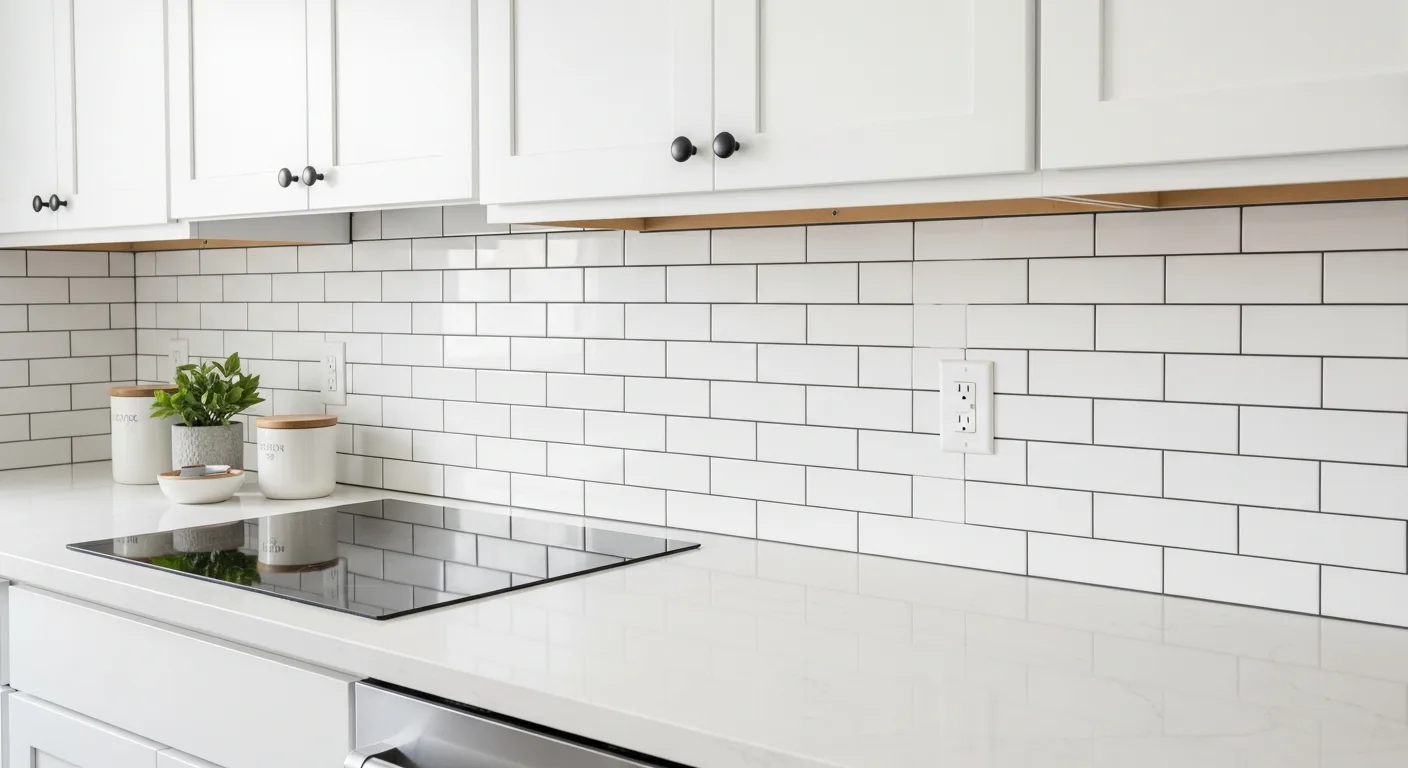
Can You Install a Backsplash Directly on Drywall?
In most kitchens, yes — standard tile goes right over sound drywall. The answer changes when the wall is painted glossy, damaged, or you have picked a heavy natural stone. Here is how to tell which situation you are in.
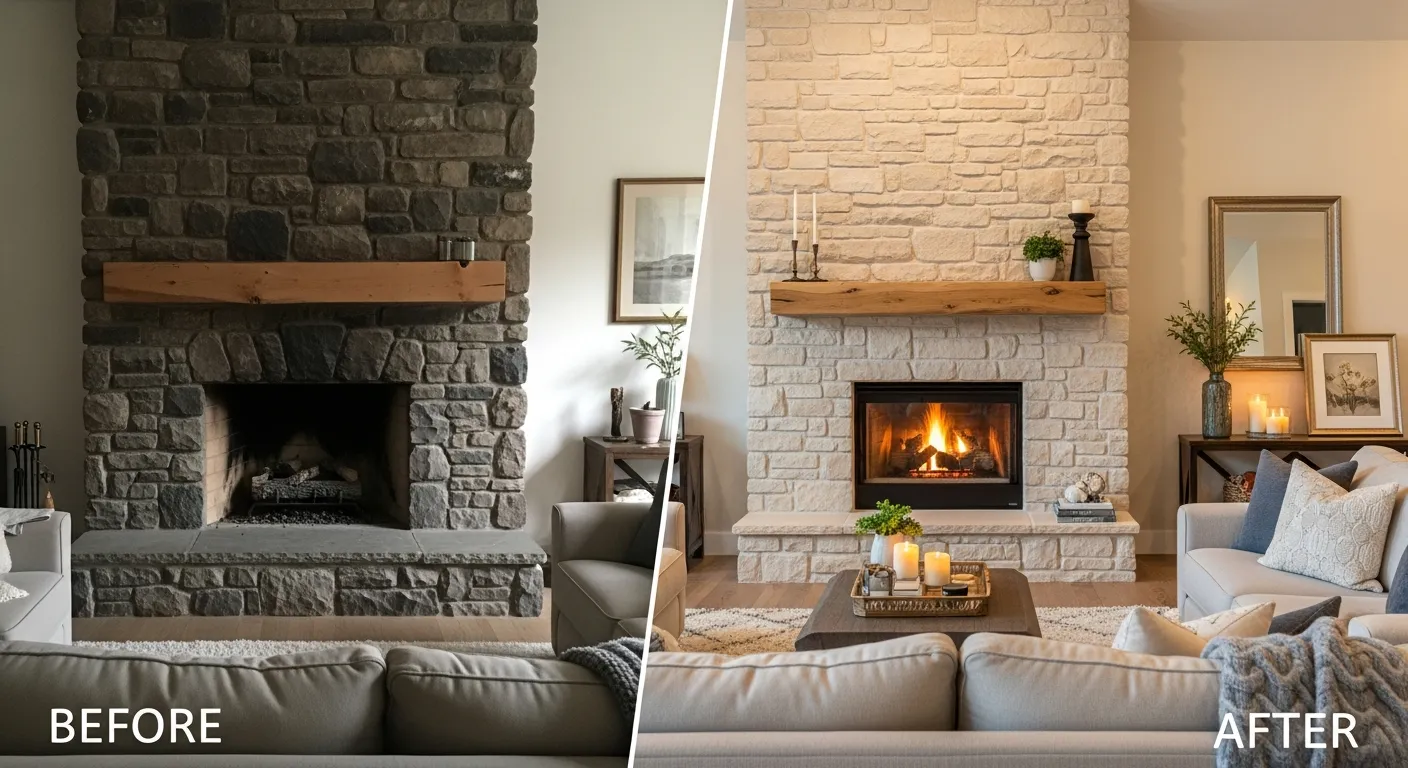
Fireplace Remodel in Michigan: Options and What to Expect
From a simple mantel update to a full stone surround transformation, here is what goes into a fireplace remodel in West Michigan.
Fireplace Resurfacing: Materials, Process, and What to Expect
Thinking about resurfacing your fireplace? Here is a straightforward look at the material options and process for West Michigan homeowners.
Tile Contractor Services Across West Michigan
Adam Baker Masonry serves homeowners throughout the Grand Rapids area and West Michigan. Select your city for local tile installation details.