
Tiling Interior Stairs: What West Michigan Homeowners Should Know About Tile Stair Treads and Risers
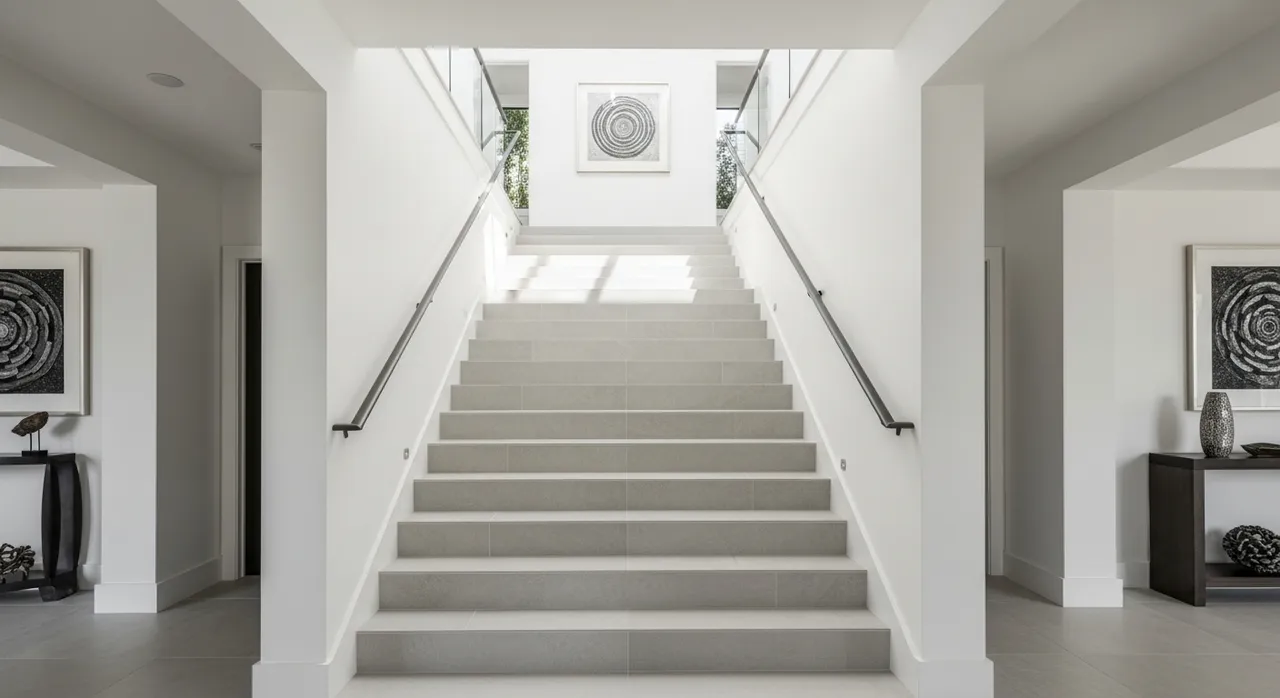
Tile on interior stairs creates one of the most cohesive design details in a West Michigan home, particularly when the tile runs continuously from the floor below up the staircase without a material break. The installation has requirements that floor tile does not: slip resistance on treads is non-negotiable, stair structure must be assessed before tile is set, and the nosing edge requires specific planning. Done correctly, tiled stairs are durable, low-maintenance, and one of the most remarked-upon elements in a renovated interior.
What Tile Is Best for Interior Stair Treads?
Matte-finish porcelain and honed or brushed natural stone are the appropriate choices for stair tread surfaces. Polished or glossy tile is not suitable for treads — it becomes a slip hazard, particularly with socked feet on dry tile and any foot on wet tile. The tile selected for treads must provide sufficient grip on the front portion of the tread where foot traffic concentrates. Textured porcelain in a stone or concrete look is a strong practical choice. We do not recommend materials for stair treads that are not appropriate for the slip resistance requirements — this is a safety matter, not an aesthetic preference.
Do Tiled Stairs Need a Nosing or Edge Treatment?
Yes — the nosing is the front edge of the tread that overhangs the riser below, and it requires specific planning. Standard flat tile does not have a built-in overhanging edge. The three main options are: tile ordered or fabricated with a bullnose or rounded front edge, a metal stair nosing profile that caps the tile edge, or setting the tread tile flush and using a different edge treatment. The right approach depends on the tile chosen and the aesthetic goal. We work through nosing treatment during the estimate because it affects both the look and safety of the finished staircase.
Can You Tile Over Existing Wood Stairs?
In some cases, yes — but only after assessing whether the existing stair structure is adequate. Tile is rigid and will crack if the tread beneath it deflects under load. Wood stairs that flex or bounce need to be structurally reinforced before tile is set, regardless of whether a new material is installed over existing wood or on bare substrate. We assess the structural condition of the staircase during the estimate and identify preparation needed before installation begins. This assessment is not optional — tiling over a structurally inadequate staircase produces a failed installation.
What Slip Resistance Rating Does Stair Tile Need?
Tile for stair treads should have adequate coefficient of friction (COF) for the application — the technical measure of slip resistance. Tile rated for general floor use in dry conditions is often insufficient for stair treads, particularly in a home where wet feet or socked feet are common. We assess the COF and surface texture of every tile proposed for tread use and will not recommend a material that creates a safety risk. Matte and textured porcelain consistently meet stair tread slip resistance requirements.
Should Stair Tile Match the Floor at the Bottom of the Stairs?
The most cohesive approach is using the same tile on the treads as on the floor below, carrying the material from the floor up the staircase without a material break. This works particularly well with large-format tile, natural stone, and wood-look porcelain plank. A complementary but distinct tile on the risers — white subway tile on the risers while treads match the floor, for example — adds visual interest without creating a jarring transition. This riser-only contrast approach is very popular in transitional and farmhouse-style West Michigan homes. Call Adam Baker Masonry at (616) 612-1284 or visit our tile floor installation page to discuss your stair tile project.
Frequently Asked Questions
What tile is best for interior stair treads?
Matte-finish porcelain and honed or brushed natural stone are appropriate for stair treads. Polished or glossy tile is not suitable — it becomes slippery under socked feet and any foot when wet. The tread tile must provide adequate grip on the front portion where foot traffic concentrates. Slip resistance is a safety requirement, not an aesthetic choice.
Do tiled stairs need a nosing or special edge treatment?
Yes. The front edge of each tread — the nosing — requires specific planning. Options include tile with a bullnose or rounded front edge, a metal stair nosing profile, or a flush setting with a different edge treatment. The right approach depends on the tile and the aesthetic goal. We work through nosing treatment during every stair tile estimate.
Does my staircase need to be reinforced before tile can be installed?
It depends on the structural condition. Tile is rigid and cracks if the tread beneath it deflects under load. Stairs that flex or bounce need structural reinforcement before any tile is set. We assess stair structure during the estimate and identify preparation needed. Tiling over a structurally inadequate staircase produces a failed installation.
Can I tile just the risers and leave the treads as wood?
Yes — and it is a popular approach. Tiling only the risers in a contrasting tile (white subway tile, for example) while keeping natural wood treads adds visual interest without the slip resistance and structural considerations of full tread tile. It is also less expensive than tiling both surfaces.
Can stair tile be installed over existing carpet or wood treads?
Not over carpet. Over existing wood treads, only after assessing structural adequacy. Tile must be set on a stable, non-flexing surface. We evaluate the existing stair structure during the estimate rather than assuming overlay is viable — the structural assessment determines what preparation is needed.
Need Professional Help?
If you've identified masonry issues or need a professional inspection, we're here to help. Adam Baker Masonry serves Grand Rapids and the surrounding 50-mile area.
Related Articles
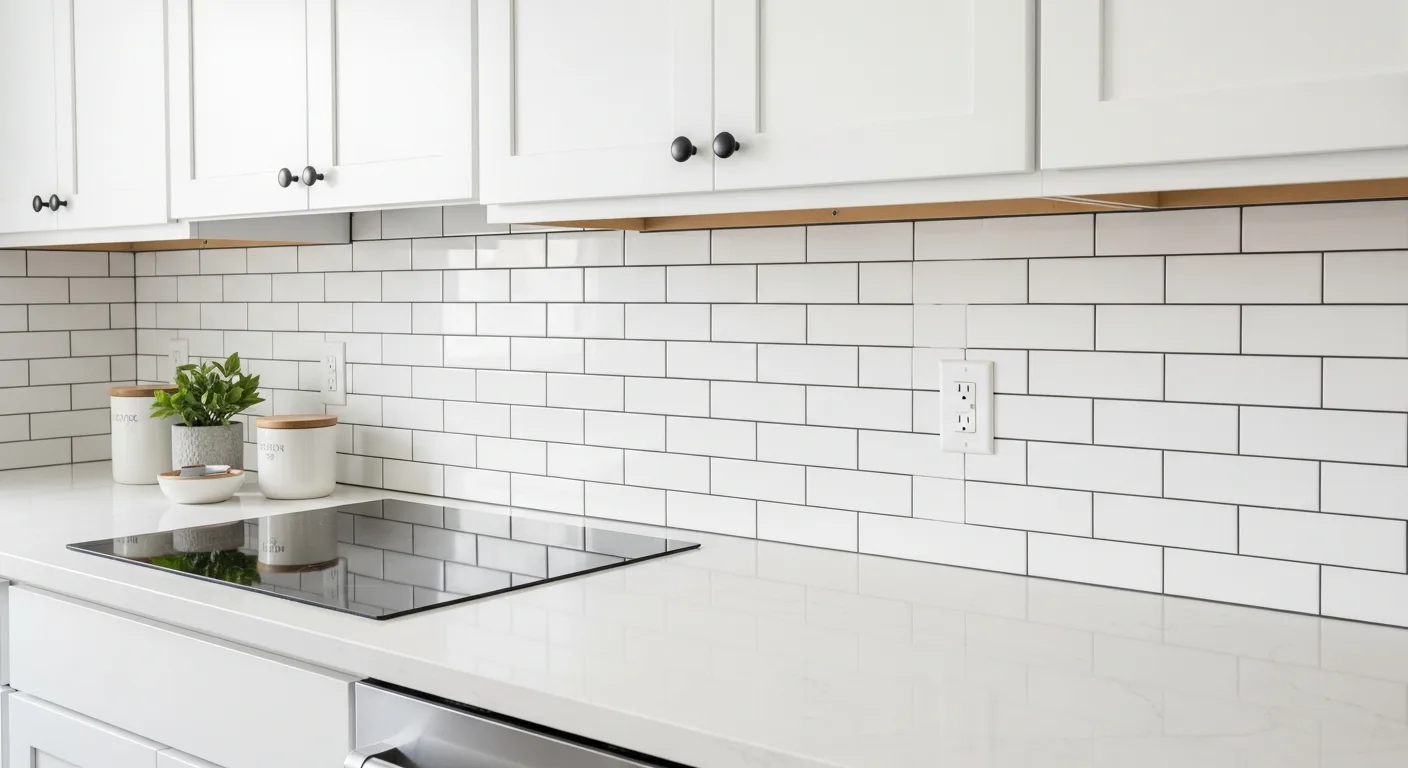
Can You Install a Backsplash Directly on Drywall?
In most kitchens, yes — standard tile goes right over sound drywall. The answer changes when the wall is painted glossy, damaged, or you have picked a heavy natural stone. Here is how to tell which situation you are in.
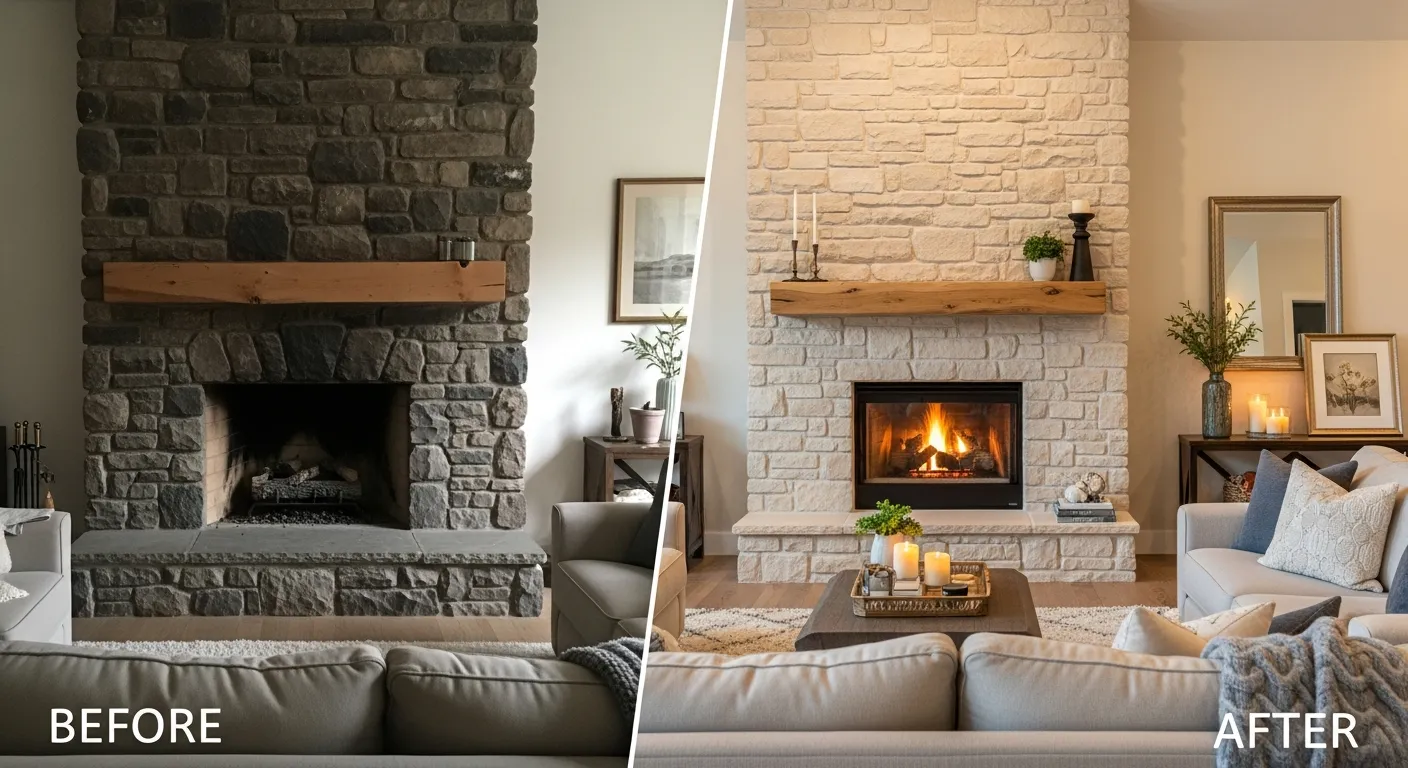
Fireplace Remodel in Michigan: Options and What to Expect
From a simple mantel update to a full stone surround transformation, here is what goes into a fireplace remodel in West Michigan.
Fireplace Resurfacing: Materials, Process, and What to Expect
Thinking about resurfacing your fireplace? Here is a straightforward look at the material options and process for West Michigan homeowners.
Tile Contractor Services Across West Michigan
Adam Baker Masonry serves homeowners throughout the Grand Rapids area and West Michigan. Select your city for local tile installation details.