
Tile vs. Hardwood Kitchen Floors: Which Is Right for West Michigan Homes?
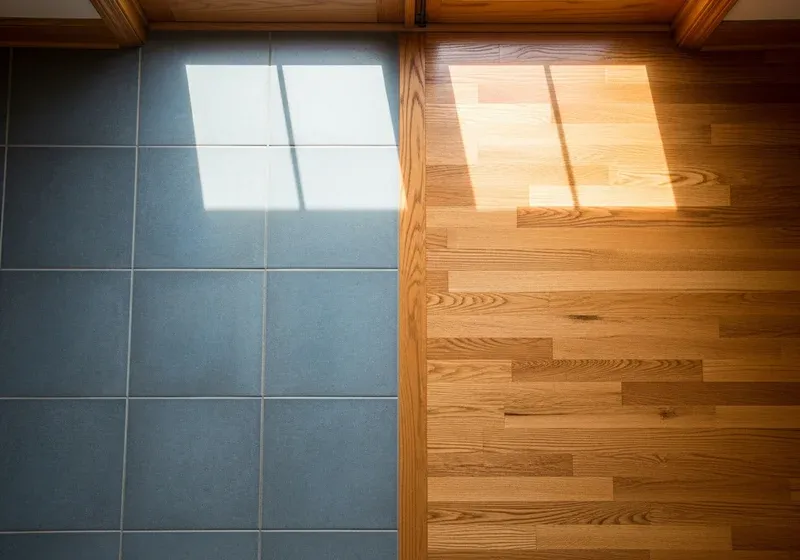
For West Michigan kitchens, tile is the more practical long-term choice — it handles spills, tracked-in snow, and heavy foot traffic better than hardwood and requires less maintenance over time. Hardwood delivers warmth underfoot that many homeowners genuinely prefer. The right answer depends on how the kitchen is used, whether radiant heat is part of the plan, and what tolerance there is for periodic refinishing.
Is Tile or Hardwood Better for a Kitchen Floor?
Tile performs better in kitchens on every practical measure. Porcelain tile absorbs virtually no moisture and holds up to spills, tracked-in snow, and heavy daily use without warping, staining, or requiring refinishing. Hardwood — even engineered hardwood — swells and stains when moisture works into the seams. In a Michigan kitchen where snow boots, wet coats, and cooking spills are daily facts of life, tile performs consistently better over time. If durability and low maintenance are the priorities, tile is the straightforward answer for a West Michigan kitchen.
Does Tile Last Longer Than Hardwood in a Kitchen?
Yes — quality tile installation lasts significantly longer than hardwood in a high-use kitchen environment. Hardwood in a busy kitchen needs refinishing every several years, and each refinishing cycle removes material that cannot be replaced. Tile installed on a properly prepared substrate doesn't need refinishing and won't wear through. The main upkeep tile requires is periodic grout sealing — a minor task compared to sanding and recoating hardwood floors. Tile floor installation done right at the start is the longer-lived investment.
Is Tile Colder Than Hardwood Underfoot?
Tile conducts heat differently than hardwood and feels cooler to a bare foot in an unheated room. In a kitchen that is heated during the day, the difference is minimal and most homeowners stop noticing it quickly. Radiant floor heating eliminates this entirely — tile conducts radiant heat efficiently, and a heated tile floor is genuinely comfortable even on a January morning in Grand Rapids. If cold floors are a concern, pairing tile with radiant heat is worth considering during the planning phase.
Which Is Easier to Maintain: Tile or Hardwood Kitchen Floors?
Tile with properly sealed grout is one of the lowest-maintenance kitchen floor surfaces available. It does not scratch from dragged chairs or pet nails, does not need refinishing, and cleans easily. Hardwood in a kitchen environment requires refinishing every few years — a disruptive and expensive process. Grout does need periodic resealing, but the effort and cost are far less than a full hardwood refinishing project. Over a decade of use in a busy kitchen, properly installed tile is meaningfully easier to own.
Does Tile or Hardwood Add More Home Value in West Michigan?
Both materials are valued by buyers. Quality porcelain tile — particularly large-format wood-look porcelain that replicates hardwood visually — is increasingly competitive on resale value. More importantly, tile that looks excellent after 20 years of use adds more value than hardwood that has been refinished multiple times and shows its wear. The floor that holds up long-term without visible deterioration is the one that benefits resale most in West Michigan's housing market.
Can You Put Tile Over a Wood Subfloor in a Kitchen?
Yes, with proper preparation. A wood subfloor needs to be flat, structurally sound, and free of excess flex before tile can be set over it. A rigid underlayment is typically installed over the wood to provide the stable, non-deflecting surface that prevents tile and grout from cracking over time. Skipping this step is the most common reason kitchen floor tile fails — the subfloor flexes, the tile or grout cracks, and the installation needs to come up. Call Adam Baker Masonry at (616) 612-1284 to talk through your kitchen floor and kitchen backsplash installation options — our tile contractor services handle both in the same project.
Frequently Asked Questions
Is tile or hardwood better for a kitchen floor in West Michigan?
Tile is the more practical long-term choice for Michigan kitchens. It handles moisture, spills, and boot traffic better than hardwood, doesn't warp or stain, and requires far less maintenance over time. Hardwood offers warmth underfoot but needs refinishing every several years in a kitchen environment and is more vulnerable to Michigan's wet winters.
Is tile colder than hardwood underfoot?
Tile feels cooler to a bare foot in an unheated room. In a kitchen heated during the day, the difference is minimal. Radiant floor heating eliminates it entirely — tile conducts radiant heat efficiently and is comfortable year-round, including January mornings in Grand Rapids.
Can you tile over a wood subfloor in the kitchen?
Yes, with proper preparation. The subfloor needs to be flat, structurally sound, and free of flex. A rigid underlayment is typically installed over wood to create the stable, non-deflecting surface tile requires. Skipping proper substrate prep is the leading cause of kitchen tile cracking within the first few years.
How long does kitchen tile last compared to hardwood?
Quality tile on a properly prepared substrate lasts decades without refinishing or replacement. Hardwood in a busy kitchen needs refinishing every several years, with each cycle removing material. The tile installation with proper substrate prep is the longer-lived investment in a high-use kitchen.
Need Professional Help?
If you've identified masonry issues or need a professional inspection, we're here to help. Adam Baker Masonry serves Grand Rapids and the surrounding 50-mile area.
Related Articles
Can You Install a Backsplash Directly on Drywall?
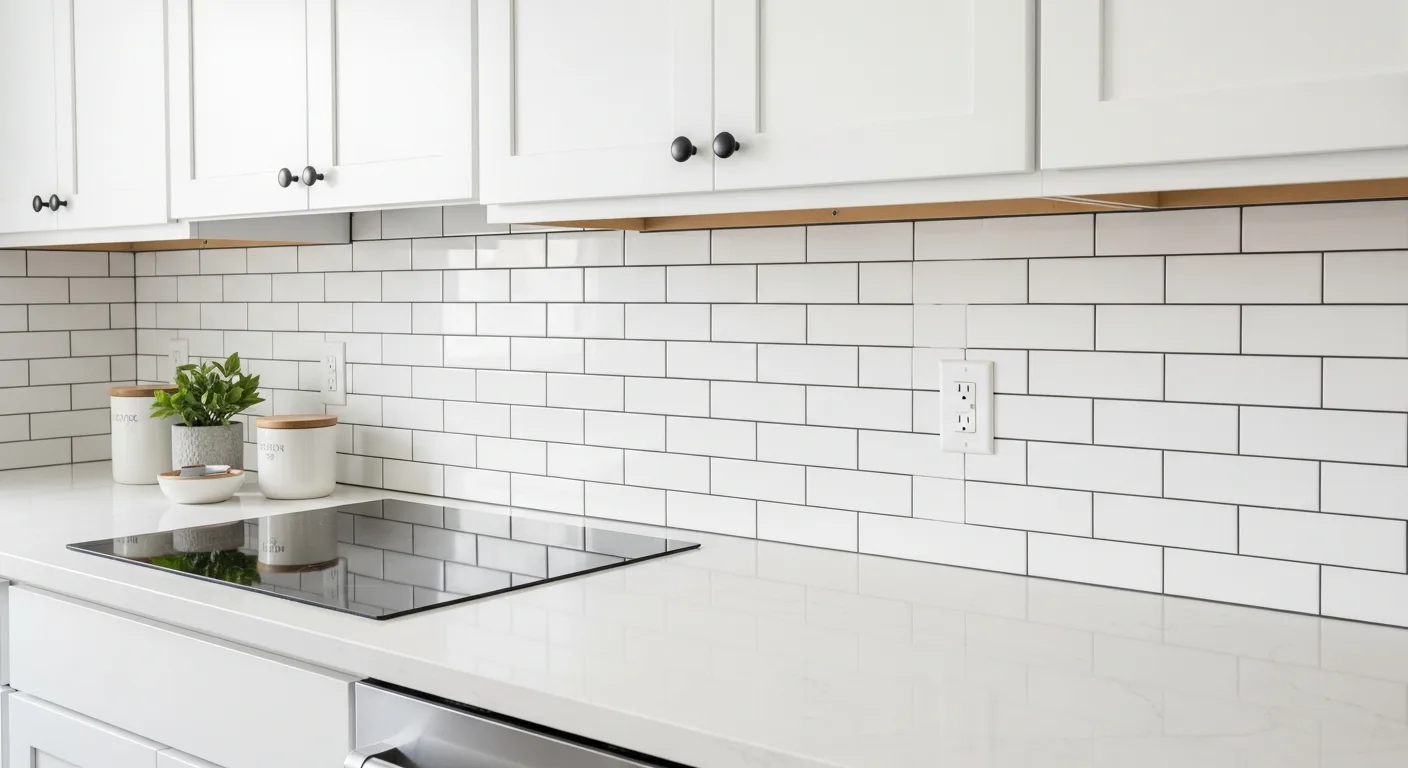
In most kitchens, yes — standard tile goes right over sound drywall. The answer changes when the wall is painted glossy, damaged, or you have picked a heavy natural stone. Here is how to tell which situation you are in.
Fireplace Remodel in Michigan: Options and What to Expect
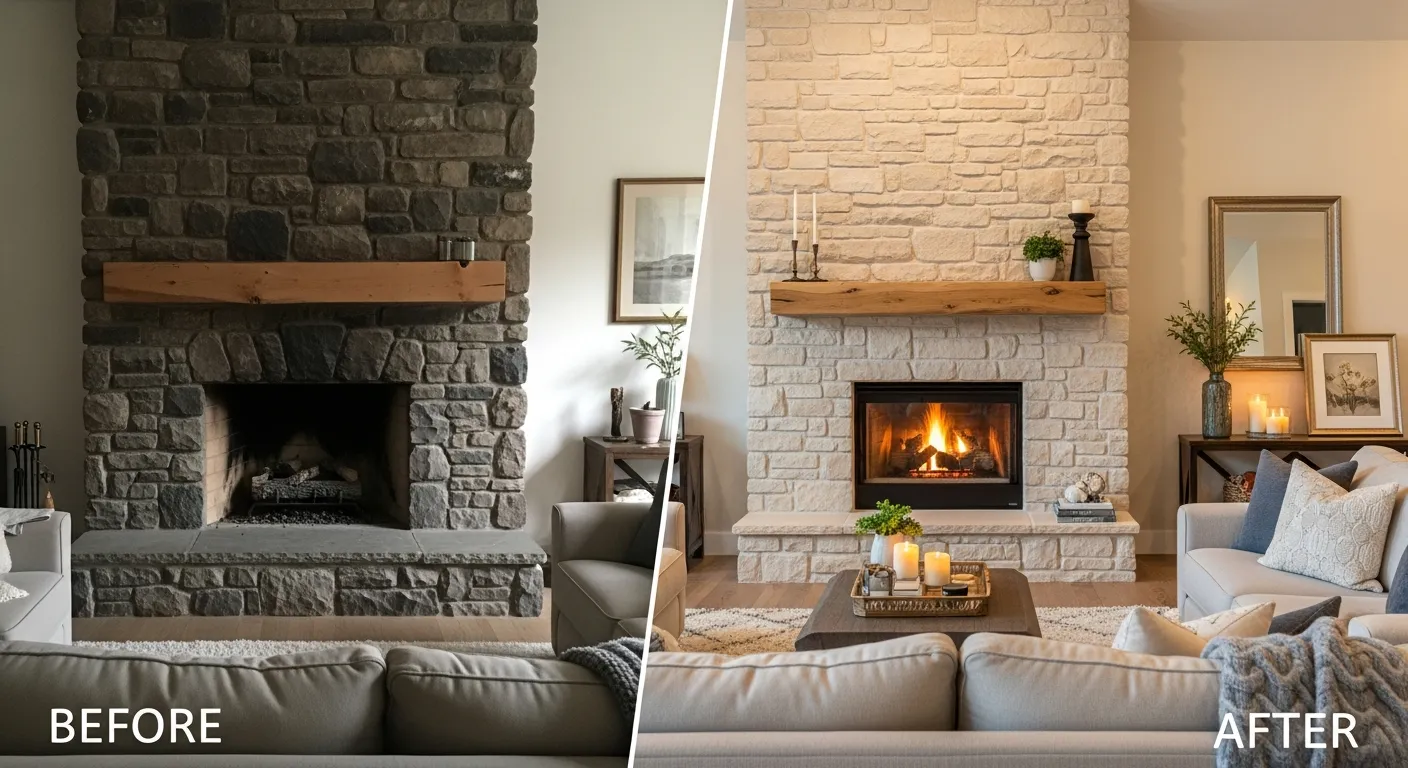
From a simple mantel update to a full stone surround transformation, here is what goes into a fireplace remodel in West Michigan.
Fireplace Resurfacing: Materials, Process, and What to Expect
Thinking about resurfacing your fireplace? Here is a straightforward look at the material options and process for West Michigan homeowners.
Tile Contractor Services Across West Michigan
Adam Baker Masonry serves homeowners throughout the Grand Rapids area and West Michigan. Select your city for local tile installation details.