
Tile vs. Luxury Vinyl Plank: What Grand Rapids Homeowners Should Know
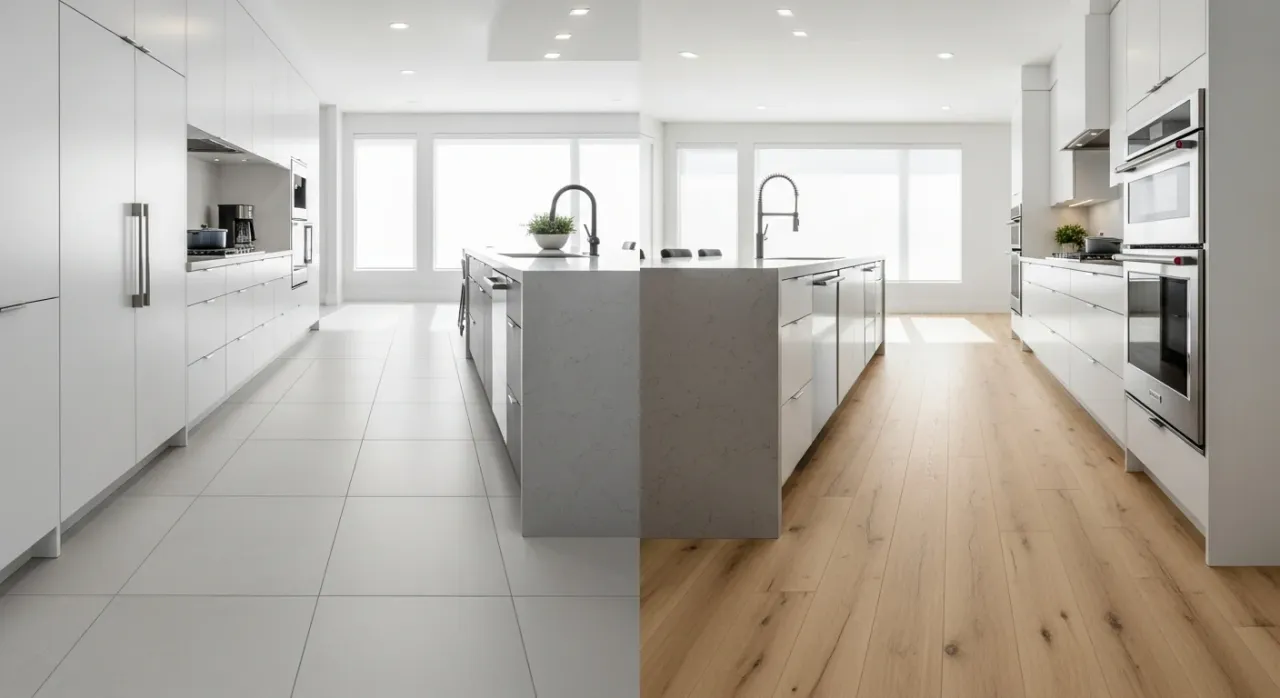
Tile is the more durable long-term choice for kitchens, mudrooms, and high-traffic areas. Luxury vinyl plank is easier to install, warmer underfoot, and less expensive. The right choice depends on where the floor is going, how much traffic it will see, and what the homeowner values more — practical durability or installation simplicity and comfort. In West Michigan, tile consistently outperforms LVP in the spaces where durability matters most.
Is tile or luxury vinyl plank better for kitchen floors?
Tile is the better choice for kitchen floors in terms of long-term durability and resistance to the demands kitchens place on flooring. Tile does not dent from dropped pots, does not react to water exposure, and does not require replacement when a section fails — individual tiles can be replaced. LVP is warmer underfoot, softer on your feet during long cooking sessions, and easier to install. For households prioritizing comfort and budget, LVP is a reasonable choice. For homeowners who want a kitchen floor that will look the same in twenty years as it does today, tile is the stronger option.
What is more durable, tile or LVP?
Tile is significantly more durable than luxury vinyl plank over the long term. Porcelain tile has a hardness and density that LVP cannot match. Tile does not dent, scratch through its pattern layer, or react to UV exposure over time. LVP is more comfortable underfoot but can be dented by heavy dropped objects, scratched by sharp grit, and may show wear in high-traffic areas over years of use. Tile floors installed with quality setting materials in the 1990s are still performing; most LVP products carry shorter warranted lifespans.
Which is easier to install, tile or luxury vinyl plank?
LVP is significantly easier to install. Most LVP is a click-together floating floor that does not require adhesive or professional substrate preparation. Tile installation requires substrate assessment and leveling, thinset mixing and application, precise layout, cutting, grouting, and sealing — a multi-day process that benefits significantly from professional installation. The DIY-friendliness of LVP is one of its primary selling points. Professional tile installation delivers a result that LVP cannot replicate, but it requires more skill, time, and cost.
Does luxury vinyl plank hold up to Michigan winters as well as tile?
For indoor spaces, Michigan's winter climate is not a significant differentiator between tile and LVP. Both perform well in heated interior environments. LVP can be affected by temperature extremes — very cold temperatures near uninsulated exterior walls or slab-on-grade floors can cause some LVP products to become brittle or show seam separation. Tile is not affected by these conditions. For entry areas and mudrooms that see dramatic temperature swings when exterior doors open, tile is the more stable choice.
Which adds more long-term value, tile or LVP?
Tile adds more perceived and actual value to a home in Grand Rapids than LVP. Buyers and appraisers see tile as a permanent material upgrade. LVP is viewed as a practical, mid-range flooring choice — acceptable and functional, but not a premium feature the way tile is. In kitchens, mudrooms, and entryways where the flooring is a prominent visual element, tile consistently outperforms LVP in both buyer perception and long-term durability. Contact Adam Baker Masonry at (616) 612-1284 for a free tile floor estimate.
Frequently Asked Questions
Is tile or luxury vinyl plank better for kitchen floors?
Tile is the more durable long-term choice for kitchens — it does not dent, react to water, or wear through a surface layer. LVP is warmer underfoot, softer to stand on, and easier to install. For homeowners prioritizing durability and long-term value, tile is the stronger option. For those prioritizing comfort and budget, LVP is a reasonable alternative.
What is more durable, tile or LVP?
Tile is significantly more durable than LVP. Porcelain tile resists denting, scratching, and UV degradation in ways that LVP cannot match. Tile floors from decades ago are still performing; LVP carries shorter warranted lifespans and can show wear, scratching, and seam issues over years of heavy use in high-traffic spaces.
Which is cheaper, tile or luxury vinyl plank?
LVP is typically less expensive in both material and installation cost than professional tile installation. The tile installation process requires skilled labor, multi-day installation, and proper substrate preparation — all of which add cost compared to a floating LVP floor. For homeowners who want to maximize budget efficiency, LVP is the lower initial investment. Tile's longer lifespan can make it more cost-effective over the full life of the floor.
Is LVP or tile better for households with dogs?
Tile is better for dogs in terms of durability. LVP can be scratched by dog nails over time, particularly in lighter colors or finishes. Tile's glazed porcelain surface resists scratching from pet nails and cleans completely with mopping, which matters when accidents happen. Tile is also cooler underfoot, which some dogs prefer in warm months.
Does tile or LVP add more home value in Grand Rapids?
Tile adds more perceived value. Buyers in the Grand Rapids area see tile in kitchens, mudrooms, and entryways as a material upgrade — permanent, durable, and quality-signaling. LVP is viewed as practical and functional but not a premium feature. In spaces where flooring is visually prominent, tile consistently outperforms LVP in buyer perception and appraised value.
Need Professional Help?
If you've identified masonry issues or need a professional inspection, we're here to help. Adam Baker Masonry serves Grand Rapids and the surrounding 50-mile area.
Related Articles
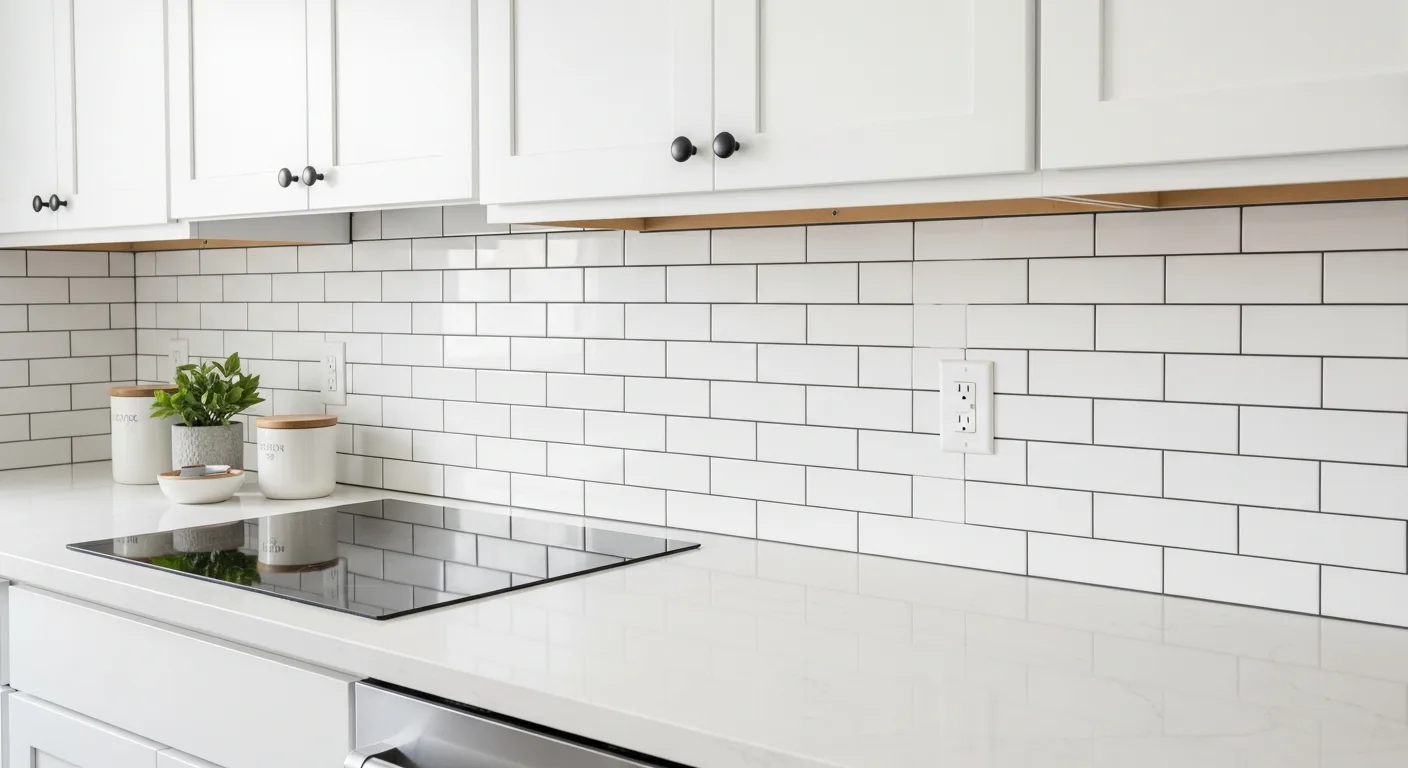
Can You Install a Backsplash Directly on Drywall?
In most kitchens, yes — standard tile goes right over sound drywall. The answer changes when the wall is painted glossy, damaged, or you have picked a heavy natural stone. Here is how to tell which situation you are in.
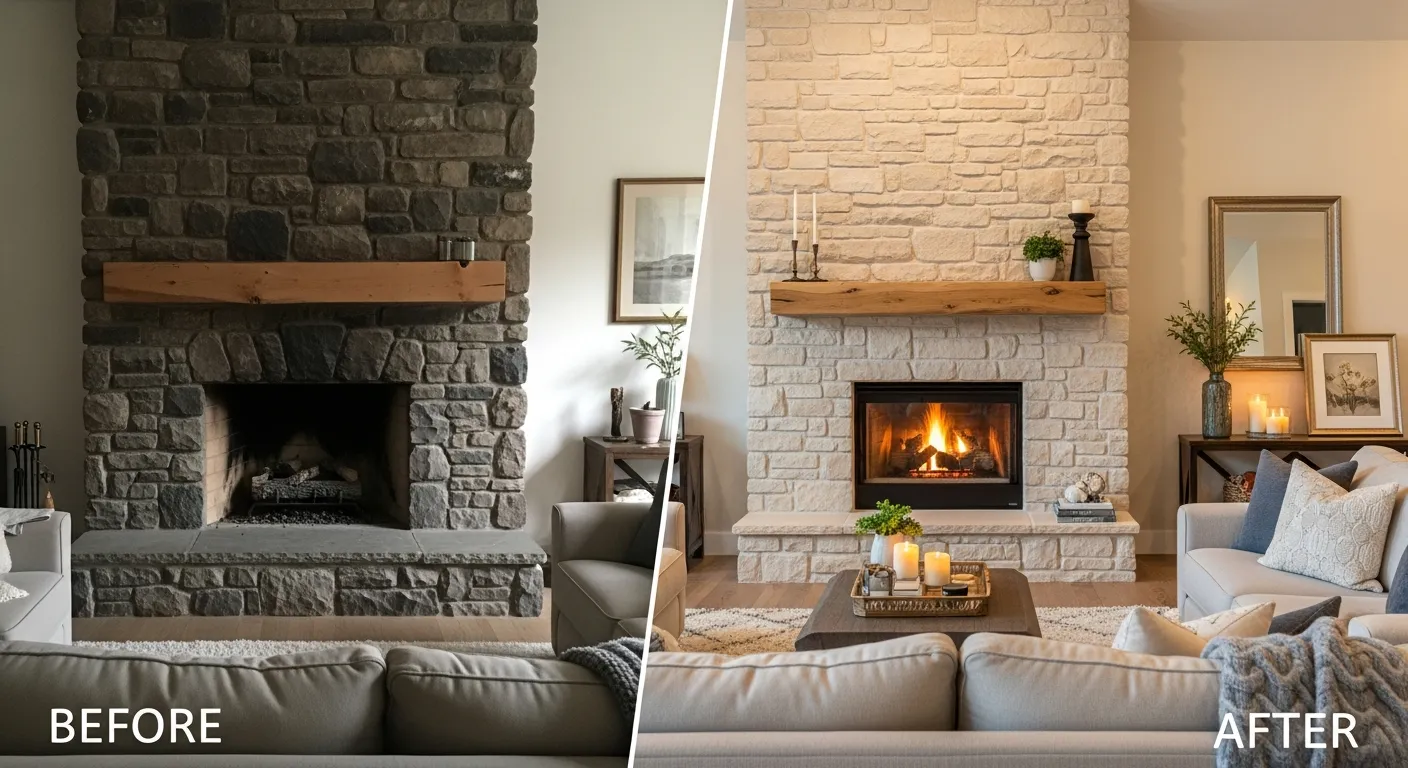
Fireplace Remodel in Michigan: Options and What to Expect
From a simple mantel update to a full stone surround transformation, here is what goes into a fireplace remodel in West Michigan.
Fireplace Resurfacing: Materials, Process, and What to Expect
Thinking about resurfacing your fireplace? Here is a straightforward look at the material options and process for West Michigan homeowners.
Tile Contractor Services Across West Michigan
Adam Baker Masonry serves homeowners throughout the Grand Rapids area and West Michigan. Select your city for local tile installation details.