
What Causes Tile to Crack? A Guide for West Michigan Homeowners
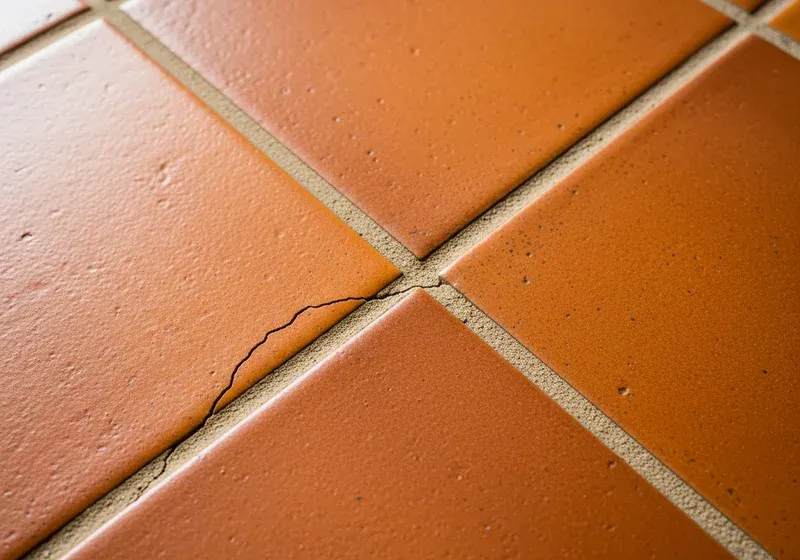
Tile cracks almost always start below the surface, not in the tile itself. The three most common causes in West Michigan homes are subfloor movement, insufficient thinset coverage that leaves voids beneath the tile, and missing expansion joints that give the installation nowhere to accommodate temperature-driven movement. A direct impact from a dropped object is the exception — the vast majority of cracked tile traces back to something structural.
What Causes Tile to Crack on a Floor?
Subfloor movement is the most common cause of cracked floor tile. Tile is rigid and cannot flex. When the floor beneath it deflects under foot traffic or seasonal moisture changes, the tile cracks at its weakest point — typically a corner or near a grout joint. Wood subfloors flex naturally, especially in older Michigan homes with longer joist spans. This is why tile floor installation over wood requires a rigid underlayment system that decouples the tile from subfloor movement. When that step is skipped or done incorrectly, cracking is predictable.
Why Does Tile Crack After Installation?
Post-installation cracking happens for three reasons: subfloor movement the installation wasn't designed to handle, voids beneath the tile from incomplete thinset coverage, or missing expansion joints. Incomplete thinset coverage — thinset applied only in ridges without full back-buttering — leaves unsupported areas beneath the tile. When a concentrated load hits one of those voids — a cast iron pan dropped, a heavy appliance rolled across the floor — the tile cracks at the unsupported point. Full thinset coverage across the entire tile back is a professional standard for exactly this reason.
Can a Cracked Tile Be a Sign of Foundation Problems?
It can be, but most cracked tile in West Michigan homes traces to the subfloor rather than the foundation. A crack that runs straight across a tile and aligns with a crack in the adjacent tile or grout joint is structural — something beneath is moving. If the same crack pattern appears across multiple adjacent tiles in a line, particularly if it follows the same direction as a beam or joist below, it warrants a closer look at what is happening structurally. But an isolated cracked tile, or a starburst pattern from a single point, is typically a void issue or impact, not a foundation issue.
What Is the Difference Between an Impact Crack and a Structural Crack?
An impact crack radiates from a single point in a starburst or spider-web pattern. It is localized — the surrounding tiles are unaffected. This type of crack came from a hard, heavy object striking the tile from above. A structural crack runs in a relatively straight line across the tile, often continuing through the adjacent grout joint into neighboring tiles. It typically follows the direction of movement beneath the installation. Replacing the tile without addressing the cause of a structural crack produces a new cracked tile in the same location.
How Do I Know If I Need to Replace Just One Tile or the Whole Section?
Do the tap test across the affected area: knock on each tile with a coin or knuckle. Solid, well-bonded tile sounds dense. Hollow-sounding tile has lost its adhesive bond and is at risk of cracking under normal use. If only one or two tiles are cracked and the surrounding tile sounds solid, targeted replacement is appropriate — provided the cause of the crack has been identified and addressed. If multiple tiles are hollow or cracked in a pattern, the installation has a substrate problem that requires more comprehensive work. Our tile flooring repair and tile grout repair teams can assess whether targeted replacement or regrouting is the right fix. Reach out at (616) 612-1284 before ordering replacement tile.
Frequently Asked Questions
What causes tile to crack?
The most common causes are subfloor movement the installation was not designed to handle, voids beneath the tile from incomplete thinset coverage, and missing expansion joints. Direct impact from a hard, heavy object is less common but does happen. Most cracked tile in West Michigan homes traces to something structural rather than the tile quality itself.
Can I just replace a single cracked tile?
You can, but first determine why it cracked. If the crack is a starburst from a single impact and surrounding tiles sound solid on the tap test, replacing that tile is straightforward. If cracks follow grout joints, continue across multiple tiles, or the same spot keeps cracking after repair, the cause needs to be addressed before new tile goes in.
Does temperature cause tile to crack?
In a properly installed floor with adequate expansion joints, normal seasonal temperature changes in a heated Michigan home are well within what tile can handle. If tile is cracking from thermal movement, the installation likely lacks adequate expansion joints at the perimeter or at transitions — giving the tile nowhere to go when it expands.
Why do tiles crack but the grout is fine?
Tile that cracks while adjacent grout remains intact often indicates a void beneath that specific tile — a spot where the thinset did not fully support the tile back. The grout joint is a narrow connection that can flex slightly; the tile body cannot. Tapping the cracked tile will reveal a hollow sound confirming the bonding void beneath it.
Need Professional Help?
If you've identified masonry issues or need a professional inspection, we're here to help. Adam Baker Masonry serves Grand Rapids and the surrounding 50-mile area.
Related Articles
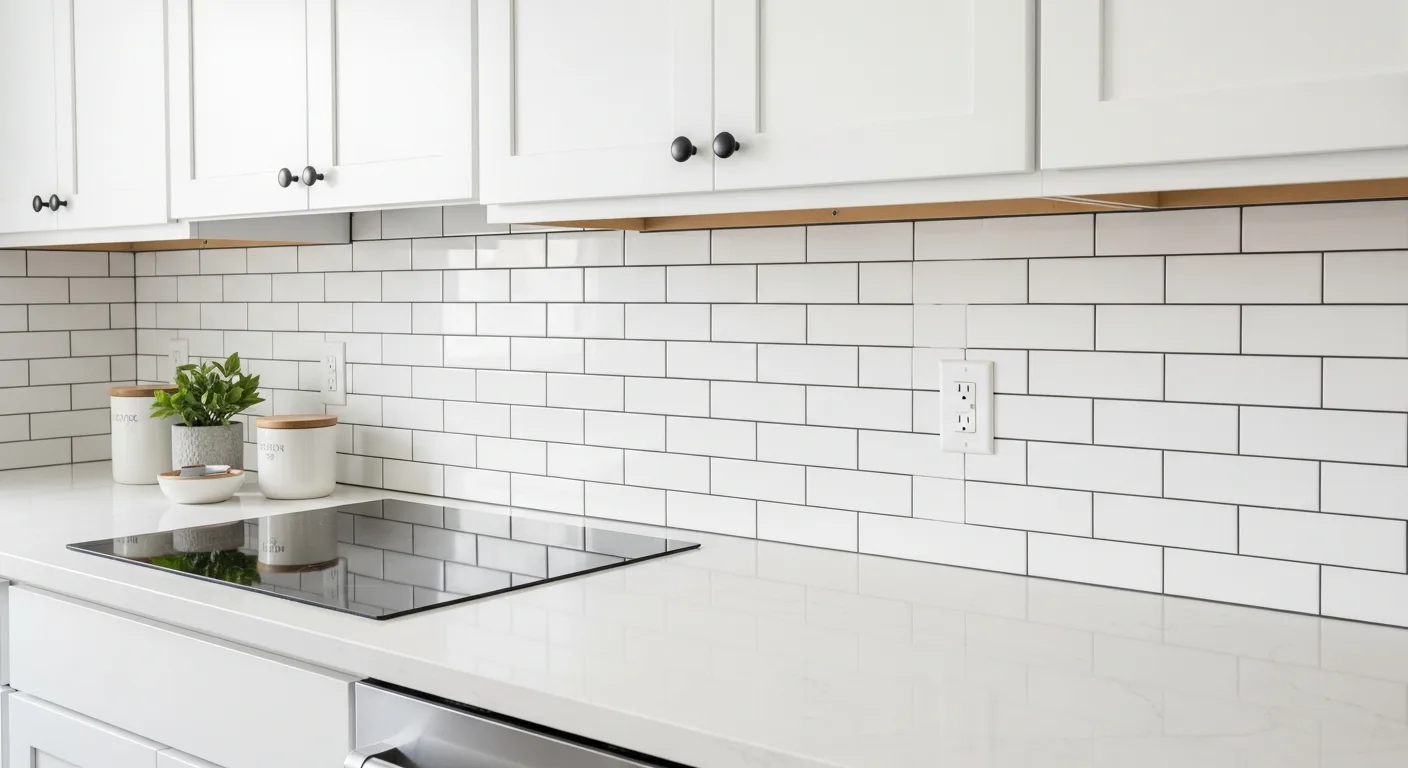
Can You Install a Backsplash Directly on Drywall?
In most kitchens, yes — standard tile goes right over sound drywall. The answer changes when the wall is painted glossy, damaged, or you have picked a heavy natural stone. Here is how to tell which situation you are in.
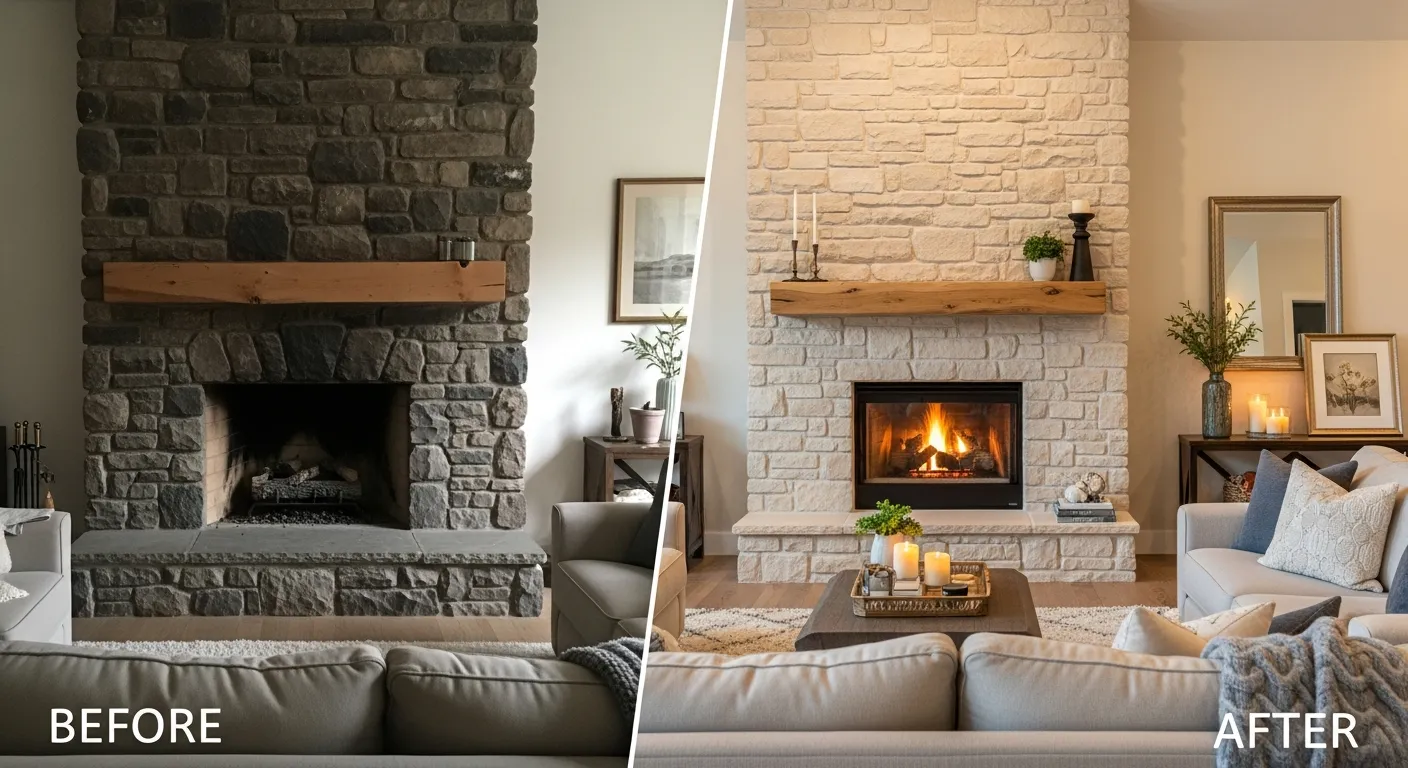
Fireplace Remodel in Michigan: Options and What to Expect
From a simple mantel update to a full stone surround transformation, here is what goes into a fireplace remodel in West Michigan.
Fireplace Resurfacing: Materials, Process, and What to Expect
Thinking about resurfacing your fireplace? Here is a straightforward look at the material options and process for West Michigan homeowners.
Tile Contractor Services Across West Michigan
Adam Baker Masonry serves homeowners throughout the Grand Rapids area and West Michigan. Select your city for local tile installation details.