
Why Grout Changes Color (and What to Do About It)
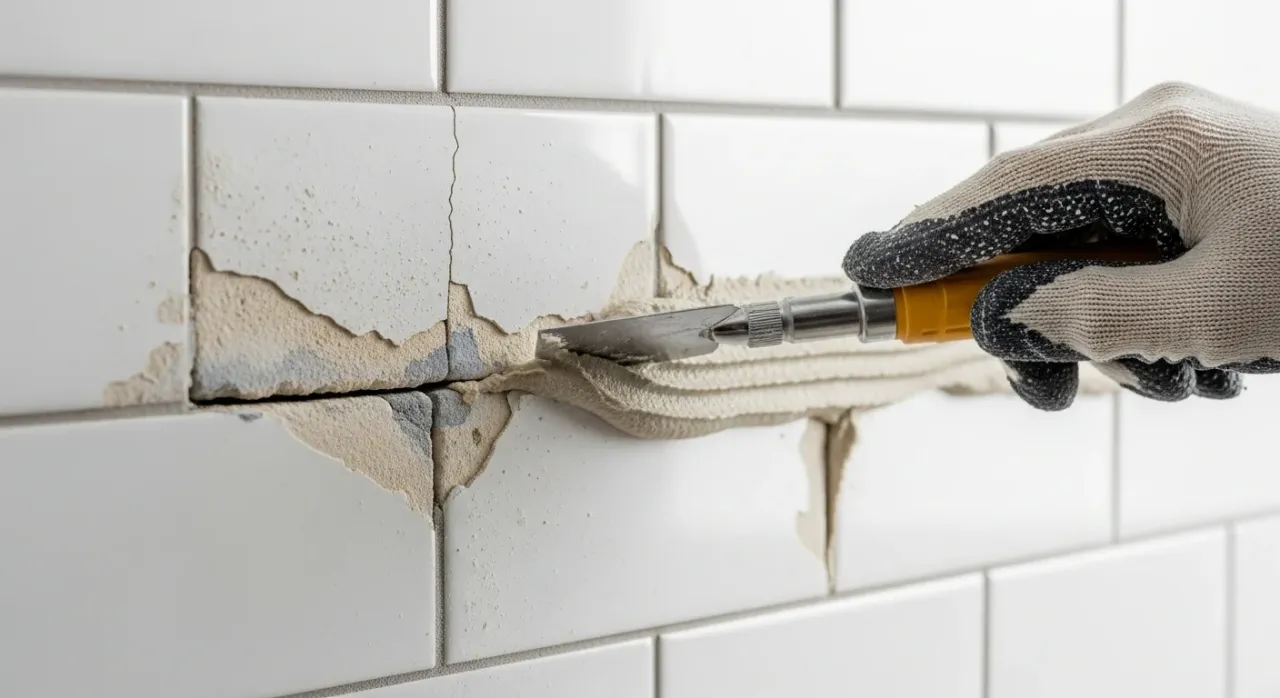
Grout changes color for four reasons: hard water mineral buildup, absorbed cooking oil or grease, mold or mildew growth, or grout that was never properly sealed. The cause determines the fix — mineral haze responds differently than oil saturation or mold growth. In West Michigan, where the water is hard and kitchens get heavy use, all four causes are common.
Why Does Grout Change Color Over Time?
Grout is porous. Left unsealed or inadequately sealed, it absorbs whatever contacts it — hard water minerals, cooking grease, cleaning product residue, and airborne particles — and holds that material in its pore structure. Over months and years, those absorbed substances shift the color of the grout away from its original shade. The type of discoloration and where it appears tells you which cause you are dealing with.
Why Does White Grout Turn Yellow?
Yellowed white grout in a kitchen almost always comes from absorbed cooking oil and grease. Oils from cooking migrate into the air as vapor and eventually deposit on every surface in the kitchen — including the porous surface of unsealed or lightly sealed grout. Areas near the stove or range hood accumulate this oil fastest. Standard household cleaners do not emulsify grease effectively inside grout. A degreasing cleaner worked into the joints with a brush is the right starting point. For grout that has absorbed years of cooking oil, regrouting the affected section is often a more reliable result than repeated cleaning attempts.
Why Is My Grout Turning Dark or Developing Black Spots?
Dark spots or patches — particularly gray or black — in grout near the sink, dishwasher, or near an exterior entry door are almost always mold or mildew. Grout in damp areas can harbor mold even when the surface appears dry between uses. Oxygen bleach-based cleaners are effective on mold in grout without the risks of chlorine bleach, which can alter the color of grout and damage adjacent materials. After cleaning, seal the grout to reduce future moisture absorption and keep the area as dry as possible between uses.
Can You Fix Discolored Grout Without Regrouting?
Often yes — with grout colorants or through targeted cleaning. Grout colorants are penetrating products that deposit pigment into the pore structure of the grout, restore or change the color, and add a sealing layer at the same time. They work best when the grout is structurally sound and clean — not crumbling, cracked, or saturated with a substance that interferes with penetration. For mineral haze from hard water, a mild acid-based cleaner such as diluted white vinegar applied with a grout brush and rinsed thoroughly dissolves the deposits. For heavy staining that does not respond to cleaning, regrouting is the more reliable solution.
How Do You Prevent Grout From Changing Color?
Glazed porcelain and ceramic tile are the easiest to maintain — the glazed surface does not absorb grease, food splatter, or cleaning products. For West Michigan kitchens and entryways — where hard water, cooking activity, and tracked-in moisture are constant — sealing grout after installation and resealing periodically is the single most effective maintenance step. Test the current sealer by dropping a few drops of water on the grout surface: if it beads up, the sealer is still working; if it absorbs quickly, it is time to reseal. Call Adam Baker Masonry at (616) 612-1284 if your grout issues go beyond what cleaning and sealing can address — tile grout repair including full regrouting may be the right solution, or a fresh kitchen backsplash installation through our tile contractor services if the surrounding tile is due for an update.
Frequently Asked Questions
Why does grout change color after cleaning?
Cleaning products — particularly acidic cleaners used frequently or bleach used on colored grout — can alter grout color over time even as they clean the surface. Residue from soaps and cleaners can also deposit in the pore structure. Use a pH-neutral tile and grout cleaner for regular maintenance, and reserve stronger products for targeted problem-solving.
Why does white grout turn yellow?
Yellowed white grout in a kitchen almost always comes from absorbed cooking oil and grease. Oil vapor deposits on all kitchen surfaces over time, and porous unsealed grout absorbs it. A degreasing cleaner worked into the grout with a brush is the right starting point. Heavily saturated grout may need to be regrouted for a reliable result.
Can I change grout color without regrouting?
Yes — grout colorants are penetrating products that change the existing grout color and add a protective sealing layer. They work best when grout is structurally sound and clean. Colorants can restore faded grout to its original shade or change it to a different color entirely. They are not effective over crumbling or heavily contaminated grout.
How often should grout be sealed?
Sealing frequency depends on traffic and use. Test it by dropping a few water drops on the grout — if water beads up, the sealer is working; if it absorbs immediately, it is time to reseal. High-traffic kitchen and entryway grout in West Michigan homes needs more frequent attention than grout in lower-use areas.
Need Professional Help?
If you've identified masonry issues or need a professional inspection, we're here to help. Adam Baker Masonry serves Grand Rapids and the surrounding 50-mile area.
Related Articles
Can You Install a Backsplash Directly on Drywall?
In most kitchens, yes — standard tile goes right over sound drywall. The answer changes when the wall is painted glossy, damaged, or you have picked a heavy natural stone. Here is how to tell which situation you are in.
Fireplace Remodel in Michigan: Options and What to Expect
From a simple mantel update to a full stone surround transformation, here is what goes into a fireplace remodel in West Michigan.
Fireplace Resurfacing: Materials, Process, and What to Expect
Thinking about resurfacing your fireplace? Here is a straightforward look at the material options and process for West Michigan homeowners.
Tile Contractor Services Across West Michigan
Adam Baker Masonry serves homeowners throughout the Grand Rapids area and West Michigan. Select your city for local tile installation details.