
Why Winter Is the Best Time to Book a Tile Project in Michigan
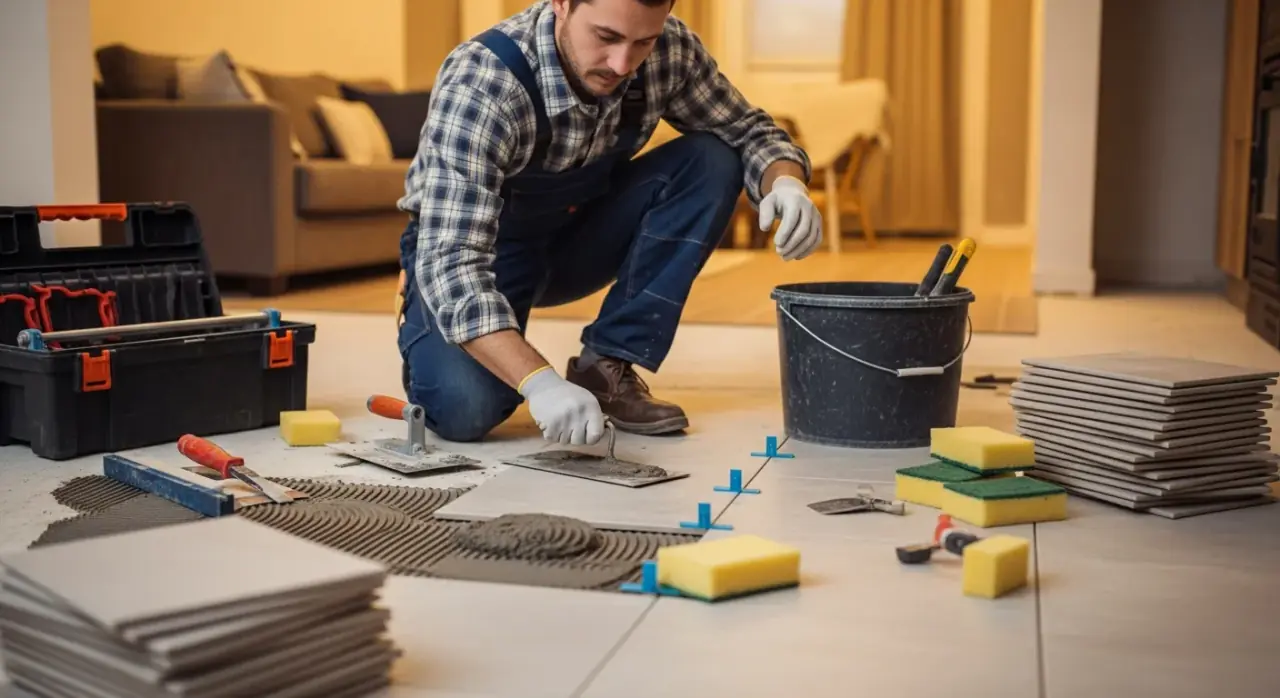
Yes, tile can be installed in winter in Michigan — with one important condition: the work area must be at normal interior room temperature. Tile adhesive and grout require adequate warmth to cure correctly. In a heated home, Michigan winters are irrelevant to an indoor tile project. Cold affects tile installation only when the space is unheated or the temperature near the floor drops below the manufacturer's specified range for the setting materials.
Can tile be installed in winter in Michigan?
Indoor tile installation continues through Michigan winters without issue when the home is heated to normal living temperatures. Modified thinset and grout cure based on temperature and humidity, not season. A kitchen, bathroom, mudroom, or living room floor in a heated Grand Rapids home is as suitable for tile installation in January as in July. The season simply does not matter for work inside a conditioned space.
What temperature is too cold for tile installation?
Setting materials — thinset mortars and grouts — have minimum temperature requirements specified by the manufacturer. Most require the work area, substrate, tile, and materials to be above a manufacturer-specified minimum, though the specific requirement varies by product. Below that threshold, the thinset may not bond properly and grout may not cure correctly. In a heated home, the floor temperature near an exterior wall or slab-on-grade can sometimes be lower than ambient air temperature — this is worth checking before work begins in very cold weather, but it is rarely an issue in a properly heated Michigan home.
Does cold weather affect tile adhesion or grout quality?
When installation occurs in a properly heated space, cold weather outside has no effect on tile adhesion or grout quality. Problems arise in unheated spaces — a garage, an unfinished addition, or a space where heat has been turned off. In those situations, thinset may set slowly, cure improperly, or fail to achieve full bond strength, which leads to tiles that feel hollow underfoot or grout that cracks prematurely. We do not install tile in unheated spaces during Michigan winters precisely because the setting materials cannot perform as intended.
What tile projects can be completed in winter in Grand Rapids?
All indoor tile projects proceed normally in winter: kitchen floor and backsplash tile, mudroom and entryway floors, fireplace surround tile, tile accent walls, and laundry room tile. Large-format porcelain floors, natural stone installations, and kitchen backsplashes are all winter-ready projects. If the project is inside a heated space, the calendar month is irrelevant to the installation.
Are there scheduling advantages to booking tile work in winter?
Yes. Winter months in West Michigan typically offer more scheduling flexibility and shorter wait times for preferred start dates. Summer and fall are the busiest seasons for both indoor and outdoor masonry work, which means longer lead times and less flexibility on scheduling. Homeowners who book tile projects in late fall or winter often get their preferred dates more easily and can time the work to coincide with other winter indoor projects. Contact Adam Baker Masonry at (616) 612-1284 to discuss availability — our kitchen backsplash installation and tile contractor services cover combined floor and backsplash packages year-round.
Frequently Asked Questions
Can tile be installed in winter in Michigan?
Yes. Indoor tile installation proceeds normally in winter when the home is heated to normal living temperatures. Setting materials cure based on temperature and humidity, not season. A heated kitchen, mudroom, or living room in Grand Rapids is just as suitable for tile installation in January as in July — the outdoor weather has no effect on work inside a conditioned space.
What temperature does tile installation require?
Most thinset mortars and grouts require the work area, substrate, and materials to be above a manufacturer-specified minimum temperature, though requirements vary by product. In a properly heated Michigan home, this is rarely an issue even in winter. We check floor-level temperatures in spaces with cold slabs or exterior walls before installation begins.
Is there any advantage to scheduling tile work in winter?
Yes. Winter typically offers better scheduling availability and shorter wait times in West Michigan. Summer and fall are the busiest seasons for masonry work, which means longer lead times. Homeowners who schedule tile projects in winter often get preferred start dates more easily and can coordinate the work with other indoor winter renovations.
Can you tile in an unheated space in a Michigan winter?
We do not recommend installing tile in unheated spaces during Michigan winters. Thinset and grout need adequate temperature to cure properly. In an unheated garage, addition, or space where heat has been turned off, setting materials may not bond correctly, leading to loose tiles or failing grout. Heat the space to normal working temperatures for at least 24 hours before installation.
What indoor tile projects are popular in winter in Grand Rapids?
Kitchen floor and backsplash tile, mudroom floors, fireplace surround tile, and tile accent walls in living rooms and bedrooms are all popular winter projects in the Grand Rapids area. Because all of these are interior work in heated spaces, Michigan's winters are completely irrelevant to the project timeline or outcome.
Need Professional Help?
If you've identified masonry issues or need a professional inspection, we're here to help. Adam Baker Masonry serves Grand Rapids and the surrounding 50-mile area.
Related Articles
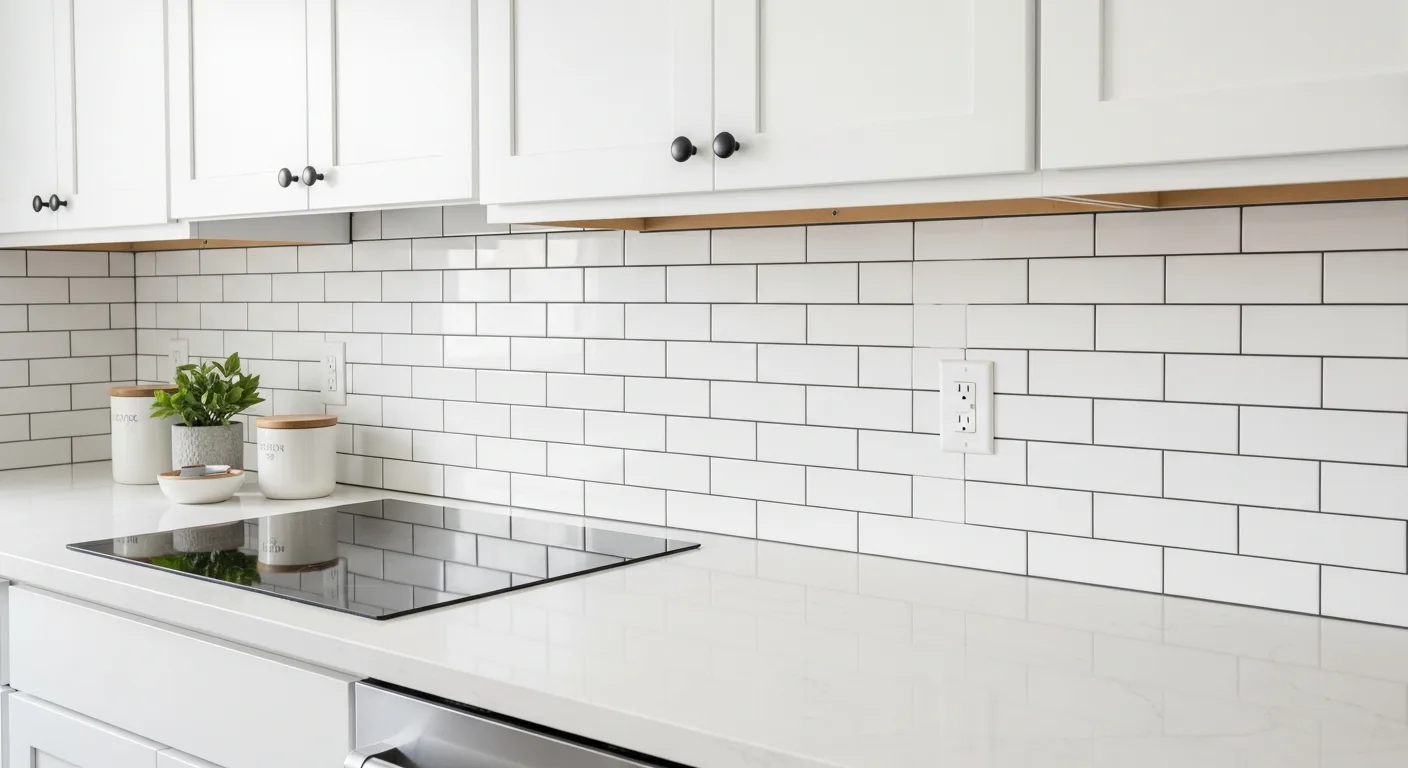
Can You Install a Backsplash Directly on Drywall?
In most kitchens, yes — standard tile goes right over sound drywall. The answer changes when the wall is painted glossy, damaged, or you have picked a heavy natural stone. Here is how to tell which situation you are in.
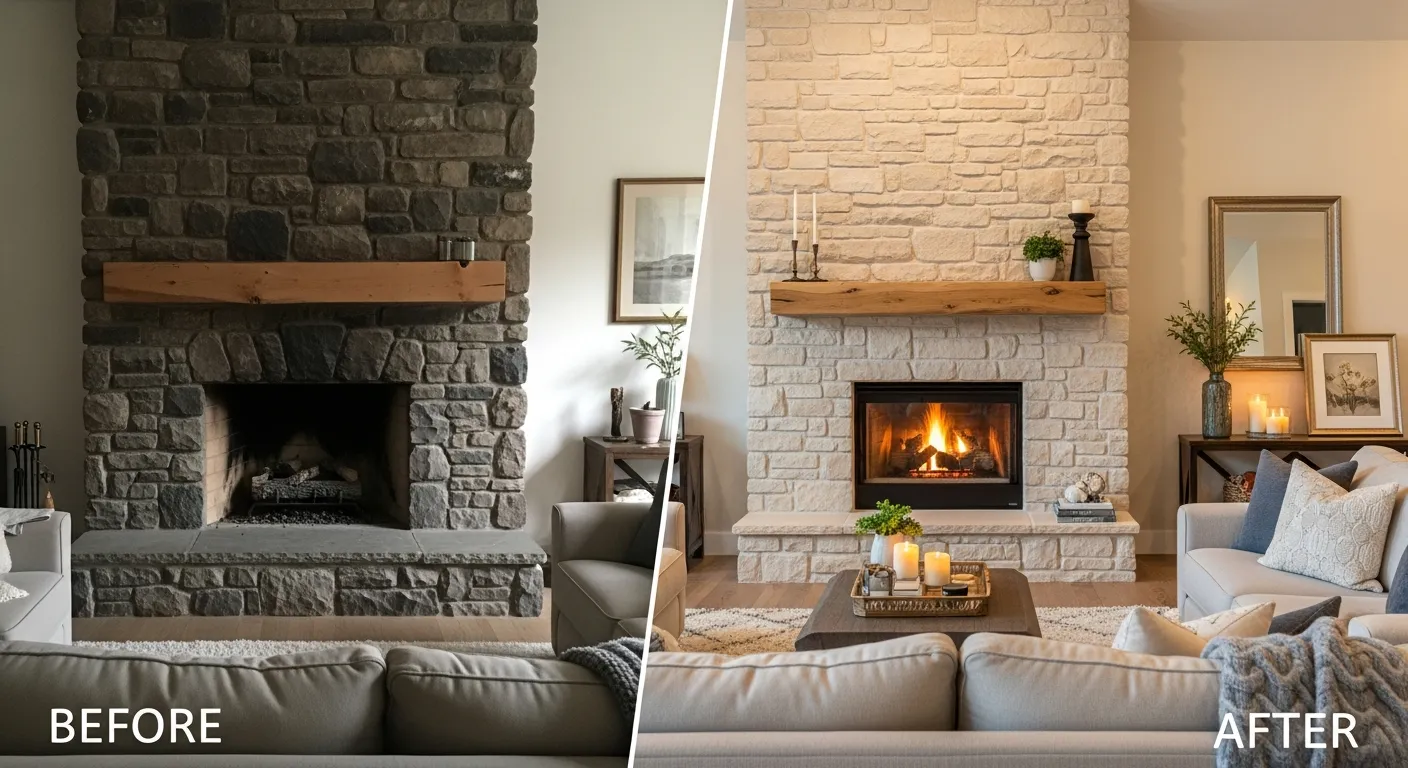
Fireplace Remodel in Michigan: Options and What to Expect
From a simple mantel update to a full stone surround transformation, here is what goes into a fireplace remodel in West Michigan.
Fireplace Resurfacing: Materials, Process, and What to Expect
Thinking about resurfacing your fireplace? Here is a straightforward look at the material options and process for West Michigan homeowners.
Tile Contractor Services Across West Michigan
Adam Baker Masonry serves homeowners throughout the Grand Rapids area and West Michigan. Select your city for local tile installation details.