
Wood-Look Porcelain Tile: Why West Michigan Homeowners Are Choosing It Over Hardwood
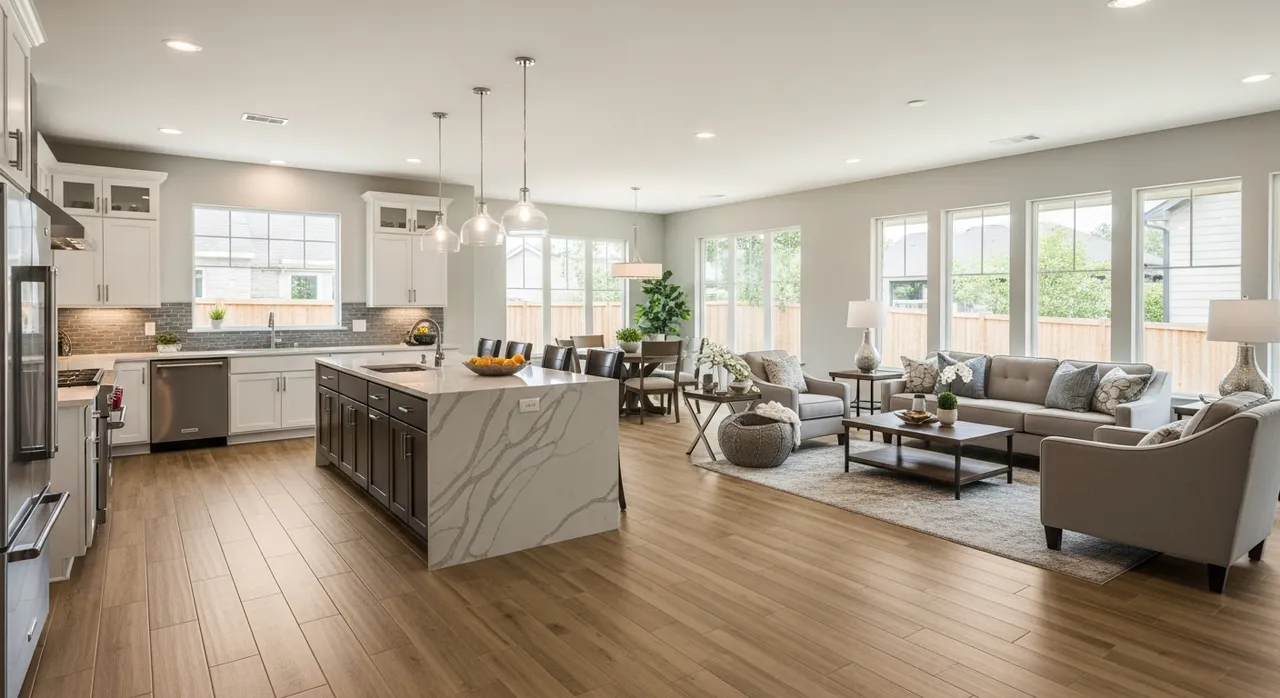
Wood-look porcelain tile is the most practical alternative to real hardwood for West Michigan homes. Modern manufacturing produces a convincing grain, color, and plank format — and unlike hardwood, it will not warp from humidity, scratch from pets or heavy use, or require refinishing. For kitchens, mudrooms, laundry rooms, and any space where Michigan's winters bring moisture inside, wood-look porcelain outperforms real hardwood on every long-term ownership measure.
Does Wood-Look Porcelain Tile Actually Look Like Real Wood?
Modern wood-look porcelain is genuinely convincing. Digital printing technology allows manufacturers to reproduce grain variation, knot patterns, surface texture, and the color range of oak, hickory, walnut, and other hardwood species in porcelain tile. The best products use dozens or hundreds of unique tile faces so no two adjacent tiles repeat the same image. Set in a staggered joint pattern that mimics flooring installation, the finished surface reads as hardwood in photographs and in most living spaces. What gives it away as tile — grout lines between planks — is also what makes it the better choice for Michigan homes.
Is Wood-Look Tile Better Than Real Hardwood for a Michigan Home?
For kitchens, mudrooms, laundry rooms, and main-level spaces exposed to Michigan's seasonal moisture, yes. Real hardwood expands and contracts with humidity — West Michigan's dry heating seasons cause hardwood to shrink, gap, and check over time. Porcelain tile is dimensionally stable regardless of humidity. Real hardwood cannot be used below grade without specific engineering and is immediately vulnerable to standing water. Porcelain is impervious to moisture. For dry living spaces not exposed to water, real hardwood still has its own appeal and resale associations. The choice comes down to where the floor is going and how the house is used.
What Size Plank Tile Looks Most Like Hardwood?
Wider, longer planks create the most convincing hardwood appearance. A plank in the 8x48 or similar range minimizes the number of grout joints visible across any stretch of floor, reinforcing the continuous wood-floor reading. Narrower planks of 4x24 inches read as strip flooring — a convincing hardwood look but with more joints. The right size depends on the room's proportions and the flooring scale you are after. We bring plank samples to estimates so clients can see the different formats in their actual space.
What Do I Need to Know About Installing Wood-Look Plank Tile?
Wood-look plank tile has more demanding substrate requirements than square tile. The long, narrow plank format magnifies subfloor variation — a slight low spot invisible under a square tile creates a visible dip or hollow under a long plank. Subfloor flatness is more critical for plank tile than for any other tile format. The joints between planks are typically kept very narrow — often an eighth of an inch or less — to reinforce the wood-floor look. Achieving consistent tight joints across long planks requires rectified tile (cut to precise, consistent dimensions) and careful installation. Grout color for wood-look tile almost always matches the primary tone of the tile itself to make the joints as invisible as possible.
Is Wood-Look Tile a Good Choice for a Kitchen Floor?
Yes — kitchens are one of the strongest applications for wood-look porcelain precisely because real hardwood performs poorly there. Water from the sink, tracked-in moisture, and spills make hardwood in a kitchen a long-term maintenance problem. Porcelain's imperviousness to water makes it ideal for kitchen floors, while the wood-grain visual brings warmth that standard square floor tile does not. Running wood-look plank tile continuously from the kitchen through connected dining and living areas is one of the most impactful floor upgrades a West Michigan home can receive. Contact Adam Baker Masonry at (616) 612-1284 for a free tile floor installation estimate.
Frequently Asked Questions
Does wood-look tile actually look like real wood?
Modern wood-look porcelain is genuinely convincing. Digital printing reproduces grain variation, knot patterns, and hardwood color ranges across plank-format tiles. The best products use dozens of unique tile faces so no adjacent tiles repeat. The grout lines between planks are what distinguish it from real wood — and also what make it the more practical choice.
Is wood-look porcelain tile better than real hardwood?
For kitchens, mudrooms, and spaces exposed to moisture, yes. Wood-look porcelain will not warp from humidity, scratch from pets, or require refinishing. Real hardwood shrinks and gaps in West Michigan's dry heating seasons and is vulnerable to standing water. For dry living spaces, real hardwood still has its own appeal — the choice depends on the room's conditions.
What size plank tile works best for a wood-look floor?
Wider, longer planks — 8x48 inches or similar — create the most convincing hardwood appearance by minimizing visible grout joints. Narrower planks of 4x24 inches read as strip flooring — still convincing but with more joints visible. We bring plank samples to estimates so clients can see the different formats in their actual space before deciding.
Can wood-look tile be installed in a kitchen?
Yes — kitchens are one of the best applications for wood-look porcelain. Real hardwood performs poorly in kitchens because of water exposure. Porcelain is impervious to moisture, making it ideal where spills, tracked-in water, and appliance drips are regular. The wood-grain finish brings warmth to a kitchen floor that standard square tile does not.
Does wood-look tile feel cold underfoot?
Porcelain is cooler to the touch than hardwood at room temperature, especially in Michigan winters. Electric radiant heat installed under the tile eliminates this entirely. With radiant heat, a wood-look tile floor is one of the most comfortable surfaces in a Michigan home in January. We can discuss radiant heat as part of any tile floor project.
Need Professional Help?
If you've identified masonry issues or need a professional inspection, we're here to help. Adam Baker Masonry serves Grand Rapids and the surrounding 50-mile area.
Related Articles
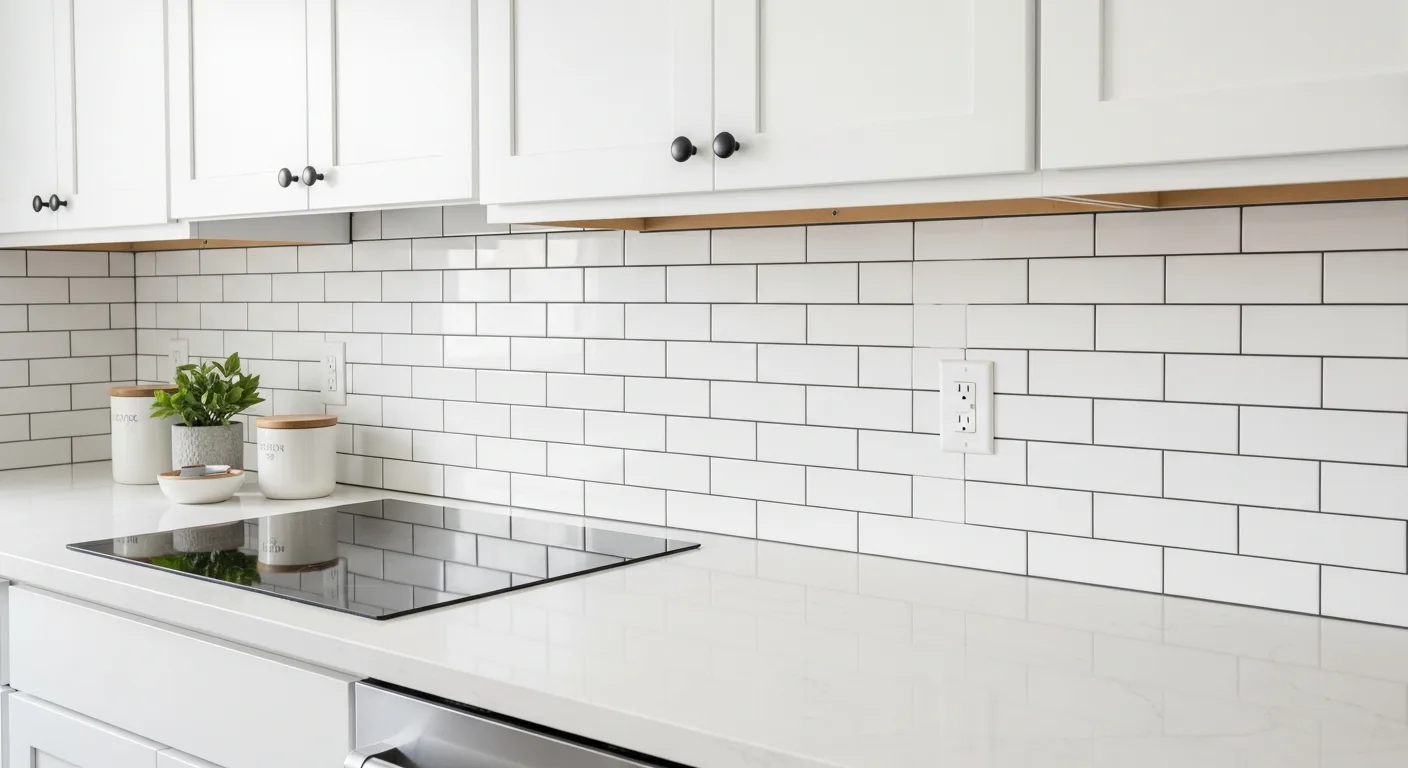
Can You Install a Backsplash Directly on Drywall?
In most kitchens, yes — standard tile goes right over sound drywall. The answer changes when the wall is painted glossy, damaged, or you have picked a heavy natural stone. Here is how to tell which situation you are in.
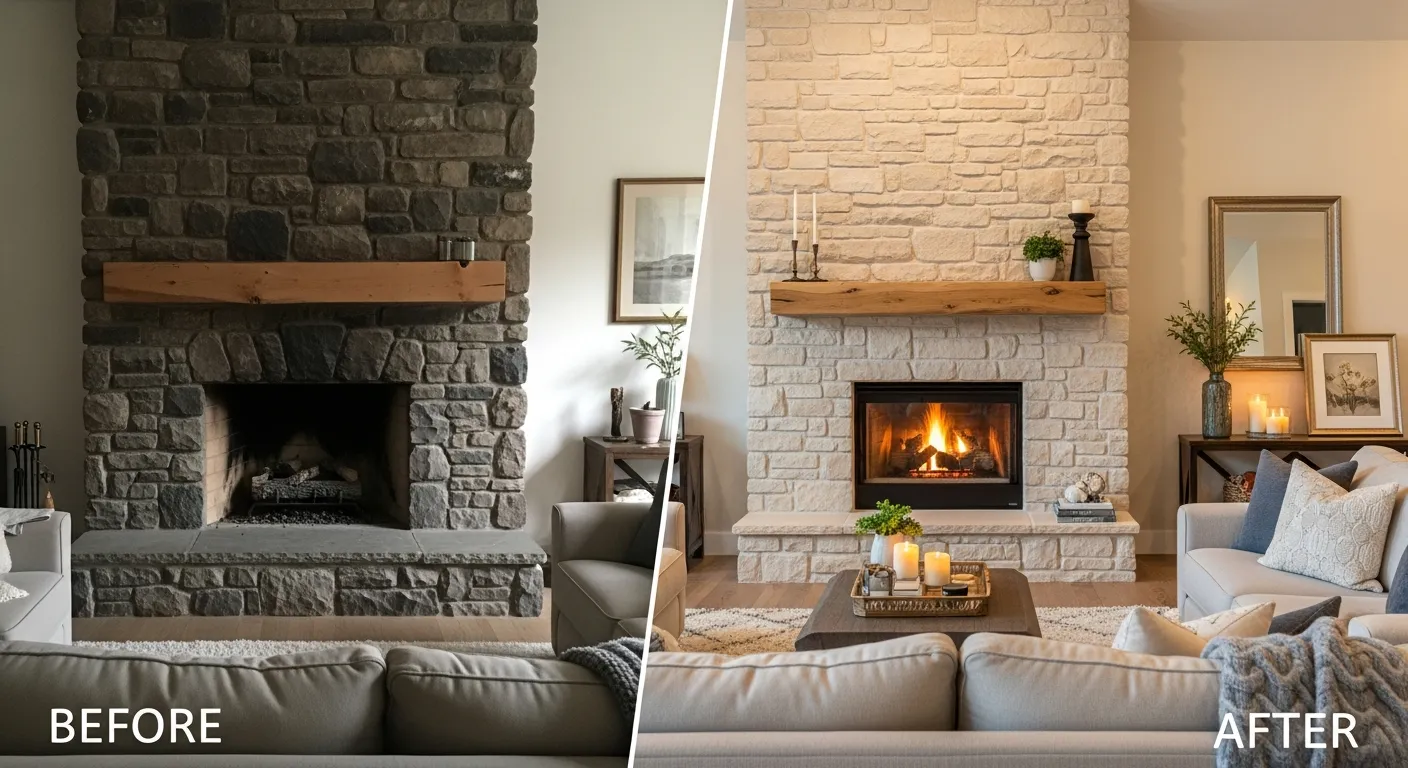
Fireplace Remodel in Michigan: Options and What to Expect
From a simple mantel update to a full stone surround transformation, here is what goes into a fireplace remodel in West Michigan.
Fireplace Resurfacing: Materials, Process, and What to Expect
Thinking about resurfacing your fireplace? Here is a straightforward look at the material options and process for West Michigan homeowners.
Tile Contractor Services Across West Michigan
Adam Baker Masonry serves homeowners throughout the Grand Rapids area and West Michigan. Select your city for local tile installation details.