
Interior Brick Wall Installation: What Grand Rapids Homeowners Need to Know
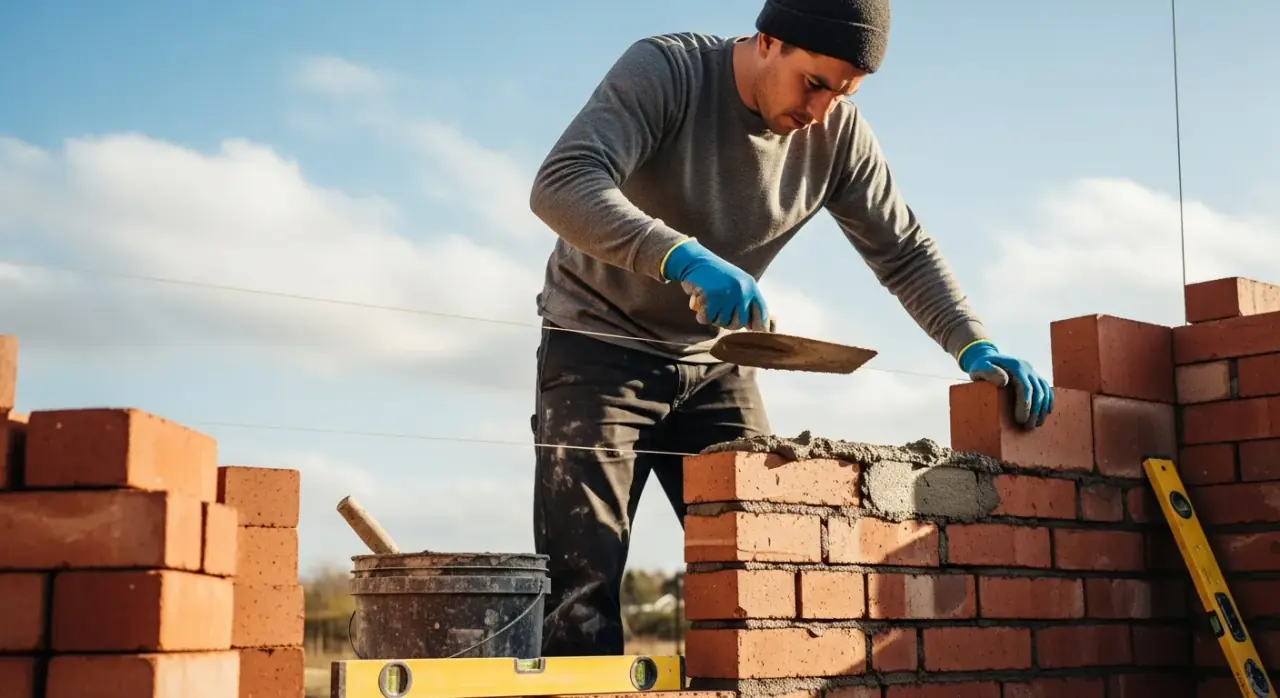
Interior brick walls should be cleaned with a stiff brush and a mild masonry-safe cleaner — not acidic or abrasive products that damage the surface. Whether to seal depends on the wall's condition and location. Exposed brick in living rooms generally benefits from a breathable penetrating sealer. Brick in high-moisture areas needs both sealing and monitoring for any moisture intrusion at the mortar joints.
How do you clean an interior brick wall?
Start with dry cleaning — a stiff natural-bristle brush removes loose dust, mortar crumbs, and surface debris without wetting the brick. For deeper cleaning, use a mild dish soap solution and a scrub brush, then rinse with a damp cloth. Avoid pressure washing interior brick — it introduces too much moisture into the wall assembly. Avoid acidic cleaners like muriatic acid on interior walls; they work on exterior masonry applications but are too aggressive for living spaces and can discolor mortar.
Should interior brick walls be sealed?
Sealing interior brick is a good idea in most cases. A penetrating masonry sealer reduces dust shedding from older brick, prevents surface staining from moisture migration, and makes the wall easier to wipe clean. The key is choosing a breathable, vapor-permeable sealer that allows the wall to release any moisture rather than trapping it behind a film. Film-forming sealers meant for concrete are not appropriate for interior brick because they can trap moisture and cause spalling. We recommend penetrating sealers that preserve the natural look of the brick while providing protection.
Can you restore old or damaged interior brick?
Yes — most damage that interior brick walls show is at the mortar joints, not the brick face itself. Tuckpointing replaces deteriorated mortar with fresh mortar matched to the existing joint profile and color. This restores the wall's structural integrity and its appearance without disturbing the original brick. In Grand Rapids and throughout West Michigan, we work on historic homes with original brick that is decades old, cleaning, repointing, and sealing to bring the wall back to its original quality.
What causes interior brick to crack, spall, or deteriorate?
The most common cause of interior brick deterioration is moisture. Water that enters through gaps in the mortar joints, through the roof, or through poor flashing eventually works its way into the wall assembly. In Michigan, freeze-thaw cycles accelerate this process for any brick exposed to exterior moisture — even a small amount of water trapped in a joint expands as it freezes and forces the mortar apart over time. When brick faces have already spalled, brick restoration may be needed before repointing. Interior brick walls in heated living spaces are less vulnerable, but any wall with a moisture source nearby — a leaking window, a humid basement — can show deterioration at the mortar joints first.
How long does tuckpointing last on interior brick walls?
Tuckpointing on interior brick walls, done with the correct mortar type and application, lasts for many decades. Interior walls are not exposed to the freeze-thaw cycle that accelerates mortar deterioration on exterior applications, so properly repointed interior brick can remain stable for the life of the building. The key is using a mortar that matches the flexibility and hardness of the original — mortar that is too hard relative to the brick causes the brick to crack rather than the joint when movement occurs.
Contact Adam Baker Masonry at (616) 612-1284 to have your interior brick wall assessed, cleaned, repointed, or sealed — or to plan a new interior brick accent wall. We serve homeowners throughout Grand Rapids, East Grand Rapids, Ada, Rockford, Holland, and Cascade.
Frequently Asked Questions
How do you clean an interior brick wall?
Clean interior brick with a stiff natural-bristle brush for dry debris, then a mild soap-and-water solution for deeper cleaning. Rinse with a damp cloth. Avoid acidic cleaners and pressure washing — both introduce damage or excessive moisture into the wall. Seal afterward with a breathable penetrating masonry sealer to reduce ongoing dust shedding.
Should interior brick walls be sealed?
Yes, in most cases. A breathable penetrating sealer reduces dust shedding, protects against surface staining, and makes the wall easier to clean. The sealer must be vapor-permeable — film-forming sealers trap moisture behind the surface and can cause spalling over time. We recommend penetrating sealers that protect without altering the natural appearance of the brick.
How do you know if interior brick needs tuckpointing?
Look at the mortar joints. If the mortar is crumbling, recessed more than a quarter inch from the brick face, soft to a probing tool, or showing cracks or gaps, tuckpointing is needed. Crumbling mortar allows moisture and air infiltration and should be addressed before the damage extends to the brick face itself.
Can you paint interior brick, and is it a good idea?
You can paint interior brick, but it is very difficult to reverse and many masonry professionals advise against it. Paint traps moisture in the wall, requires stripping to restore the natural brick look, and tends to peel on masonry surfaces over time. Cleaning, repointing, and sealing with a clear breathable sealer is almost always a better long-term choice.
Is interior brick structural or decorative in most West Michigan homes?
In older Grand Rapids homes, exposed interior brick is often structural — part of an exterior wall or a load-bearing chimney. In newer construction and renovations, interior brick is typically applied as a veneer over another structural substrate. Before any work on an interior brick wall, we assess whether the brick is structural or decorative so the repair approach is appropriate.
Need Professional Help?
If you've identified masonry issues or need a professional inspection, we're here to help. Adam Baker Masonry serves Grand Rapids and the surrounding 50-mile area.
Related Articles
Can You Install a Backsplash Directly on Drywall?
In most kitchens, yes — standard tile goes right over sound drywall. The answer changes when the wall is painted glossy, damaged, or you have picked a heavy natural stone. Here is how to tell which situation you are in.
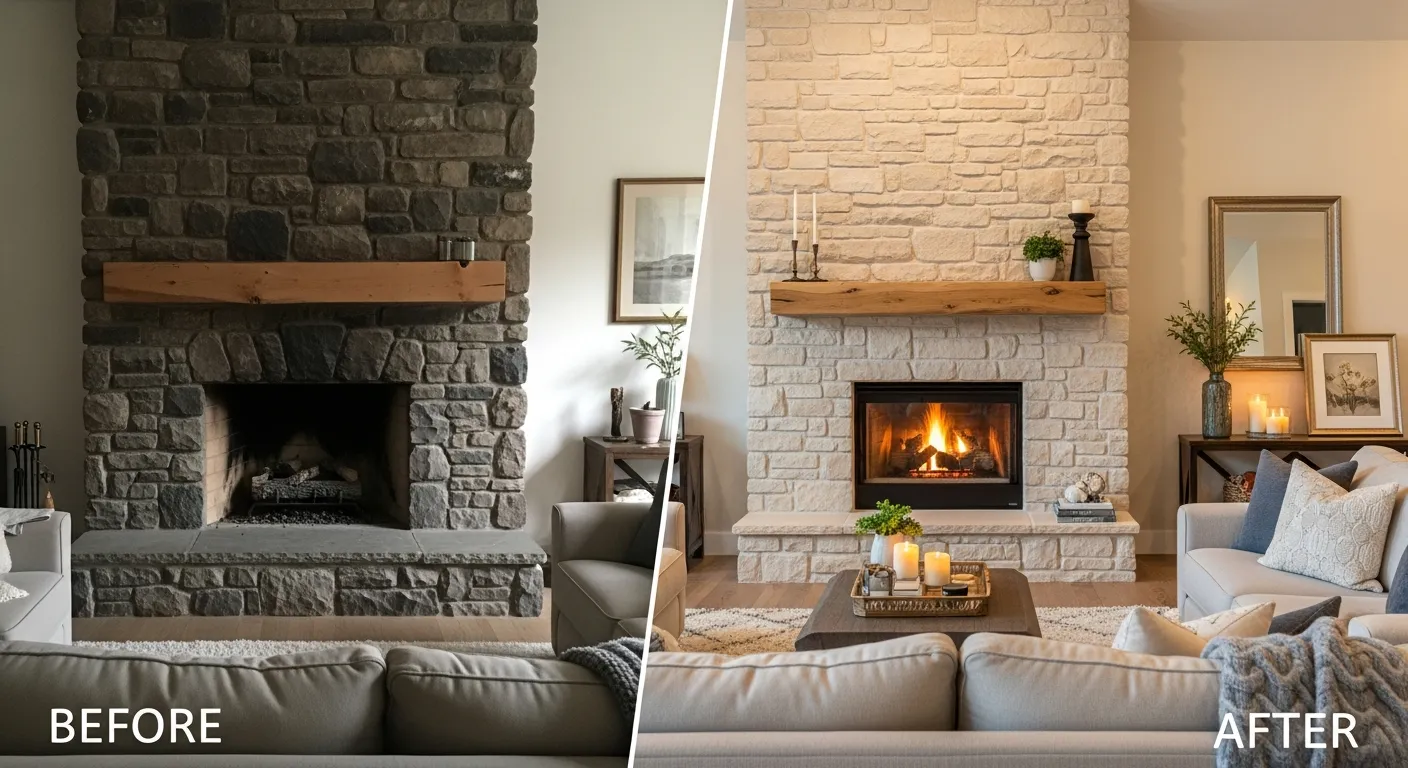
Fireplace Remodel in Michigan: Options and What to Expect
From a simple mantel update to a full stone surround transformation, here is what goes into a fireplace remodel in West Michigan.
Fireplace Resurfacing: Materials, Process, and What to Expect
Thinking about resurfacing your fireplace? Here is a straightforward look at the material options and process for West Michigan homeowners.