
Why Is My Brick Flaking and Peeling Off?
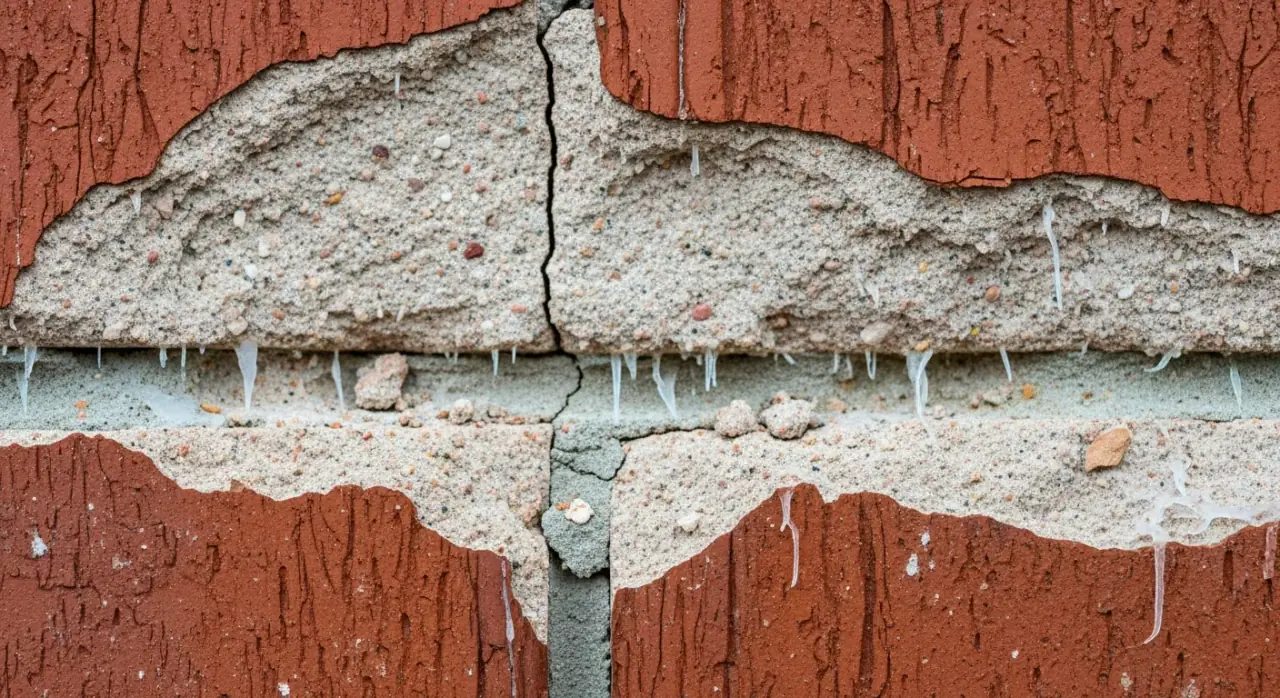
What is spalling brick?
Spalling is when the outer surface of brick crumbles, flakes, or pops off entirely. It's especially common in Michigan due to our extreme freeze-thaw cycles.
What Causes Spalling?
The primary cause is moisture infiltration. When water gets into brick and freezes, it expands by about 9%. This expansion creates internal pressure that literally pushes the brick face off.
Are Older Homes More at Risk?
Older homes are particularly vulnerable. Bricks made before the 1920s are often softer and more porous than modern bricks. They absorb more water and are more susceptible to freeze damage — historic restoration with lime mortar is often the right approach on pre-war homes.
Can the wrong mortar make spalling worse?
Another common cause is using the wrong type of mortar during repairs. Hard modern cement mortars can actually damage soft historic bricks. The mortar should always be softer than the brick — see our mortar repair services for color-matched repointing.
Power washing is a frequent culprit too. High-pressure water can force moisture deep into brick and damage the protective outer layer. If you must clean brick, use low pressure and proper techniques — or hire a mason for professional masonry cleaning that won't erode mortar joints or brick faces.
Waterproof sealers can sometimes make things worse. If a sealer traps moisture inside the brick, freeze-thaw damage accelerates. Only breathable, vapor-permeable sealers should be used on masonry.
Can Spalled Brick Be Repaired?
Minor spalling affecting a few bricks can often be addressed by replacing just the damaged units. A skilled masonry contractor can match replacement bricks to your existing wall — see our brick restoration services for spalling and freeze-thaw repair.
Widespread spalling across large sections may indicate a systemic moisture problem. The underlying cause must be addressed, or new bricks will eventually fail too.
Why does early action matter?
If you catch spalling early, you have more repair options. Once bricks have lost their face, they become even more vulnerable to moisture and deteriorate faster.
Annual inspections help catch spalling before it spreads. Look for any areas where brick faces appear to be lifting, cracking, or crumbling away.
Frequently Asked Questions
What is brick spalling?
Spalling is when the outer surface of brick crumbles, flakes, or pops off entirely. It is especially common in Michigan due to extreme freeze-thaw cycles.
Can spalled bricks be replaced individually?
Yes. Minor spalling affecting a few bricks can often be addressed by replacing just the damaged units. A skilled mason can match replacement bricks to your existing wall.
Should I seal my brick to prevent spalling?
Only breathable, vapor-permeable sealers should be used on masonry. Film-forming sealers can trap moisture inside the brick and accelerate freeze-thaw damage.
Need Professional Help?
If you've identified masonry issues or need a professional inspection, we're here to help. Adam Baker Masonry serves Grand Rapids and the surrounding 50-mile area.
Related Articles
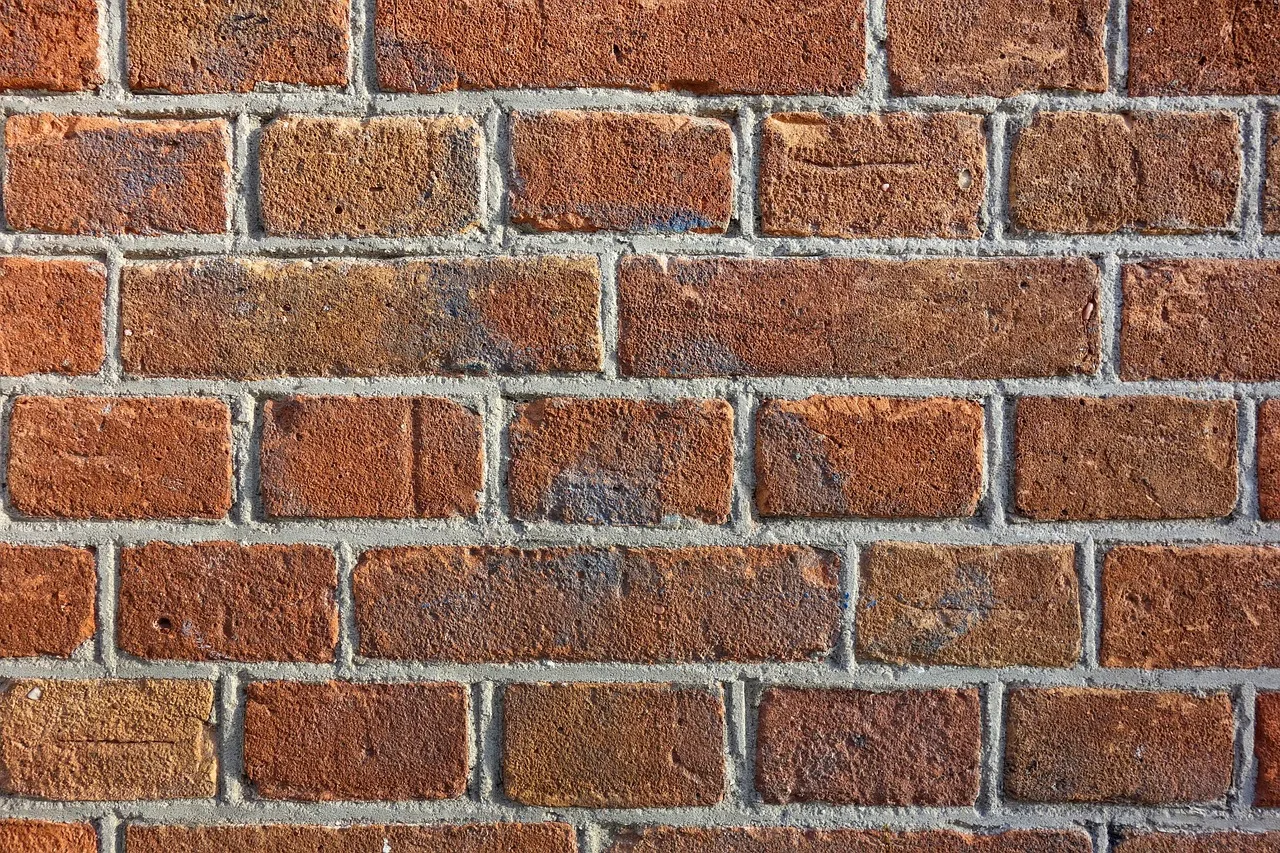
Why Is My Brick Wall Cracking? When to Worry
Not all brick cracks are equal. Some are cosmetic, others indicate serious structural problems. Learn how to read crack patterns and know when to call a professional.
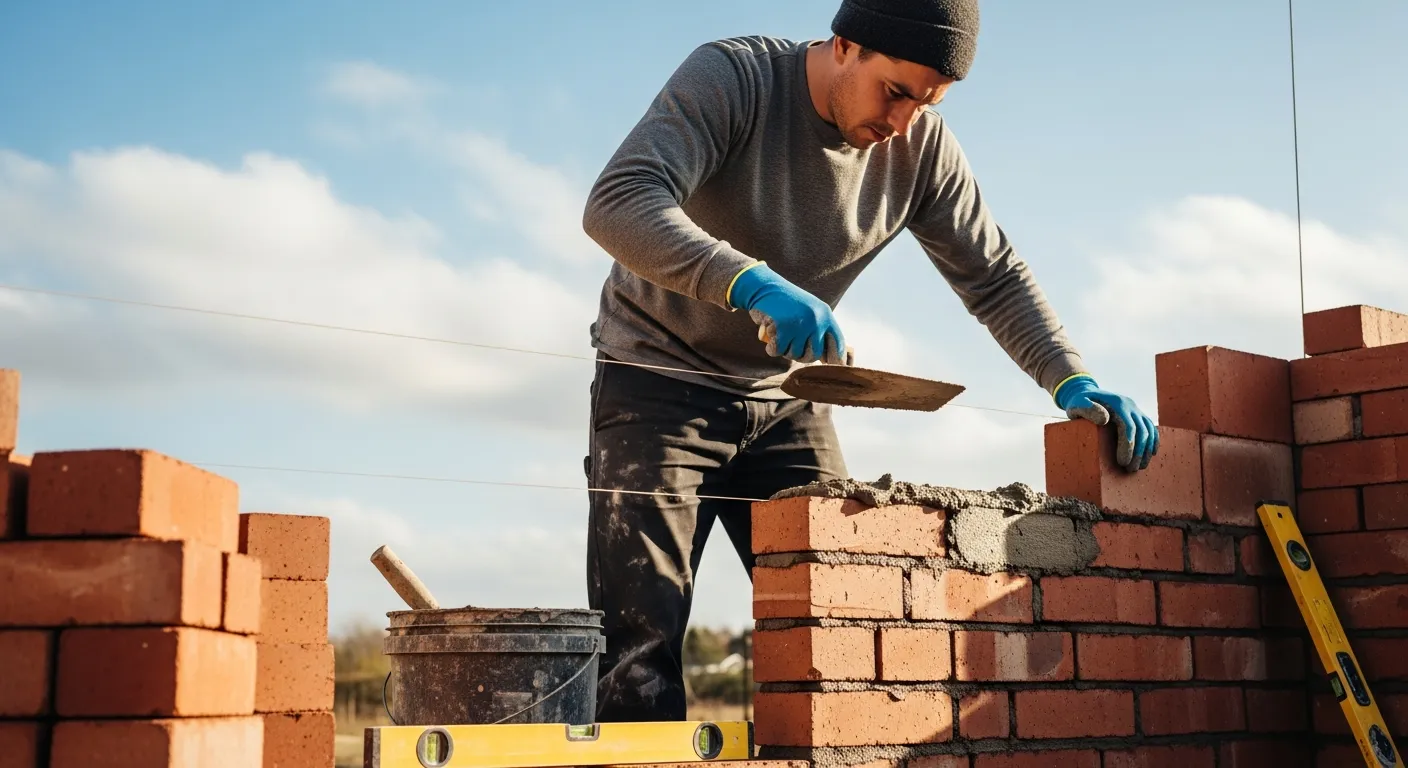
Can I DIY Masonry Repairs or Should I Hire a Pro?
Some masonry repairs are DIY-friendly while others definitely require professional expertise. Here's how to know which is which—and when to call for help.
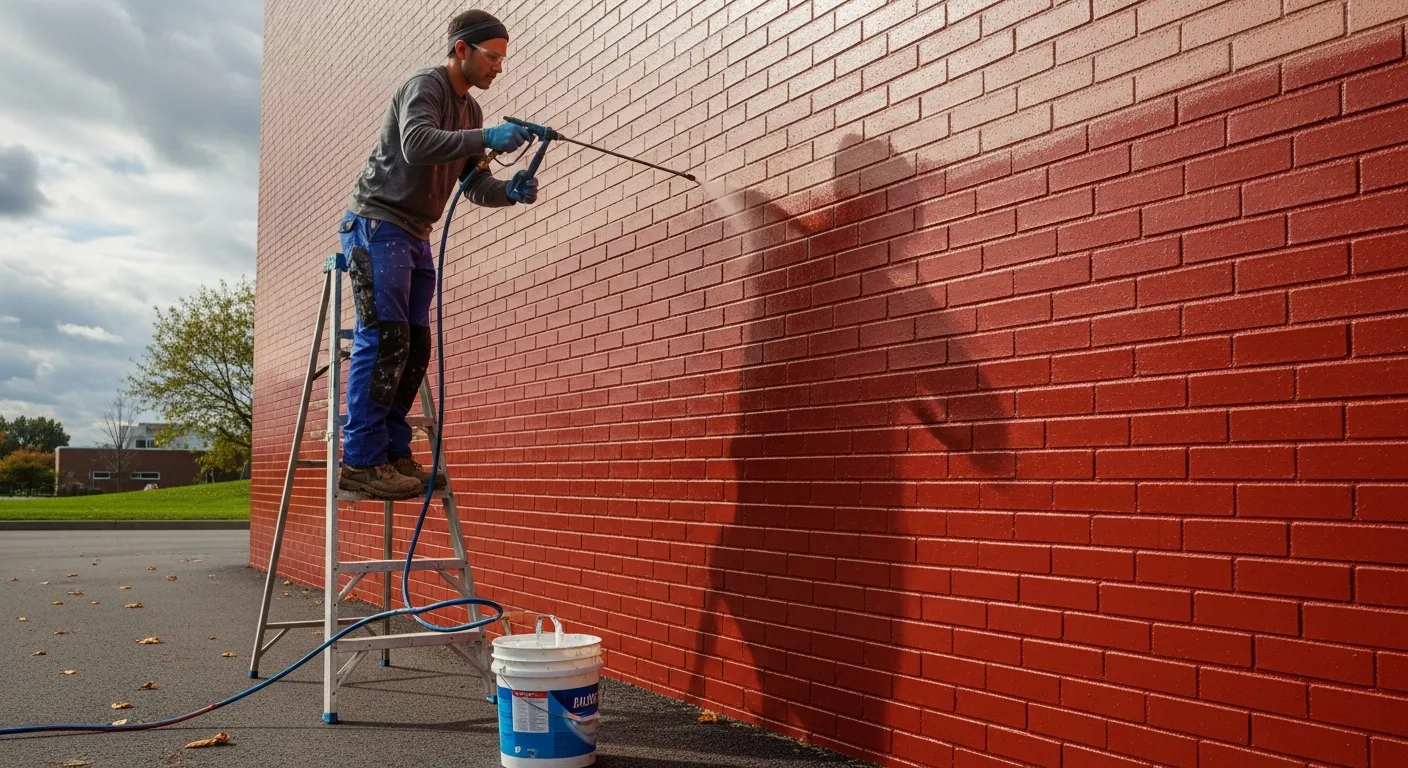
Should I Seal My Brick? The Surprising Answer
Many homeowners think sealing brick is good maintenance—but the wrong sealer can actually cause serious damage. Here's what you need to know before applying any products.