
Can I DIY Masonry Repairs or Should I Hire a Pro?
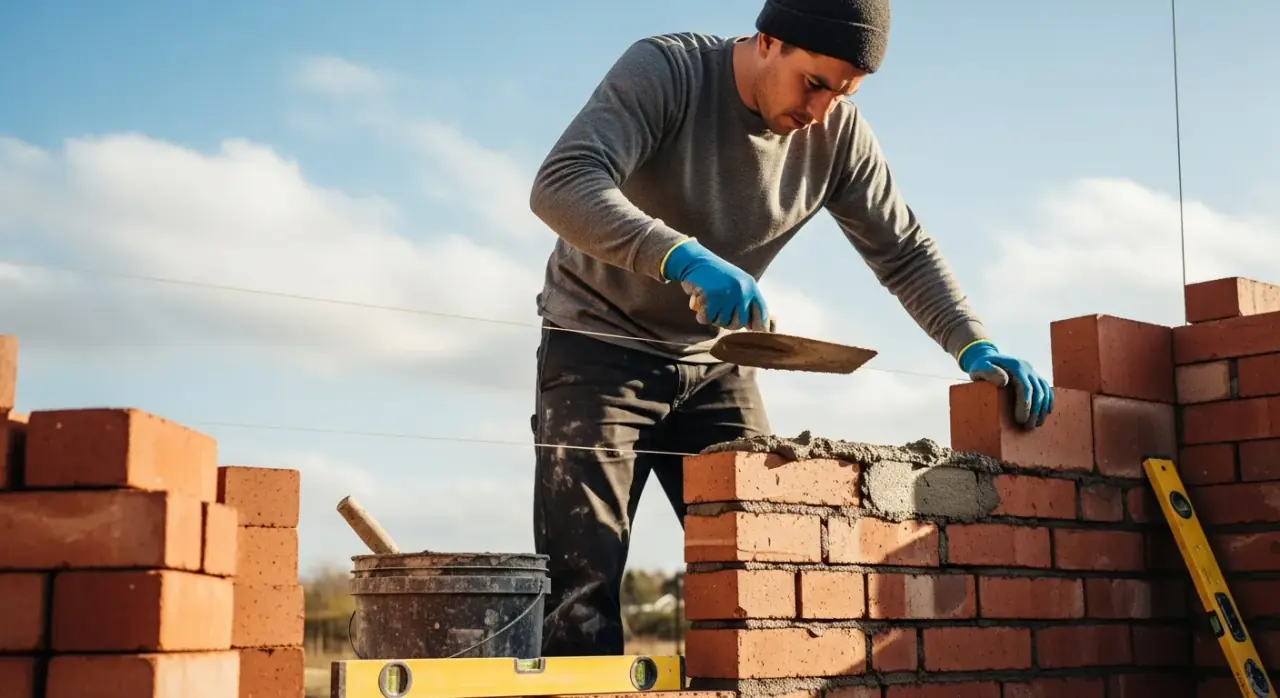
Can I really DIY masonry repairs?
The honest answer: some masonry repairs are reasonable DIY projects, while others should only be done by professionals. Knowing the difference prevents problems down the road.
Which masonry repairs are safe to DIY?
Good DIY candidates include small mortar repairs in accessible areas (less than 10 square feet), replacing a single damaged brick, applying masonry sealers, and cleaning efflorescence from brick surfaces.
Which repairs should always go to a pro?
Leave these to professionals: any work requiring scaffolding or roof access, chimney repairs, foundation work, large-scale repointing, structural crack repairs, and historic mortar matching.
Which Repairs Are DIY-Friendly?
Good DIY candidates include small mortar repairs in accessible areas (less than 10 square feet), replacing a single damaged brick, applying masonry sealers, and cleaning efflorescence from brick surfaces.
When Should I Hire a Professional?
Leave these to professionals: any work requiring scaffolding or roof access, chimney repairs, foundation work, large-scale repointing, structural crack repairs, and historic mortar matching.
What Are the Most Common DIY Mistakes?
The biggest DIY mistake we see? Using the wrong mortar. Modern pre-mixed mortars from hardware stores are often too hard for older brick. They can cause the brick itself to crack and spall.
Another common error: not removing enough old mortar. Many DIYers just skim new mortar over old, creating a repair that fails within a year or two. Proper repointing requires removing old mortar to roughly twice the joint width.
Safety is a real concern with masonry work. Falling from ladders is one of the most common home improvement injuries. Chimneys and upper-story walls require proper fall protection.
When should I call a professional?
If you attempt a DIY repair and it doesn't look right or doesn't hold, call a professional sooner rather than later. Covering up a failed repair makes the next fix more difficult.
Professional masons have specialized tools that make the job faster and more precise: angle grinders for mortar removal, proper pointing trowels, and experience reading mortar conditions.
When in doubt, get a professional assessment first. Many masonry contractors offer free inspections. We can tell you what you're dealing with and whether it's a reasonable DIY project. For interior masonry upgrades like stone accent walls, brick feature walls, or stone flooring, professional installation is always recommended to ensure proper adhesion and lasting results.
Frequently Asked Questions
Can I repair brick mortar myself?
Small mortar repairs in accessible areas under about 10 square feet are reasonable for an experienced DIYer. Just be sure to remove the old mortar to roughly twice the joint width and use a mortar that's softer than your brick — the wrong mix can do more damage than the original problem.
When should I hire a professional mason instead?
Anything involving ladders, roof access, chimneys, foundations, large-scale repointing, structural cracks, or historic mortar matching should go to a professional. Safety and long-term durability are the main reasons.
What's the most common DIY masonry mistake?
Using the wrong mortar. Pre-mixed mortars from the hardware store are often much harder than older brick, which can cause the brick itself to crack and spall over time.
Will a professional inspection cost me anything?
Many masonry contractors, including us, offer free inspections. It's a low-risk way to find out whether your project is a reasonable DIY job or something that needs a pro.
What masonry repairs are safe to DIY?
Good DIY candidates include small mortar repairs in accessible areas under 10 square feet, replacing a single damaged brick, applying masonry sealers, and cleaning efflorescence from brick surfaces.
What's the biggest DIY mortar mistake?
Using the wrong mortar. Modern pre-mixed mortars from hardware stores are often too hard for older brick and can cause the brick itself to crack and spall. The mortar should always be softer than the brick.
When should I call a professional instead?
Leave these to professionals: any work requiring scaffolding or roof access, chimney repairs, foundation work, large-scale repointing, structural crack repairs, and historic mortar matching.
Need Professional Help?
If you've identified masonry issues or need a professional inspection, we're here to help. Adam Baker Masonry serves Grand Rapids and the surrounding 50-mile area.
Related Articles
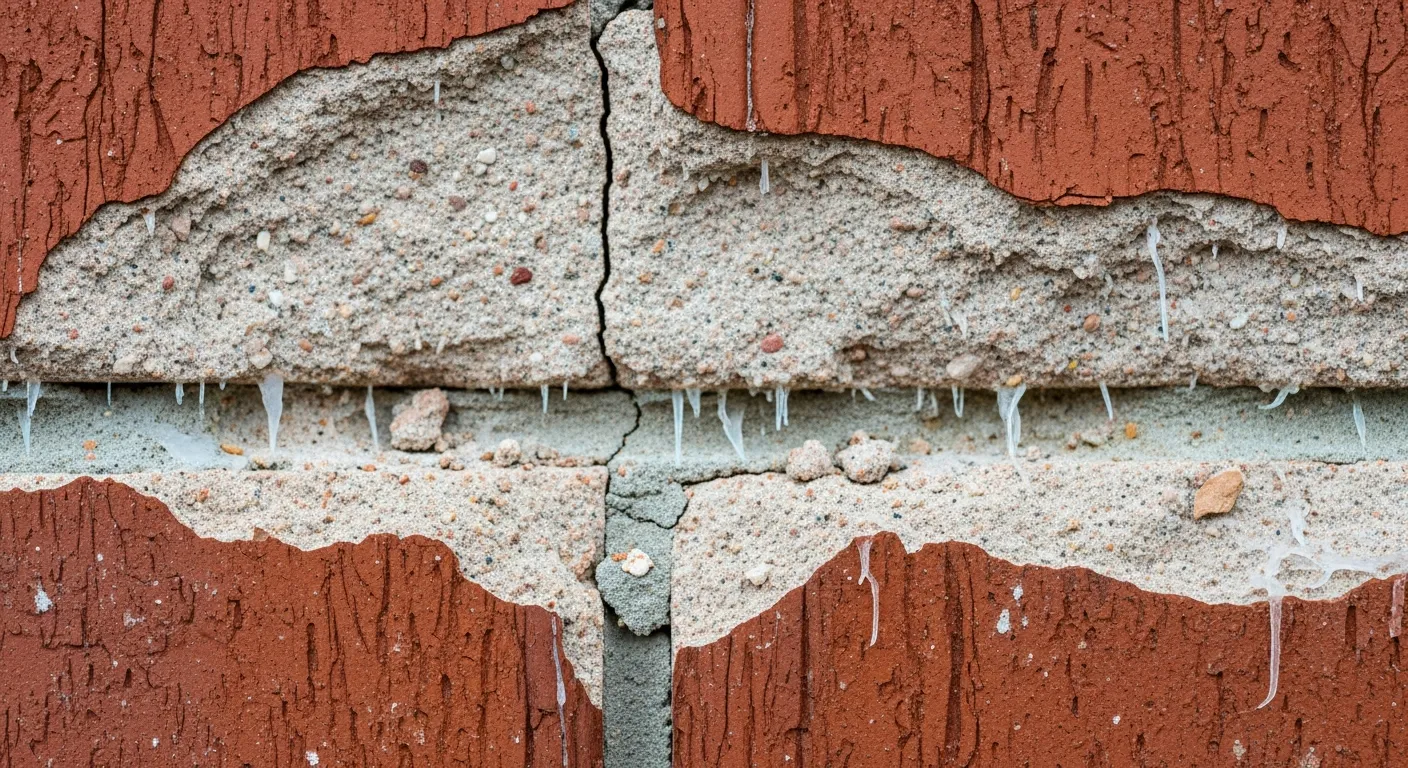
Why Is My Brick Flaking and Peeling Off?
Spalling—when the face of brick flakes away—is one of the most common masonry problems in Michigan. Learn what causes it and whether your bricks can be saved.
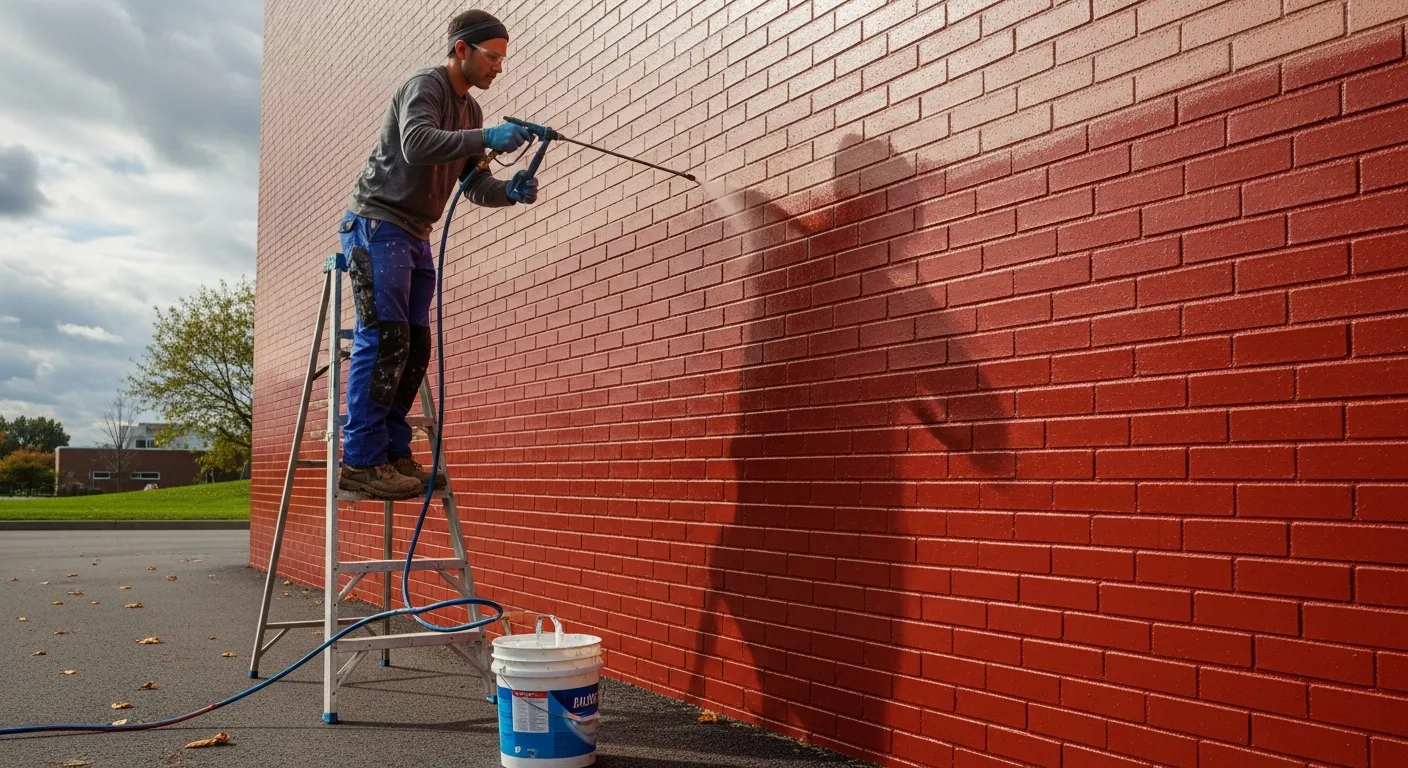
Should I Seal My Brick? The Surprising Answer
Many homeowners think sealing brick is good maintenance—but the wrong sealer can actually cause serious damage. Here's what you need to know before applying any products.
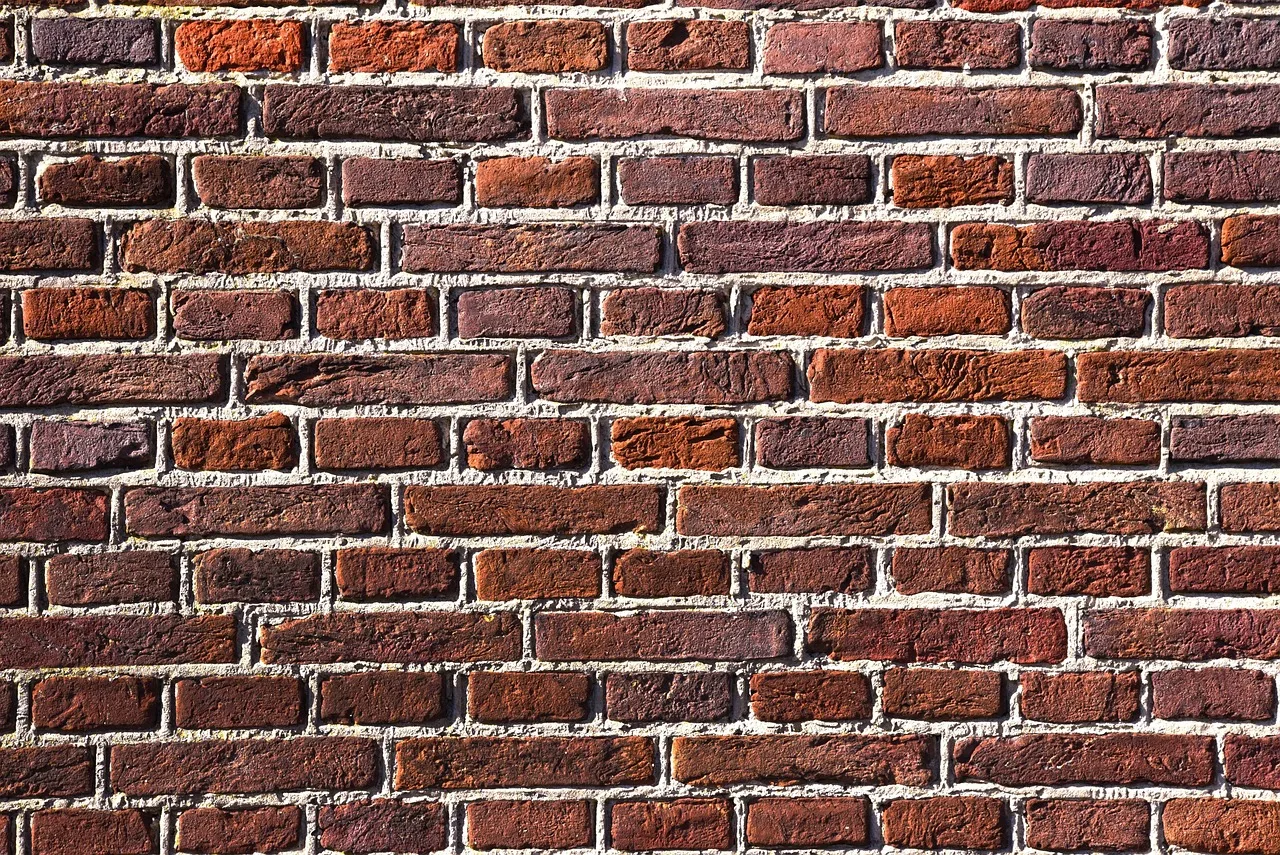
Which Brick Should I Use? A Guide to Michigan Brick Types
From historic red clay to modern manufactured options, learn about the brick types used in West Michigan homes and how to match existing masonry for repairs.