
Porch & Steps: Repair vs. Replacement—Making the Right Choice
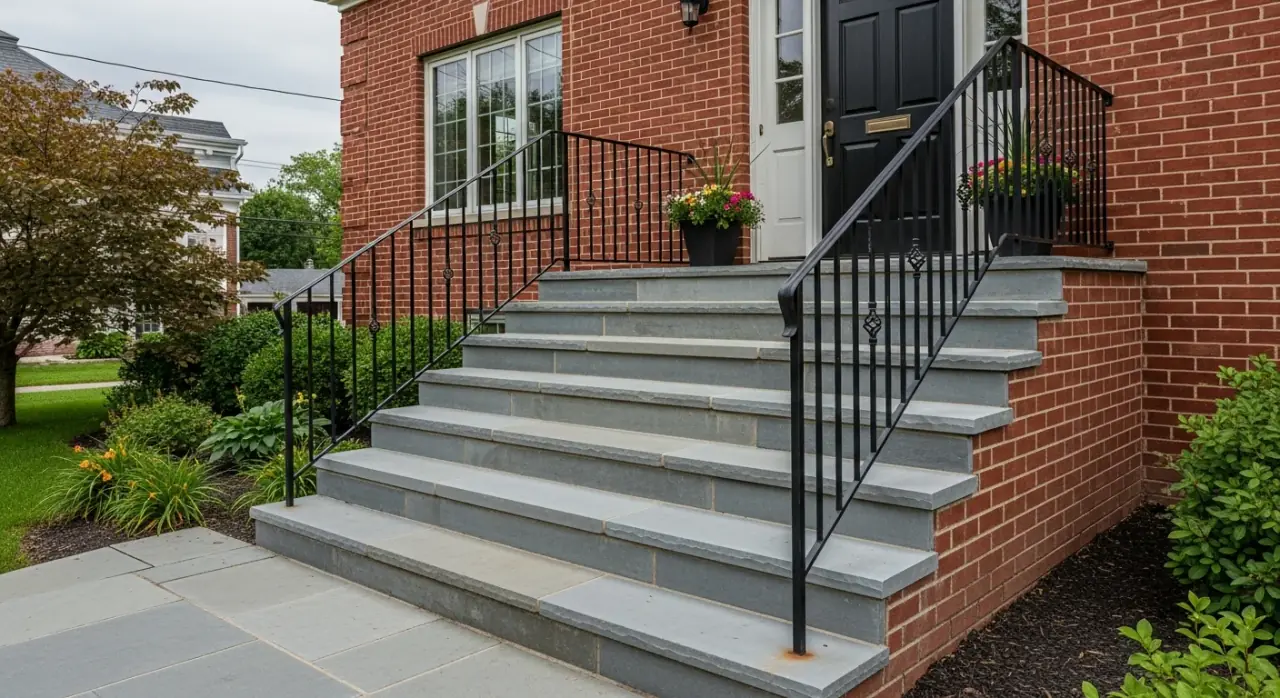
Should I repair or replace my porch steps?
Your front porch and steps make a strong first impression—and they need to be safe. Michigan's freeze-thaw cycles are particularly hard on porch masonry, causing cracks, spalling, and shifting.
When is safety the deciding factor?
Safety is the first consideration. Loose steps, crumbling edges, or uneven surfaces create trip hazards. If your steps feel unstable or have significant damage, address them promptly.
When does porch repair make sense?
Minor repairs make sense when damage is cosmetic or limited to surface areas. Tuckpointing mortar joints, replacing individual damaged bricks, or resurfacing steps can extend life significantly.
When should you replace porch steps entirely?
Full replacement is better when the underlying structure is compromised. Signs include: steps separating from the house, significant settling or tilting, widespread cracking through the structure, or previous repairs that have failed. Steps pulling away from the house may also signal a foundation issue worth inspecting before rebuilding.
The scope of a porch repair depends on what is wrong. Minor tuckpointing and surface repairs are straightforward. Rebuilding an entire set of steps is a larger project that involves footings, drainage, and material selection.
When Does Repair Make Sense?
Minor repairs make sense when damage is cosmetic or limited to surface areas. Tuckpointing mortar joints, replacing individual damaged bricks, or resurfacing steps can extend life significantly.
When Is Replacement the Better Choice?
Full replacement is better when the underlying structure is compromised. Signs include: steps separating from the house, significant settling or tilting, widespread cracking through the structure, or previous repairs that have failed. Steps pulling away from the house may also signal a foundation issue worth inspecting before rebuilding.
The scope of a porch repair depends on what is wrong. Minor tuckpointing and surface repairs are straightforward. Rebuilding an entire set of steps is a larger project that involves footings, drainage, and material selection.
What Material Options Do I Have?
Material choices for replacement include poured concrete, concrete block with veneer, natural stone, or brick. Each has different durability characteristics and aesthetic appeal.
Why are footings and drainage so critical?
Proper footings are essential. Michigan's frost depth means step foundations must extend below the local frost line to prevent heaving. Shallow footings are a common failure point.
Drainage matters more than most people realize. Water pooling on or around steps accelerates deterioration. Proper slope and drainage should be part of any porch project.
Railings are typically required by code once steps reach a certain height. If you're replacing steps, plan for code-compliant railings as part of the project.
A well-built porch and steps enhance curb appeal and home value. Contact us for a free porch and steps assessment.
Frequently Asked Questions
When should I repair vs. replace my porch steps?
Minor tuckpointing and surface repairs work when damage is cosmetic or limited. Full replacement is better when the underlying structure is compromised, such as separation from the house, significant settling, widespread cracking, or failed previous repairs.
How deep do porch step footings need to be in Michigan?
Michigan's frost depth means step foundations must extend below the local frost line to prevent heaving. Shallow footings are a common failure point.
Are railings required on porch steps?
Railings are typically required by code once steps reach a certain height. If you're replacing steps, plan for code-compliant railings as part of the project.
Need Professional Help?
If you've identified masonry issues or need a professional inspection, we're here to help. Adam Baker Masonry serves Grand Rapids and the surrounding 50-mile area.
Related Articles
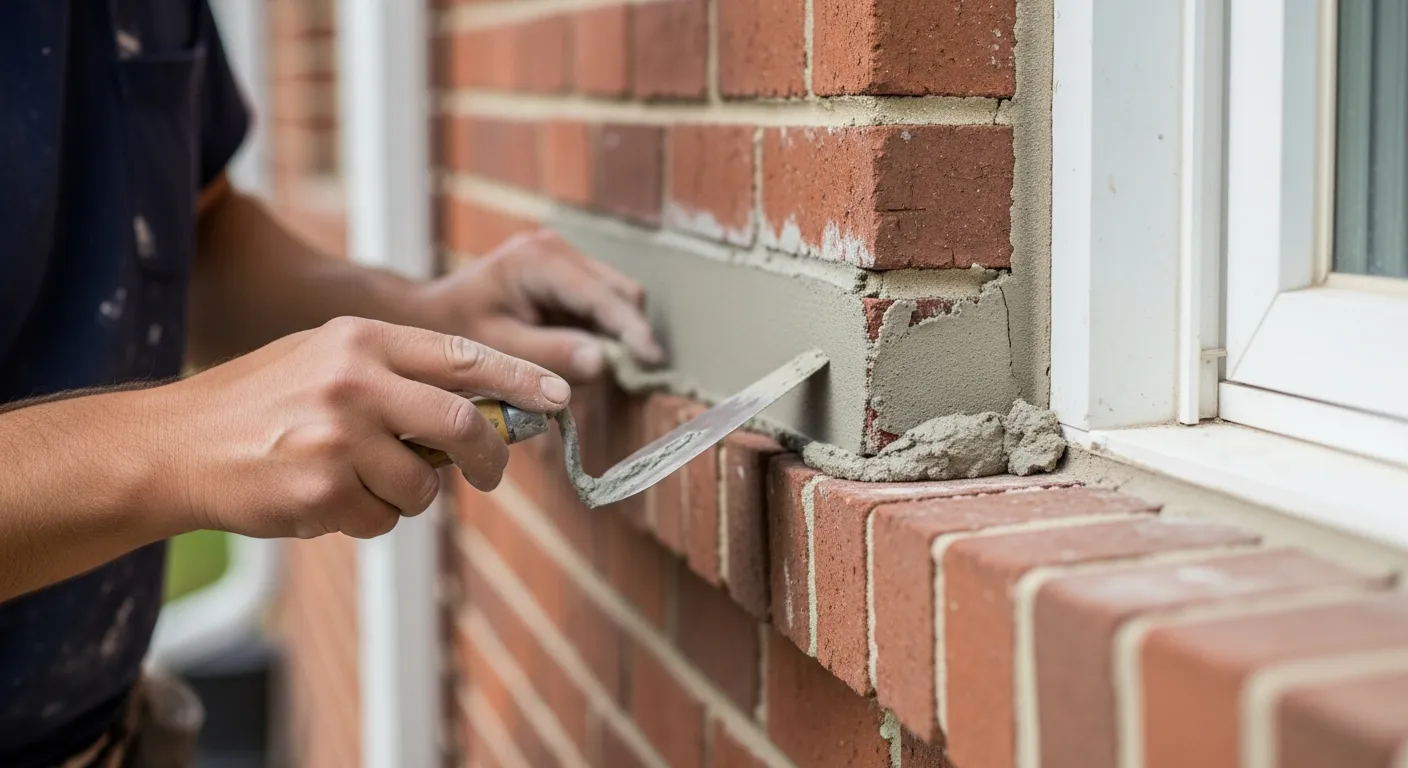
Tuckpointing in West Michigan: What to Expect
Tuckpointing depends on wall size, height, and mortar condition. Here is what shapes a tuckpointing project for homes and buildings in the Grand Rapids area.
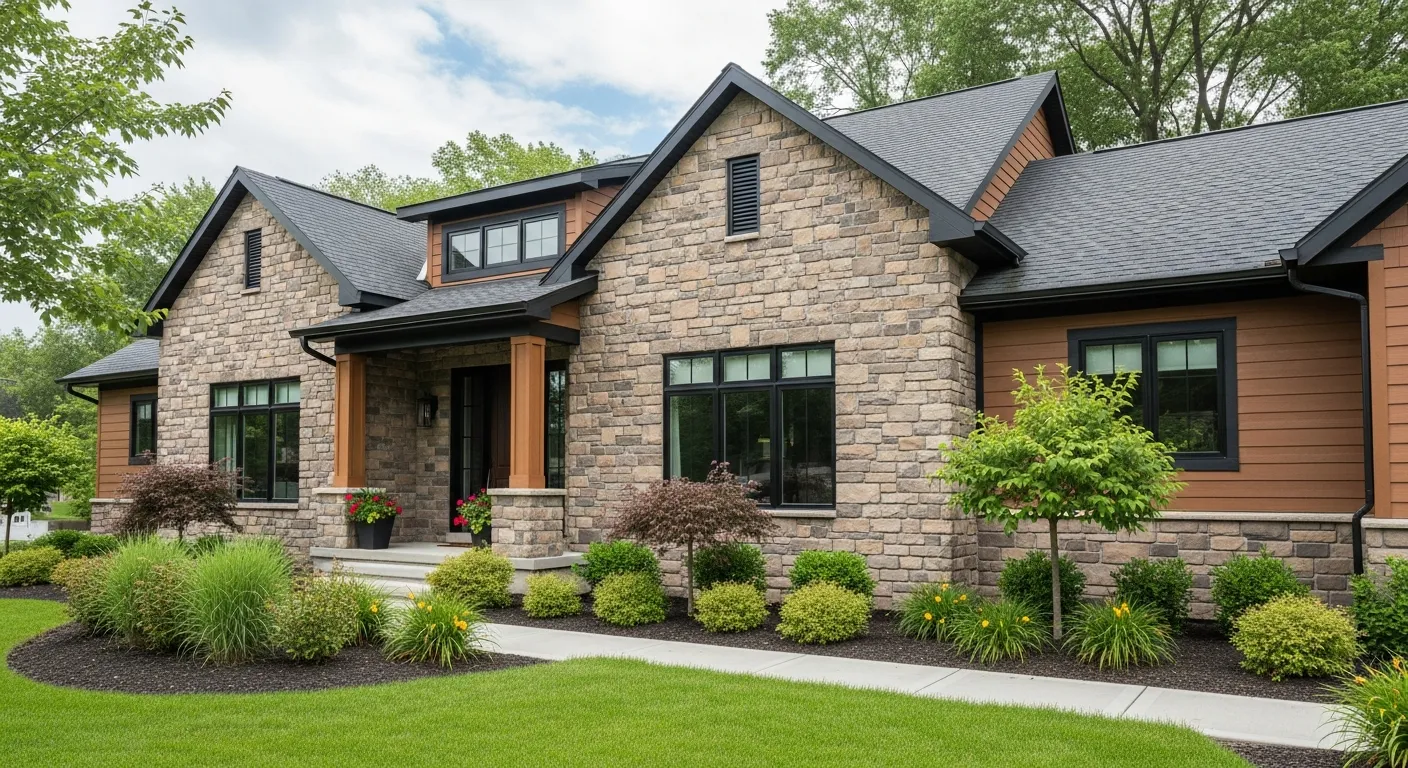
Stone Veneer Installation in Michigan: A Complete Guide
Manufactured or natural stone veneer? Here is what West Michigan homeowners need to know about materials, installation, and the factors that shape each project.
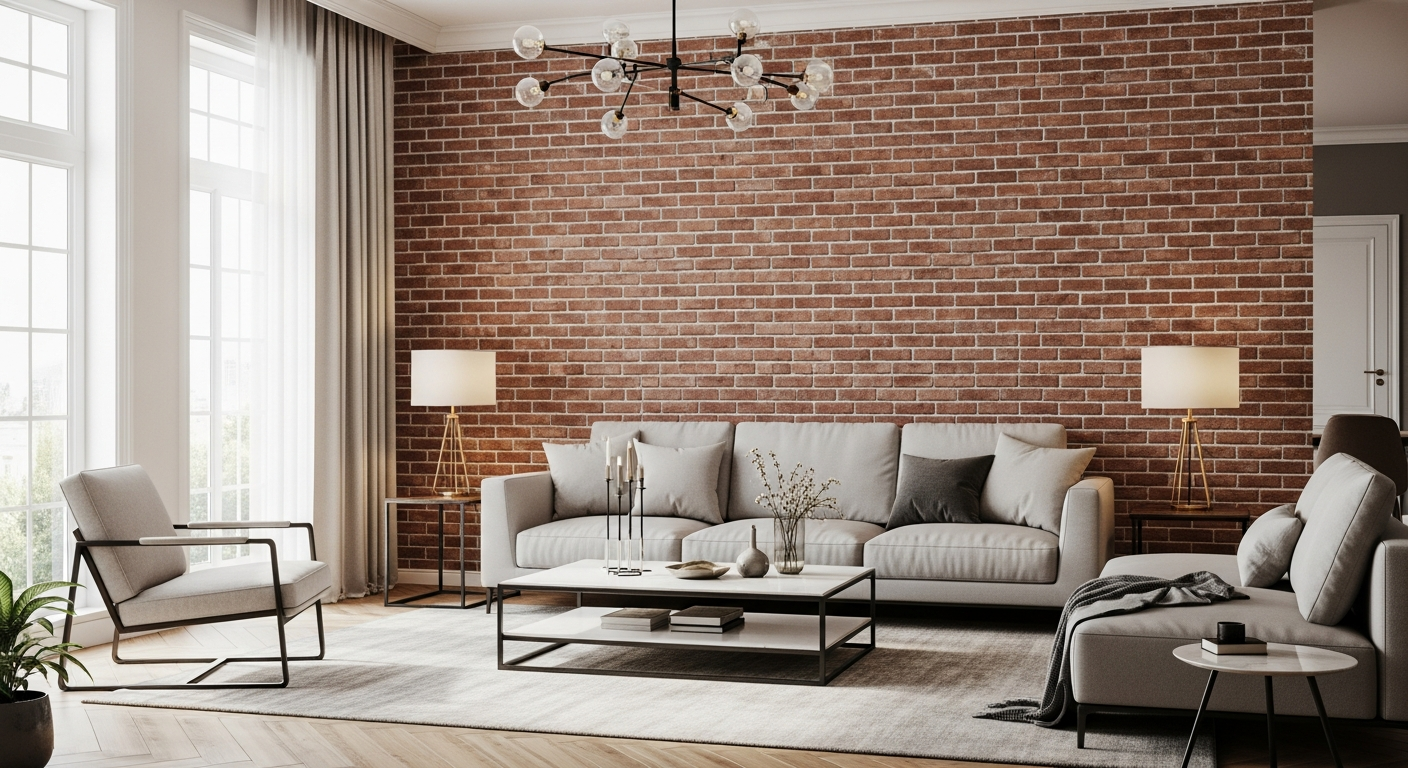
Thin Brick Accent Walls: Creating the Interior Brick Look in West Michigan Homes
A thin brick accent wall brings character and texture to living rooms, dining areas, and kitchens — without the weight or cost of full masonry. Here is what West Michigan homeowners should know about materials, process, and what to expect.