
Tuckpointing in West Michigan: What to Expect
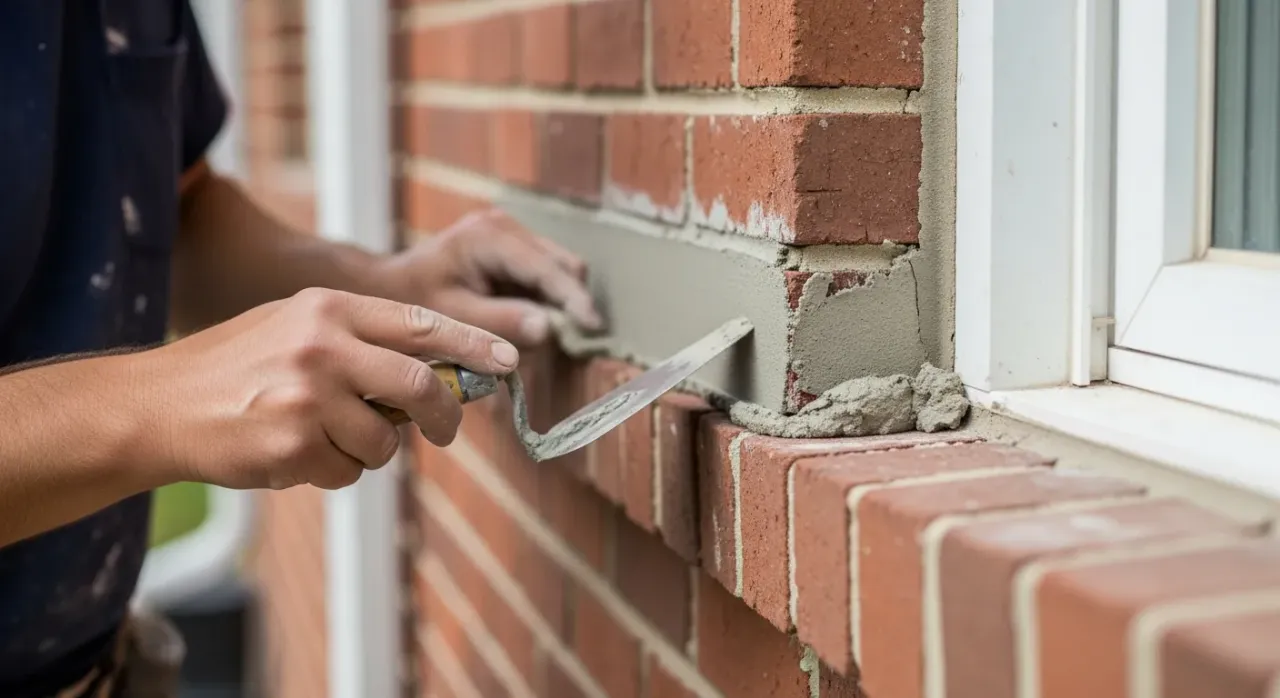
Why is every tuckpointing project different?
Every tuckpointing project is different. The scope depends on wall condition, height, accessibility, mortar type, and the extent of deterioration. A professional assessment is the best way to understand what your building needs. Contact us for a free on-site evaluation.
What is tuckpointing exactly?
Tuckpointing, also called repointing, is the process of removing deteriorated mortar from brick joints and replacing it with fresh mortar. It is the single most important maintenance task for any brick building. In West Michigan, our freeze-thaw climate makes tuckpointing a priority for preventing water damage, structural deterioration, and the need for brick replacement.
What affects the scope of a project?
The scope of a tuckpointing project depends on wall condition, height, and complexity. Walls under 8 feet with moderate mortar deterioration are simpler projects. Walls requiring scaffolding, extensive mortar removal, or work above 15 feet are more involved.
What Affects Tuckpointing Scope?
The scope of a tuckpointing project depends on wall condition, height, and complexity. Walls under 8 feet with moderate mortar deterioration are simpler projects. Walls requiring scaffolding, extensive mortar removal, or work above 15 feet are more involved.
Where Is Tuckpointing Most Common?
Chimney tuckpointing is the most common residential project we handle through our tuckpointing services. The scope depends on the chimney size, how much mortar has deteriorated, and whether scaffolding is needed.
Do I need to repoint the whole house at once?
Full house tuckpointing is a larger undertaking. Most homeowners do not need a full-house repoint all at once. Addressing the worst sections first and scheduling remaining work over a few years is a practical approach.
What about foundation and stone basement walls?
Foundation tuckpointing, including stone basement walls, is common in older Michigan homes. Homes with stone or rubble foundations often need 80 percent or more of their mortar joints repointed. This work stabilizes the foundation, reduces water infiltration, and prevents further stone movement. See our foundation repair services for more information.
What other factors shape the project?
Several factors shape a tuckpointing project. Wall height is the biggest variable because scaffolding adds complexity. Mortar condition matters because severely deteriorated joints require deeper grinding and more new mortar. Historic buildings requiring lime-based mortar matching need specialized materials and techniques. Our historic restoration services handle these projects regularly.
Is tuckpointing better than full brick replacement?
Tuckpointing versus full brick replacement is an important distinction. In most cases, tuckpointing catches mortar deterioration before the bricks themselves are damaged. This is why proactive maintenance through regular mortar repair prevents the need for more extensive work.
How long does tuckpointing last?
One common question is how long tuckpointing lasts. Properly done tuckpointing with quality materials lasts 25 to 30 years in Michigan's climate. Lower-quality work or improper mortar mix may only last 10 to 15 years. The longevity depends heavily on the skill of the mason and the quality of materials used.
How Do I Choose a Tuckpointing Contractor?
We recommend getting at least three estimates for any tuckpointing project. Be cautious of estimates that seem dramatically low, as this often indicates corners will be cut on mortar depth, joint preparation, or material quality. A thorough tuckpointing job requires removing deteriorated mortar to a depth of at least three-quarters of an inch before applying new mortar. Skimming new mortar over old deteriorated mortar is a common shortcut that fails within a few years.
Ready to protect your brick? Contact us for a free tuckpointing assessment. We will inspect your mortar joints, provide photos of any problem areas, and give you an honest assessment of what needs attention now versus what can wait.
Frequently Asked Questions
How long does quality tuckpointing last?
Properly done tuckpointing with quality materials lasts 25 to 30 years in Michigan's climate. Lower-quality work or improper mortar mix may only last 10 to 15 years.
How deep should mortar be removed before repointing?
A thorough tuckpointing job requires removing deteriorated mortar to a depth of at least three-quarters of an inch before applying new mortar. Skimming new mortar over old deteriorated mortar is a shortcut that fails within a few years.
Should I tuckpoint my whole house at once?
Most homeowners don't need a full-house repoint all at once. Addressing the worst sections first and scheduling remaining work over a few years is a practical approach.
Need Professional Help?
If you've identified masonry issues or need a professional inspection, we're here to help. Adam Baker Masonry serves Grand Rapids and the surrounding 50-mile area.
Related Articles
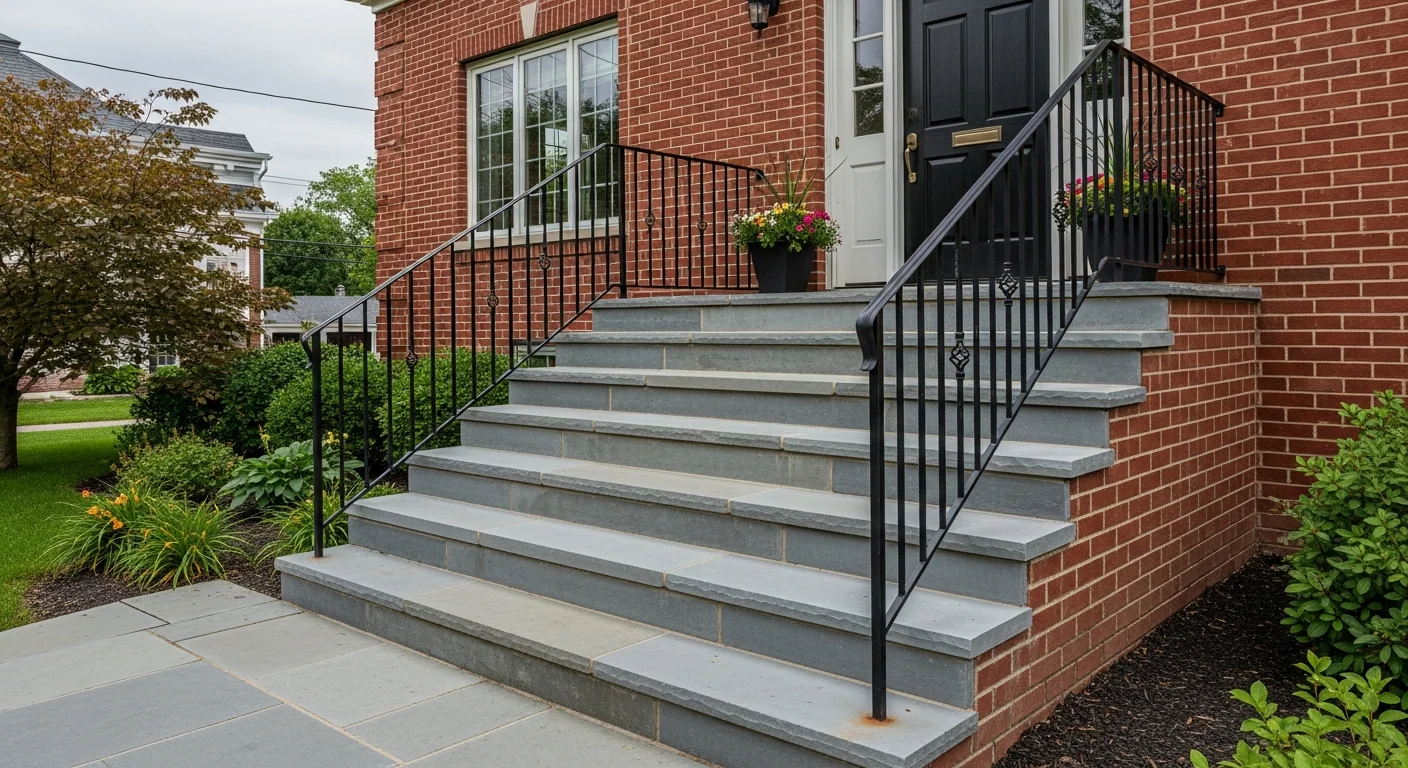
Porch & Steps: Repair vs. Replacement—Making the Right Choice
Damaged porch steps are both a safety hazard and an eyesore. Learn when repair makes sense and when full replacement is the better choice.
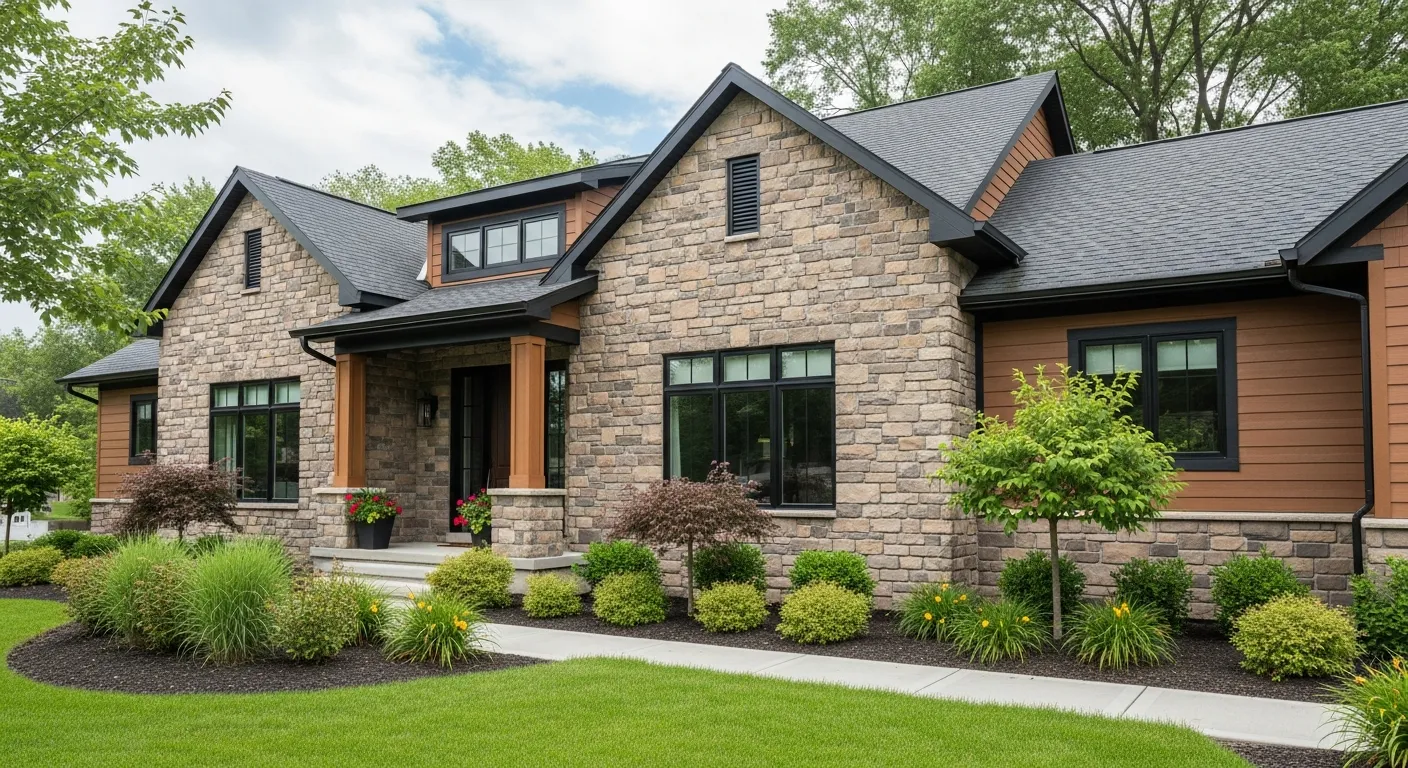
Stone Veneer Installation in Michigan: A Complete Guide
Manufactured or natural stone veneer? Here is what West Michigan homeowners need to know about materials, installation, and the factors that shape each project.
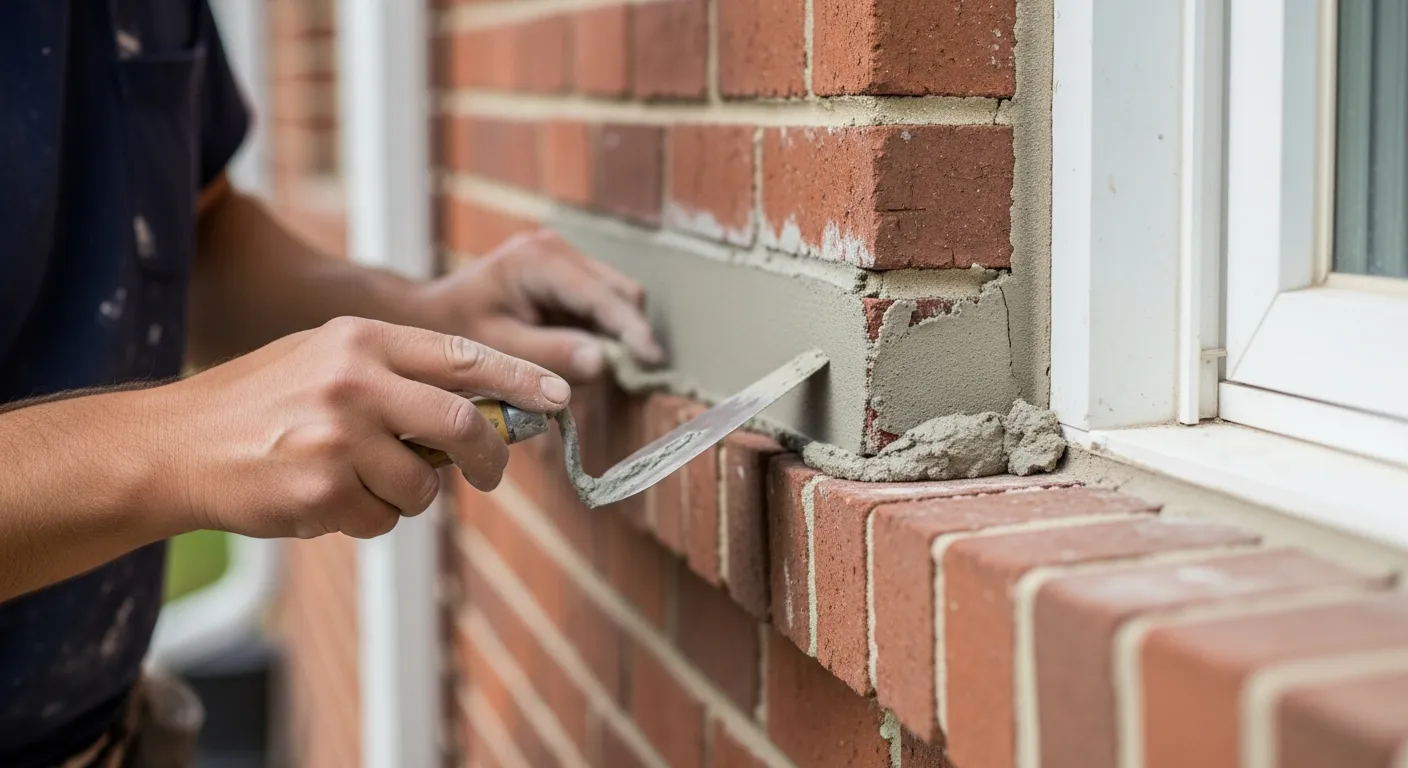
What's the Difference Between Tuckpointing and Repointing?
These terms are often used interchangeably, but they're actually different techniques. Understanding the difference helps you communicate with contractors and get the right service.