
Post-Winter Damage: Your Spring Masonry Inspection Checklist
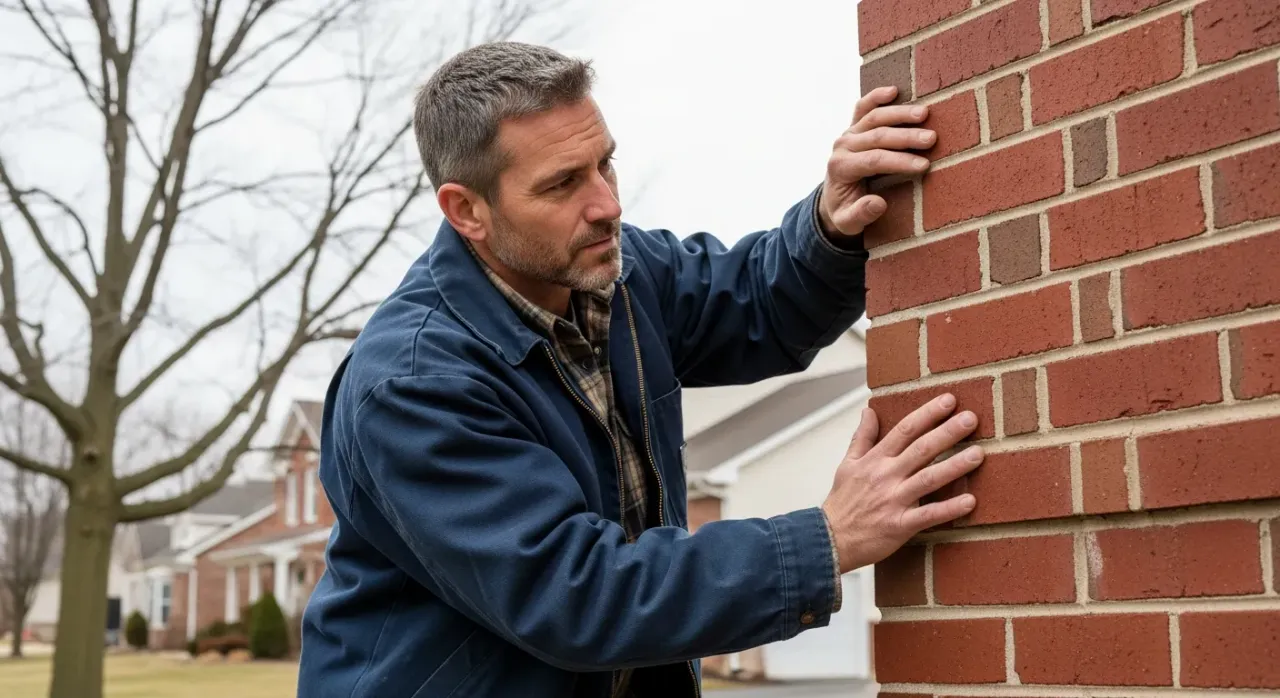
Why inspect masonry every spring?
Every Michigan winter leaves its mark on masonry. Spring is the perfect time to assess damage and address issues before they worsen through another year of weather exposure.
Where Should I Start My Spring Inspection?
Start with a walk around your home. Look at all brick and stone surfaces from ground level. Bring your phone to document any issues with photos.
What Should I Look for on the Walls?
Check mortar joints first. Look for areas where mortar has cracked, crumbled, or fallen out entirely. Pay special attention to areas exposed to the most weather.
What should I check on my chimney?
Examine your chimney from ground level with binoculars if needed. Look for missing mortar, damaged bricks, a cracked crown, or a damaged chimney cap.
What signs of moisture damage should I look for?
Look for efflorescence—white salt deposits on brick surfaces. This indicates water is moving through your masonry. It's a warning sign to investigate the moisture source.
Check for spalling—areas where brick faces have flaked or popped off. Freeze-thaw damage is the usual cause. Catch it early before it spreads — our brick restoration team replaces spalled units and matches your existing wall.
What About the Foundation?
Inspect foundation walls from inside your basement. Look for new cracks, water staining, or efflorescence. Compare to any photos from previous inspections. Horizontal or stair-step cracks warrant a foundation crack assessment.
How do I test mortar condition?
Test mortar firmness with a car key. Drag it across joints. Healthy mortar resists scratching. If mortar powders away easily, repointing may be needed.
Document everything you find with photos and notes about location. This information helps your masonry contractor provide accurate estimates.
If you find issues, don't wait. Spring is prime time for masonry work—good weather and contractor availability before summer's busy season. If you spent the winter waiting on outdoor repairs, now is also a great time to plan interior brick walls or stone flooring projects that can be done year-round.
Step-by-Step Guide
- 1
Walk the Perimeter
Examine all exterior brick and stone surfaces from ground level.
- 2
Check Mortar Joints
Look for cracking, crumbling, or missing mortar in joints.
- 3
Inspect the Chimney
Use binoculars to check for crown damage, missing cap, or brick problems.
- 4
Look for Efflorescence
White deposits indicate moisture issues that need addressing.
- 5
Check for Spalling
Look for areas where brick faces are flaking or deteriorating.
- 6
Examine Foundation Walls
From inside, check for new cracks or water staining.
- 7
Test Mortar Firmness
Use a key to test if mortar is still solid or crumbling.
- 8
Document with Photos
Photograph any issues for contractor consultations.
Frequently Asked Questions
When should I do my spring masonry inspection?
After the last freeze. Spring is the perfect time to assess winter damage and address issues before they worsen through another year of weather exposure.
What does efflorescence on my brick mean?
Efflorescence is the white salt deposit on brick surfaces. It indicates water is moving through your masonry, so it's a warning sign to investigate the moisture source.
How do I test if my mortar is still solid?
Use a car key. Drag it across the mortar joints. Healthy mortar resists scratching. If mortar powders away easily, repointing may be needed.
Need Professional Help?
If you've identified masonry issues or need a professional inspection, we're here to help. Adam Baker Masonry serves Grand Rapids and the surrounding 50-mile area.
Related Articles
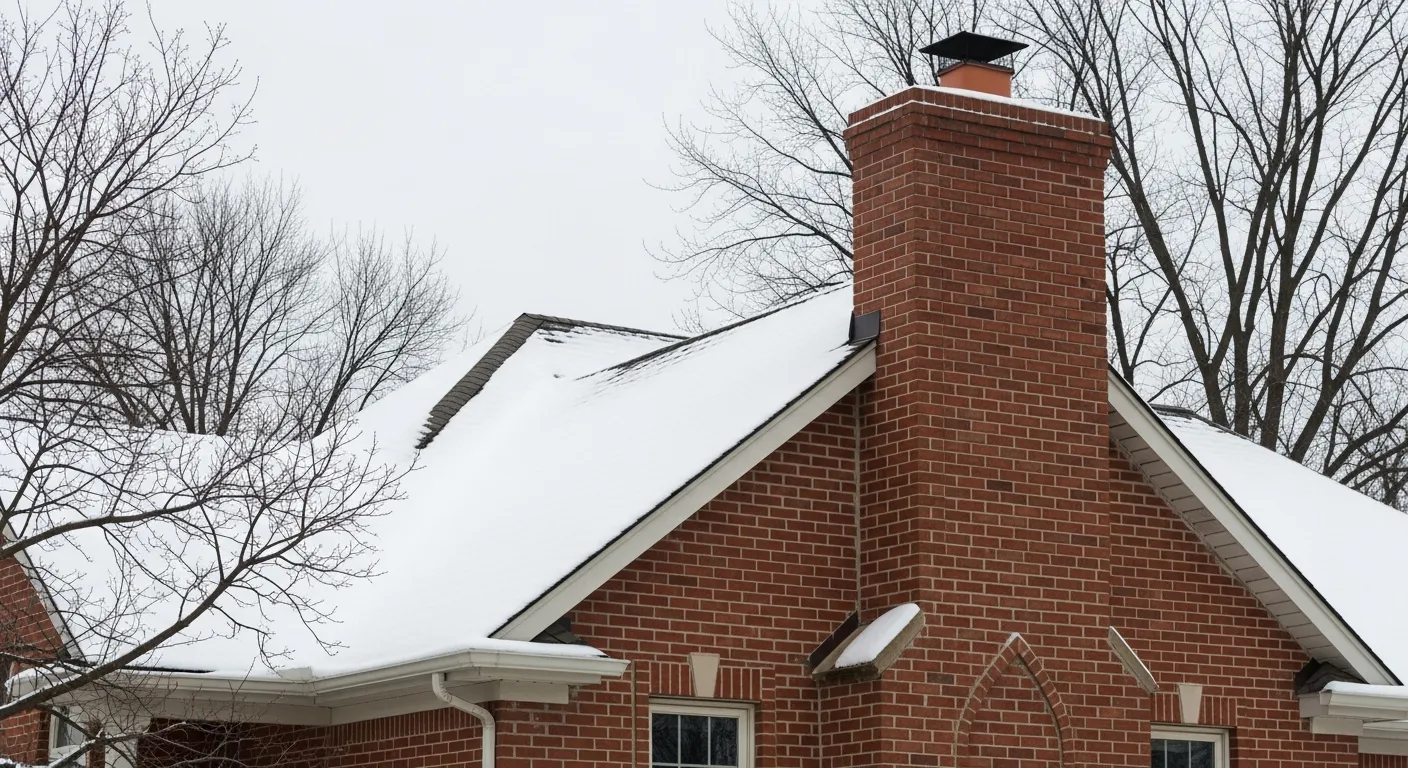
Winter Chimney Care: Protecting Your Michigan Home
Michigan winters put extreme stress on chimneys. From freeze-thaw damage to ice buildup, here's how to protect your chimney through the cold months.
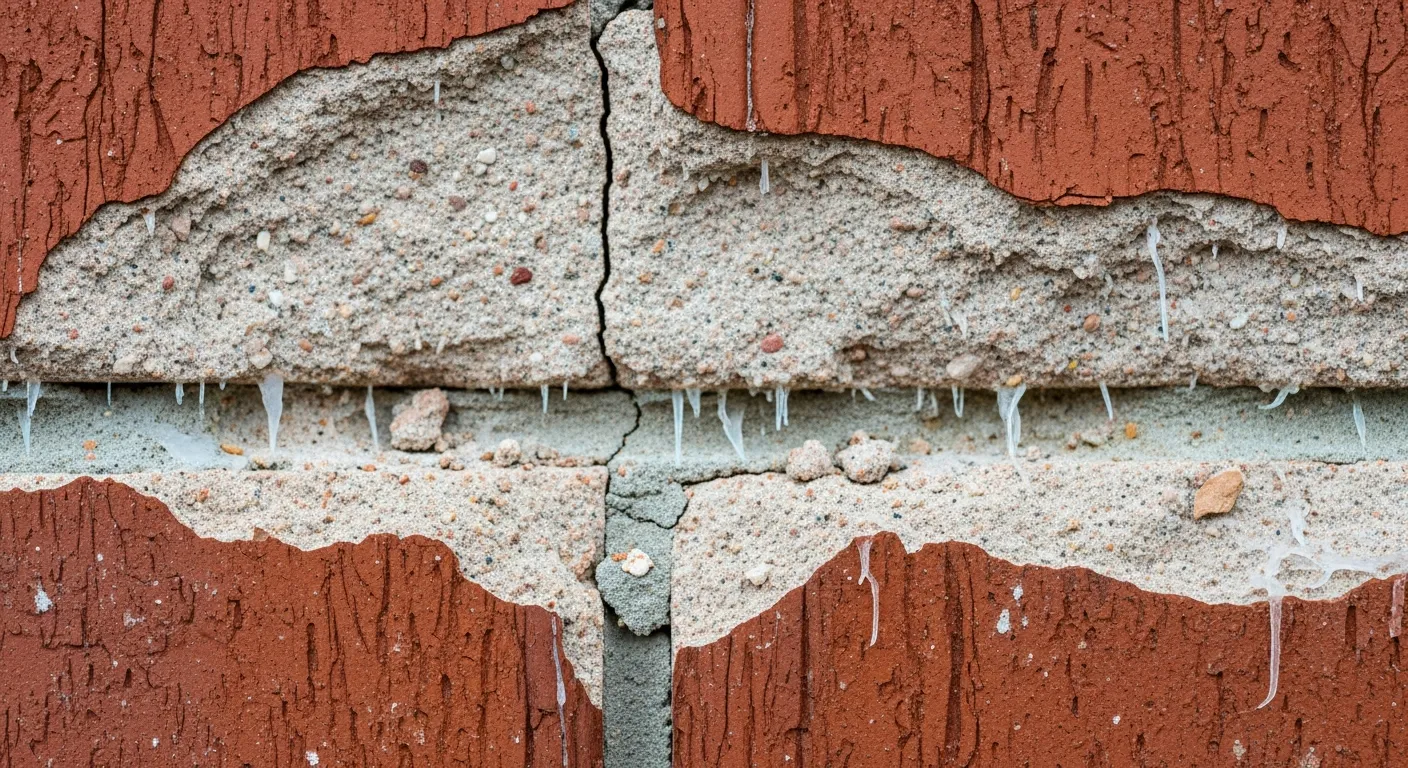
Why Is My Brick Flaking and Peeling Off?
Spalling—when the face of brick flakes away—is one of the most common masonry problems in Michigan. Learn what causes it and whether your bricks can be saved.
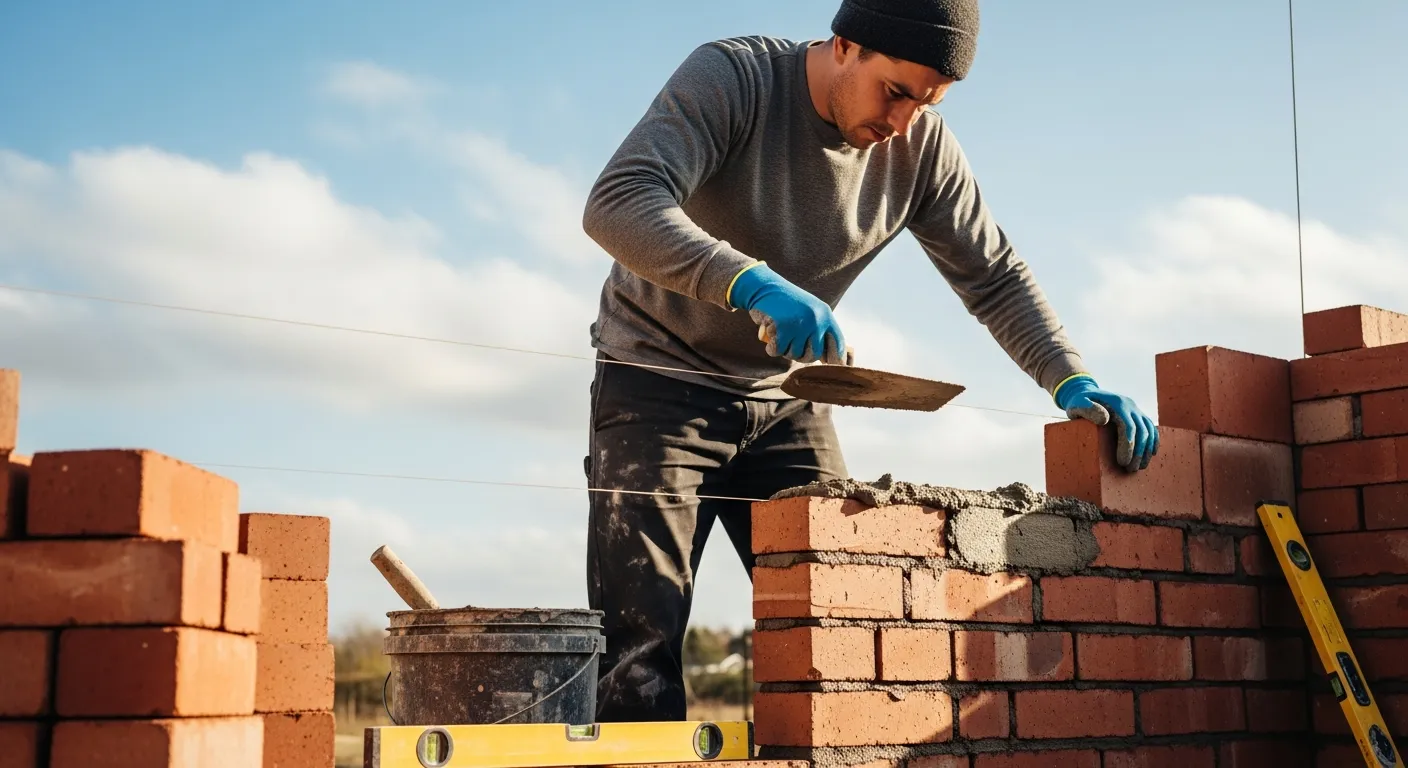
Can I DIY Masonry Repairs or Should I Hire a Pro?
Some masonry repairs are DIY-friendly while others definitely require professional expertise. Here's how to know which is which—and when to call for help.