
What Is That White Powder on My Brick Walls?
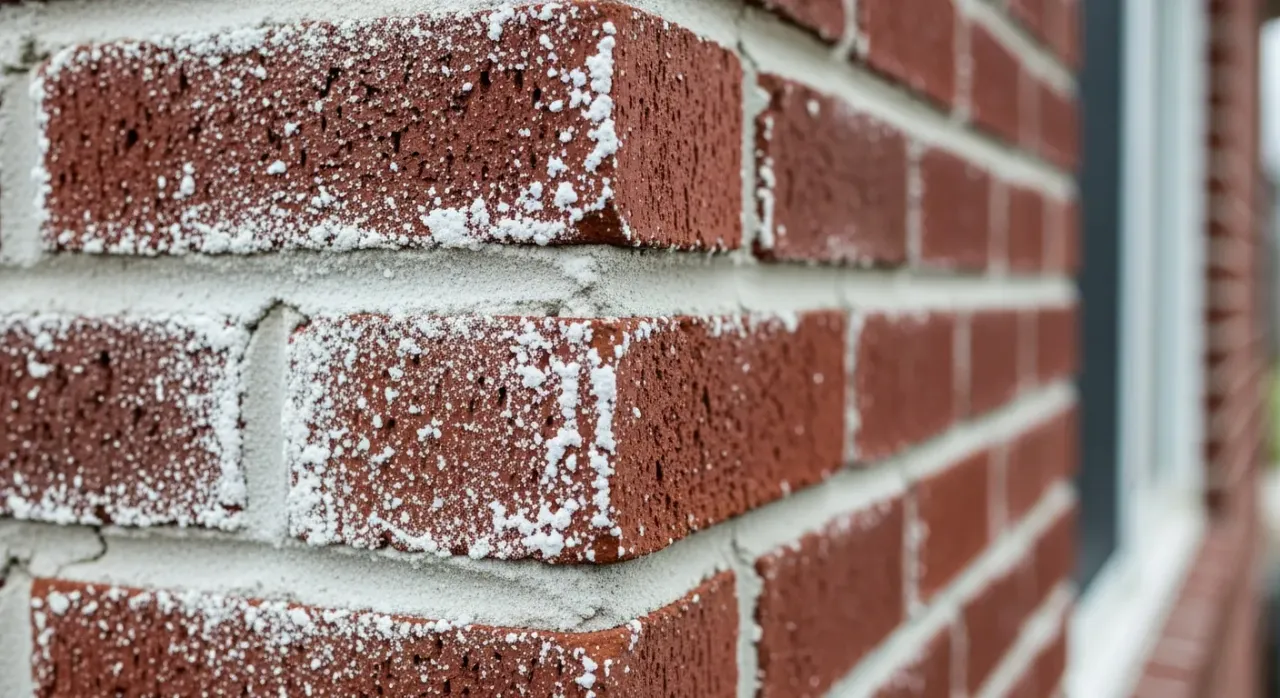
What is the white powder on brick walls?
That white, chalky substance on your brick is called efflorescence. It's the #1 question Michigan homeowners ask about their masonry—and for good reason.
What Is Efflorescence?
Efflorescence occurs when water moves through your masonry and dissolves natural salts in the brick, mortar, or backing materials. As the water evaporates at the surface, it leaves those salts behind as a white crystalline deposit.
Is efflorescence dangerous to my brick?
The good news: efflorescence itself doesn't damage your brick. The bad news: it's a warning sign that water is moving through your masonry where it shouldn't be.
What causes efflorescence on a brick house?
Common causes include poor drainage around your foundation, missing or damaged chimney caps, failed caulking around windows, clogged gutters overflowing onto walls, and sprinkler systems hitting brick surfaces.
Common Causes of Efflorescence
Common causes include poor drainage around your foundation, missing or damaged chimney caps, failed caulking around windows, clogged gutters overflowing onto walls, and sprinkler systems hitting brick surfaces.
How Do I Remove It?
You can remove efflorescence with a stiff brush and water for light deposits. For heavier buildup, use a diluted muriatic acid solution (follow manufacturer safety instructions carefully).
But here's the key: removing the white powder doesn't solve the problem. You need to identify and fix the water source, or efflorescence will keep coming back. For stubborn buildup on exterior brick, professional masonry cleaning uses the right pressure and chemistry without damaging soft mortar or historic brick faces.
When should I call a professional about efflorescence?
In West Michigan basements, efflorescence often indicates hydrostatic pressure pushing groundwater through foundation walls. This may require exterior waterproofing or an interior drainage system.
If you see efflorescence appearing in new locations or getting worse over time, call a masonry professional. Persistent moisture problems can lead to freeze-thaw damage, which causes much more serious structural issues.
Prevention is easier than cure. Ensure proper grading away from your foundation, keep gutters clean, and address any flashing or caulking failures promptly. If failed mortar joints are letting water in, tuckpointing addresses the source — and masonry cleaning restores the brick once the moisture problem is fixed.
Frequently Asked Questions
What is the white powder on my brick walls?
It's called efflorescence — a crystalline deposit left behind when water moves through your brick or mortar, dissolves natural salts, and evaporates at the surface. The powder itself is harmless, but it's a warning sign that water is getting where it shouldn't.
Will efflorescence damage my brick?
The white deposit alone doesn't damage brick. The underlying moisture problem is the real concern, because trapped water in Michigan's freeze-thaw climate can lead to spalling and other masonry damage if not addressed.
How do I get rid of efflorescence on brick?
Light deposits can be scrubbed off with a stiff brush and water. Heavier buildup may require a diluted muriatic acid solution applied per the manufacturer's safety instructions. Just remember: cleaning the surface won't fix the problem unless you also address the water source.
When should I worry about efflorescence?
Call a masonry professional if efflorescence keeps coming back, spreads to new areas, or appears on basement walls — especially with any signs of moisture inside. Persistent efflorescence often points to drainage, flashing, or hydrostatic pressure problems that need a real fix.
Does efflorescence damage my brick?
Efflorescence itself doesn't damage brick. However, it's a warning sign that water is moving through your masonry where it shouldn't be, which can lead to bigger moisture problems.
How do I get rid of efflorescence?
Light deposits can be removed with a stiff brush and water. For heavier buildup, use a diluted muriatic acid solution and follow safety instructions carefully. Removing the white powder doesn't solve the underlying moisture problem.
When should I call a professional about efflorescence?
If efflorescence appears in new locations or worsens over time, call a masonry professional. Persistent moisture problems can lead to freeze-thaw damage and serious structural issues.
Need Professional Help?
If you've identified masonry issues or need a professional inspection, we're here to help. Adam Baker Masonry serves Grand Rapids and the surrounding 50-mile area.
Related Articles
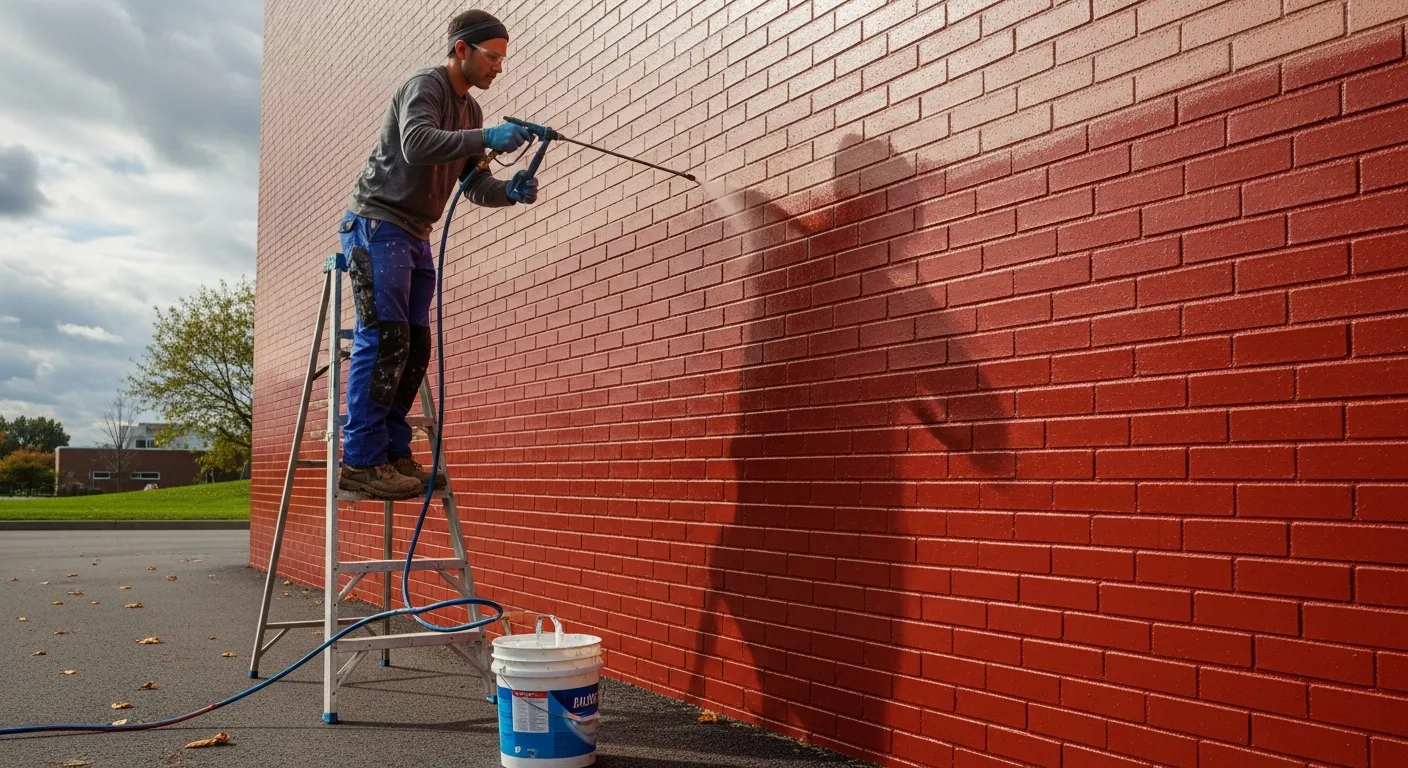
Should I Seal My Brick? The Surprising Answer
Many homeowners think sealing brick is good maintenance—but the wrong sealer can actually cause serious damage. Here's what you need to know before applying any products.
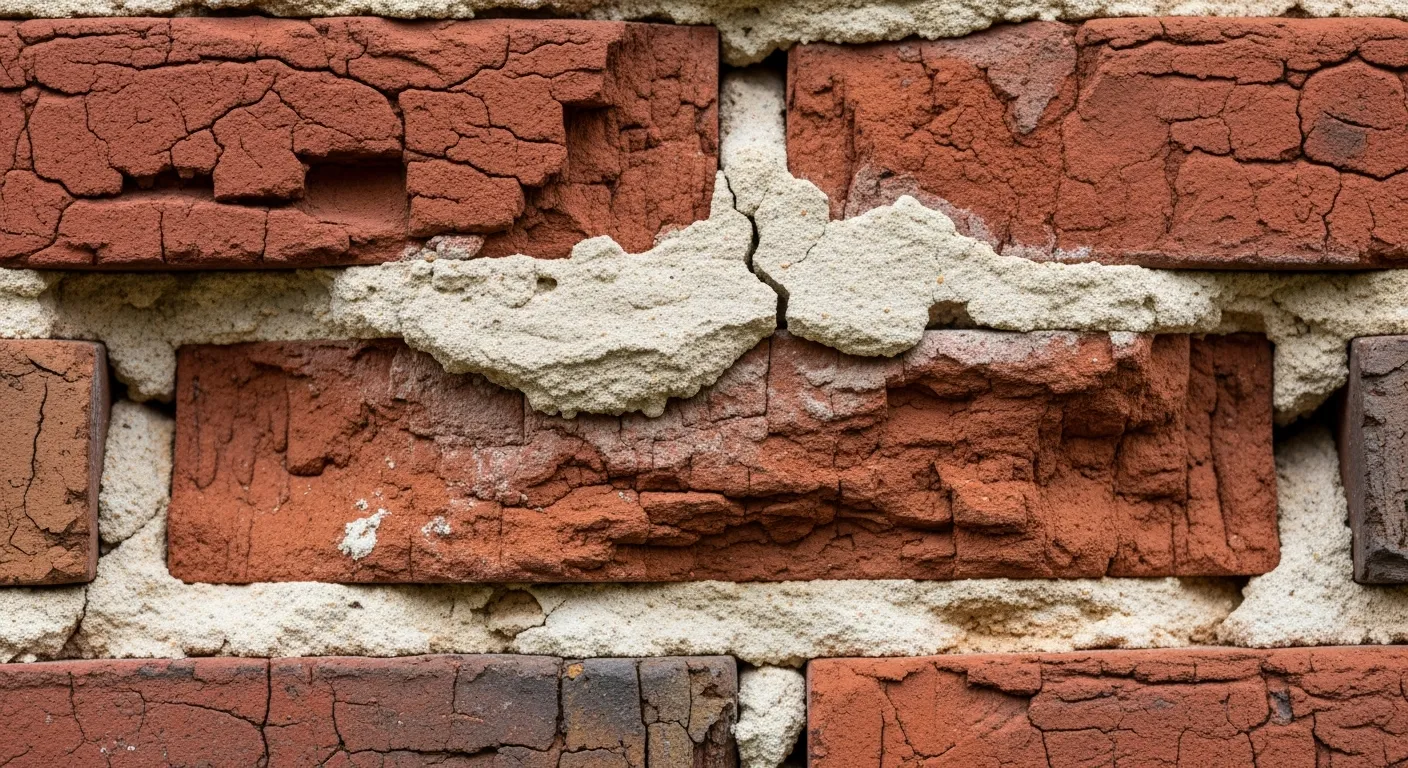
How Long Does Mortar Last Before It Needs Replacing?
Mortar is designed to be the 'sacrificial' element in masonry—it wears out so your brick doesn't have to. Here's how long you can expect it to last and signs it's time to repoint.

Thin Brick Accent Walls: Creating the Interior Brick Look in West Michigan Homes
A thin brick accent wall brings character and texture to living rooms, dining areas, and kitchens — without the weight or cost of full masonry. Here is what West Michigan homeowners should know about materials, process, and what to expect.