
What's the Difference Between Tuckpointing and Repointing?
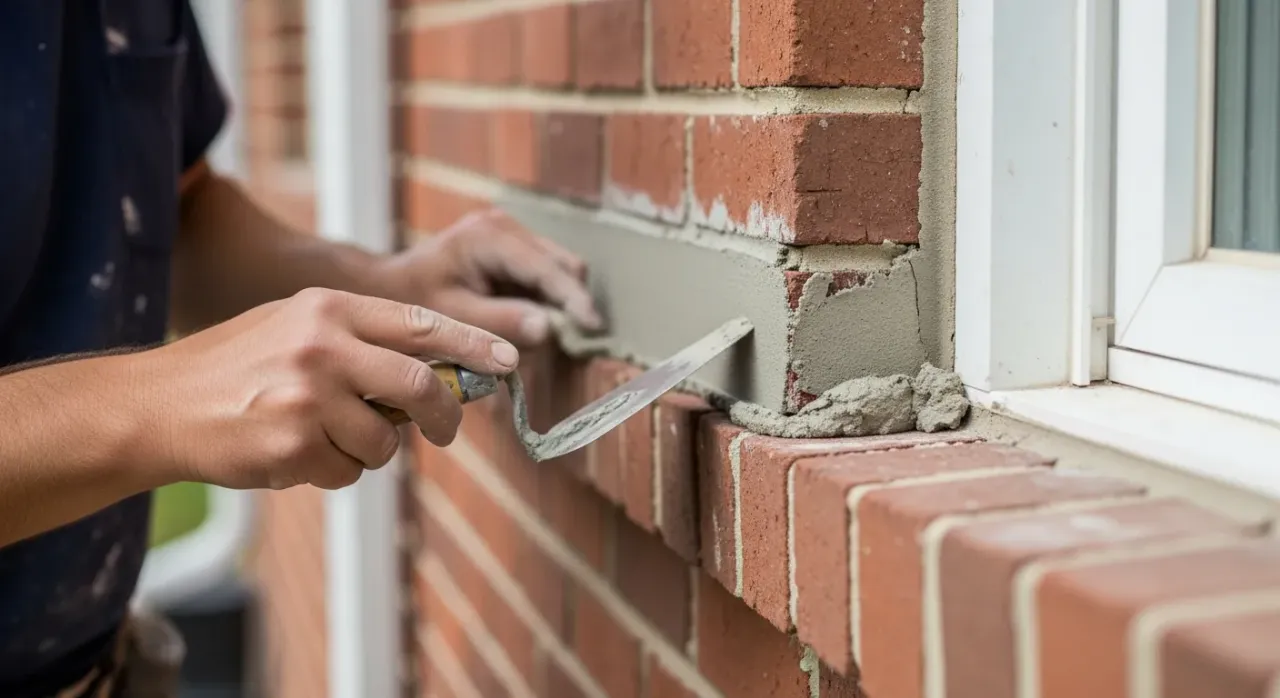
What's the difference between tuckpointing and repointing?
Here's a question we get almost daily: 'What's the difference between tuckpointing and repointing?' In the Midwest, most people (including many contractors) use these terms interchangeably. But technically, they're different.
What Is Repointing?
Repointing is the process of removing deteriorated mortar from between bricks and replacing it with fresh mortar. This is the most common masonry repair and what most people actually need.
What is true tuckpointing?
True tuckpointing is a decorative technique. It involves filling mortar joints with mortar that matches the brick color, then adding a thin line of contrasting (usually white) mortar to create the illusion of very fine, precise joints.
Tuckpointing originated in 18th-century England when perfect-looking brickwork was a status symbol. The technique is still used today for high-end historic restorations.
Why do contractors use the terms interchangeably?
In the Midwest, when contractors say 'tuckpointing,' they almost always mean repointing. This regional usage is so common that even industry professionals use the terms interchangeably.
Which Service Do I Actually Need?
When getting estimates, clarify exactly what's included. Ask: 'Are you removing old mortar and replacing it, or doing decorative work with contrasting colors?' Most homeowners need simple repointing.
What does quality repointing actually require?
Quality repointing requires removing old mortar to a depth of roughly twice the joint width. Shallow repairs fail quickly because the new mortar doesn't have enough surface area to bond properly.
Color matching matters too. Experienced masons can blend mortar colors to match your existing joints. A poor color match is immediately noticeable and can affect your home's appearance and value.
Whether you call it tuckpointing or repointing, the goal is the same: restoring weathertight mortar joints that protect your brick from water infiltration. Our tuckpointing service covers color-matched repointing for chimneys, walls, and foundations throughout Grand Rapids.
After repointing, many homeowners also schedule professional masonry cleaning to remove years of efflorescence and surface staining — especially on chimneys and south-facing walls that show white salt deposits.
Frequently Asked Questions
Is tuckpointing the same as repointing?
Technically, no. Repointing is removing failed mortar and replacing it with fresh mortar. True tuckpointing is a decorative technique that adds a fine contrasting line of mortar to mimic precise joints. In the Midwest, however, most contractors and homeowners use 'tuckpointing' to mean repointing.
Which one do I actually need?
If you're seeing crumbling, recessed, or missing mortar, you need repointing. That's what restores weathertight joints and protects your brick from water. True decorative tuckpointing is mainly used in high-end historic restoration.
How deep should mortar be removed during repointing?
To roughly twice the width of the joint. Shallow patch jobs fail quickly because the new mortar doesn't have enough surface area to bond properly.
Does mortar color matter?
Yes — a poor color match is immediately noticeable and can affect both the look of your home and its value. An experienced mason will blend mortar to match your existing joints as closely as possible.
Is tuckpointing the same as repointing?
Technically no. Repointing means removing deteriorated mortar and replacing it. True tuckpointing is a decorative 18th-century English technique that uses contrasting mortar colors. In the Midwest, contractors typically use 'tuckpointing' to mean repointing.
How deep should mortar be removed for proper repointing?
Quality repointing requires removing old mortar to a depth of roughly twice the joint width. Shallow repairs fail quickly because new mortar can't bond properly.
Why does mortar color matching matter?
Experienced masons blend mortar colors to match existing joints. A poor color match is immediately noticeable and can affect your home's appearance and value.
Need Professional Help?
If you've identified masonry issues or need a professional inspection, we're here to help. Adam Baker Masonry serves Grand Rapids and the surrounding 50-mile area.
Related Articles
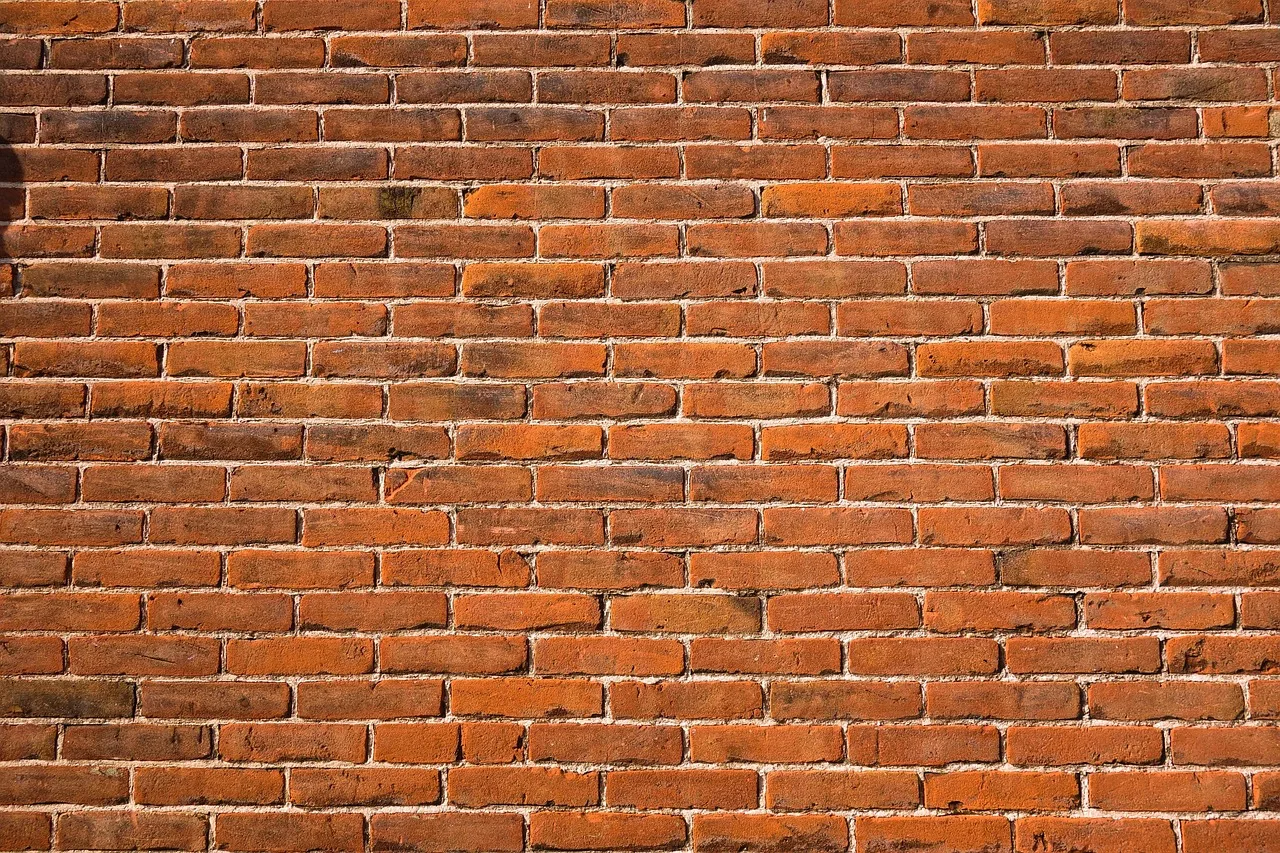
Types of Masonry Repair: What Michigan Homeowners Should Know
Masonry repair varies widely based on the type of work needed. Here is a realistic look at the most common repairs and the factors that shape each project.
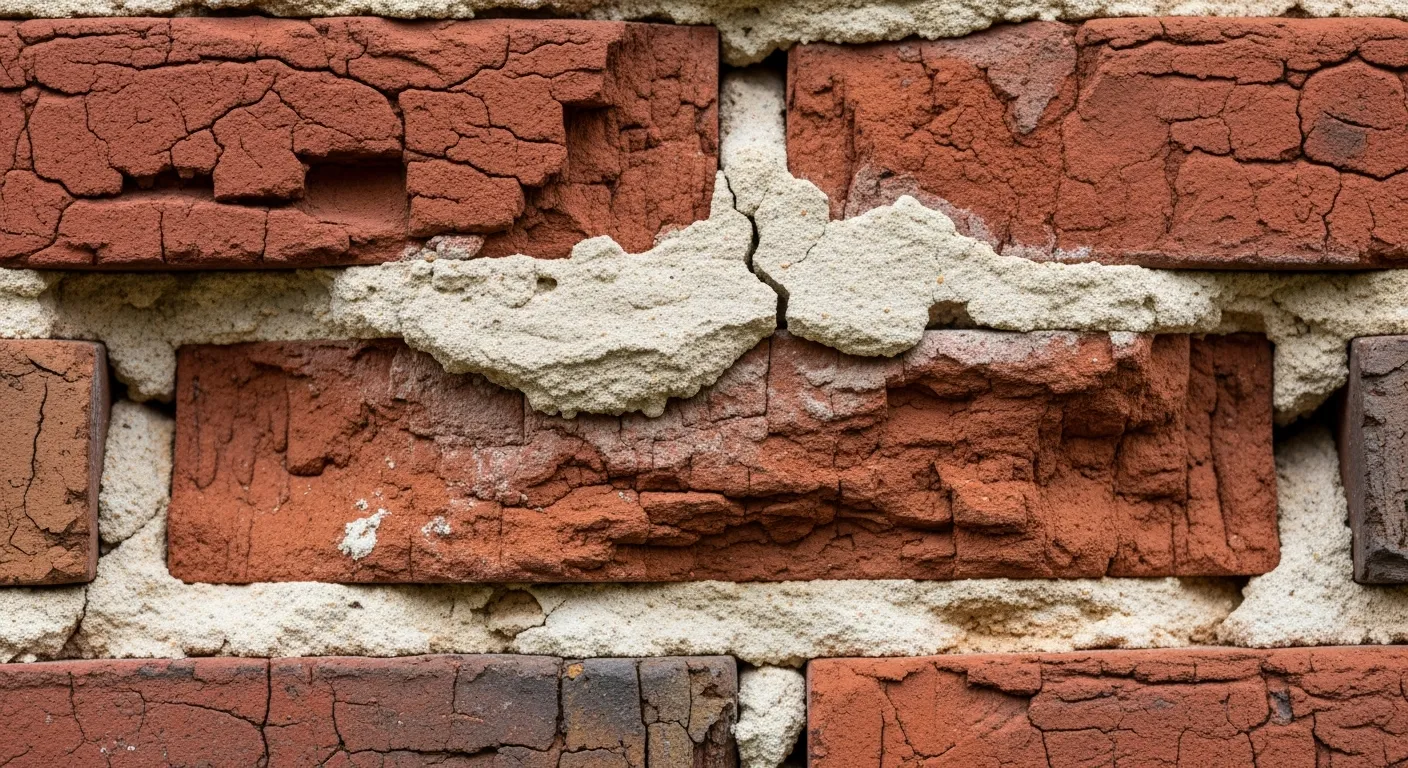
How Long Does Mortar Last Before It Needs Replacing?
Mortar is designed to be the 'sacrificial' element in masonry—it wears out so your brick doesn't have to. Here's how long you can expect it to last and signs it's time to repoint.
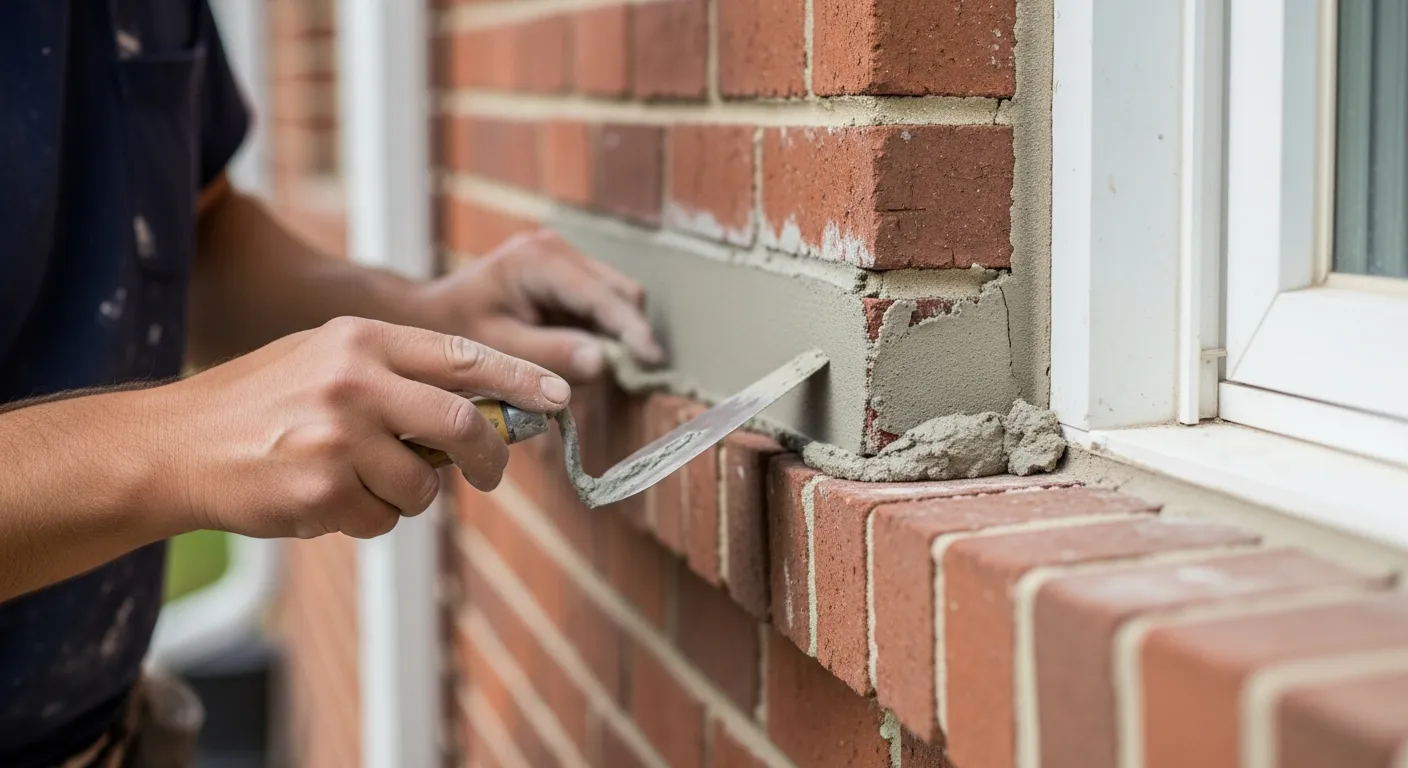
Tuckpointing in West Michigan: What to Expect
Tuckpointing depends on wall size, height, and mortar condition. Here is what shapes a tuckpointing project for homes and buildings in the Grand Rapids area.